
Gold IRA BBB Complaints: What Consumer Reports Reveal
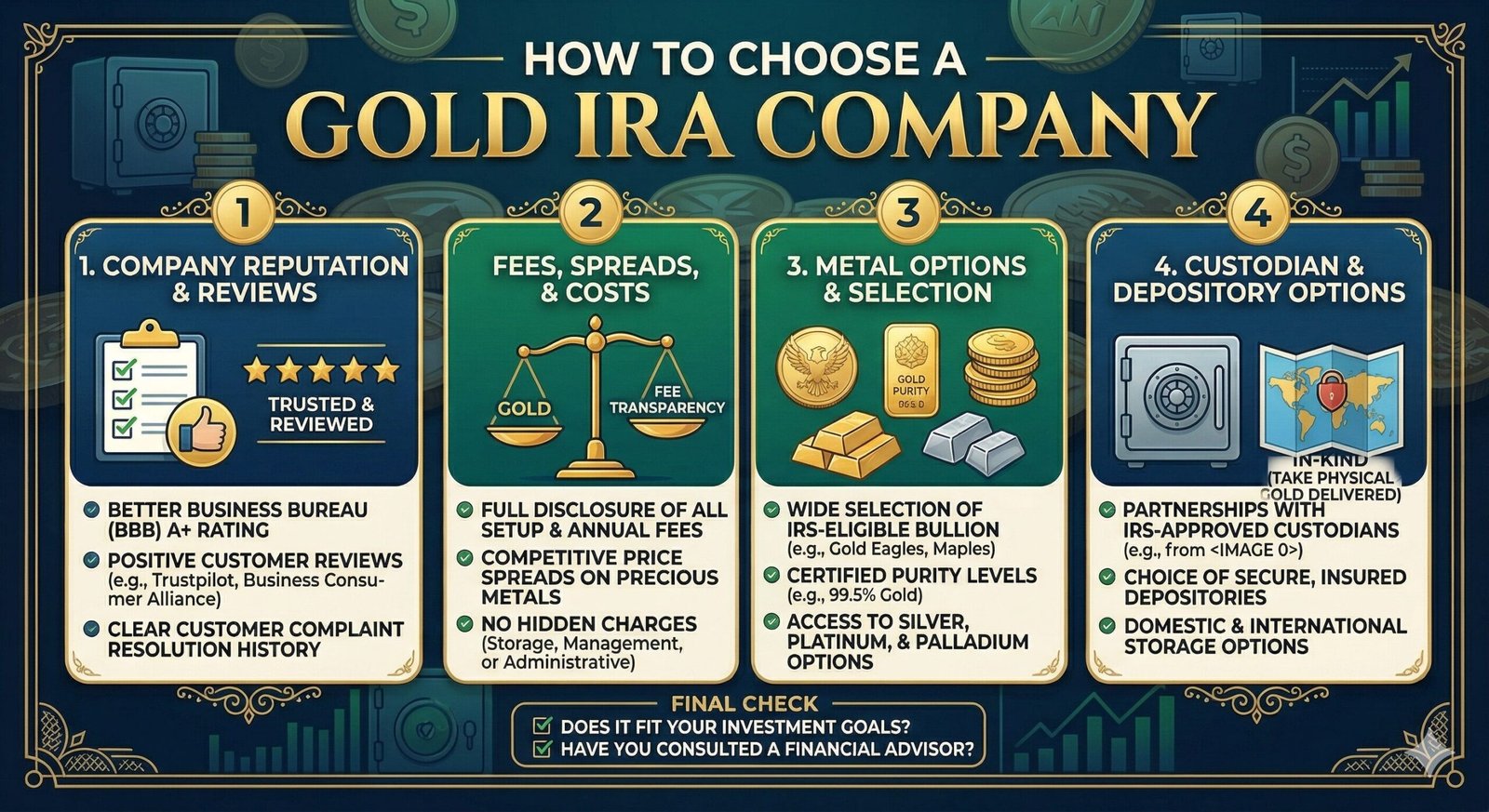
When you’re considering adding physical gold to your retirement account, doing your research isn’t just a good idea — it’s essential. The Better Business Bureau (BBB) is one of the most widely used consumer trust resources in the United States, and many retirement investors turn to it first when evaluating Gold IRA companies. But BBB ratings and complaint histories require careful interpretation. A company with complaints isn’t automatically a bad actor, and a company without complaints isn’t automatically trustworthy.
This guide walks you through exactly what BBB data tells you about Gold IRA providers, what it doesn’t tell you, and how to use it alongside other research tools to make a more informed decision.
What the BBB Actually Measures — and What It Doesn’t
The BBB is a nonprofit organization that has been tracking consumer-business interactions since 1912. It assigns letter-grade ratings from A+ down to F, based on factors like complaint volume, complaint resolution, time in business, transparent business practices, and licensing information.
For Gold IRA companies, the BBB can be a genuinely useful starting point. It captures real complaints from real customers, provides company responses, and tracks whether issues were resolved. According to FINRA’s guidance on self-directed IRAs, self-directed IRAs — the category that includes Gold IRAs — carry unique risks that standard brokerage accounts don’t, which makes independent consumer research all the more important.
That said, BBB accreditation is not a government endorsement. Companies pay for accreditation, which means the BBB functions partly as a membership organization. An unaccredited company isn’t necessarily problematic, and an accredited company isn’t necessarily problem-free. The rating is a useful data point, not a definitive verdict.
Common Types of BBB Complaints Filed Against Gold IRA Companies
When you browse bbb.org and search for precious metals dealers or Gold IRA custodians, you’ll find a range of complaint types. Understanding the most common categories helps you determine whether what you’re reading reflects a systemic problem or an isolated issue.
Fee Disputes and Lack of Transparency
One of the most frequently cited complaint categories involves fees. Gold IRA accounts carry several cost layers — setup fees, annual storage and administration fees, and sometimes transaction fees when buying or selling metals. Complaints in this category typically involve customers who felt surprised by charges they didn’t fully understand before opening an account.
This is a legitimate concern worth taking seriously. Before committing to any provider, review fee disclosures carefully. Our Gold IRA fees guide breaks down every common charge you might encounter and what reasonable ranges look like across the industry.
Communication and Customer Service Issues
A significant portion of BBB complaints across all financial service categories involves responsiveness. Customers report delayed callbacks, unclear answers to account questions, or difficulty reaching account representatives when needed.
For retirement investors, this matters more than it might in other contexts. Gold IRA accounts can involve time-sensitive transactions — particularly during rollovers from existing retirement accounts — and slow communication during those windows can create real problems.
Rollover and Transfer Delays
Some complaints involve the rollover process specifically. Moving funds from a 401(k) or traditional IRA into a Gold IRA requires coordination between multiple parties: your existing plan administrator, the new custodian, and the precious metals dealer. When any link in that chain is slow or unresponsive, funds can sit in transit longer than expected. Our Gold IRA rollover rules page explains the timelines and rules the IRS sets for these transfers — including the 60-day rollover window that, if missed, can trigger taxes and penalties.
Product and Pricing Disputes
Some consumers report concerns about the markup on physical gold or silver coins purchased through a dealer. Premiums above spot price are normal in the industry, but excessively high premiums are a recognized red flag. If a company’s complaint history includes multiple references to pricing that felt misleading or inflated, that pattern deserves close attention.
How to Read a BBB Complaint History Properly
Seeing complaints on a company’s BBB profile doesn’t automatically mean you should walk away. Volume and context both matter enormously.
A large, well-established Gold IRA company with tens of thousands of customers will almost certainly have some complaints — that’s simply a statistical reality. What matters is the ratio of complaints to customers served, whether complaints are being actively resolved, and whether you see the same type of complaint appearing repeatedly.
The BBB’s rating calculation weighs complaint resolution heavily. A company that receives complaints but responds promptly and works toward resolution will typically maintain a higher rating than one that ignores consumer concerns. Look for the company’s pattern of responses, not just the existence of complaints.
You should also note how old the complaints are. A cluster of complaints from several years ago that was followed by a long, clean record suggests a company that identified and corrected an internal problem. A recent surge in complaints, on the other hand, may indicate deteriorating service or management changes worth investigating further.
Comparing BBB Ratings: What the Data Tends to Show
The Gold IRA industry includes companies with ratings ranging from A+ to unrated or even F. Here’s a general framework for interpreting what you’re likely to find:
Note that BBB ratings should be used alongside — not instead of — other research. The SEC investor resources available at Investor.gov provide additional tools for evaluating financial service providers, and FINRA BrokerCheck can help you verify the background of any registered financial professional involved in your account.
Using BBB Data Alongside Other Research
The BBB is most useful when it’s one tool among several. Here’s how to build a more complete picture of any Gold IRA company you’re considering.
Check for Regulatory Actions
The BBB records consumer complaints, but it doesn’t track regulatory enforcement actions by government agencies. Separately check the CFTC, FTC, and state attorney general databases for any enforcement history against the company or its principals.
Review Independent Customer Feedback
Platforms like Trustpilot and Google Reviews offer unfiltered customer feedback that can complement what you find on the BBB. Look for patterns across platforms rather than cherry-picking the best or worst reviews.
Verify Custodian Credentials
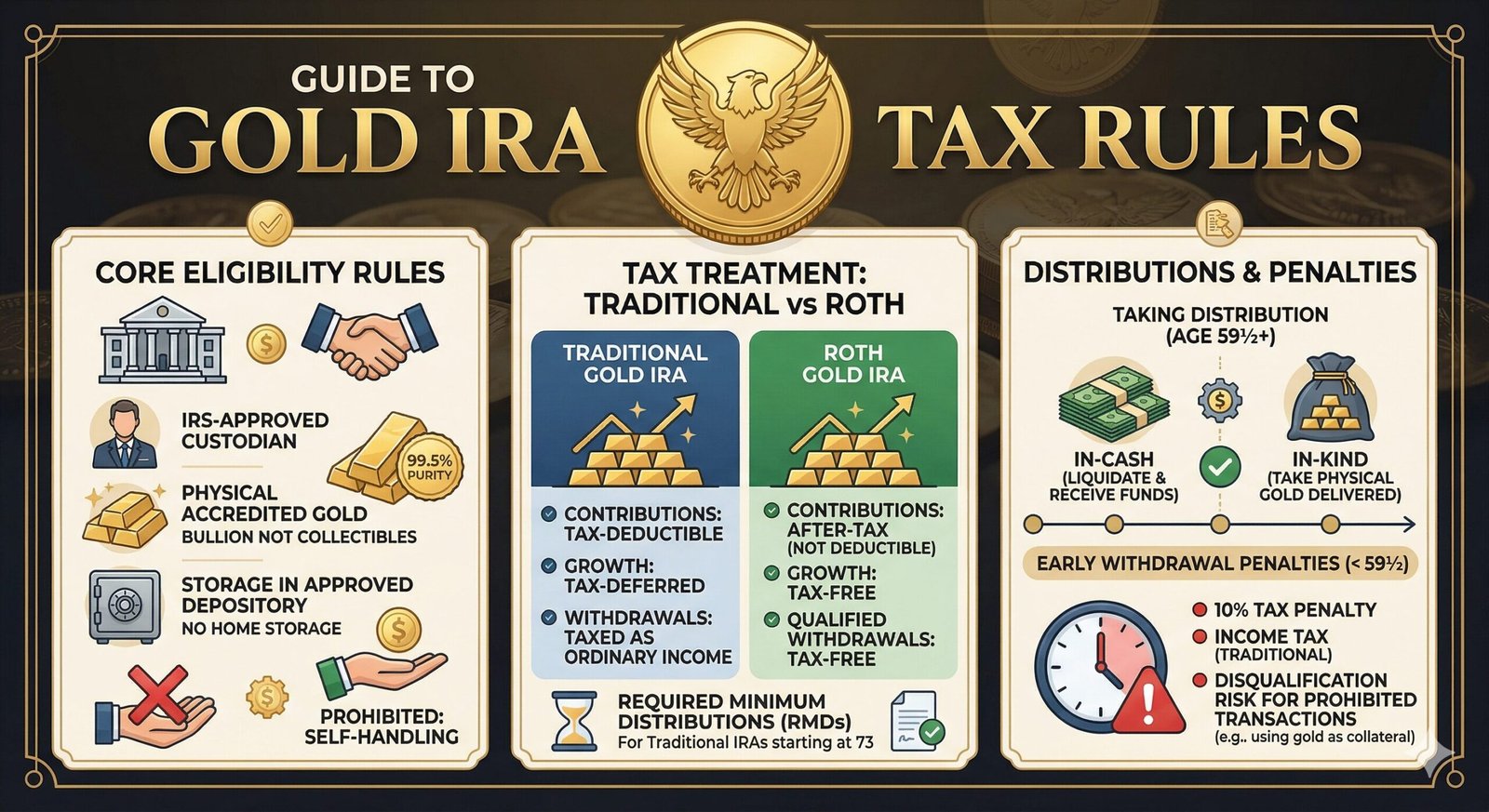
Gold IRA accounts require an IRS-approved custodian — the company that actually holds your account and reports to the IRS. Make sure the custodian your provider works with is legitimate and properly established. The IRS IRA investment FAQ outlines which types of assets are permissible and how custodial arrangements must be structured.
Understand the Full Account Structure
It’s worth spending time on our Gold IRAs Explained in Detail page to understand how the account structure works before evaluating any provider. Knowing what a legitimate Gold IRA setup looks like makes it much easier to spot something that doesn’t add up.
Red Flags That Go Beyond a BBB Rating
Some warning signs in the Gold IRA industry won’t necessarily show up in BBB data at all — especially if a company is new or operates under multiple names.
Pressure tactics are one of the clearest warning signs. Legitimate companies give you time to review materials and make decisions. If a representative is creating urgency around a purchase or using high-pressure language to push you toward an immediate commitment, that should give you serious pause.
Vague or evasive answers about storage, fees, or the custodian’s identity are also concerning. A well-run Gold IRA company will be straightforward about who holds your metals, where they’re stored, and exactly what you’ll pay over time. For more on spotting deceptive practices, our Gold IRA scams guide covers the most common tactics used against retirement investors.
Also pay attention to claims that sound too certain. No reputable company can guarantee returns, promise specific outcomes, or make definitive statements about where gold prices are heading. If marketing materials or sales representatives are making those kinds of claims, they’re not operating within responsible industry standards.
What BBB Complaints Tell You About an Industry, Not Just a Company
Stepping back from any individual company’s profile, the broader pattern of BBB complaints across the Gold IRA industry reveals something important: the most common issues are structural, not unique to bad actors. Fee transparency, rollover complexity, and communication challenges are inherent to how these accounts work — they involve multiple parties, a regulated asset class, and significant paperwork.
That means your due diligence should include understanding what a Gold IRA is at a foundational level before you begin comparing providers. The more clearly you understand how these accounts function — including how rollovers work, what IRS rules apply, and what fees are unavoidable — the better positioned you are to evaluate any company’s complaint history in context.
For investors coming from a 401(k), our 401(k) to Gold IRA rollover guide walks through the process step by step, including the decisions you’ll need to make along the way that affect both cost and timeline.
Frequently Asked Questions
Does a BBB complaint mean a Gold IRA company is fraudulent?
Not necessarily. Complaints can arise from misunderstandings, communication breakdowns, or procedural disputes. What matters more is the pattern of complaints and whether they’re being resolved. Fraud typically involves regulatory action or legal proceedings, not just consumer complaints.
Is a BBB A+ rating a reliable sign of a trustworthy company?
It’s a positive indicator, but not a guarantee. The A+ rating reflects strong complaint resolution and business transparency, but it’s based on the data the BBB has access to. Always supplement BBB research with independent reviews, regulatory checks, and direct communication with the company.
How do I find BBB complaints for a specific Gold IRA company?
Visit bbb.org and search the company name. The company’s profile will show its rating, accreditation status, complaint history, and the company’s responses to those complaints. You can also filter complaints by category and date.
Can a company remove negative BBB reviews or complaints?
Complaints cannot simply be deleted, but companies can respond to them and mark them as resolved. The BBB also has a process for disputing complaints it determines are unfounded. Verified reviews from customers, however, remain on the record regardless of resolution.
What else should I check beyond the BBB before opening a Gold IRA?
In addition to BBB data, review the company’s history on Trustpilot and Google Reviews, verify custodian credentials through IRS-approved lists, check for any regulatory enforcement actions, and review IRS Publication 590-A to understand the rules governing IRA contributions and rollovers. Reviewing IRS contribution limits is also worthwhile before opening any new IRA account.
Ready to Compare Providers?
Once you’ve reviewed BBB data and completed your broader due diligence, comparing providers side by side becomes much more productive. For a comprehensive, up-to-date comparison of leading Gold IRA companies — including fee structures, minimums, and customer service track records — visit our guide to the Best Gold IRA Companies of 2026.
This article is for informational purposes only and does not constitute financial or tax advice. Investing in precious metals involves risk including possible loss of principal.
Related guides
- Gold IRA Consumer Affairs Reviews: What to Look For
- Gold IRA Trustpilot Reviews: What Real Customers Say
- Is a Gold IRA Worth the Fees? A Cost-Benefit Analysis
- Are Gold IRA Fees Too High? Breaking Down the Real Costs
- Gold IRA Mistakes to Avoid: 10 Common Errors Investors Make
- Gold IRA: 15 Questions to Ask Before Opening an Account