
Gold IRA Consumer Affairs Reviews: What to Look For
When you begin researching Gold IRAs, one of the first things many retirement investors do is search for consumer reviews. Review platforms like ConsumerAffairs aggregate feedback from real customers, and that kind of ground-level insight can be genuinely valuable — if you know how to read it correctly. The problem is that most people don’t. They scan for star ratings, form a quick impression, and move on. That approach can leave you either overly confident in a company that looks great on paper or unfairly dismissive of one that doesn’t.
This guide walks you through how to approach Gold IRA consumer affairs reviews intelligently: what signals are meaningful, what to treat with skepticism, and how to combine third-party reviews with other research tools to form a well-rounded view of any company you’re considering.
Why Consumer Reviews Matter for Gold IRAs
Gold IRAs are self-directed retirement accounts. Unlike conventional IRAs held at a major brokerage, they require working with a specialized custodian, a precious metals dealer, and a depository — often different companies coordinating on your behalf. That complexity creates more points of contact, more opportunities for miscommunication, and more reasons why customer experience can vary significantly from one provider to the next.
Before going further, it’s worth understanding the structure you’re evaluating. If you’re new to this space, our Gold IRA hub is a good starting point for learning what a Gold IRA is and how the three-party system works. For a more thorough breakdown of the account mechanics, Gold IRAs Explained in Detail covers the rules, eligibility, and setup process in depth.
Because of this complexity, consumer reviews carry real weight. A customer who complains about slow paperwork or poor communication after a rollover is telling you something specific about operational quality. A pattern of similar complaints across dozens of reviews tells you something even more important.
How ConsumerAffairs Works — and Its Limitations
ConsumerAffairs is a for-profit review platform. Companies can pay to be listed, respond to reviews, and in some cases, actively manage their profiles. That doesn’t automatically invalidate the reviews, but it does mean you should understand the platform’s business model before treating it as an independent consumer watchdog.
Reviews on ConsumerAffairs are written by self-selected users — people who either had a strong enough experience (positive or negative) to take the time to write about it. That creates a skewed sample by definition. Happy customers who had a smooth, uneventful experience rarely bother to submit a review. That means aggregate star ratings on any consumer platform tend to reflect the extremes, not the middle.
For that reason, FINRA’s guidance on self-directed IRAs recommends using multiple independent sources when evaluating financial service providers — not just consumer review platforms alone.
What to Actually Look for in Gold IRA Reviews
Rather than fixating on the overall star rating, experienced researchers focus on the texture of the reviews — the specific details customers mention, and whether those details cluster into patterns.
Volume and Recency
A company with 40 reviews and a 4.8-star average tells you far less than a company with 600 reviews and a 4.4-star average. Volume matters because it reduces the statistical noise created by outliers. Recency matters because a company’s service quality, fee structure, or staffing can change significantly over time. Look for consistent patterns within the last 12 to 24 months, not just the overall lifetime score.
The Content of Negative Reviews
Negative reviews are often more informative than positive ones. A glowing five-star review that says “Great company, very professional!” doesn’t tell you much. A two-star review that says “My rollover paperwork sat unprocessed for six weeks and nobody returned my calls” tells you quite a lot.
When reading negative reviews, ask yourself whether the complaint reflects a systemic issue or a one-off situation. A handful of complaints about long hold times during a particularly busy period is different from a pattern of customers reporting they couldn’t reach anyone for months after funding their accounts.
How Companies Respond
Many companies actively monitor and respond to reviews on ConsumerAffairs. The quality of those responses matters. A company that responds to every negative review with the same copy-pasted “We’re sorry to hear this, please contact us” message is doing reputation management, not customer service. A company that responds specifically, acknowledges the issue, and explains what was done to resolve it is demonstrating something more meaningful about its culture.
Red Flags Worth Taking Seriously
Certain patterns in consumer reviews should prompt further investigation. These include multiple customers reporting difficulty withdrawing funds or taking distributions, complaints about undisclosed fees discovered only after funding an account, accounts of high-pressure sales tactics during the initial consultation, and customers who say they were given inaccurate information about IRS rules.
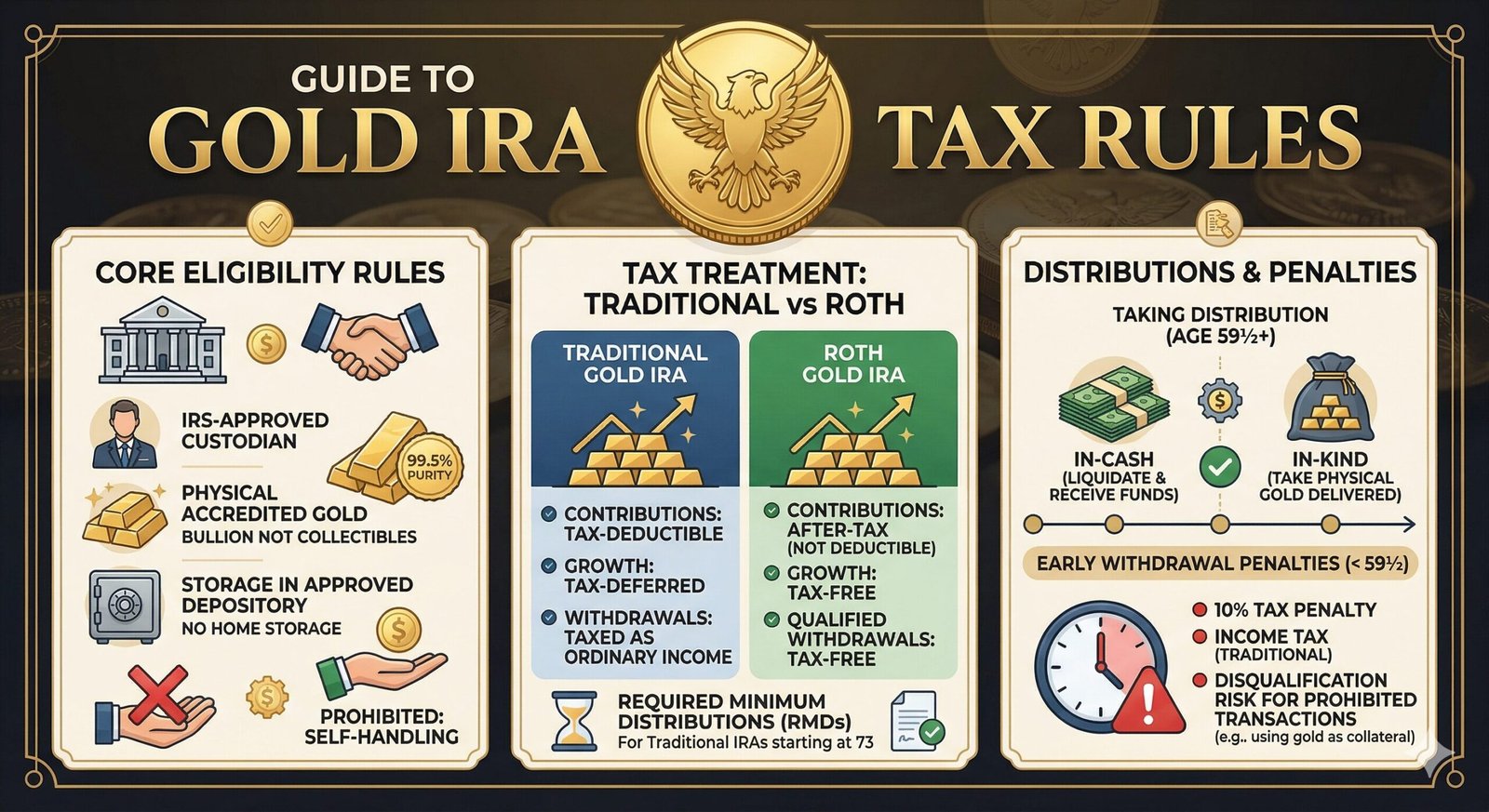
That last category is particularly important. Gold IRAs are governed by specific IRS regulations around eligible metals, custodial requirements, and distribution rules. If multiple customers report being misled about how their account works, that’s a serious concern — and it’s worth cross-referencing with our Gold IRA rollover rules page before taking any company’s representations at face value.
Using ConsumerAffairs Alongside Other Research Sources
ConsumerAffairs is one data point, not the whole picture. The most thorough research process combines several independent sources to build a more complete view of any company.
The Better Business Bureau
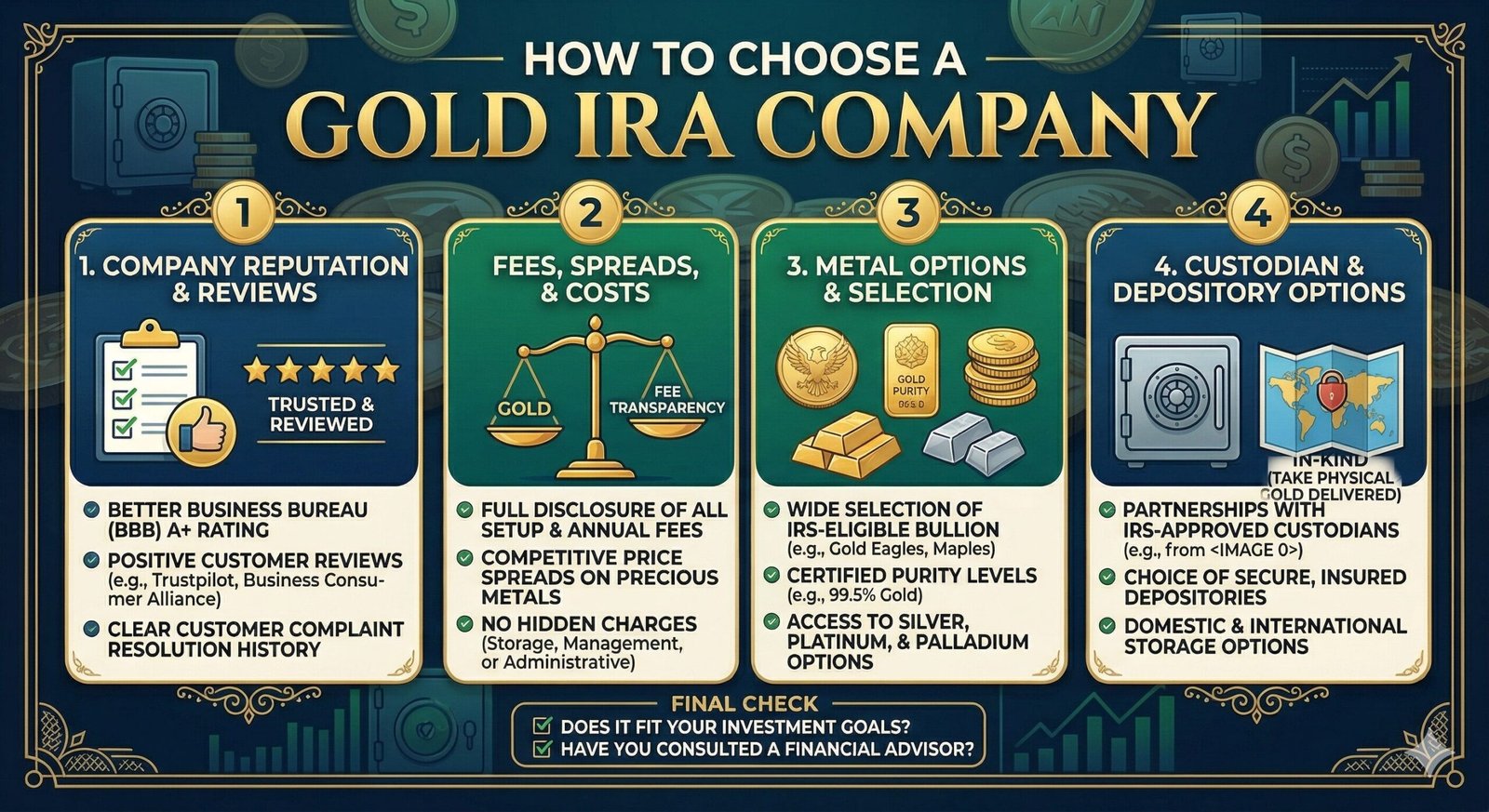
The BBB at bbb.org offers accreditation ratings and a complaint history that is structured differently from consumer review platforms. The BBB’s complaint process requires companies to respond, and unresolved complaints can affect accreditation ratings. A company with an A+ rating but a high volume of complaints that were only closed with boilerplate responses tells a different story than one with the same rating and detailed, satisfactory resolutions.
FINRA BrokerCheck
If any party involved in your Gold IRA — particularly a broker or financial advisor who referred you to a dealer — is registered with FINRA, you can verify their registration and review any disciplinary history at FINRA BrokerCheck. This won’t apply to every Gold IRA company directly, but it’s a useful tool when evaluating the broader network of people involved in your account.
The IRS Itself
No review platform will tell you whether a company’s claims about IRS rules are accurate. For that, you need to go directly to the source. IRS Publication 590-A covers IRA contributions and rollovers. The IRS IRA investment FAQ addresses common questions about what self-directed IRAs can and cannot hold. The IRS RMD FAQ covers required minimum distribution rules that every Gold IRA holder needs to understand.
These aren’t exciting reading, but they give you the baseline knowledge to evaluate whether a company’s sales team is giving you accurate information — or telling you what you want to hear.
A Comparison of Third-Party Review Platforms
Different platforms serve different purposes when researching Gold IRA companies. Here’s a quick reference to help you understand what each one is best suited for.
Translating Research into a Shortlist
Once you’ve gathered reviews from multiple platforms and cross-referenced them against factual regulatory sources, you’re in a much stronger position to create a shortlist of companies worth speaking with directly.
At that stage, the conversation itself becomes a research tool. Pay attention to whether the representative answers your questions directly or steers every answer toward a sales pitch. Note whether they proactively discuss fees, or whether you have to push for that information. Our Gold IRA fees guide outlines the typical fee structure for these accounts — setup fees, annual custodial fees, storage fees, and transaction costs — so you know what questions to ask.
If you’re planning to fund a Gold IRA through an existing retirement account, our 401(k) to Gold IRA rollover guide explains the mechanics and timeline involved. And if you’re weighing this account type against other options, our Gold IRA vs Traditional IRA comparison may help clarify the structural differences.
It’s also worth checking our Gold IRA scams guide before making any final decisions. Not every poorly reviewed company is a scam, but the warning signs of bad actors often show up first in consumer reviews — and knowing what to look for can save you from a costly mistake.
Frequently Asked Questions
Are ConsumerAffairs reviews reliable for evaluating Gold IRA companies?
They can be useful, but they shouldn’t be your only source. ConsumerAffairs is a for-profit platform where companies can manage their profiles, so reviews may not represent a fully balanced sample. Use them alongside the BBB, Trustpilot, Google Reviews, and direct IRS resources to build a more complete picture.
What should I focus on when reading negative reviews?
Look for patterns rather than isolated complaints. Pay particular attention to reviews mentioning undisclosed fees, difficulty reaching customer service, problems processing rollovers, or inaccurate information about IRS rules. These indicate potential systemic issues rather than one-off situations.
How do I know if a Gold IRA company’s claims about IRS rules are accurate?
Cross-reference anything a sales representative tells you against IRS publications directly. IRS Publication 590-A and the IRS IRA investment FAQ are authoritative sources for rollover rules, contribution limits, and eligible account structures.
What does a company’s response to negative reviews tell me?
Quite a lot. Companies that respond specifically and constructively to complaints — rather than using generic copy-pasted language — tend to take customer experience more seriously. Consistent, thoughtful responses suggest a company that views its reputation as something to earn, not just manage.
Where can I find a vetted list of Gold IRA companies to compare?
Our Best Gold IRA Companies of 2026 page compiles a carefully researched list of providers, along with the criteria used to evaluate them. It’s a useful next step once you’ve completed your initial review research.
Ready to compare vetted Gold IRA providers side by side? Visit our Best Gold IRA Companies of 2026 page for a comprehensive, research-backed breakdown of the leading options in this space.
This article is for informational purposes only and does not constitute financial or tax advice. Investing in precious metals involves risk including possible loss of principal.
Related guides
- Gold IRA Trustpilot Reviews: What Real Customers Say
- Gold IRA BBB Complaints: What Consumer Reports Reveal
- Is a Gold IRA Worth the Fees? A Cost-Benefit Analysis
- Are Gold IRA Fees Too High? Breaking Down the Real Costs
- Gold IRA Mistakes to Avoid: 10 Common Errors Investors Make
- Gold IRA: 15 Questions to Ask Before Opening an Account