Can I Roll Over My Pension to a Gold IRA?
If you have a pension from a former employer and you’re wondering whether you can move those funds into a Gold IRA, you’re not alone. It’s one of the more common questions that retirement-age investors ask — and the answer is: it depends on the type of pension you have and whether distributions have already begun.
The good news is that for many people, a pension rollover to a Gold IRA is entirely possible and IRS-permitted. The less straightforward news is that the rules vary depending on your specific situation. This article walks you through everything you need to know — from which pension types qualify, to what the IRS requires, to how the actual process works.
For a broader look at how these accounts work before diving into rollover specifics, visit our Gold IRA hub.
What Is a Gold IRA, and Why Are Pension Holders Asking About This?
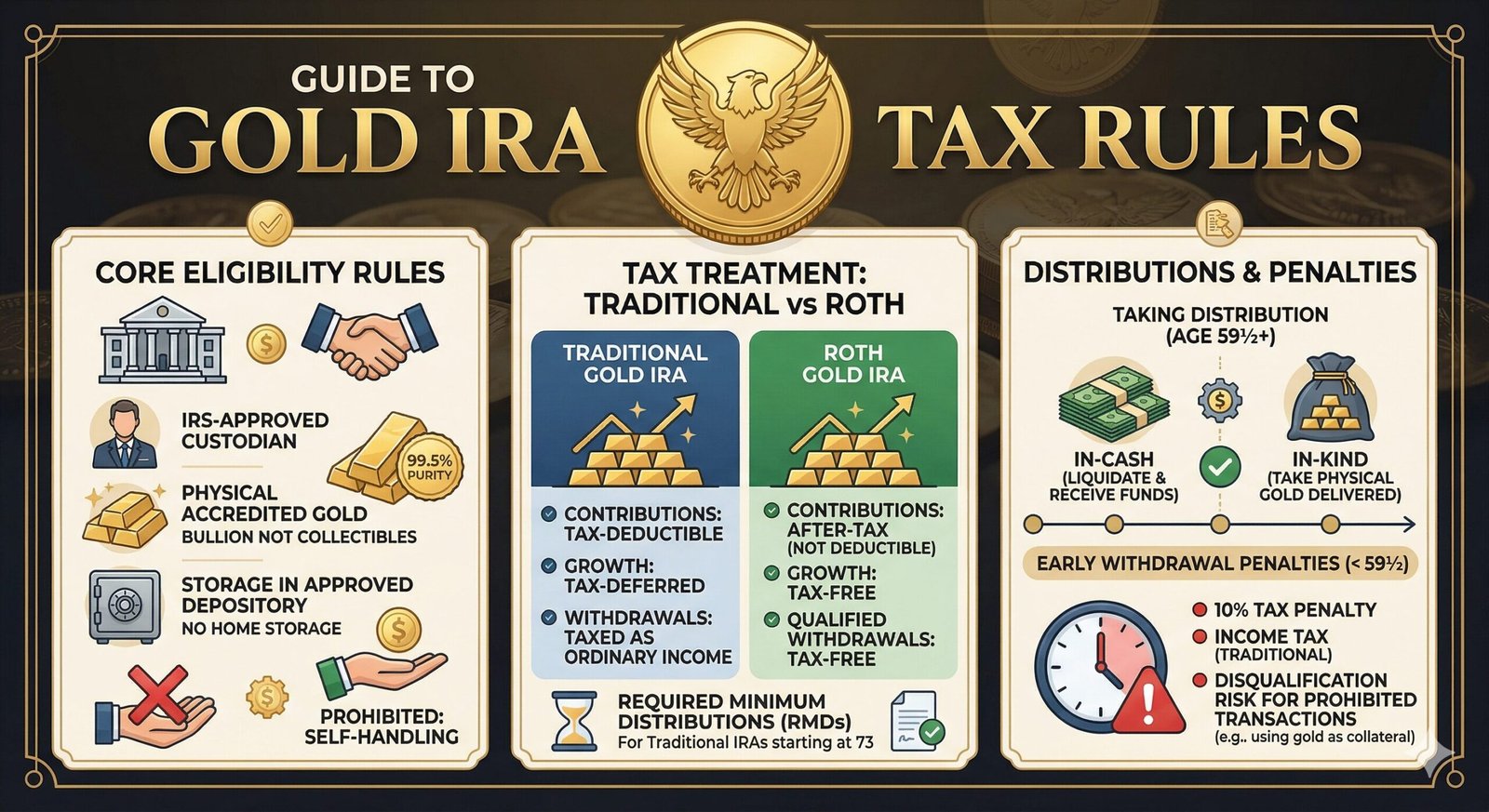
A Gold IRA is a self-directed Individual Retirement Account that holds IRS-approved physical precious metals — typically gold, silver, platinum, and palladium — rather than the stocks, bonds, or mutual funds found in a conventional IRA. The account operates under the same general IRS framework as a traditional IRA, meaning it carries the same contribution rules, distribution requirements, and tax treatment.
For a deeper understanding of the account structure, Gold IRAs Explained in Detail covers the mechanics, eligible assets, and custodian requirements thoroughly.
Pension holders — particularly those who are approaching retirement or who have left employers with defined-benefit plans — often find themselves with a lump-sum distribution option. When that option exists, it opens the door to rolling those funds into a self-directed IRA, including a Gold IRA.
Understanding the Two Main Pension Types
Before you can determine whether a rollover is possible, you need to understand what kind of pension you have.
Defined-Benefit Plans
A defined-benefit (DB) plan is the traditional employer-funded pension. It promises a set monthly payment when you retire, calculated using a formula based on years of service and salary history. These are common in government employment, unionized industries, and some large corporations.
With a defined-benefit plan, the pension is typically paid out as a monthly annuity — not as a lump sum. Once annuity payments have begun, the IRS does not allow you to roll those ongoing distributions into an IRA of any kind. However, if you have not yet started receiving payments, some defined-benefit plans offer a lump-sum buyout option before distributions begin. If your plan offers this and you elect the lump sum, that amount may be eligible for rollover into a Gold IRA — provided it qualifies as an “eligible rollover distribution” under IRS rules.
Defined-Contribution Plans (Including Pension-Style Accounts)
A defined-contribution (DC) plan — such as a 401(k), 403(b), or similar employer-sponsored account — is funded by employee and/or employer contributions into an individual account. The final balance depends on how much was contributed and how the investments performed over time.
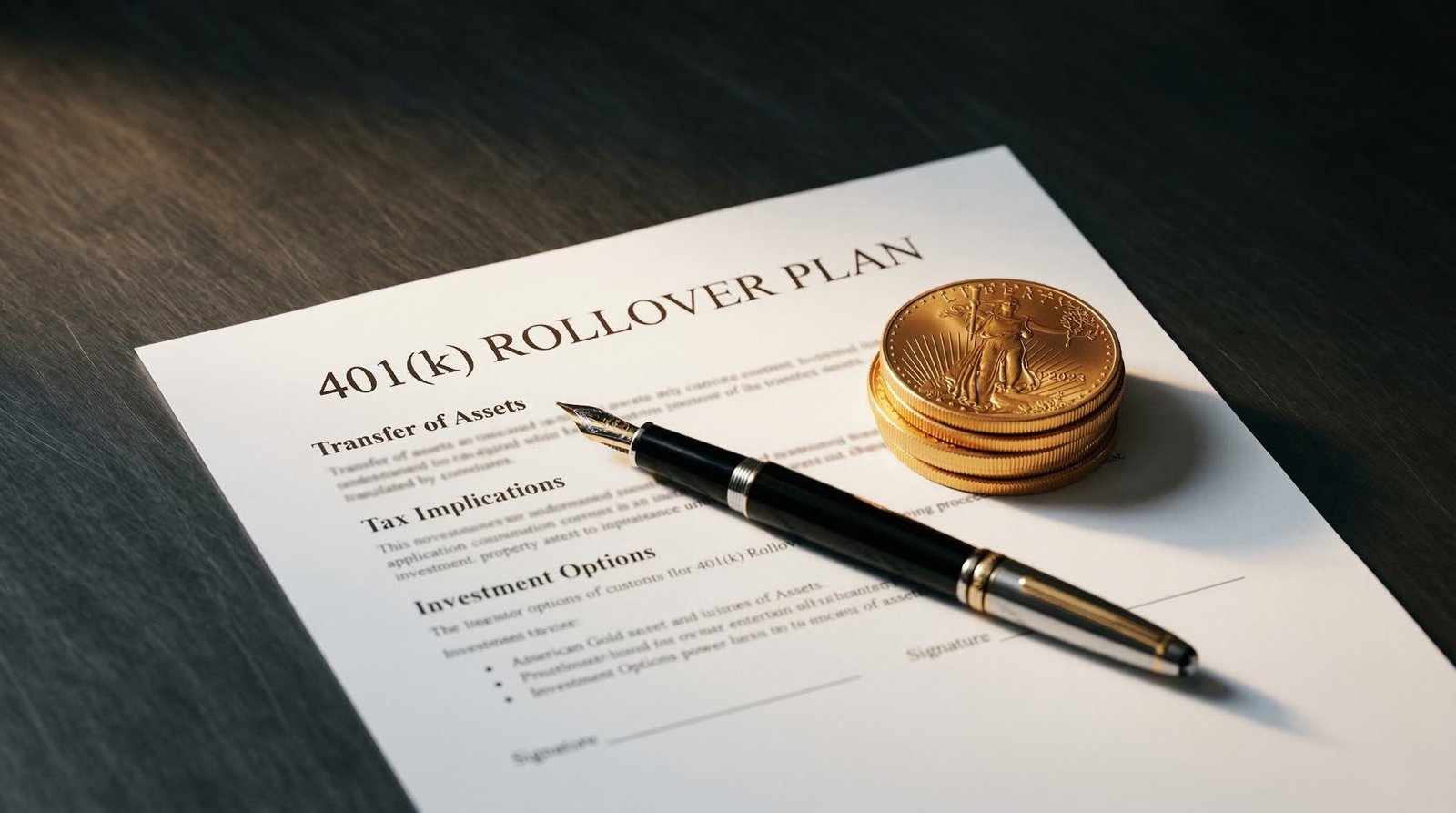
Many people use the word “pension” loosely to describe these accounts. If you have a 401(k) from a former employer, the rollover path to a Gold IRA is well-established. You can learn more in our 401(k) to Gold IRA rollover guide.
Can You Roll Over a Defined-Benefit Pension to a Gold IRA?
The short answer is: sometimes yes, but only under specific conditions.
According to IRS Publication 590-A, a rollover to a traditional IRA is permitted when a taxpayer receives an “eligible rollover distribution” from a qualified plan. A lump-sum distribution from a defined-benefit pension can qualify — but several conditions must be met:
- You must not have already started receiving annuity payments from the plan
- The plan must offer a lump-sum option (not all do)
- The rollover must be completed within 60 days of receiving the distribution, or executed as a direct rollover to avoid mandatory withholding
- You must meet the plan’s eligibility requirements to receive the lump sum (often triggered by leaving the employer, reaching a certain age, or plan termination)
It’s also worth noting that government pensions — such as those offered by state and local governments — may fall under different rules. Some government plans are not “qualified plans” under IRS Section 401(a), which can affect rollover eligibility. Reviewing the IRS IRA investment FAQ is a useful starting point, though speaking with a qualified tax professional is strongly recommended before taking any action.
The Rollover Process: How It Works Step by Step
If your pension qualifies for a rollover, the general process for moving funds into a Gold IRA follows a clear sequence.
Step 1: Confirm Your Pension’s Rollover Eligibility
Contact your pension plan administrator and ask directly whether a lump-sum distribution is available and whether it qualifies as an eligible rollover distribution. Get this in writing. Some plans will issue a summary plan description that outlines your options.
Step 2: Choose a Gold IRA Custodian
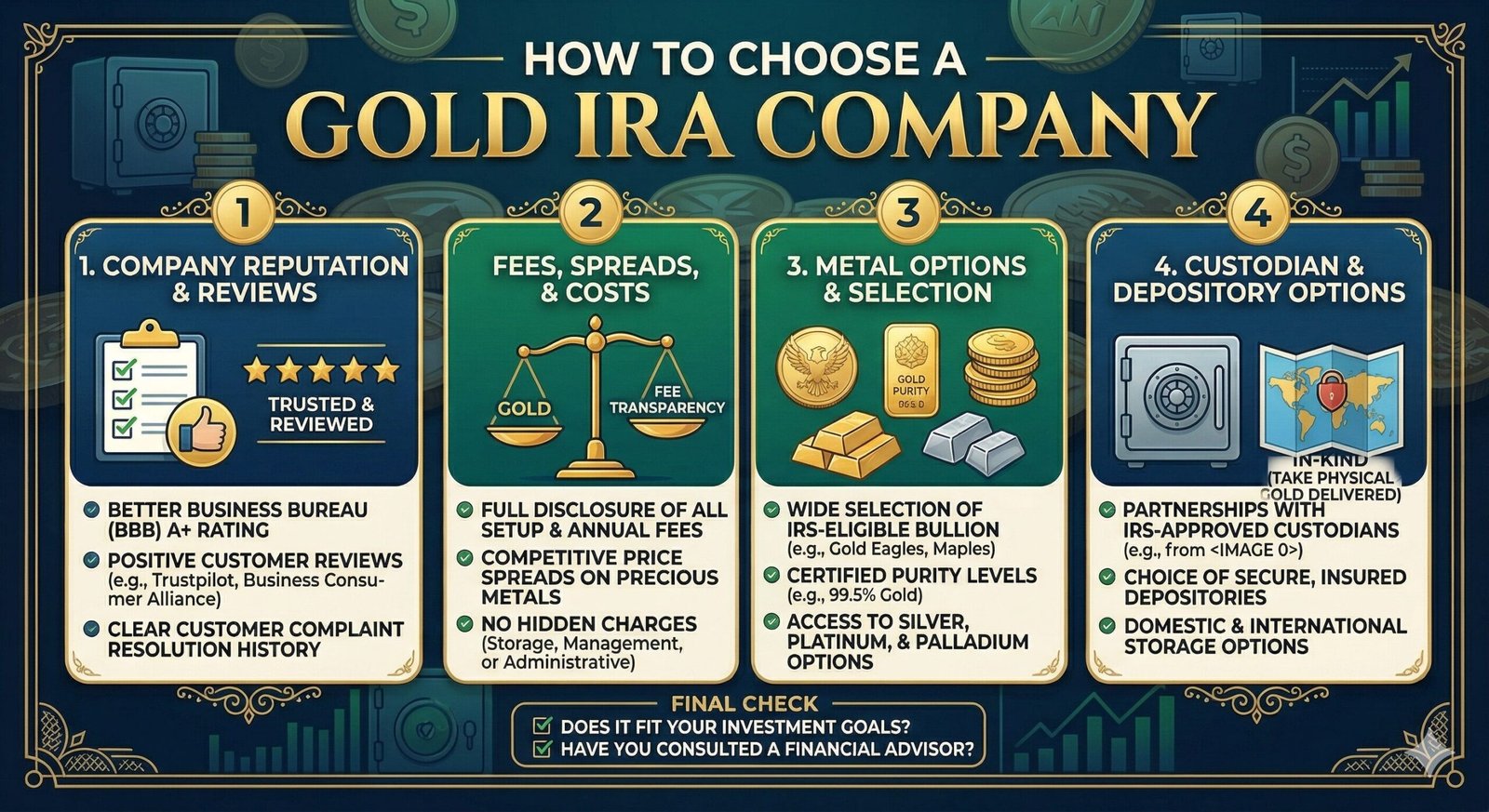
Gold IRAs must be held by an IRS-approved custodian — a bank, credit union, or trust company authorized to administer self-directed IRAs. The custodian handles the account paperwork, IRS reporting, and coordinates the storage of your physical metals with an approved depository. Choosing a reputable custodian is one of the most important decisions you’ll make. Our Best Gold IRA Companies of 2026 page can help you compare options.
When evaluating custodians, check their standing with the Better Business Bureau and review any available information through FINRA BrokerCheck. FINRA’s guidance on self-directed IRAs is also worth reading before you commit.
Step 3: Open the Gold IRA Account
Once you’ve selected a custodian, you’ll complete the account opening paperwork. This establishes your self-directed IRA and designates it to hold precious metals.
Step 4: Initiate the Rollover
You have two options here, and the method matters significantly.
A direct rollover is generally the cleaner approach. The distribution is sent directly from your pension plan to your new Gold IRA custodian, with the funds never touching your hands. This avoids mandatory 20% federal tax withholding that applies when funds are paid directly to you.
An indirect rollover means the funds are distributed to you personally, and you have 60 days to deposit them into the new IRA. If you miss the 60-day window, the distribution becomes taxable — and if you’re under 59½, a 10% early withdrawal penalty may also apply. Because of these risks, most financial professionals recommend requesting a direct rollover whenever possible.
For a full breakdown of the rules governing this process, our Gold IRA rollover rules page covers the IRS requirements in plain terms.
Step 5: Select Your Metals and Arrange Storage
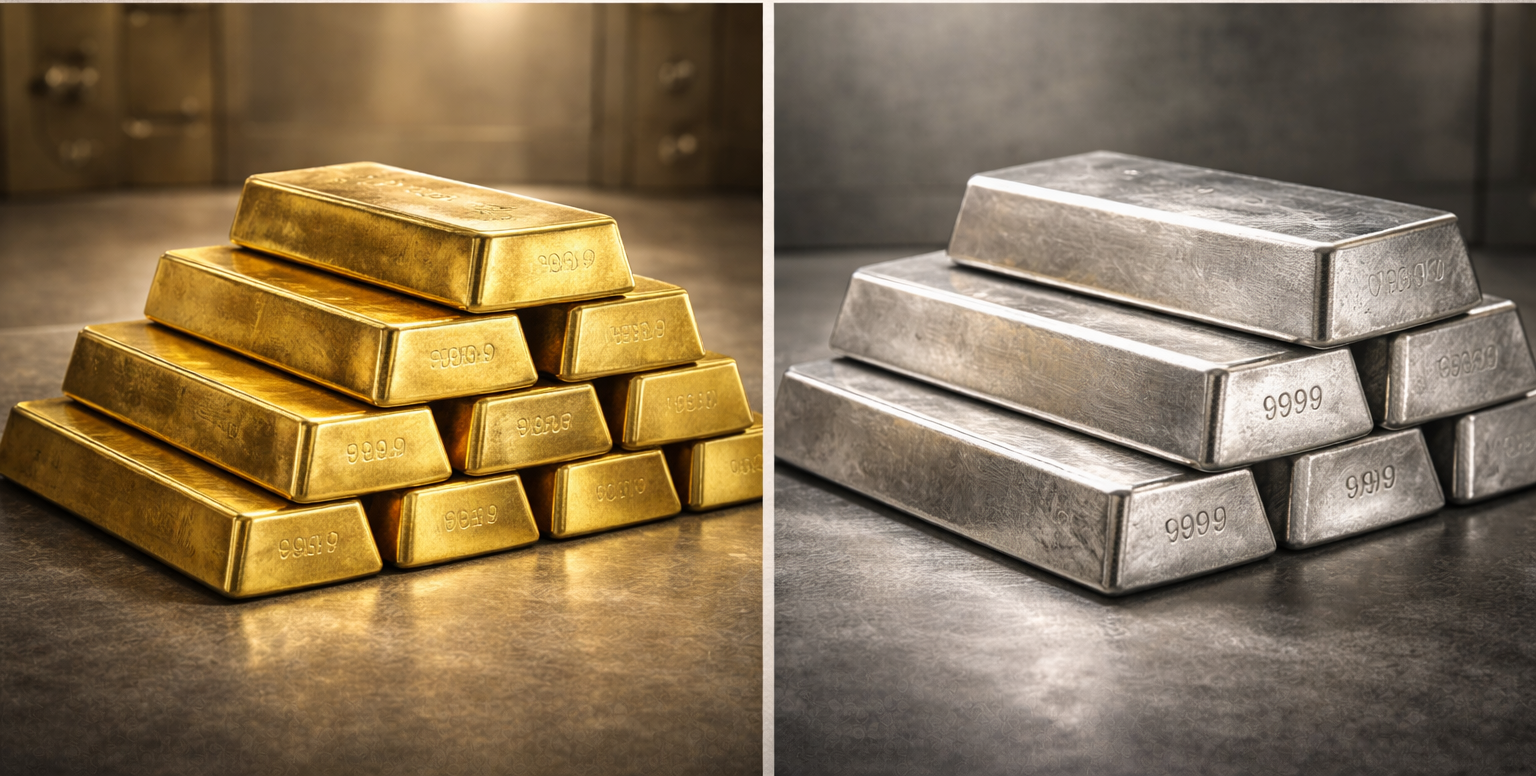
Once funds arrive in your Gold IRA, you work with your custodian and/or a precious metals dealer to purchase IRS-approved metals. Only metals meeting specific purity standards qualify — for gold, that’s a minimum fineness of .995. Our guide to IRA-eligible gold coins can help you understand which products meet the standard.
Your metals must be stored at an IRS-approved depository — not at home or in a personal safe. The custodian typically arranges this on your behalf.
Pension Rollover to Gold IRA: Key Rules at a Glance
Costs to Keep in Mind
Rolling a pension into a Gold IRA typically involves several layers of fees that don’t exist with conventional IRAs. These include custodian setup fees, annual account maintenance fees, storage fees charged by the depository, and dealer markups on metal purchases. Understanding these costs upfront is essential. Our Gold IRA fees guide breaks down what to expect and how fees vary between providers.
You should also check whether your pension plan charges any penalties or administrative fees for electing a lump-sum distribution. Some plans impose restrictions or fees, particularly for early elections.
What to Watch Out For
The Gold IRA industry, like any financial sector, has its share of bad actors. High-pressure sales tactics, misleading claims about “guaranteed” returns, and opaque fee structures are red flags worth knowing. Before committing to any company, review our Gold IRA scams guide and cross-reference any provider with the BBB and FINRA BrokerCheck.
The SEC investor resources page also provides useful context on self-directed IRAs and the risks they carry.
Frequently Asked Questions
Can I roll over an active pension I’m currently receiving monthly payments from?
No. Once monthly annuity payments have begun from a defined-benefit pension, the IRS does not permit those distributions to be rolled over into an IRA. The rollover option is only available before distributions begin, and only if your plan offers a lump-sum election.
Does rolling a pension into a Gold IRA count as a taxable event?
A properly executed direct rollover is generally not a taxable event — the funds move from one qualified account to another without being distributed to you. An indirect rollover can trigger taxation and penalties if not completed within the 60-day window. Because individual circumstances vary, consult a qualified tax advisor before initiating any rollover.
Are there minimum investment requirements for a Gold IRA?
Yes, most Gold IRA custodians and dealers set minimum investment thresholds, which typically range from $5,000 to $50,000 or more depending on the provider. Learn more on our Gold IRA minimum investment page.
Can I roll over a pension from a government job into a Gold IRA?
It depends. Federal government employees covered by FERS may have rollover options for certain account components. State and local government pensions operate under different rules and some may not qualify as eligible rollover distributions under IRS definitions. You’ll need to check directly with your plan administrator and verify with a tax professional.
How is a Gold IRA different from a traditional IRA for tax purposes?
A traditional Gold IRA follows the same tax structure as a conventional traditional IRA — contributions may be tax-deductible, growth is tax-deferred, and distributions in retirement are taxed as ordinary income. The key difference is the type of asset held, not the tax treatment. For a more complete comparison, see our Gold IRA vs Traditional IRA guide.
Ready to Take the Next Step?
Rolling a pension into a Gold IRA is a multi-step process with real IRS rules attached. Understanding those rules — and working with a reputable custodian — is essential. If you’re ready to compare providers, our Best Gold IRA Companies of 2026 page offers a curated look at the most established custodians in the market, evaluated across fees, service quality, and reputation.
This article is for informational purposes only and does not constitute financial or tax advice. Investing in precious metals involves risk including possible loss of principal.
Related guides
- Gold IRA Consumer Affairs Reviews: What to Look For
- Gold IRA Trustpilot Reviews: What Real Customers Say
- Gold IRA BBB Complaints: What Consumer Reports Reveal
- Is a Gold IRA Worth the Fees? A Cost-Benefit Analysis
- Are Gold IRA Fees Too High? Breaking Down the Real Costs
- Gold IRA Mistakes to Avoid: 10 Common Errors Investors Make