
Why Invest in a Gold IRA? Key Reasons Investors Choose Precious Metals
For many Americans approaching retirement, the question of how to structure a long-term savings strategy becomes increasingly pressing — and increasingly personal. Over the past decade, a growing number of investors aged 45 and older have begun exploring Gold Individual Retirement Accounts as one piece of a broader retirement picture. But the obvious question remains: why invest in a Gold IRA at all?
This article doesn’t tell you what to do with your money. What it does is walk you through the factual landscape — what a Gold IRA actually is, how it works, what draws investors to it, and what the tradeoffs look like. From there, you’re in a much better position to have an informed conversation with a qualified financial advisor.
What a Gold IRA Actually Is
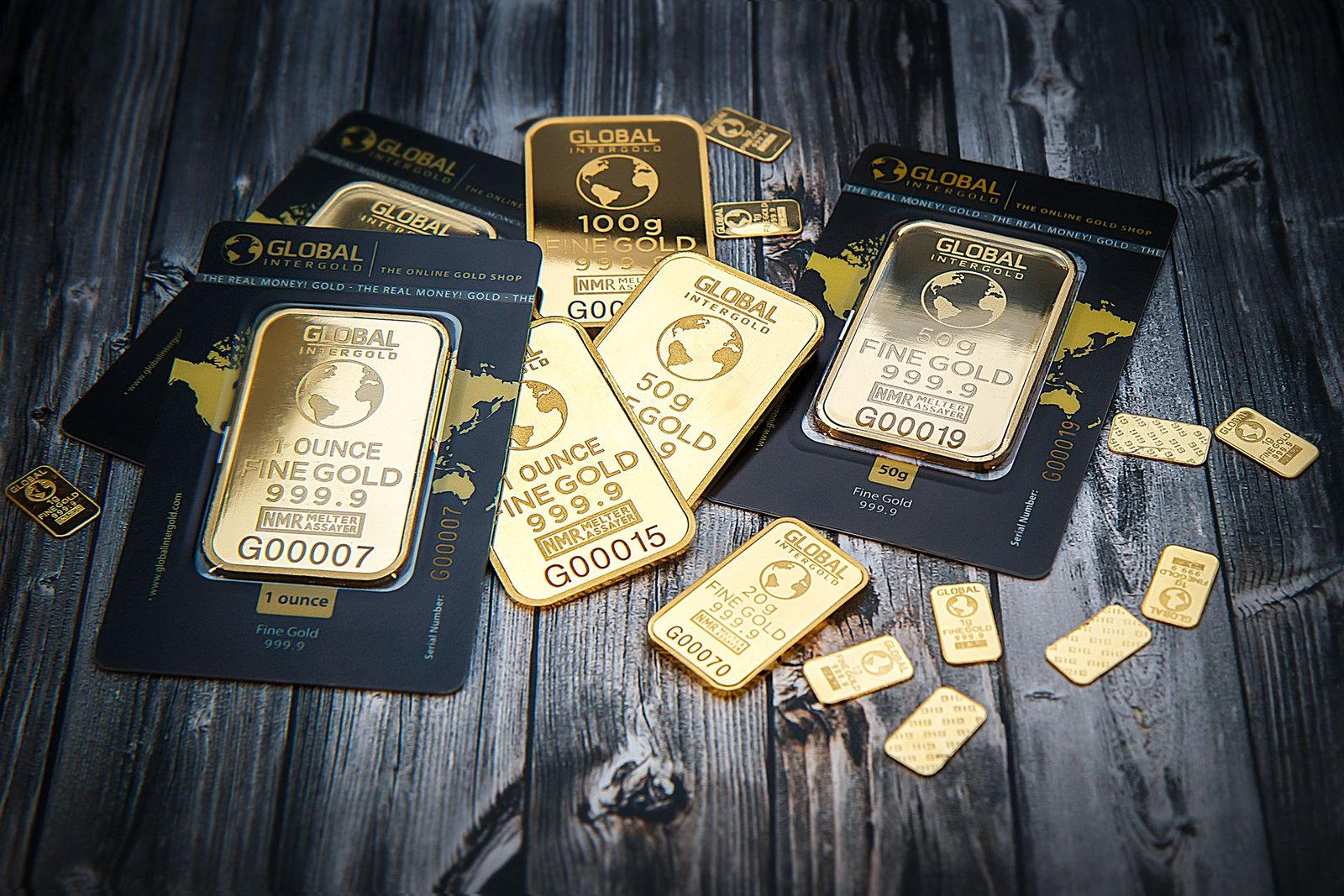
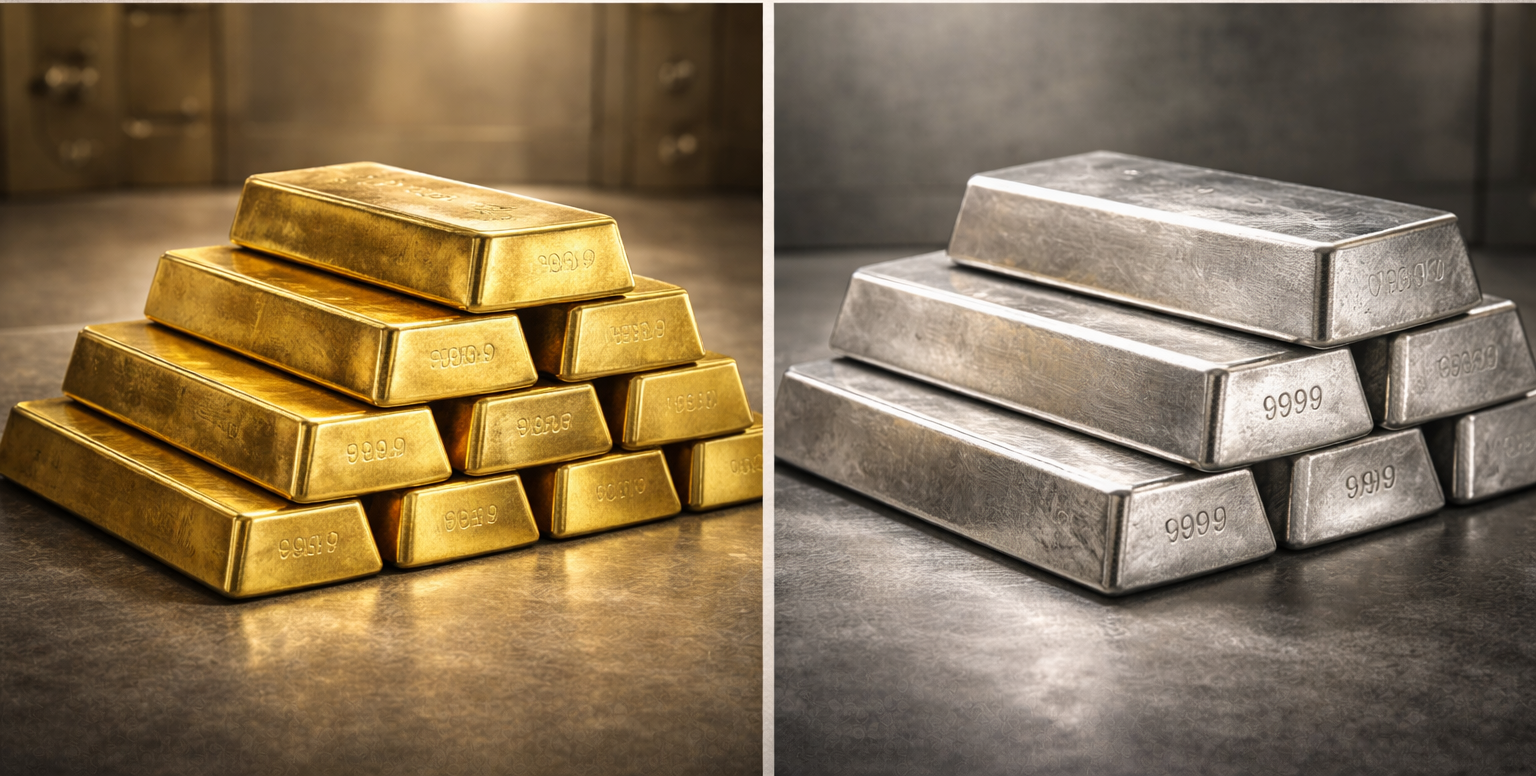
Before weighing the reasons investors choose Gold IRAs, it helps to understand what you’re actually looking at. A Gold IRA is a self-directed individual retirement account that holds physical precious metals — most commonly gold, but also silver, platinum, and palladium — rather than the paper-based assets that typically populate a conventional IRA.
The IRS sets strict rules about which metals qualify. Gold must meet a minimum fineness of .995 to be eligible for inclusion. That means popular collector coins like the South African Krugerrand don’t qualify, while government-issued bullion coins like the American Gold Eagle and Canadian Gold Maple Leaf do. You can explore a full breakdown of IRA-eligible gold coins to understand which products meet the standard.
Because Gold IRAs are self-directed, they operate through a specialized custodian — not a conventional brokerage — and the physical metals must be stored in an IRS-approved depository. You cannot take personal possession of the metals while they remain inside the IRA without triggering what the IRS treats as a distribution. For a thorough walkthrough of the mechanics, our Gold IRAs Explained in Detail page is a good starting point.
FINRA also offers guidance on self-directed IRAs that’s worth reviewing before you proceed — particularly around the due diligence required when selecting custodians and dealers.
Why Investors Are Drawn to Gold IRAs
This is the real question, and the honest answer is: different investors come to Gold IRAs for different reasons. There is no single motivation that applies universally, and no outcome that can be promised. What follows are the most commonly cited reasons, explained factually and without embellishment.
Physical Asset Ownership Within a Tax-Advantaged Structure
One of the more distinctive features of a Gold IRA is that it allows investors to hold a tangible asset — physical gold — within the same tax-advantaged framework as a traditional or Roth IRA. For investors who have philosophical comfort in owning something real and physical, as opposed to a share certificate or a fund unit, this matters.
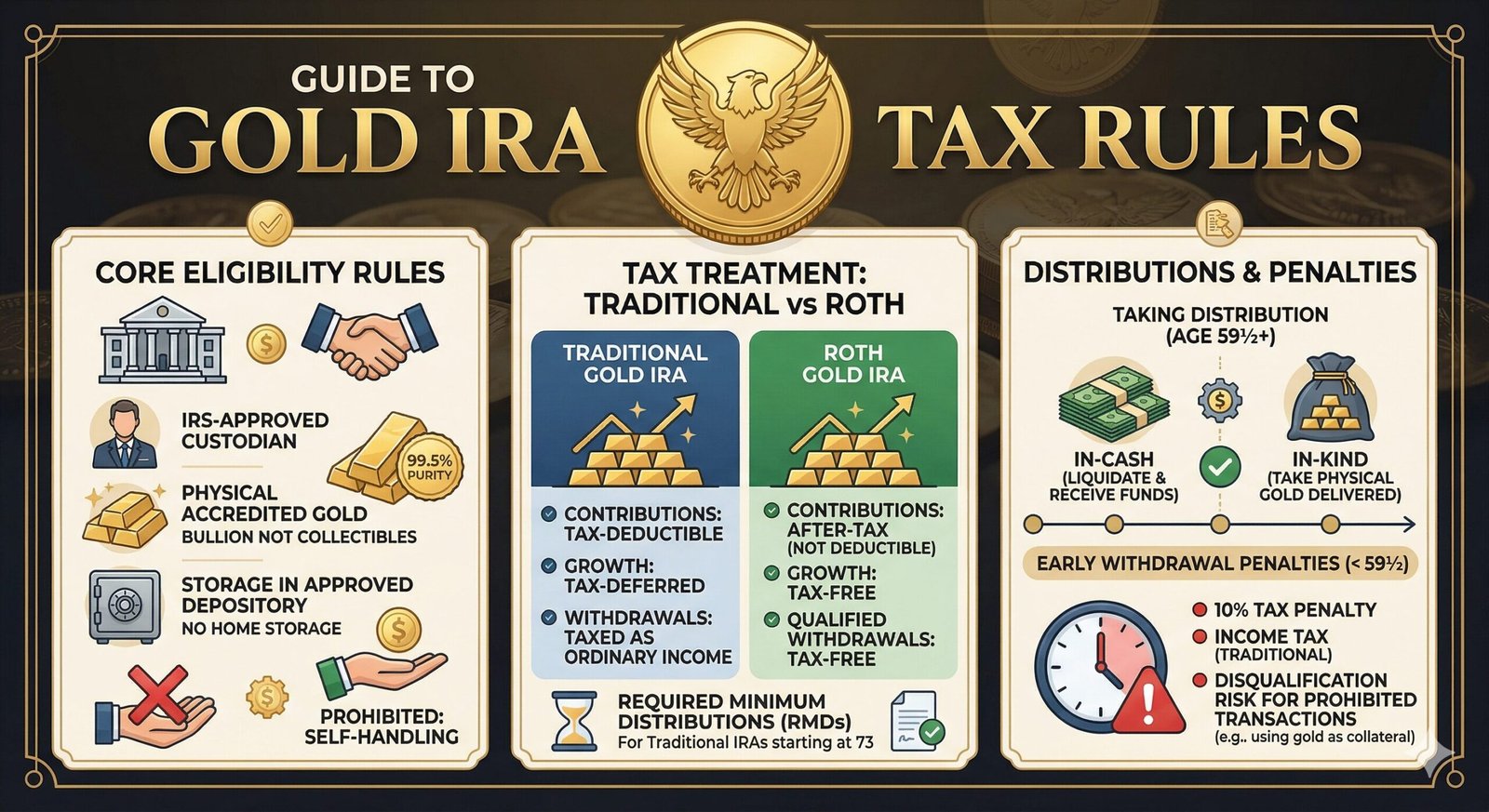
Depending on whether the account is structured as a traditional or Roth Gold IRA, contributions may be tax-deductible or growth may be tax-free upon qualified withdrawal. The IRS outlines these structures clearly in IRS Publication 590-A, and the SEC’s investor resources also provide useful background on how retirement account types differ.
It’s important to understand that the tax treatment of a Gold IRA mirrors that of its conventional counterpart — the underlying asset is different, but the IRS framework is the same. Our Gold IRA vs Traditional IRA comparison goes into more depth on these structural differences.
Gold’s Historical Role as a Store of Value
Gold has been recognized as a store of value across civilizations and centuries. That’s not a marketing claim — it’s a historical observation. Investors who are drawn to Gold IRAs often point to gold’s track record of maintaining purchasing power over very long time horizons.
That said, past performance is not a guarantee of future results. Gold prices fluctuate, sometimes significantly, and there have been extended periods in modern history where gold delivered flat or negative real returns. Anyone suggesting otherwise is not giving you the full picture.
What investors often find meaningful is that gold has historically moved through different economic cycles than many other asset classes — not always in opposite directions, not always predictably, but with enough of a distinct pattern that some investors find it worth including in their retirement planning conversations.
Concerns About Currency and Purchasing Power
A recurring theme among investors who choose Gold IRAs is concern about the long-term purchasing power of the U.S. dollar. This isn’t a fringe view — it’s a legitimate financial consideration that economists and policymakers actively debate.
When investors worry that inflation may erode the real value of dollar-denominated savings over a 20- or 30-year retirement horizon, some look to gold as an asset that has historically maintained value in environments of currency stress. We want to be clear: this is not a prediction about future inflation or future gold prices. It’s an explanation of the reasoning investors bring to the table. Whether that reasoning applies to your situation is a question for a qualified professional.
A Sense of Independence From Financial System Complexity
Some retirement investors are simply more comfortable with assets they can understand intuitively. The mechanics of derivative instruments, leveraged ETFs, or complex bond structures can feel opaque. Physical gold, by contrast, is a metal you can conceptually grasp — even if you can’t hold it personally while it’s inside an IRA.
This psychological dimension shouldn’t be dismissed. Investor behavior research consistently shows that people who understand their holdings are more likely to stay the course through periods of volatility, which matters enormously in long-term retirement outcomes.
What Investors Need to Know Before Opening a Gold IRA
Interest in Gold IRAs is reasonable. Rushing into one without understanding the practical realities is not. Here are the key facts every prospective investor should have before proceeding.
Fees Are Higher Than a Conventional IRA
Gold IRAs carry costs that conventional IRAs don’t. These typically include a custodian setup fee, annual storage and administration fees charged by the IRS-approved depository, and sometimes transaction fees when you buy or sell metals. Our Gold IRA fees guide covers these in detail so you know what to expect and how to compare providers.
Contribution and Rollover Rules Apply
The same annual contribution limits that apply to conventional IRAs apply to Gold IRAs. For 2024, those limits are $7,000 per year ($8,000 if you’re 50 or older), as outlined at the IRS contribution limits page.
Many investors fund their Gold IRA through a rollover from a 401(k) or existing IRA rather than through annual contributions. If you’re considering that path, the Gold IRA rollover rules and our 401(k) to Gold IRA rollover guide will walk you through what’s permitted and what the IRS requires.
Required Minimum Distributions Still Apply
If your Gold IRA is structured as a traditional account (pre-tax), you will be subject to required minimum distributions starting at age 73 under current IRS rules. Because your assets are physical metals rather than cash, this can create logistical complexity — either the metals must be liquidated, or you can take an in-kind distribution, which has its own valuation and tax implications. The IRS RMD FAQ is the authoritative source on how these rules work.
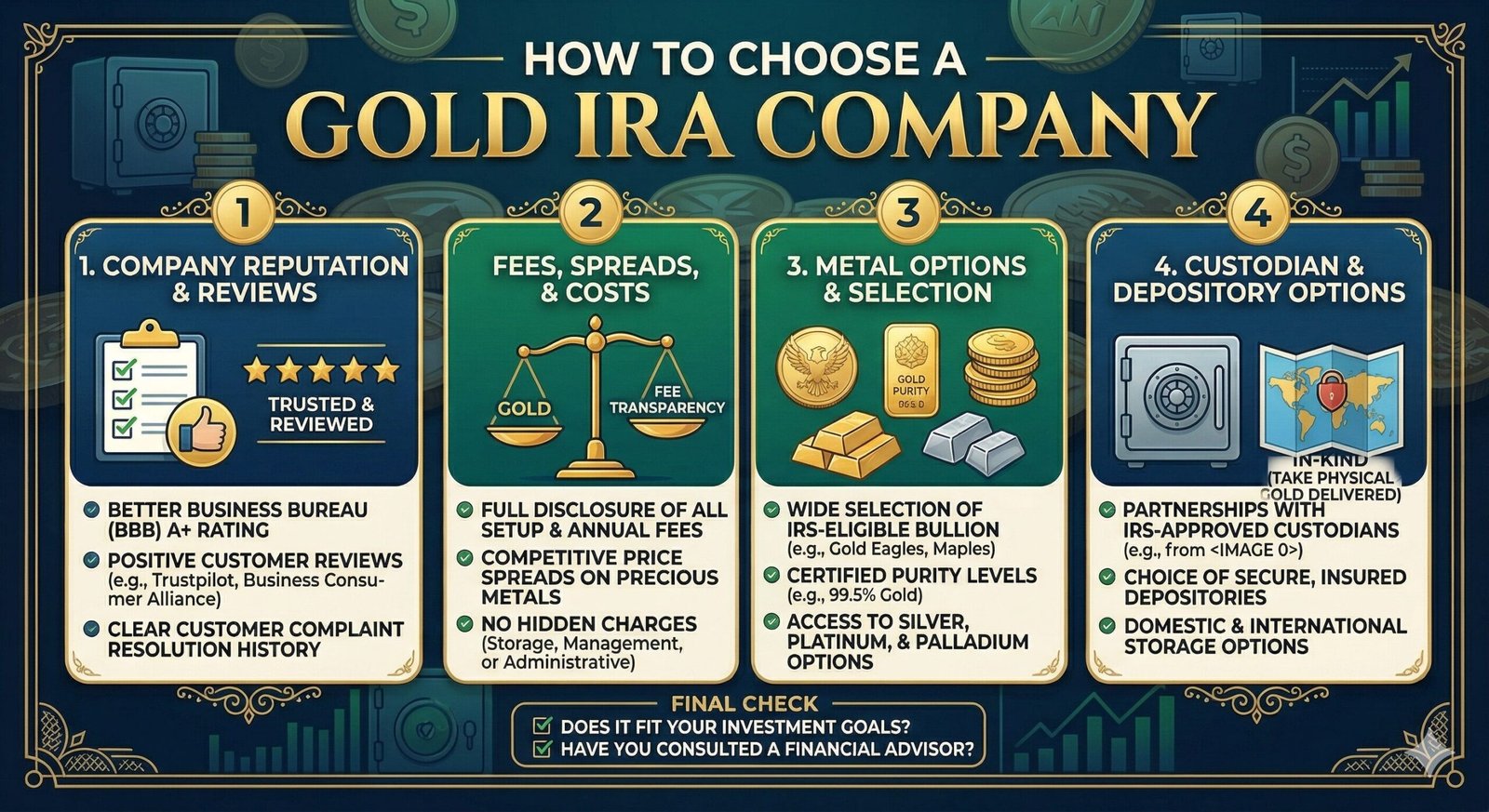
Choosing the Right Company Matters Enormously
The Gold IRA industry is not uniformly well-regulated, and not all providers operate with the same level of transparency or integrity. Due diligence is essential. Checking ratings on bbb.org and reviewing custodian credentials through FINRA BrokerCheck are useful starting points. Our Gold IRA scams guide is also required reading before you engage with any provider.
Gold IRA vs. 401(k): A Quick Structural Comparison
For a deeper comparison of these two account types, see our Gold IRA vs 401(k) guide.
How to Assess Whether a Gold IRA Is Worth Exploring
The honest answer to “why invest in a Gold IRA” is that it depends entirely on your financial situation, your retirement timeline, your risk tolerance, and your broader goals. No article — including this one — can tell you whether a Gold IRA belongs in your retirement strategy.
What we can tell you is that understanding what a Gold IRA is and how it functions is the necessary first step. From there, working with a licensed financial advisor who has experience in self-directed retirement accounts is strongly recommended before making any decisions.
If you’ve already done your research and are ready to compare providers side by side, our is a Gold IRA a good idea page examines the considerations more critically, and the Gold IRA minimum investment guide explains the entry thresholds different companies set.
Frequently Asked Questions
Q: Is a Gold IRA the same as buying gold stocks or a gold ETF?
No. A Gold IRA holds physical precious metals — actual bullion coins or bars — stored in an IRS-approved depository. Gold stocks represent ownership in mining companies, and gold ETFs track the price of gold without providing ownership of physical metal. These are structurally and legally different products.
Q: Can I roll over my existing 401(k) into a Gold IRA without paying taxes?
A properly executed direct rollover from a 401(k) to a Gold IRA is generally not a taxable event. However, the specific rules depend on your plan type, how the rollover is processed, and your individual tax situation. The IRS has detailed rules governing this process, and consulting a tax professional before initiating a rollover is advisable.
Q: What types of gold can I hold in a Gold IRA?
The IRS requires gold held in an IRA to meet a minimum fineness of .995. Eligible products include American Gold Eagles, Canadian Gold Maple Leafs, and certain gold bars from approved refiners. Collectible coins and jewelry do not qualify. See our full guide to IRA-eligible gold coins for a complete breakdown.
Q: Are the fees for a Gold IRA significantly higher than a regular IRA?
Generally, yes. Gold IRAs involve setup fees, annual custodian fees, and storage fees that conventional IRAs don’t carry. These costs vary by provider and can add up meaningfully over time. Reviewing our Gold IRA fees guide before committing to any provider is strongly recommended.
Q: How do I know if a Gold IRA company is legitimate?
Start with third-party verification: check the company’s rating and complaint history at bbb.org and verify custodian credentials through FINRA BrokerCheck. Avoid companies that pressure you to act quickly, make performance guarantees, or discourage you from seeking independent advice. Our Gold IRA scams guide covers the warning signs in detail.
If you’re ready to take the next step and compare the top-rated providers in the industry, visit our independently researched guide to the Best Gold IRA Companies of 2026 for a side-by-side overview of fees, minimums, reputation, and more.
This article is for informational purposes only and does not constitute financial or tax advice. Investing in precious metals involves risk including possible loss of principal.
Related guides
- Gold IRA Consumer Affairs Reviews: What to Look For
- Gold IRA Trustpilot Reviews: What Real Customers Say
- Gold IRA BBB Complaints: What Consumer Reports Reveal
- Is a Gold IRA Worth the Fees? A Cost-Benefit Analysis
- Are Gold IRA Fees Too High? Breaking Down the Real Costs
- Gold IRA Mistakes to Avoid: 10 Common Errors Investors Make