Why Is Gold So Expensive? Understanding Gold’s Value
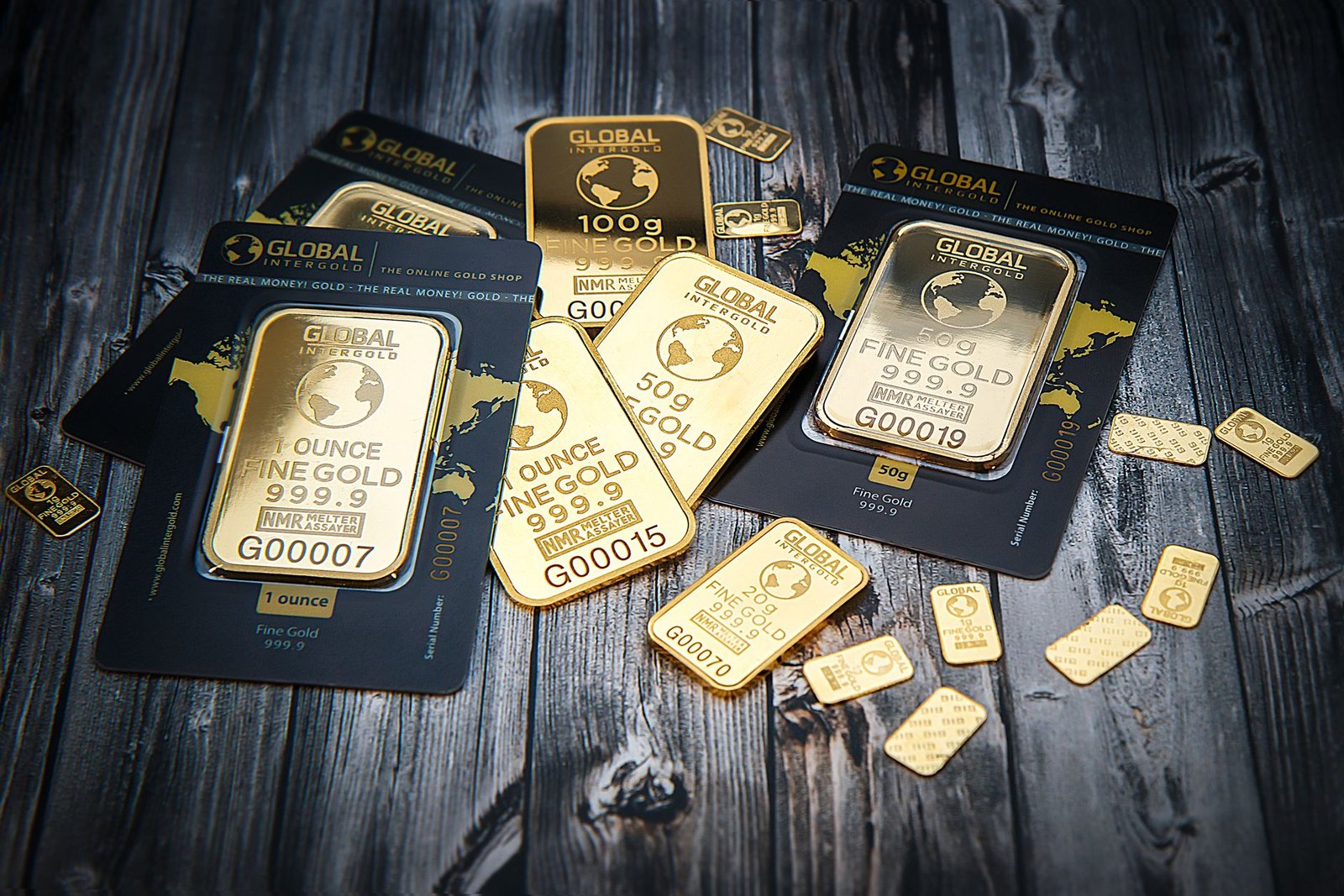
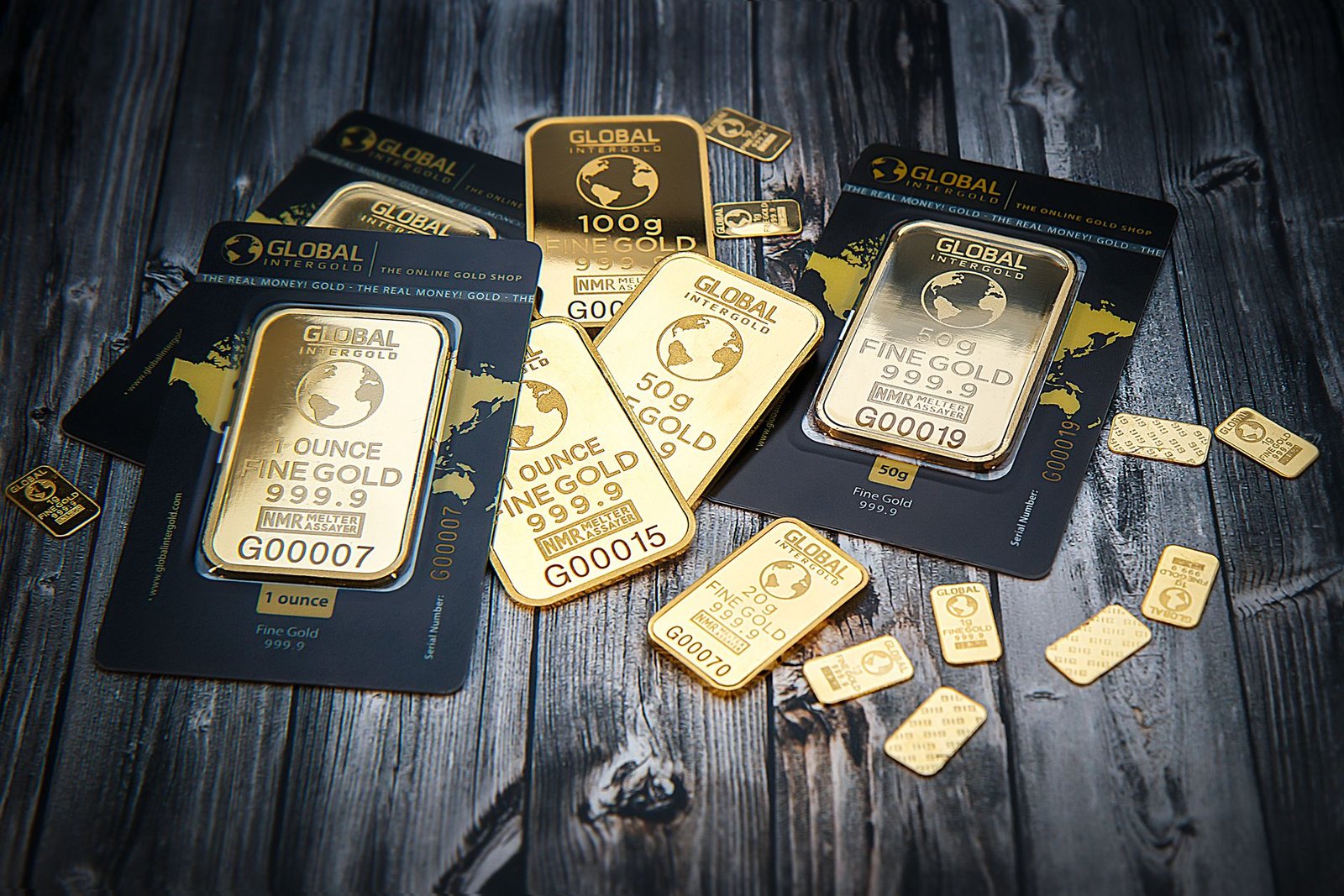
Gold has fascinated civilizations for thousands of years, and today it commands prices that regularly surprise first-time investors. At the time of writing, gold trades at well over $2,000 per troy ounce — a figure that prompts an obvious question from anyone new to the space: why does a shiny metal cost so much?
The answer is not simple, and it is not just about scarcity. Gold’s price reflects a layered combination of geological rarity, the immense cost of extracting it, centuries of monetary history, industrial and cultural demand, and the way global financial markets price assets. Understanding these forces gives you a clearer picture of what gold actually represents — and why its value has persisted across time in a way that few other commodities have managed.
This article walks through each of those factors in plain language. It is not investment advice, and it will not tell you whether gold is right for your financial situation. What it will do is give you a solid foundation for understanding one of the world’s most closely watched assets.
Gold Is Genuinely Rare — But Not in the Way Most People Think
When people hear “gold is rare,” they often picture a metal that barely exists. In reality, gold is present throughout the Earth’s crust — just in extremely low concentrations. The challenge is not finding gold; it is finding it in quantities large enough to make mining economically viable.
Geologists estimate that all the gold ever mined throughout human history would fit into roughly three and a half Olympic-sized swimming pools. That is an astonishing figure when you consider how long civilizations have been extracting it. New mining adds only modest amounts each year — global mine production typically runs between 3,000 and 3,500 metric tonnes annually — and that figure has not dramatically expanded despite advances in technology.
This is a key point: unlike most commodities, the total supply of gold grows very slowly. You cannot simply ramp up a factory to produce more of it. The physical scarcity of accessible, economically mineable gold deposits creates a genuine supply ceiling that has underpinned its value for millennia.
The True Cost of Mining Gold
Even when gold deposits are found, extracting them is an expensive, technically demanding, and time-consuming process. Modern gold mining operations can take a decade or more from initial discovery to first production, requiring massive capital investment in equipment, infrastructure, environmental compliance, and labor.
Industry analysts use a metric called the All-In Sustaining Cost (AISC) to capture what it actually costs a mining company to produce one ounce of gold. For many major producers, that figure currently sits between $1,200 and $1,400 per ounce — and that is before accounting for corporate overhead, taxes, or capital expenditures on new mine development. Smaller, higher-cost operations frequently exceed that range.
The practical implication is clear: if the market price of gold were to fall significantly below those production costs, mining companies would begin curtailing or shutting down operations, which would reduce supply and tend to support prices over time. The cost of production acts as a structural floor beneath the market price, even though prices can move above or below that floor in the short term.
Centuries of Monetary History Have Embedded Gold’s Value
Gold’s price today cannot be fully understood without appreciating its monetary history. For most of recorded history, gold was money — or at the very least, it backed money. The gold standard, which tied national currencies to defined quantities of gold, shaped global finance from the 19th century until the United States officially abandoned it in 1971 under President Nixon.
Even after the gold standard ended, gold retained its role as a recognized store of value. Central banks around the world continue to hold significant gold reserves to this day. According to the World Gold Council, central banks collectively hold more than 35,000 metric tonnes of gold — and in recent years, institutions in countries including China, India, Poland, and Turkey have been actively adding to their reserves.
This institutional demand is not sentimental. Central banks hold gold because it is an asset with no counterparty risk — meaning its value does not depend on any government’s promise to pay, any corporation’s solvency, or any currency’s stability. That characteristic has made gold a persistent feature of global reserve management, and it contributes meaningfully to the sustained price floor that gold enjoys.
Industrial and Cultural Demand Adds a Layer of Consistent Buying
Gold is not purely a financial asset. It has genuine industrial and cultural demand that operates independently of investment markets.
Industrial Applications
Gold is an exceptional conductor of electricity and is highly resistant to corrosion, making it indispensable in electronics manufacturing. It is used in smartphones, computers, medical devices, and aerospace components. Although the quantities involved per device are small, the sheer scale of global electronics production translates into a meaningful and relatively stable demand stream.
Jewelry and Cultural Significance
Jewelry accounts for roughly half of annual global gold demand, with India and China representing the largest markets. In both countries, gold jewelry carries deep cultural significance — it is given at weddings, religious festivals, and family milestones in ways that make it far more than an ornament. This cultural demand tends to be relatively price-inelastic; buyers in these markets purchase gold jewelry not primarily as financial speculation but as tradition and family wealth storage.
How Financial Markets Amplify Gold’s Price
Beyond physical supply and demand, gold is actively traded in financial markets through futures contracts, exchange-traded funds (ETFs), options, and other instruments. This financial market activity significantly amplifies the price signals generated by the physical market.
When large institutional investors, sovereign wealth funds, or hedge funds increase their exposure to gold — whether through physical holdings or paper instruments — that buying pressure can move prices substantially. Similarly, shifts in the U.S. dollar’s strength have a well-documented relationship with gold prices, since gold is priced globally in dollars. A weaker dollar tends to make gold more affordable for buyers using other currencies, which can stimulate demand.
It is worth noting that these market dynamics mean gold’s price can be volatile in the short term, even if its long-run value has historically shown persistence. Past performance is not a guarantee of future results, and nothing in this article should be read as a prediction of where gold prices are headed.
Gold vs. Other Precious Metals: A Quick Comparison
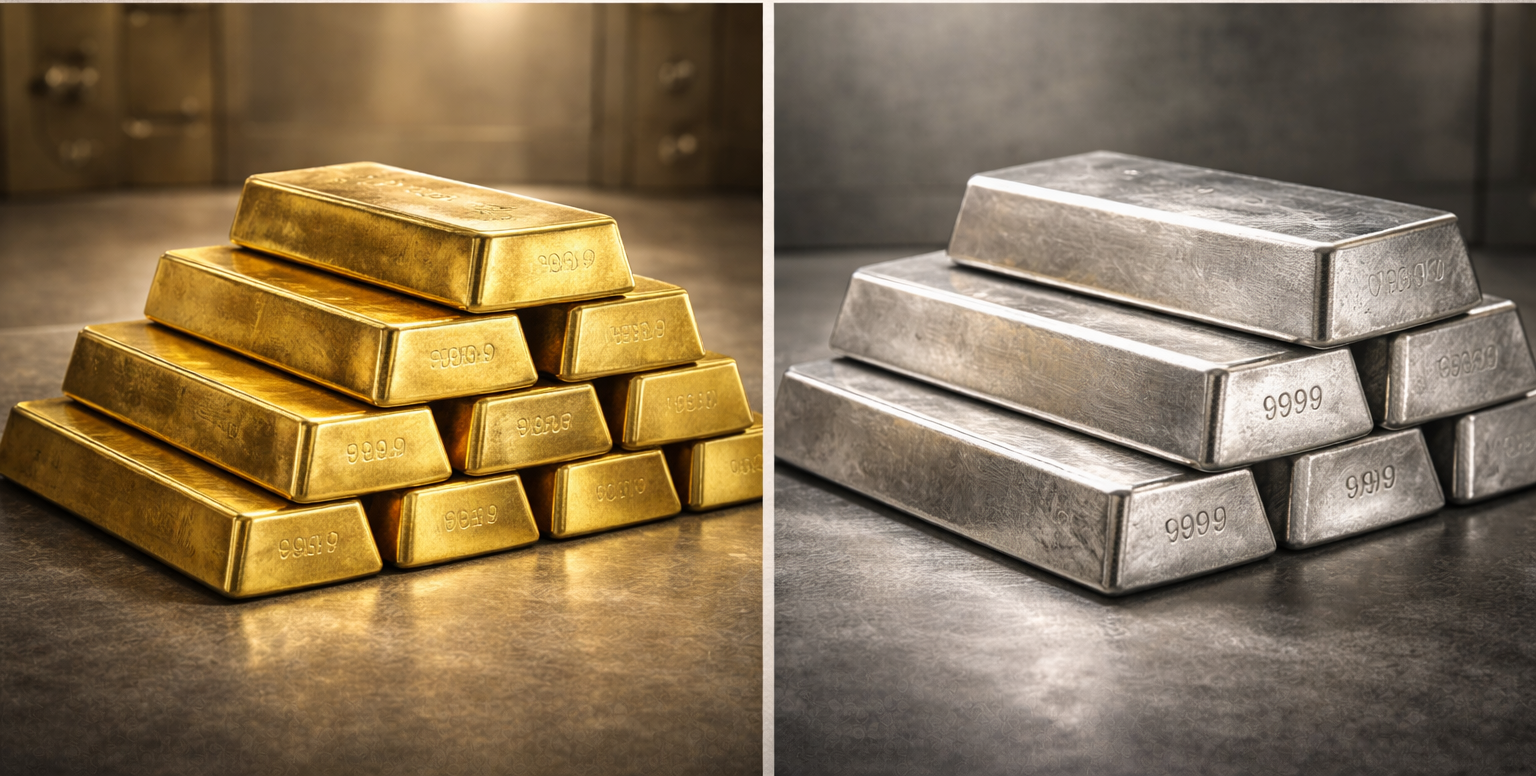
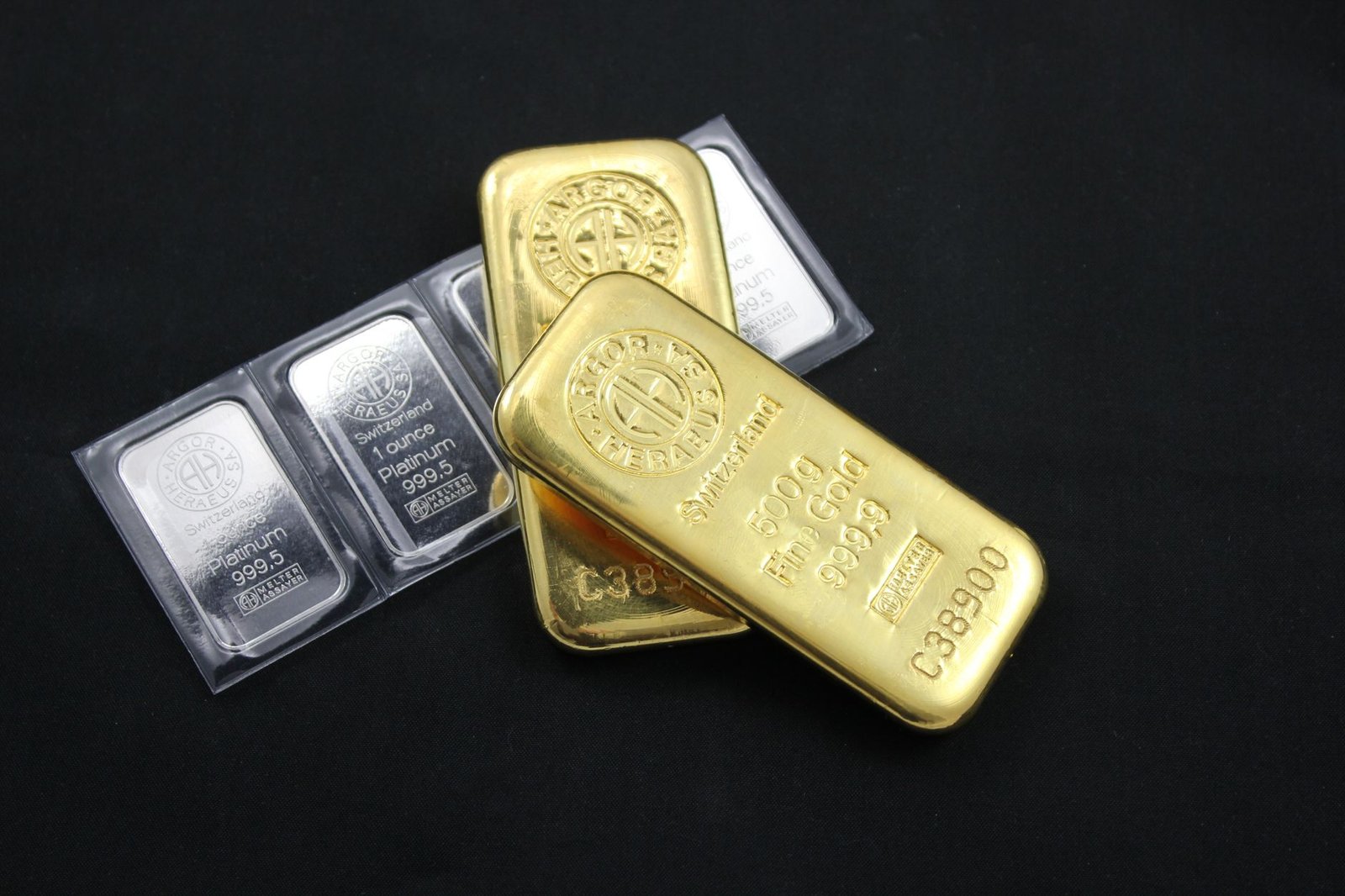
Gold is the most expensive of the widely traded precious metals, but it is worth understanding how it compares to silver and platinum, both of which are relevant for investors considering a Gold IRA.
Note: Price ranges are approximate and reflect recent market conditions. Precious metals prices fluctuate daily.
Gold commands a significant premium over silver in part because its annual supply is far more constrained relative to investment demand, and because of its unique monetary history and central bank purchasing. Platinum is rarer than gold in terms of annual mine output but trades at a lower price — a reminder that scarcity alone does not determine price; perceived value, demand structure, and market depth all play important roles.
What This Means for Retirement Investors
If you are exploring gold as part of your retirement planning, understanding why gold has its value is a logical starting point. Many retirement investors aged 50 and older have become interested in Gold IRAs — tax-advantaged retirement accounts that hold physical gold and other IRS-approved precious metals rather than paper assets.
Before exploring that path, it is worth reviewing our Gold IRAs Explained in Detail resource, which covers the full mechanics of how these accounts work. You can also read our 401(k) to Gold IRA rollover guide if you are considering moving existing retirement funds, and our Gold IRA rollover rules page for the IRS requirements you need to understand before taking any action.
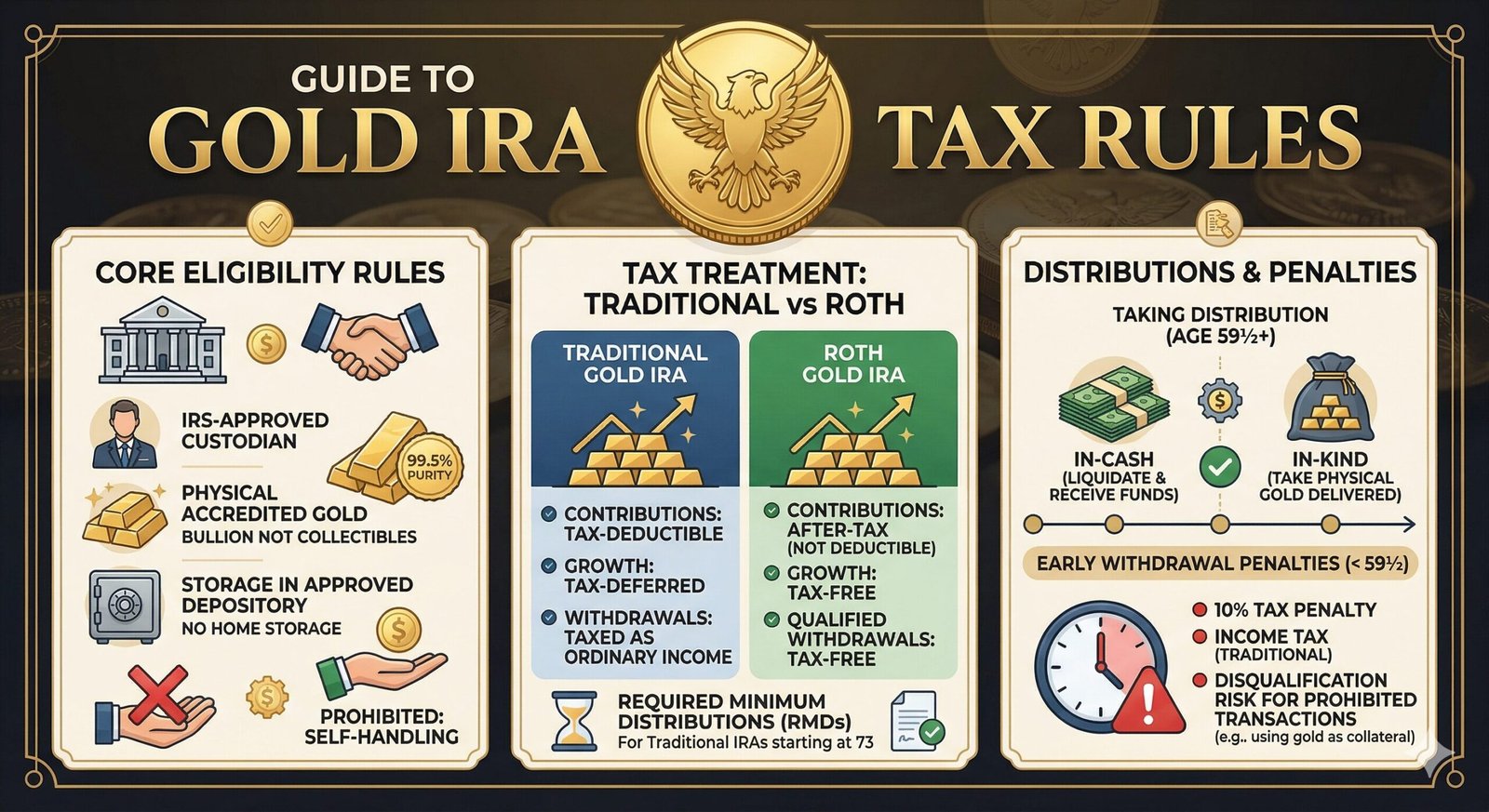
The IRS has specific rules about which gold products qualify for IRA inclusion. You can review the official requirements in IRS Publication 590-A and the IRS IRA investment FAQ. Generally, gold must meet a minimum fineness of 99.5% to be IRA-eligible — our guide to IRA-eligible gold coins covers the specific products that qualify.
It is also worth reviewing our Gold IRA fees guide before making any decisions, since custodian fees, storage costs, and account setup fees can vary significantly between providers. FINRA’s guidance on self-directed IRAs is also a useful independent resource for understanding the regulatory landscape.
Frequently Asked Questions
Why has gold been valuable for thousands of years when most commodities have not retained the same status?
Gold has a unique combination of properties that made it a natural store of value across cultures that had no contact with each other: it does not corrode, it is divisible, it is recognizable, it is rare enough to be scarce but common enough to circulate, and it cannot be manufactured. Those physical properties, combined with millennia of use as money and adornment, created a self-reinforcing perception of value that has proven remarkably durable.
Does gold’s price just reflect inflation?
Not entirely. While gold’s price tends to move over long periods in ways that reflect the purchasing power of the dollar, its price is also influenced by investment demand, central bank buying, industrial consumption, currency movements, and market sentiment. The relationship between gold and inflation is real but not mechanical — prices can diverge from inflation expectations for extended periods.
Is gold’s price set by anyone in particular?
Gold is priced through global markets operating 24 hours a day across trading centers in London, New York, Zurich, Shanghai, and elsewhere. The London Bullion Market Association (LBMA) administers a twice-daily benchmark known as the LBMA Gold Price, which is widely used as a reference. No single entity controls the price; it is determined by the aggregate of buyers and sellers across these interconnected markets.
Why is gold priced in troy ounces rather than regular ounces?
The troy ounce is a unit of measure with roots in medieval European trade and has been the standard for precious metals for centuries. A troy ounce is approximately 31.1 grams, compared to the standard avoirdupois ounce of 28.35 grams. When you see gold quoted at a price “per ounce,” it always refers to a troy ounce in the precious metals context.
Can I hold physical gold in a retirement account?
Yes, under IRS rules, a self-directed IRA can hold physical gold that meets specific purity standards. This type of account is commonly called a Gold IRA. The gold must be stored with an IRS-approved custodian and depository — you cannot simply keep it at home. Our Gold IRA minimum investment page explains the practical requirements for getting started, and our Gold IRA vs Traditional IRA comparison covers how the two account types differ in structure and rules.
Ready to Learn More?
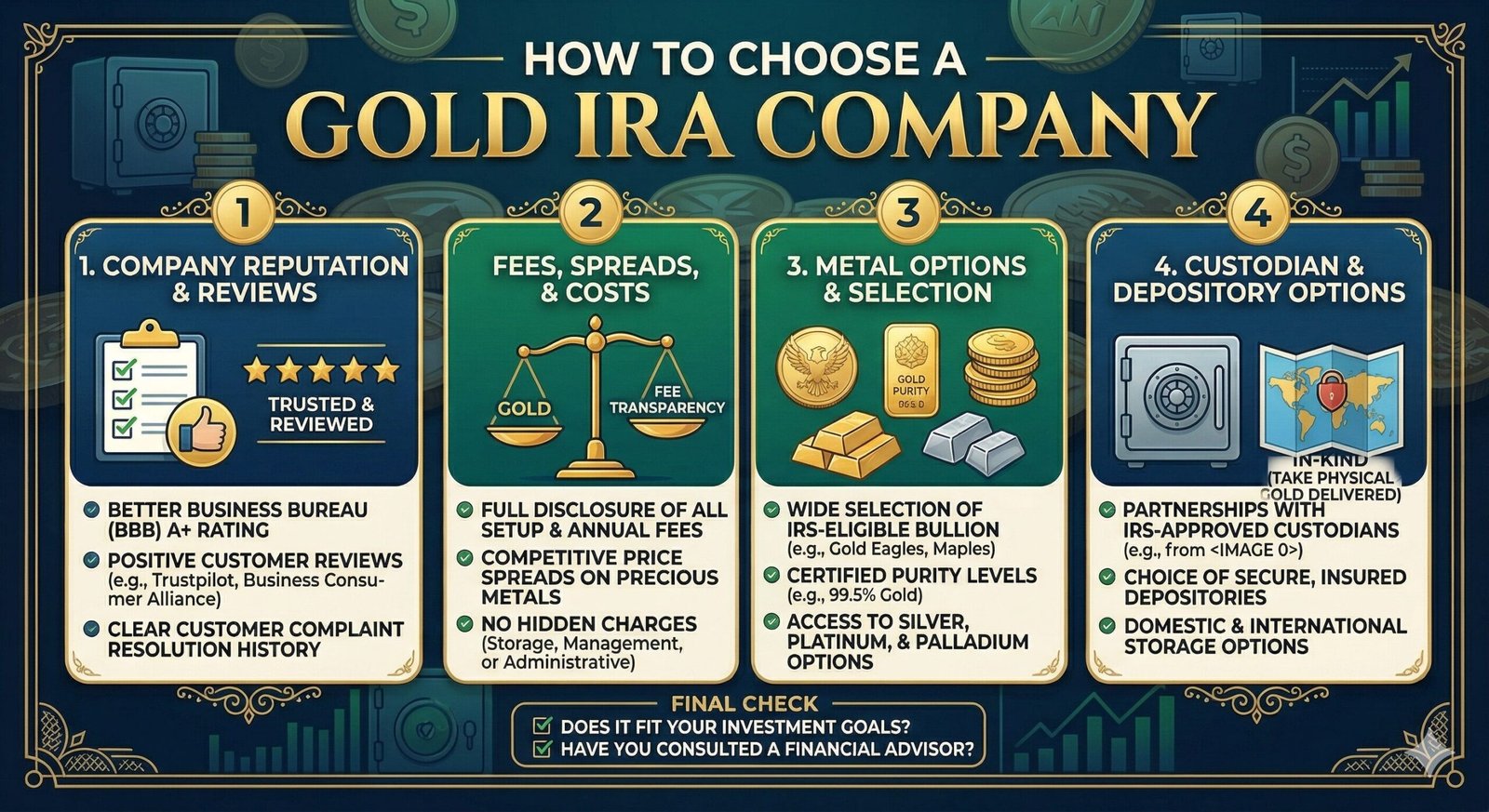
If you are considering whether a Gold IRA might be appropriate for your retirement situation, the right starting point is understanding which companies operate with transparency, competitive fee structures, and strong regulatory track records. Our independently researched guide to the Best Gold IRA Companies of 2026 evaluates the leading providers across criteria that matter to retirement investors. We also recommend consulting the SEC investor resources page and checking any company you consider through FINRA BrokerCheck before making any commitments.
This article is for informational purposes only and does not constitute financial or tax advice. Investing in precious metals involves risk including possible loss of principal.
Related guides
- Why Is the Gold Price Rising? Key Factors Driving 2026 Gains
- Gold Price Record 2025: Understanding the All-Time High
- Highest Gold Price Ever: All-Time Highs and What Caused Them
- Gold Price in 2025: Year in Review and Key Events
- Gold Price in 2024: Record Highs and What Drove Them
- Gold Price in 2023: Year in Review