How to Open a Gold IRA: Step-by-Step Guide (2026)
Opening a Gold Individual Retirement Account (IRA) allows retirement investors to hold physical precious metals within a tax-advantaged retirement framework. While the process involves more steps than opening a traditional IRA, understanding the requirements and procedures can help you navigate the setup smoothly.
This comprehensive guide walks through each stage of opening a Gold IRA, from initial research through funding and purchasing your first precious metals holdings.
Understanding Gold IRA Basics Before You Begin
Before diving into the opening process, it’s essential to understand what a Gold IRA is and how it differs from conventional retirement accounts. A Gold IRA is a self-directed individual retirement account that holds physical precious metals instead of paper assets like stocks or bonds.
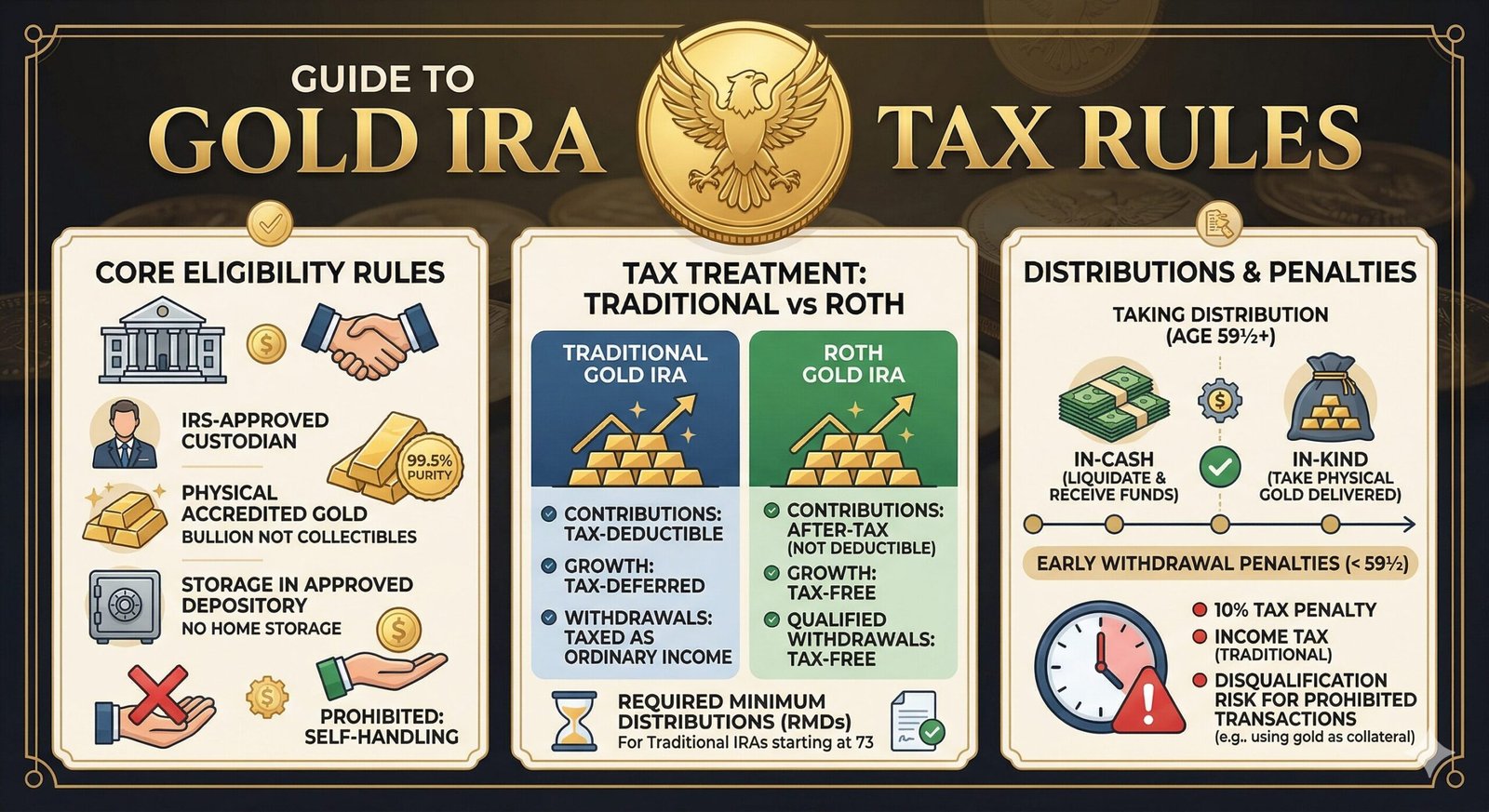
The Internal Revenue Service allows specific gold, silver, platinum, and palladium products in IRAs, provided they meet minimum purity standards. Gold must be 99.5% pure, silver 99.9% pure, and platinum and palladium both 99.95% pure. These requirements ensure only investment-grade precious metals qualify for retirement account inclusion.
Gold IRAs operate under the same contribution limits and distribution rules as traditional IRAs. For 2026, individuals under 50 can contribute up to $7,000 annually, while those 50 and older can contribute up to $8,500 with the catch-up contribution. The IRS contribution limits page provides current year details.
Step 1: Research and Select a Gold IRA Company
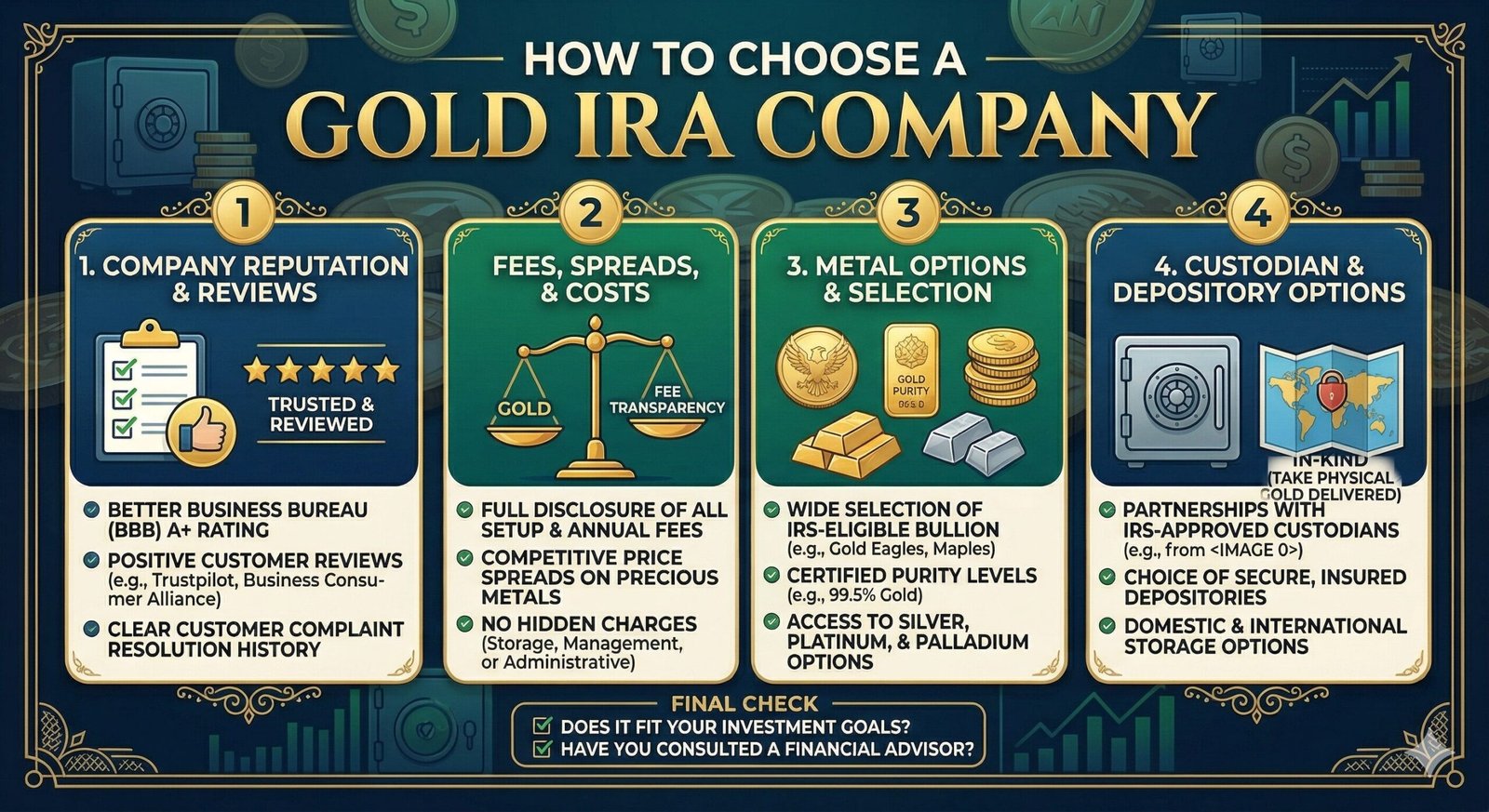
The first step in opening a Gold IRA involves choosing a reputable precious metals dealer that specializes in retirement accounts. This company will facilitate the purchase and delivery of metals to your IRA custodian.
When evaluating Gold IRA companies, consider their industry experience, customer service quality, product selection, and fee structure. Look for companies that have been in business for several years and maintain strong reputations within the precious metals industry.
Verify the company’s credentials through resources like the Better Business Bureau and read customer reviews from multiple sources. Transparent pricing and clear fee disclosures indicate a company that operates with integrity.
Many Gold IRA companies offer educational resources to help you understand the process and make informed decisions. Take advantage of these materials and don’t hesitate to ask questions about any aspect of the account opening process.
Step 2: Choose a Self-Directed IRA Custodian
Gold IRAs require a custodian that specializes in self-directed accounts, as traditional IRA custodians typically don’t handle physical precious metals. The custodian holds legal title to your assets and ensures compliance with IRS regulations.
When selecting a custodian, examine their fee structure, which typically includes account setup fees, annual maintenance fees, and storage fees. Some custodians charge flat annual fees while others use sliding scales based on account value.
The custodian you choose should have extensive experience with precious metals IRAs and a track record of regulatory compliance. They should also provide clear documentation of their storage arrangements and insurance coverage for your metals.
Your Gold IRA company may recommend preferred custodians they work with regularly, which can streamline the account opening process. However, you retain the right to choose any qualified custodian that meets your needs and preferences.
Step 3: Open Your Self-Directed IRA Account
Once you’ve selected a custodian, you’ll complete their account opening paperwork. This process typically involves providing personal information, employment details, and beneficiary designations.
The custodian will require identity verification documents such as a driver’s license or passport copy. You may also need to provide proof of address through a utility bill or bank statement.
Most custodians offer online account opening processes that allow you to complete forms electronically and upload required documents. Some may require wet signatures on certain forms, which would necessitate printing, signing, and returning documents by mail or fax.
The account opening process usually takes several business days to complete once the custodian receives all required documentation. During this time, they’ll review your application and conduct any necessary compliance checks.
Step 4: Fund Your Gold IRA
After your account is established, you’ll need to fund it before purchasing precious metals. You can fund a Gold IRA through several methods, each with different timelines and tax implications.
Direct contributions represent the most straightforward funding method, using new money up to annual IRA contribution limits. You can typically fund these contributions by check, wire transfer, or electronic bank transfer.
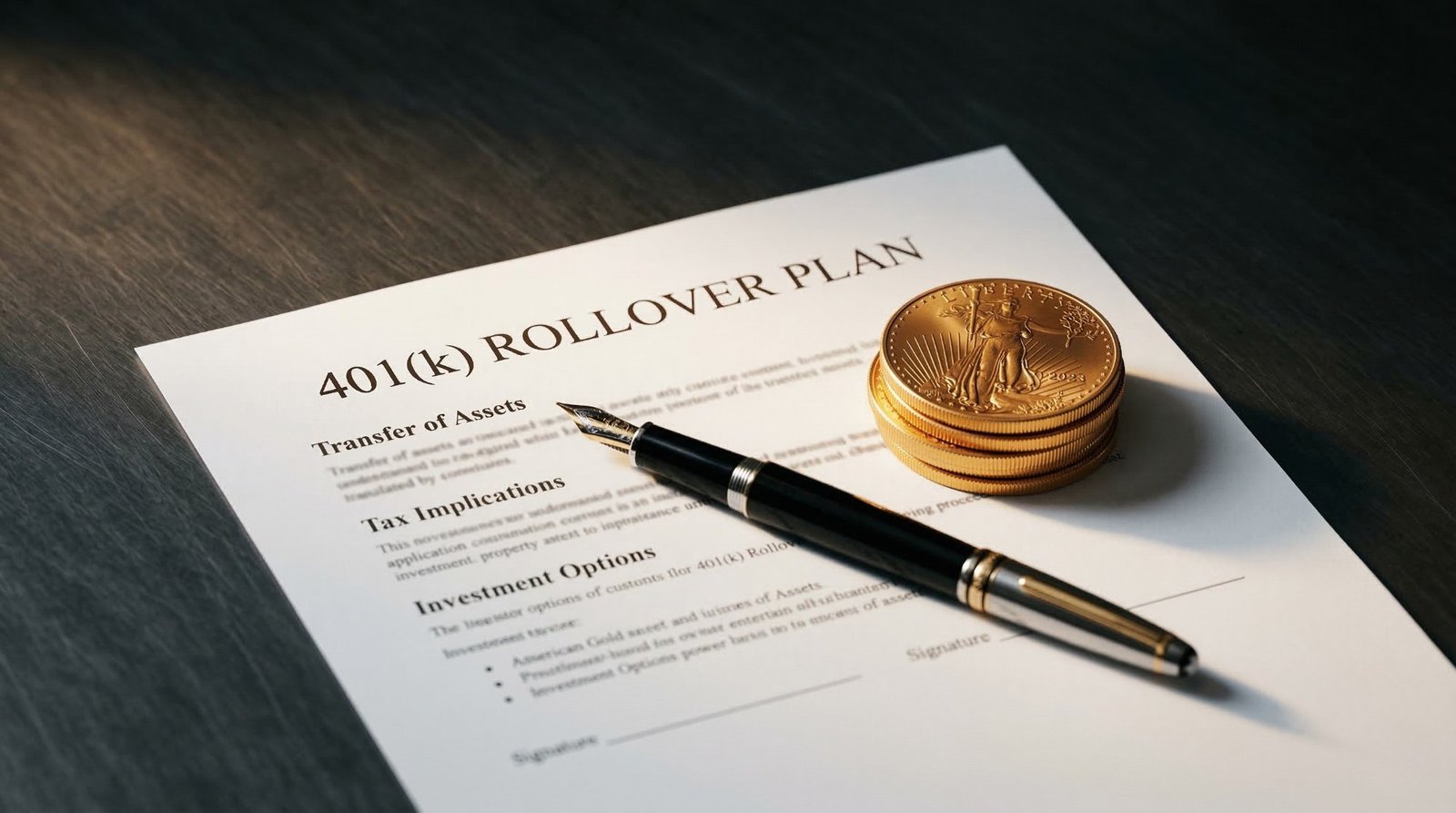
Rollovers from existing retirement accounts offer another funding option. If you have a 401(k), 403(b), or other qualified retirement plan from a current or former employer, you may be able to roll these funds into your Gold IRA. Our 401(k) to Gold IRA rollover guide provides detailed information about this process.
Transfers from existing IRAs allow you to move funds between similar account types. For example, you could transfer funds from a traditional IRA at one institution to your new Gold IRA custodian. These transfers typically don’t trigger tax consequences when properly executed.
Understanding Gold IRA rollover rules is crucial if you’re moving funds from an existing retirement account. The IRS imposes specific timelines and procedures that must be followed to avoid tax penalties.
Step 5: Select Your Precious Metals
With your account funded, you can begin selecting the precious metals for your IRA. The IRS maintains strict requirements about which products qualify for retirement account inclusion.
For gold, approved products include American Eagle coins, Canadian Maple Leaf coins, and various bars from approved manufacturers. Silver options include American Eagle coins, Canadian Maple Leaf coins, and bars meeting purity requirements. Our guide to IRA-eligible gold coins covers many popular options in detail.
When selecting metals, consider factors such as premiums over spot price, liquidity, and storage requirements. Some products carry higher premiums but offer greater liquidity when it comes time to sell.
Your Gold IRA company will provide a list of available products along with current pricing. They should also explain any differences in premiums between various products and help you understand the factors that influence precious metals pricing.
Step 6: Complete the Purchase and Arrange Storage
Once you’ve selected your metals, your Gold IRA company will coordinate the purchase and delivery to your custodian’s approved storage facility. The IRS requires that IRA precious metals be stored in an approved depository, not at your home or in a personal safe deposit box.
Most custodians work with segregated storage facilities that keep your metals separate from other investors’ holdings. These facilities maintain comprehensive insurance coverage and security measures to ensure the safety of stored precious metals.
The storage facility will provide documentation confirming receipt and storage of your metals. This documentation becomes part of your IRA records and serves as proof of your holdings for tax and compliance purposes.
Storage fees typically range from 0.5% to 1.5% of account value annually, though some custodians charge flat fees regardless of account size. Understanding these ongoing costs helps you budget for the long-term maintenance of your Gold IRA.
Ongoing Account Management and Compliance
After opening your Gold IRA and purchasing your initial metals, ongoing management involves several key responsibilities. Your custodian will provide regular account statements showing your holdings and any account activity.
You’ll need to take required minimum distributions (RMDs) beginning at age 73, just like with traditional IRAs. The IRS RMD FAQ provides current distribution requirements.
Annual maintenance involves reviewing your account statements, paying custodial and storage fees, and ensuring your beneficiary information remains current. Some investors choose to make additional contributions or adjust their metals holdings over time.
Cost Considerations and Fee Comparison
Understanding the fee structure of Gold IRAs helps you budget appropriately and compare options between providers. The table below outlines typical fees associated with Gold IRA ownership:
Our Gold IRA fees guide provides more detailed information about understanding and comparing costs across different providers.
Common Mistakes to Avoid
Several common mistakes can complicate the Gold IRA opening process or result in unexpected costs. Rushing through custodian selection without comparing fees and services often leads to higher long-term costs than necessary.
Failing to understand IRA contribution limits and rollover rules can result in tax penalties or missed opportunities. The IRS IRA investment FAQ addresses many common compliance questions.
Some investors focus exclusively on metal prices without considering ongoing storage and maintenance costs. While metals premiums are important, total cost of ownership includes annual fees that compound over time.
Not maintaining proper documentation can create problems during audits or when taking distributions. Keep detailed records of all transactions, fee payments, and correspondence with your custodian and Gold IRA company.
Frequently Asked Questions
How long does it take to open a Gold IRA?
The complete process typically takes 1-3 weeks, depending on your funding method and how quickly you complete required paperwork. Direct contributions can be processed faster than rollovers from employer plans, which may require additional documentation and approval processes.
What’s the minimum investment required to open a Gold IRA?
Gold IRA minimum investment requirements vary by company, typically ranging from $5,000 to $50,000. Some companies waive minimums for certain customer types or during promotional periods.
Can I store Gold IRA metals at home?
No, IRS regulations require that Gold IRA metals be stored in an approved depository facility. Storing IRA metals at home violates IRS rules and can result in the entire account being treated as a distribution, triggering taxes and penalties.
What happens if I need to access my money quickly?
Gold IRAs are long-term retirement investments with the same early withdrawal penalties as traditional IRAs. Liquidating precious metals may take several days to complete, and you’ll need to sell metals at current market prices, which may be higher or lower than your purchase price.
Are Gold IRA companies regulated?
Gold IRA companies that deal in precious metals must comply with various federal and state regulations. You can verify dealer credentials through FINRA BrokerCheck and check for any regulatory actions or complaints.
Opening a Gold IRA involves careful planning and attention to regulatory requirements, but following these steps can help ensure a smooth process. For comprehensive comparisons of companies that can assist with your Gold IRA, visit our guide to the Best Gold IRA Companies of 2026.
This article is for informational purposes only and does not constitute financial or tax advice. Investing in precious metals involves risk including possible loss of principal.
Related guides
- Gold IRA Consumer Affairs Reviews: What to Look For
- Gold IRA Trustpilot Reviews: What Real Customers Say
- Gold IRA BBB Complaints: What Consumer Reports Reveal
- Is a Gold IRA Worth the Fees? A Cost-Benefit Analysis
- Are Gold IRA Fees Too High? Breaking Down the Real Costs
- Gold IRA Mistakes to Avoid: 10 Common Errors Investors Make