Gold IRA in Hawaii: Guide for Retirement Investors
Hawaii is one of the most expensive states in the nation to retire in — and that reality shapes how many residents in the Aloha State approach their long-term financial planning. For retirement investors aged 45 and older who are already thinking carefully about their savings, a Gold IRA is a concept worth understanding clearly. This guide is designed to walk you through exactly what a Gold IRA is, how it works for Hawaii residents specifically, what the setup process looks like, and what costs and rules you should know before making any decisions.
What Is a Gold IRA?
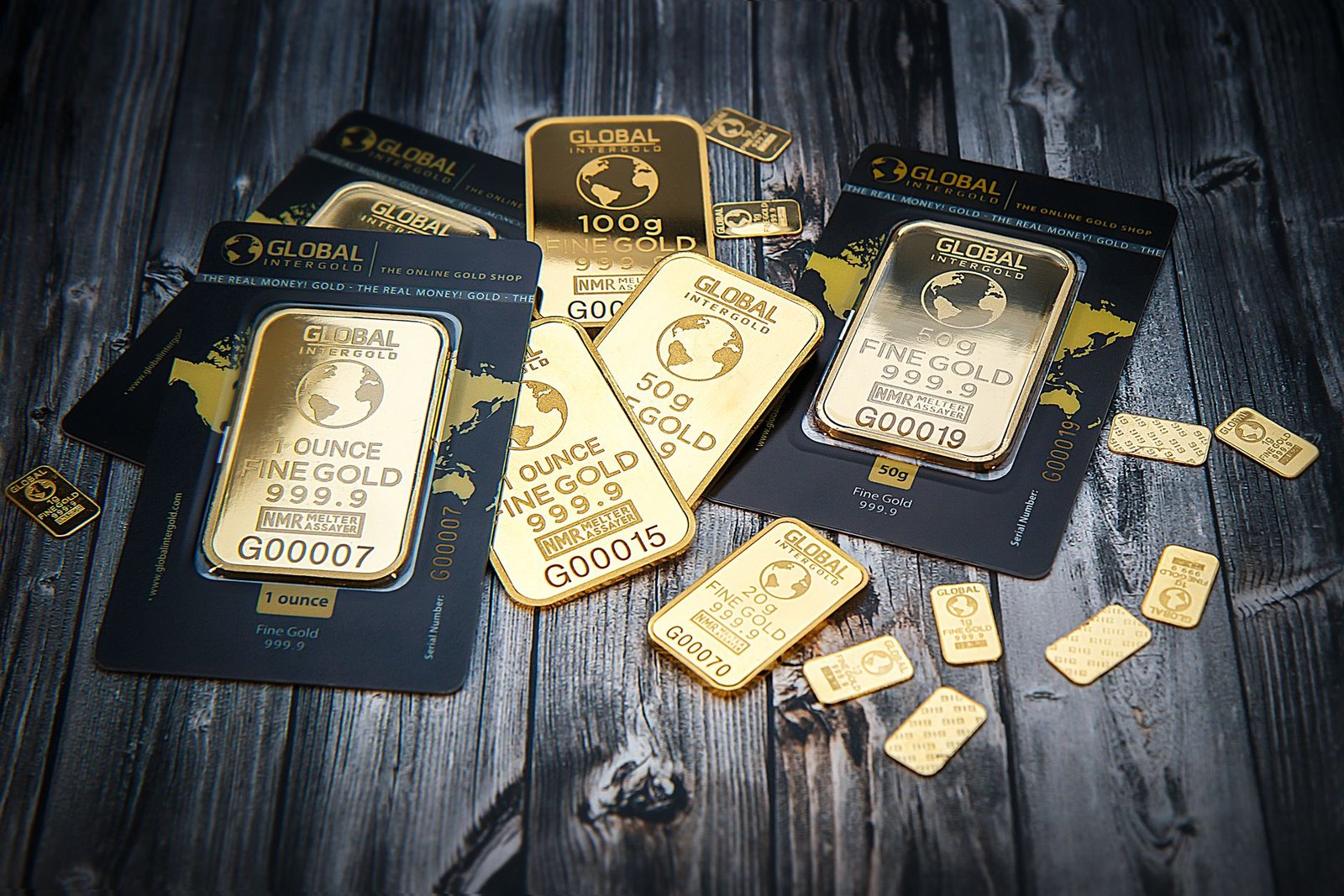
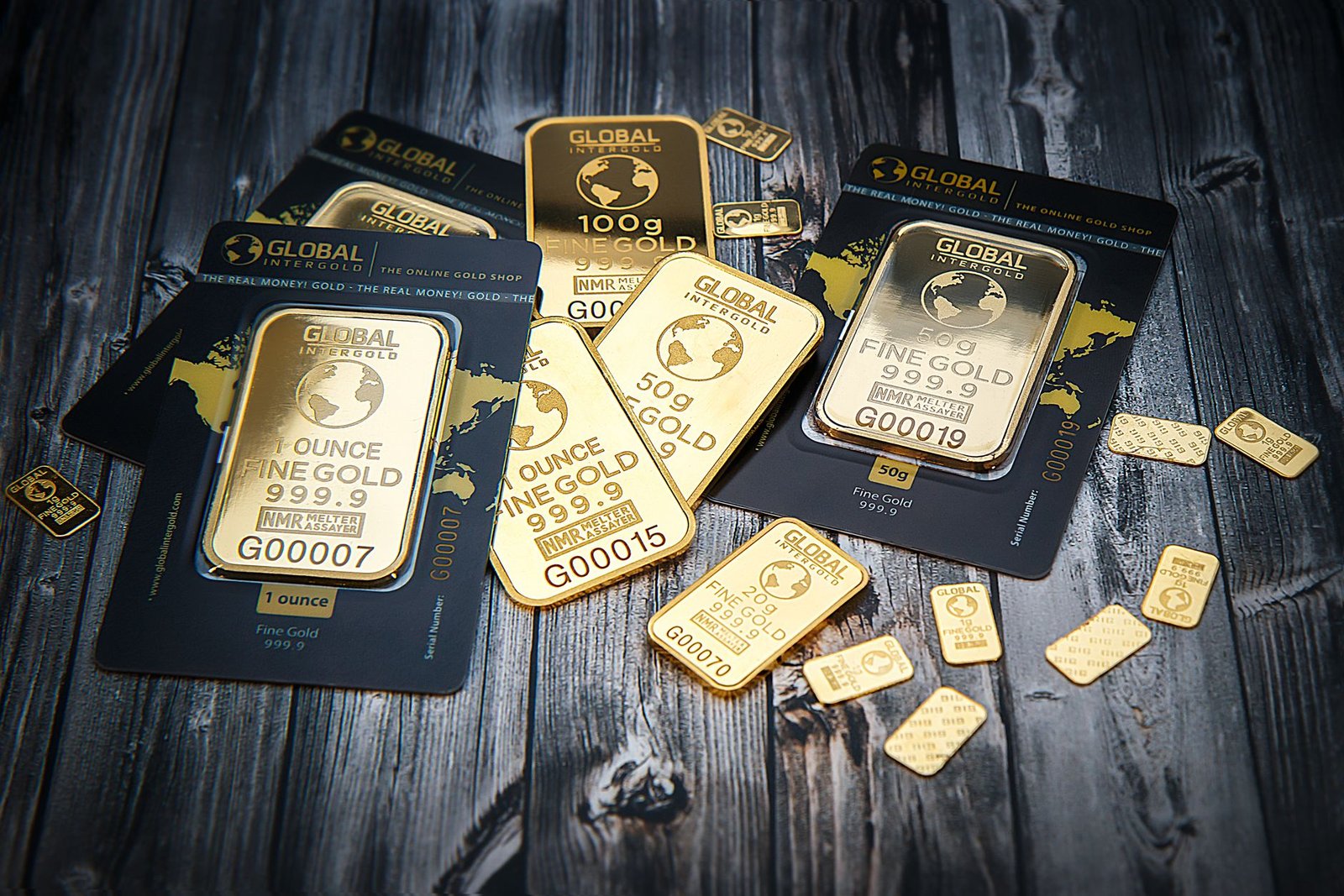
Before diving into Hawaii-specific considerations, it’s worth establishing a clear foundation. A Gold IRA is a type of self-directed Individual Retirement Account that allows you to hold physical gold — and in some cases other IRS-approved precious metals such as silver, platinum, and palladium — as the assets inside the account. Unlike a conventional IRA, which typically holds stocks, bonds, and mutual funds, a Gold IRA holds physical metal that must be stored in an IRS-approved depository.
For a detailed breakdown of how these accounts work structurally, our Gold IRA hub covers the essential concepts in plain English. You can also read Gold IRAs Explained in Detail for a deeper technical look at the rules governing these accounts.
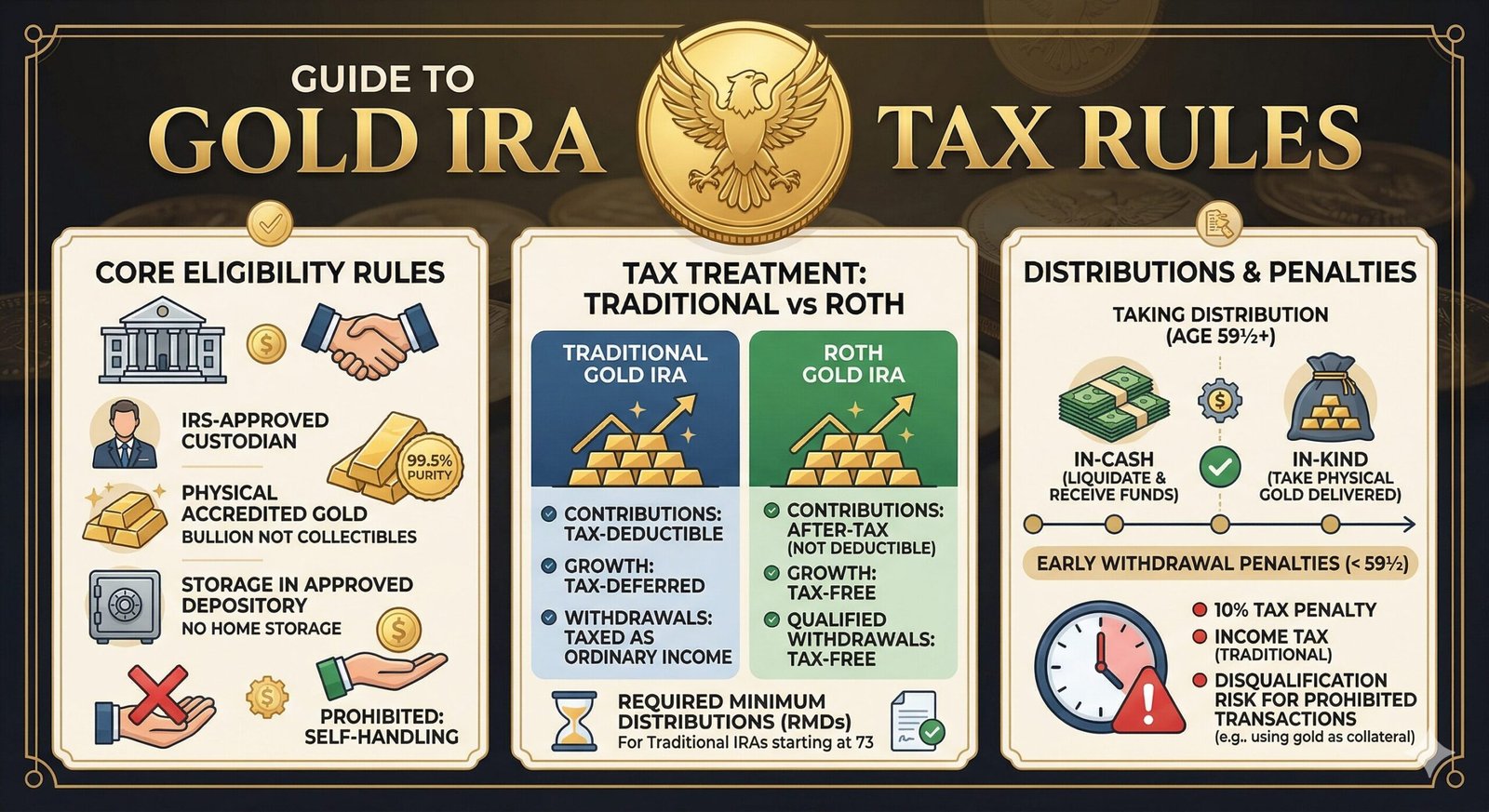
The IRS sets strict requirements around which metals qualify. Gold, for instance, must meet a minimum fineness of 0.995 — meaning 99.5% pure. American Gold Eagles are a notable exception to this fineness rule and are explicitly approved by the IRS despite being 91.67% pure gold. You can review a full list of eligible products in our guide to IRA-eligible gold coins.
The IRS IRA investment FAQ at IRS.gov confirms that self-directed IRAs can hold physical precious metals, provided the custodial and storage requirements are properly met.
Does Hawaii Have Any Special Rules for Gold IRAs?
This is one of the first questions Hawaii residents ask — and the short answer is no. Gold IRAs are governed by federal law, specifically the Internal Revenue Code, not by state law. The rules around contribution limits, eligible metals, custodian requirements, and distributions apply equally to every U.S. resident regardless of whether they live in Honolulu or Houston.
That said, Hawaii does have its own state income tax system, and distributions from a Gold IRA — like distributions from any traditional IRA — are generally subject to Hawaii state income tax in addition to federal income tax. How and when you take distributions can affect your overall tax situation, but this guide does not constitute tax advice. You should consult a qualified tax professional familiar with Hawaiian state tax law before making any withdrawal decisions.
What this means practically is that a Hawaii resident setting up a Gold IRA follows exactly the same federal process as someone in any other state. The differences come down to your personal financial circumstances, the custodian you choose, and the depository where your metals are ultimately stored.
Setting Up a Gold IRA as a Hawaii Resident
Step 1: Choose an IRS-Approved Custodian
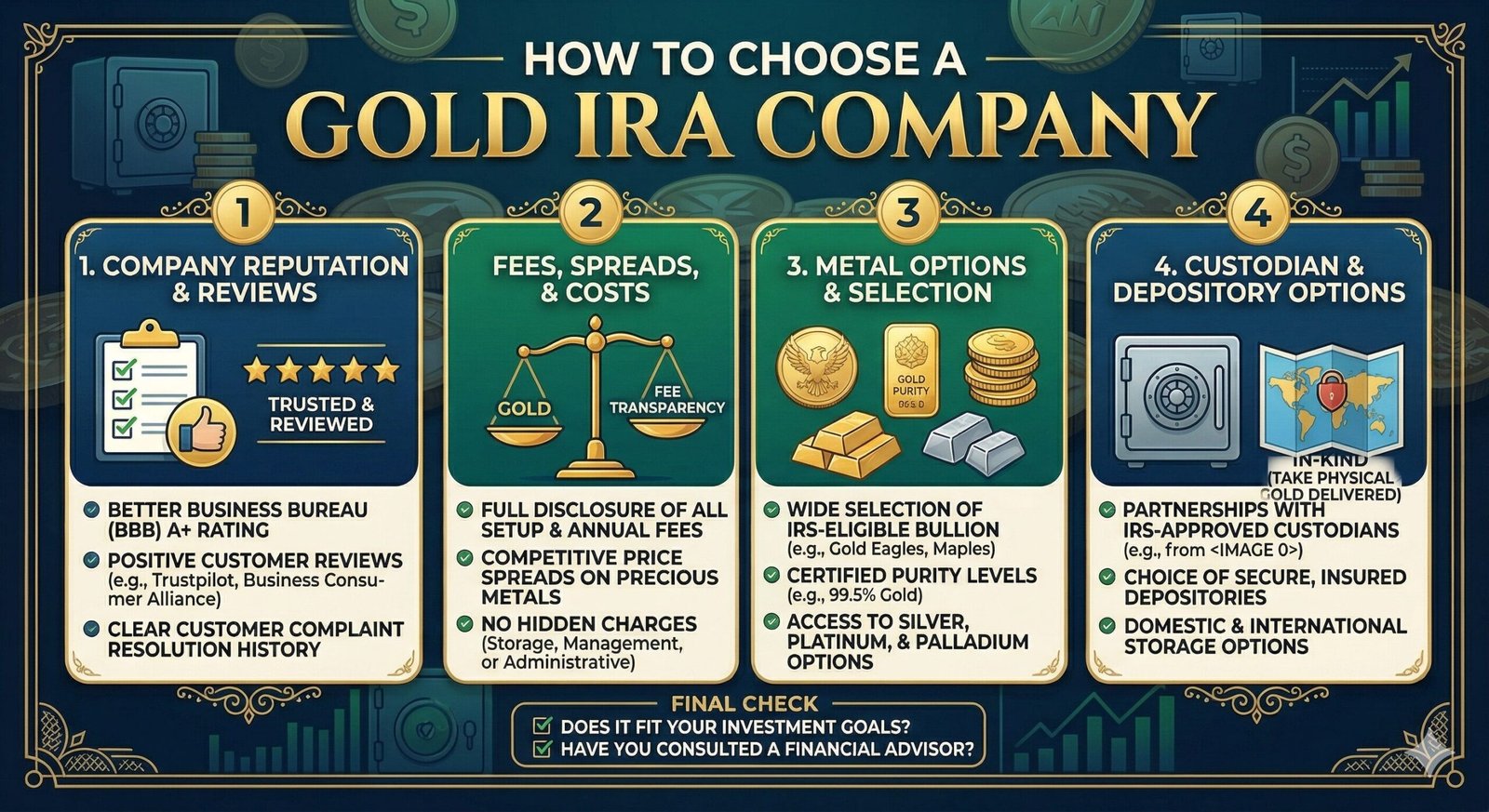
Because the IRS does not allow individuals to self-custody the physical metals inside an IRA, every Gold IRA requires a custodian — a financial institution or trust company approved by the IRS to administer self-directed accounts. Custodians are not limited by geography; a Hawaii resident can work with any IRS-approved custodian operating in the U.S.
FINRA’s guidance on self-directed IRAs is worth reading before you choose a custodian. It outlines what these institutions do and don’t do — importantly, most custodians do not evaluate the quality or legitimacy of the investments held inside your account, so due diligence on your part matters.
Step 2: Fund the Account
Hawaii residents have three main options for funding a new Gold IRA:
Direct contributions follow the standard IRS annual limits. For 2024, you can contribute up to $7,000 per year if you’re under 50, or $8,000 if you’re 50 or older. The IRS publishes current contribution limits each year. These limits apply to your total IRA contributions across all accounts, not per account.
Rollovers from an existing IRA allow you to move funds from a traditional IRA to a Gold IRA. The indirect rollover method requires you to deposit the funds into your new account within 60 days to avoid tax consequences — a rule that applies regardless of where you live.
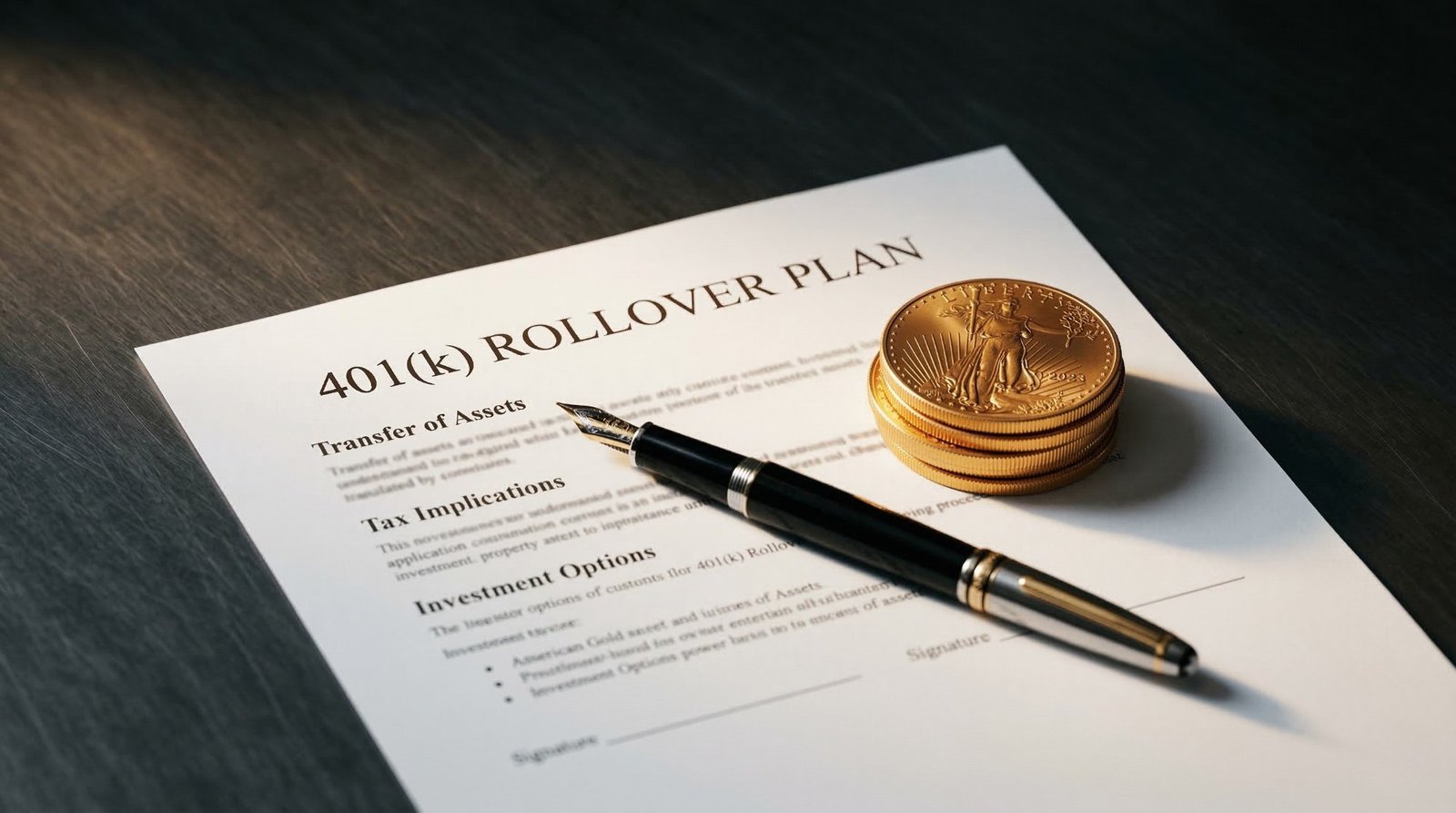
401(k) rollovers are common among Hawaii residents transitioning out of employer-sponsored plans, particularly at retirement or after leaving a job. Our 401(k) to Gold IRA rollover guide walks through the process step by step, and our Gold IRA rollover rules page covers the key compliance points you need to be aware of.
Step 3: Select an IRS-Approved Depository
This is where one of the more practical Hawaii-specific realities comes into play. Physical gold held inside your IRA cannot be stored at home or in a local safety deposit box — it must be held at an IRS-approved depository. There are no IRS-approved depositories located in Hawaii, which means your metals will be stored on the mainland, typically at facilities in states like Delaware, Texas, or Utah.
This is not unusual. Most Americans, regardless of state, store their IRA metals at mainland depositories. You simply need to understand that you won’t have easy physical access to the metal — which, for most retirement investors, is not a practical concern since the goal is long-term accumulation rather than regular access.
Step 4: Select Your Metals
Once your account is funded and your custodian and depository are in place, you select which IRS-approved metals to purchase. Your custodian or the precious metals dealer they work with will facilitate the transaction. You do not personally receive the metals — they go directly to the depository.
Costs to Expect: Gold IRA Fees in Hawaii
Fees are a critical consideration for any Gold IRA investor, and Hawaii residents face no special charges beyond what any mainland investor would pay. That said, the fee structure for Gold IRAs is meaningfully different from a standard brokerage IRA, and it’s important to understand what you’re paying for. Our Gold IRA fees guide goes into detail on each category.
Storage fees are charged by the depository, not the custodian, and vary depending on whether you opt for segregated storage (your metals stored separately) or commingled storage (stored alongside other clients’ metals). Segregated storage is generally more expensive but preferred by many investors who want certainty about which specific coins or bars they own.
Minimum Investment Requirements
Most Gold IRA providers require a minimum initial investment, which varies by company. Some set the floor as low as $5,000, while others require $25,000 or more to open an account. Our Gold IRA minimum investment guide compares current minimums across major providers so you can find one that suits your starting point.
Required Minimum Distributions and Hawaii Retirement
Like all traditional IRAs, a Gold IRA is subject to Required Minimum Distributions (RMDs) once you reach age 73 under current federal law. At that point, you must begin withdrawing a calculated minimum amount each year based on your account balance and life expectancy tables published by the IRS.
For Gold IRA holders, RMDs introduce a logistical consideration: since your assets are physical metal rather than cash, you have two options. You can liquidate a portion of your holdings to satisfy the RMD in cash, or in some cases you may be able to take an in-kind distribution of physical metal. The tax treatment and mechanics of this are worth discussing with both your custodian and a tax professional. The IRS RMD FAQ provides authoritative guidance on how these rules apply.
Comparing Gold IRA to Other Retirement Options
If you’re weighing a Gold IRA against your existing accounts, our Gold IRA vs Traditional IRA comparison and Gold IRA vs 401(k) articles lay out the structural differences between these account types in factual terms, without telling you what to do. Understanding the mechanics of each helps you ask better questions of the financial professionals advising you.
You might also find our article on is a Gold IRA a good idea useful as a starting point for thinking through whether this type of account aligns with your retirement goals.
Avoiding Scams: A Serious Note for Hawaii Investors
Unfortunately, precious metals scams and high-pressure sales tactics are a documented problem in the industry. The SEC’s investor resources page includes warnings about self-directed IRA fraud, and FINRA BrokerCheck at brokercheck.finra.org allows you to verify the registration and history of any financial professional you’re considering working with.
For company-level research, the Better Business Bureau at bbb.org lets you look up complaints and ratings for Gold IRA companies. Our dedicated Gold IRA scams guide outlines the most common red flags and how to spot them before signing anything.
Frequently Asked Questions
Can I open a Gold IRA if I live in Hawaii?
Yes. Gold IRAs are governed by federal law, and any U.S. resident — including Hawaii residents — can open one through an IRS-approved custodian. There are no state-level restrictions that prevent Hawaii residents from establishing these accounts.
Where will my gold be stored if I open a Gold IRA in Hawaii?
Since there are no IRS-approved depositories in Hawaii, your metals will be stored at a mainland facility. Common depository locations include Delaware, Texas, and Utah. This is standard practice and does not affect your account’s legal status or your ownership rights.
Are Gold IRA distributions taxed by the state of Hawaii?
Hawaii does have a state income tax, and distributions from a traditional Gold IRA are generally subject to state income tax in addition to federal income tax. However, the specifics depend on your individual tax situation. Consult a qualified tax professional with knowledge of Hawaii state tax law for guidance.
What is the minimum I need to open a Gold IRA?
Minimum investment requirements vary by provider, generally ranging from $5,000 to $25,000 or more. Our Gold IRA minimum investment guide compares current minimums across major companies.
How do I know if a Gold IRA company is legitimate?
Look for companies with strong ratings on the Better Business Bureau (bbb.org), transparent fee disclosures, and no history of regulatory actions. You can verify financial professionals through FINRA BrokerCheck. Our Gold IRA scams guide also walks through common warning signs to watch for.
Ready to Learn More?
If you’re considering a Gold IRA and want to compare the leading providers available to Hawaii residents, our independently researched guide to the Best Gold IRA Companies of 2026 is the best place to continue your research. It covers fees, minimums, customer service records, and other factors that matter when choosing where to open your account.
This article is for informational purposes only and does not constitute financial or tax advice. Investing in precious metals involves risk including possible loss of principal.
Related guides
- Gold IRA Consumer Affairs Reviews: What to Look For
- Gold IRA Trustpilot Reviews: What Real Customers Say
- Gold IRA BBB Complaints: What Consumer Reports Reveal
- Is a Gold IRA Worth the Fees? A Cost-Benefit Analysis
- Are Gold IRA Fees Too High? Breaking Down the Real Costs
- Gold IRA Mistakes to Avoid: 10 Common Errors Investors Make