
Gold IRA vs Cryptocurrency IRA: Comparing Alternative Assets
The retirement landscape has expanded beyond traditional stocks and bonds, with alternative assets like precious metals and cryptocurrencies gaining attention from retirement investors. Understanding the fundamental differences between Gold IRAs and cryptocurrency IRAs can help you make informed decisions about your retirement planning strategy.
Both asset classes represent departures from conventional retirement investments, each with distinct characteristics, regulatory frameworks, and considerations for long-term retirement planning. While neither should replace a comprehensive retirement strategy, many investors explore these alternatives as they seek to understand their options in today’s evolving financial landscape.
Understanding Gold IRAs
A Gold IRA functions as a self-directed Individual Retirement Account that holds IRS-approved precious metals instead of traditional paper assets. These accounts must comply with specific IRS requirements regarding metal purity, approved products, and storage arrangements.
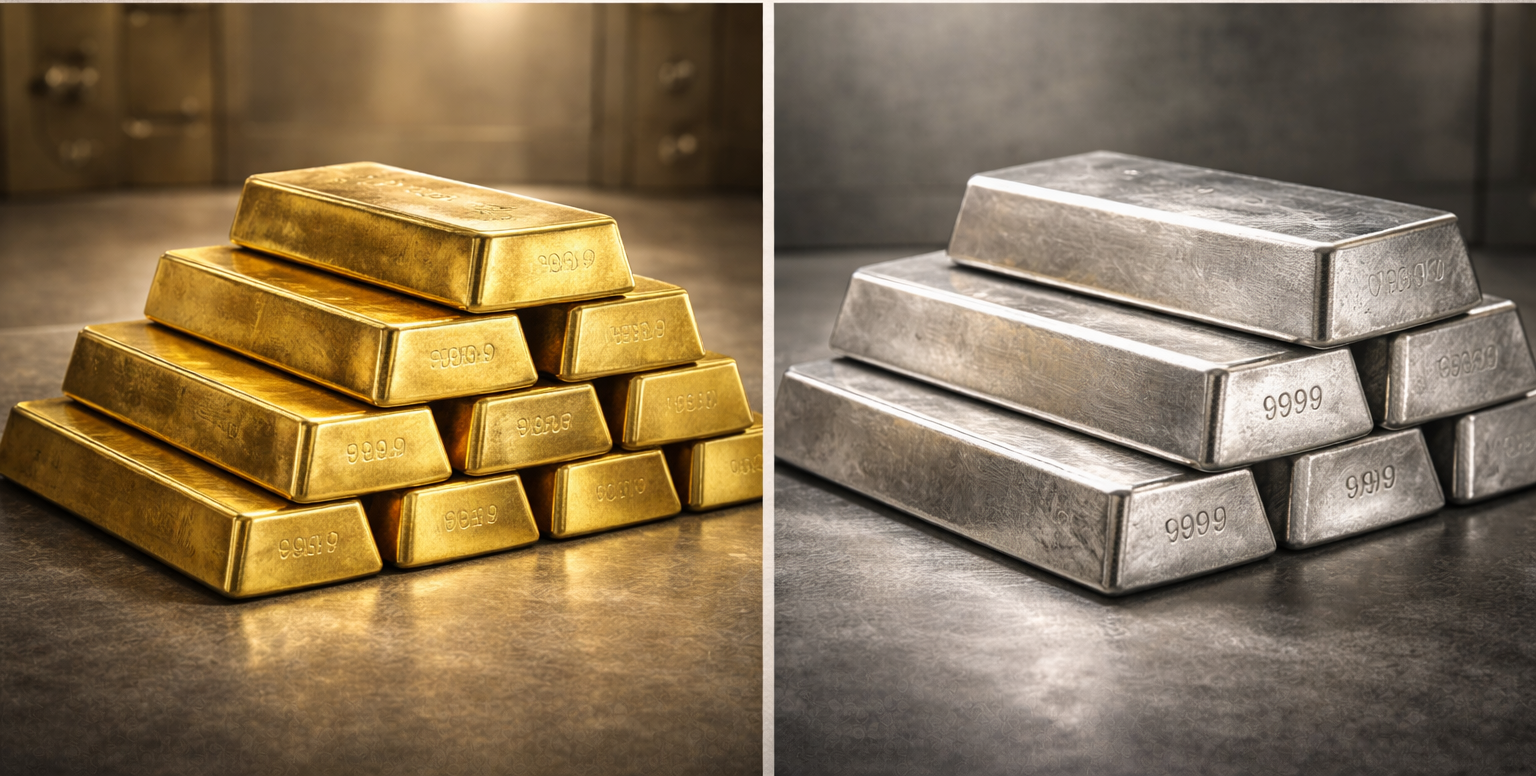
Gold IRAs require working with specialized custodians who understand precious metals regulations. The physical gold must be stored in an IRS-approved depository, not in personal possession. Investors can choose from various IRA-eligible products, including American Gold Eagles, Canadian Gold Maple Leafs, and gold bars meeting specific fineness requirements.
The account structure follows traditional IRA rules for contributions, distributions, and required minimum distributions starting at age 73. Setup involves selecting a custodian, choosing a depository, and purchasing approved metals through an authorized dealer. Our Gold IRA guide provides comprehensive details about the setup process and ongoing management.
Fees typically include custodian fees, storage fees, and dealer markups on metal purchases. These costs can vary significantly between providers, making fee comparison an important part of the selection process. Understanding the complete fee structure helps investors make informed decisions about long-term costs.
Cryptocurrency IRAs Explained
Cryptocurrency IRAs allow investors to hold digital assets like Bitcoin, Ethereum, and other cryptocurrencies within a retirement account structure. These accounts require specialized custodians who can handle the technical and regulatory complexities of cryptocurrency storage and management.
The IRS treats cryptocurrencies as property for tax purposes, which creates unique considerations for retirement account holdings. Self-directed IRA custodians who offer cryptocurrency services must navigate evolving regulations while ensuring compliance with existing IRA rules.
Cryptocurrency IRA custodians typically use institutional-grade storage solutions, including cold storage wallets and multi-signature security protocols. Some providers offer direct ownership of cryptocurrencies, while others provide exposure through cryptocurrency-related investments or trusts.
The cryptocurrency market operates 24/7, creating constant price movements that can result in significant account value fluctuations. This differs markedly from traditional markets with defined trading hours and established settlement periods.
Regulatory Framework Comparison
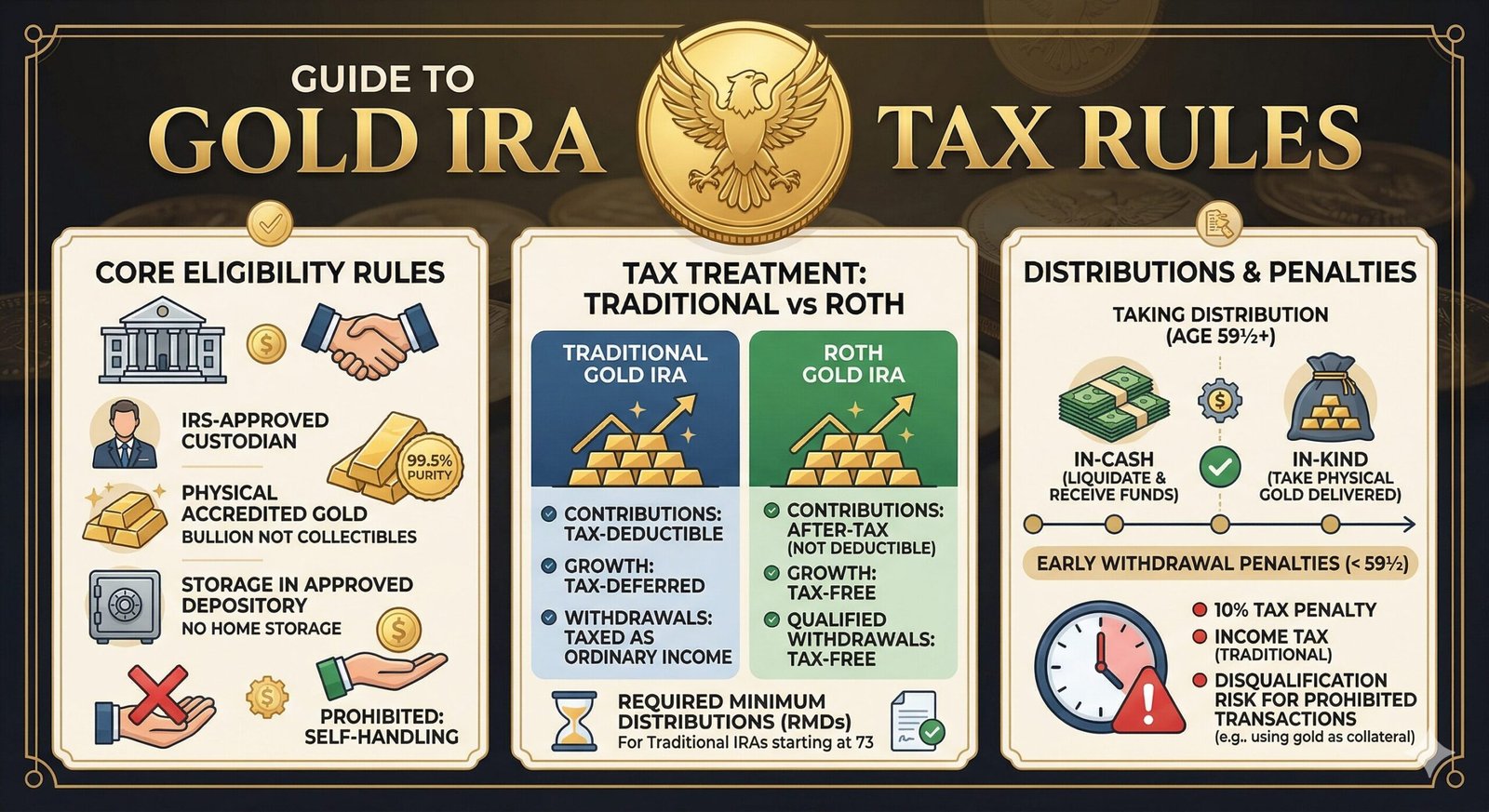
Gold IRAs operate under well-established IRS regulations that have been refined over decades. The IRS Publication 590-A provides clear guidance on precious metals IRAs, including approved products, storage requirements, and prohibited transactions.
IRS-approved gold products must meet specific fineness requirements: gold must be 99.5% pure, with certain exceptions for American Eagles. Storage must occur in approved depositories, and investors cannot personally possess the metals while they remain in the IRA.
Cryptocurrency IRAs face a more complex regulatory environment. While the IRS has provided some guidance on cryptocurrency taxation, specific rules for retirement account holdings continue to evolve. The regulatory framework remains less established compared to precious metals.
The Department of Labor has expressed concerns about cryptocurrency investments in retirement plans, citing volatility and regulatory uncertainty. This regulatory scrutiny may influence future rules governing cryptocurrency IRAs and related investment options.
Storage and Custody Considerations
Gold IRA storage involves physical depositories that must meet IRS approval standards. These facilities provide segregated or non-segregated storage options, with segregated storage keeping individual investor metals separate from others. Depositories carry insurance coverage and implement security measures including armed guards, surveillance systems, and vault protection.
Investors can visit their metals at approved depositories during business hours, though they cannot remove metals without triggering taxable distributions. Storage fees typically range from $100 to $300 annually, depending on the depository and storage type selected.
Cryptocurrency custody involves digital wallet management and private key security. Custodians use various storage methods, including cold storage (offline) and multi-signature wallets requiring multiple approvals for transactions. The digital nature of cryptocurrencies creates different security considerations compared to physical assets.
Cryptocurrency storage doesn’t involve physical visitability, but investors typically receive regular account statements and online access to view holdings. The custody solutions must balance security with accessibility for legitimate transactions and distributions.
Volatility and Price Characteristics
Gold prices have historically shown relatively lower volatility compared to many other asset classes, though they still experience significant price swings based on economic conditions, monetary policy, and global events. Past performance is not a guarantee of future results, and gold prices can decline as well as increase over time.
Gold price movements often correlate with factors such as inflation expectations, currency movements, and geopolitical events. The metal has been traded for thousands of years, creating a long historical price record that investors can examine.
Cryptocurrency prices demonstrate notably higher volatility compared to traditional assets and precious metals. Bitcoin and other major cryptocurrencies can experience double-digit percentage moves within single days, creating substantial short-term account value fluctuations.
The cryptocurrency market’s relative youth means less historical price data compared to gold. Digital assets have shown periods of rapid appreciation followed by significant declines, creating a more unpredictable price environment for retirement investors.
Tax Treatment and Distribution Rules
Both Gold IRAs and cryptocurrency IRAs follow standard IRA tax treatment for distributions. Traditional IRA versions require ordinary income tax on distributions, while Roth versions allow tax-free distributions of contributions and earnings after age 59½ (with five-year holding period requirements).
Required minimum distributions begin at age 73 for traditional IRAs, requiring account holders to liquidate portions of their holdings annually. For Gold IRAs, this typically means selling metals and distributing cash, though in-kind distributions of actual metals are sometimes possible.
Cryptocurrency IRAs face similar distribution requirements, but the digital nature of the assets may create different liquidation considerations. Market timing becomes important when forced to sell volatile assets for required distributions.
Early withdrawal penalties apply to both account types for distributions before age 59½, with limited exceptions for specific circumstances such as first-time home purchases or qualified education expenses.
Investment Minimums and Accessibility
Gold IRAs typically require higher minimum investments compared to traditional IRAs, often starting at $10,000 to $25,000. This reflects the costs associated with precious metals purchases, storage, and specialized custodial services. Some providers offer lower minimums, but the fee structure may make smaller accounts less cost-effective.
The physical nature of gold creates minimum purchase requirements based on standard product sizes. Investors typically purchase whole coins or bars rather than fractional amounts, which can influence portfolio allocation decisions.
Cryptocurrency IRAs may offer lower minimum investments, with some providers allowing accounts with $1,000 or less. The digital nature of cryptocurrencies enables fractional ownership, allowing more precise allocation amounts.
However, the specialized custody requirements for cryptocurrency IRAs can result in higher percentage fees for smaller accounts. Investors should carefully evaluate the fee impact on different account sizes when considering either option.
Due Diligence and Provider Selection
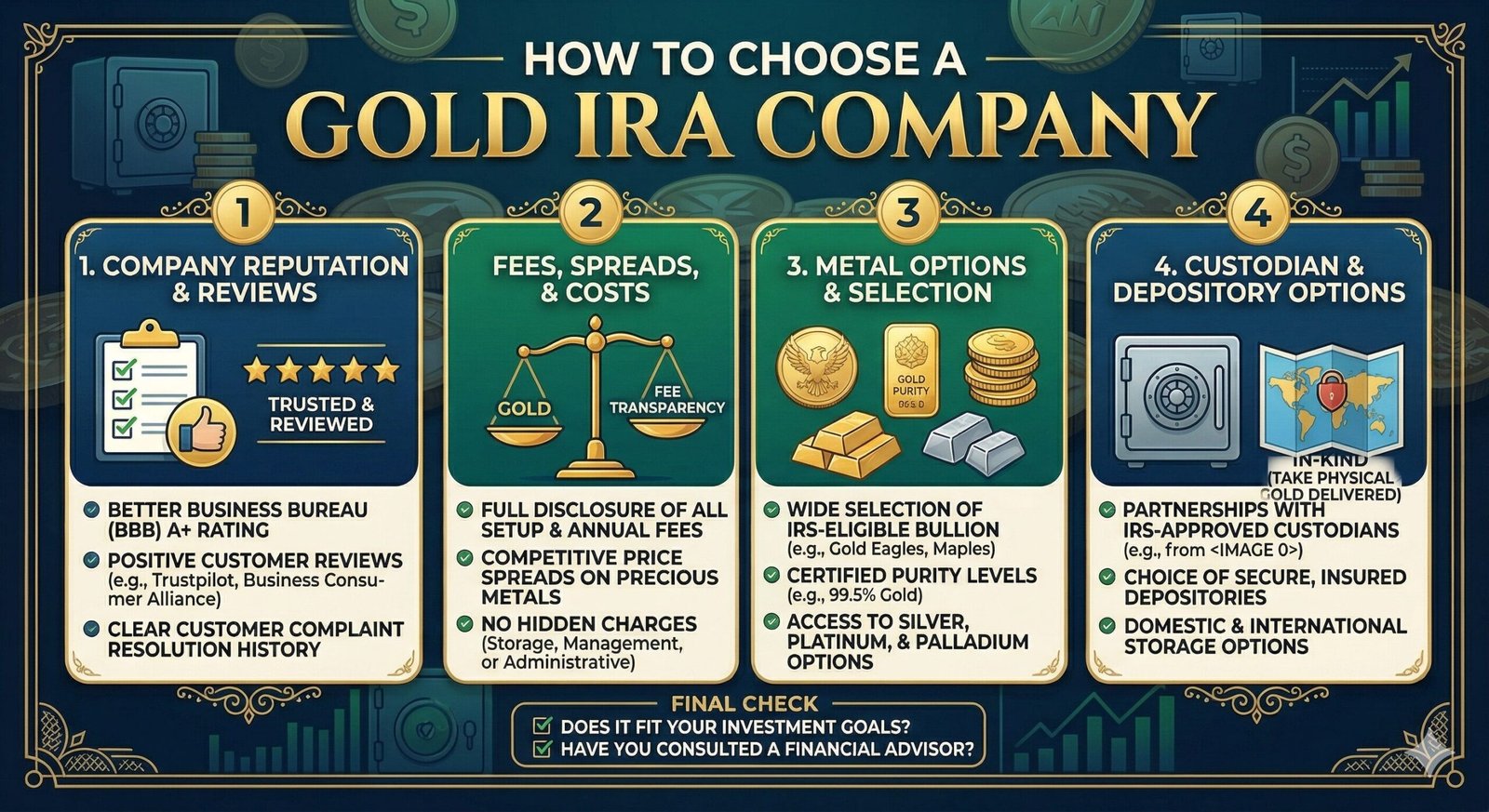
Choosing Gold IRA providers requires evaluating custodial experience, depository relationships, product selection, and fee structures. The Best Gold IRA Companies of 2026 provides detailed comparisons to help investors identify reputable providers.
Investors should verify custodian registrations, review fee schedules, and understand storage arrangements before committing funds. The precious metals IRA industry includes both established firms and newer entrants, making thorough research essential.
Cryptocurrency IRA provider evaluation involves assessing technical capabilities, security measures, and regulatory compliance. The newer nature of cryptocurrency custody means fewer established providers with long track records.
Both industries require attention to avoid questionable providers who may use high-pressure sales tactics or make unrealistic promises. The IRS IRA investment FAQ provides guidance on evaluating self-directed IRA investments.
Liquidity and Transaction Considerations
Gold IRA liquidity involves selling physical metals and transferring proceeds to cash, which can take several business days to complete. The process requires coordination between custodians, depositories, and dealers to execute transactions.
Metal sales may involve bid-ask spreads between purchase and sale prices, potentially impacting the proceeds received. Market conditions can influence these spreads, particularly during periods of high demand or limited dealer inventory.
Cryptocurrency IRAs may offer faster liquidation due to the digital nature of the assets and 24/7 market availability. However, the high volatility means transaction timing can significantly impact proceeds received.
Both account types require working through custodial processes for transactions, which may introduce delays compared to self-managed investments. Understanding transaction procedures helps set appropriate expectations for liquidity needs.
Long-Term Retirement Planning Considerations
Gold IRAs appeal to investors seeking exposure to physical assets with thousands of years of monetary history. The metal’s role in central bank reserves and jewelry markets provides ongoing demand sources beyond investment purposes.
Gold’s historical role as a store of value appeals to some retirement investors, though past performance is not a guarantee of future results. The metal’s price can decline during certain economic conditions, and it produces no income or dividends.
Cryptocurrency IRAs attract investors interested in digital asset exposure and blockchain technology adoption. The technology’s potential applications and growing institutional acceptance contribute to investment interest.
However, cryptocurrency’s regulatory uncertainty and technological risks create additional considerations for retirement planning. The digital nature means no physical backing, and technological failures or regulatory changes could significantly impact values.
Making an Informed Decision
The choice between Gold IRAs and cryptocurrency IRAs depends on individual circumstances, risk tolerance, and retirement planning objectives. Neither option should constitute an entire retirement strategy, but each may serve specific roles within a broader financial plan.
Consider factors such as investment timeline, liquidity needs, fee tolerance, and comfort with price volatility when evaluating either option. The Gold IRA rollover rules provide guidance on moving existing retirement funds into alternative assets.
Both investment types require ongoing monitoring and understanding of changing regulations. Working with qualified financial professionals can help evaluate how these alternatives might fit within your overall retirement planning strategy.
The FINRA’s guidance on self-directed IRAs emphasizes the importance of understanding the risks and responsibilities associated with alternative IRA investments.
Frequently Asked Questions
Can I hold both gold and cryptocurrency in the same IRA?
Some self-directed IRA custodians offer both precious metals and cryptocurrency services, potentially allowing both asset types within a single account. However, the storage and custody requirements differ significantly, so many providers specialize in one area. Check with potential custodians about their specific capabilities and whether they support multiple alternative asset types.
How do required minimum distributions work with volatile assets?
Both gold and cryptocurrencies may require selling assets to meet RMD requirements starting at age 73. The timing of these sales can impact the cash proceeds due to price volatility. Some Gold IRA custodians allow in-kind distributions of actual metals, which may provide more flexibility. Plan ahead for RMD timing to avoid forced sales during unfavorable market conditions.
What happens if my cryptocurrency IRA provider goes out of business?
Cryptocurrency IRA assets should be held in segregated accounts separate from the custodian’s business assets. However, the digital nature creates unique recovery challenges compared to physical gold stored in established depositories. Research custodian financial stability, insurance coverage, and asset segregation policies before opening an account.
Are there any geographic restrictions for Gold IRA or cryptocurrency IRA investments?
Gold IRAs must use IRS-approved depositories, which are primarily located in the United States. Some international storage options exist but may create additional complexity. Cryptocurrency IRAs may face varying state regulations, and some custodians don’t operate in all states due to regulatory differences. Verify service availability in your state before proceeding.
How do I avoid scams when considering alternative IRA investments?
Research providers thoroughly using resources like bbb.org and FINRA BrokerCheck. Avoid companies making unrealistic promises, using high-pressure sales tactics, or guaranteeing specific returns. Verify custodian registrations and understand all fees before committing funds. The regulatory oversight for alternative IRAs may be less comprehensive than traditional investments, making personal due diligence essential.
Understanding the differences between Gold IRAs and cryptocurrency IRAs helps you make informed decisions about alternative retirement investments. Both options offer unique characteristics and considerations that may appeal to different investor preferences and circumstances.
For comprehensive information about precious metals retirement investing, visit our Best Gold IRA Companies of 2026 to explore top-rated providers and their services.
This article is for informational purposes only and does not constitute financial or tax advice. Investing in precious metals involves risk including possible loss of principal.