Gold IRA Scams List: Companies and Tactics to Avoid
The precious metals industry attracts legitimate companies and fraudulent operators alike, creating a challenging landscape for retirement investors exploring their options. Understanding the specific tactics used by scammers can help you make informed decisions while navigating what a Gold IRA is and identifying trustworthy custodians.
Fraudulent schemes in this space typically target seniors aged 50 and above, often using sophisticated psychological tactics to create urgency and bypass normal decision-making processes. These scams can result in significant financial losses, particularly devastating when retirement funds are involved.
Common Gold IRA Scam Tactics
High-Pressure Sales Techniques
Legitimate precious metals companies allow customers time to research and make informed decisions. Scammers operate differently, using aggressive tactics designed to force immediate commitments. They frequently employ phrases like “limited time offer,” “prices increasing tomorrow,” or “this deal expires today” to create artificial urgency.
These operations often involve multiple phone calls per day, sometimes continuing even after you’ve expressed disinterest. Sales representatives may claim to be calling from government agencies or financial institutions to establish false credibility. Some scammers even schedule “urgent” in-home visits, bringing contracts and demanding immediate signatures.
Bait and Switch Operations
This sophisticated scam begins with advertisements for legitimate precious metals at competitive prices. Once you contact the company, representatives explain that the advertised products are “sold out” but offer “better alternatives” at significantly higher prices.
The substitute products often carry excessive markups, sometimes 50-100% above fair market value. Sales representatives justify these inflated prices by claiming the products have special collector value or unique characteristics that will generate superior returns. These claims are typically unfounded and designed solely to increase profit margins.
Fake Government Endorsements
Scammers frequently claim their companies have special relationships with government agencies or exclusive access to government programs. They may reference fictitious legislation or misrepresent existing laws to suggest their services are government-approved or mandated.
Some operations create fake websites mimicking government agencies or established financial institutions. These sites often feature official-looking seals, logos, and professional photography designed to establish credibility. Always verify government information through official channels like IRS Publication 590-A for retirement account regulations.
Inflated Historical Claims
Fraudulent companies often present misleading historical data about precious metals performance, using selective timeframes or cherry-picked statistics to support exaggerated return projections. They may claim gold has consistently outperformed other assets or suggest past performance guarantees future results.
These presentations typically ignore periods when precious metals underperformed or lost value. Remember that past performance is not a guarantee of future results, and no investment consistently generates positive returns across all market conditions.
Red Flags in Company Practices
Unregistered Investment Advisors
Legitimate companies dealing with retirement accounts must comply with extensive regulatory requirements. Scammers often operate without proper registration, avoiding oversight that would expose their fraudulent practices.
Check company credentials through FINRA BrokerCheck and verify their standing with relevant regulatory bodies. Companies handling retirement funds should be properly licensed and maintain transparent business practices.
Excessive Fee Structures
While all precious metals IRAs involve fees, scammers often bury excessive charges in complex fee schedules. These may include hidden setup costs, inflated storage fees, or unusual transaction charges that significantly erode account value over time.
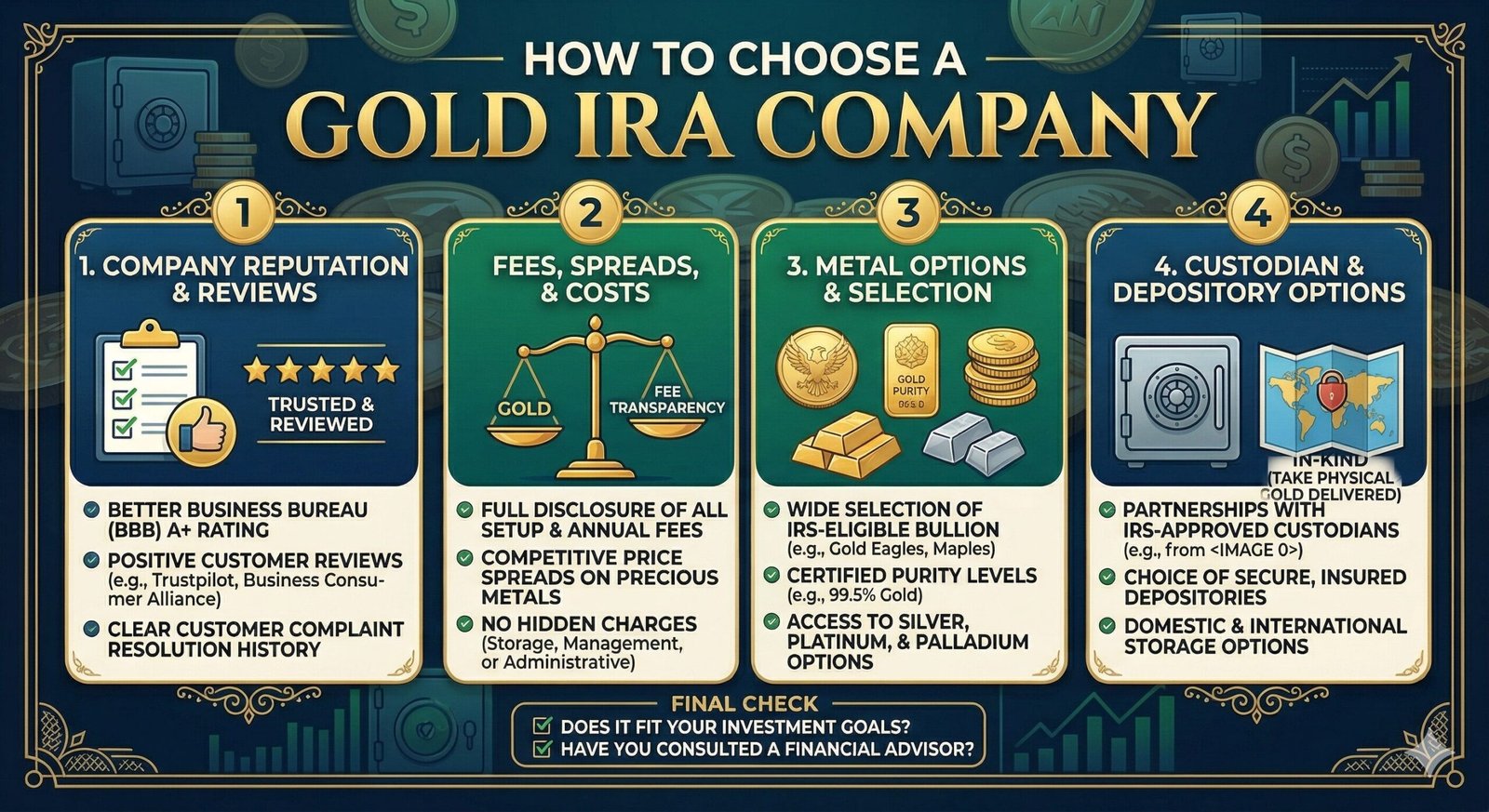
Understanding Gold IRA fees guide helps you identify reasonable cost structures and spot companies charging excessive amounts for standard services. Legitimate companies provide clear, comprehensive fee schedules and explain all costs upfront.
Prohibited Storage Claims
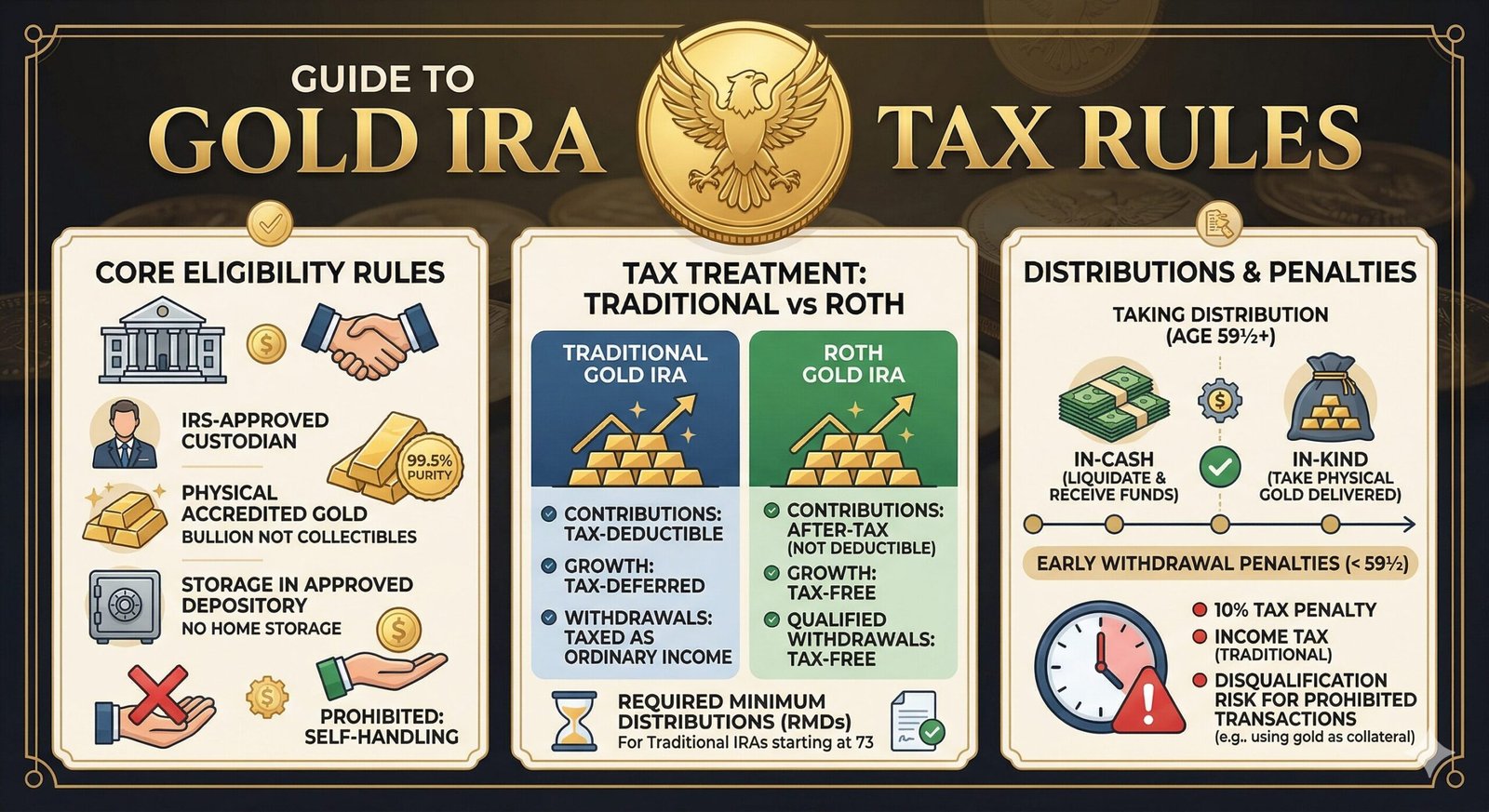
Some scammers claim you can store IRA-purchased precious metals at home or in personal safety deposit boxes while maintaining tax-deferred status. This violates IRS IRA investment FAQ requirements and can result in severe tax penalties.
Legitimate IRA precious metals must be stored in approved depositories with qualified custodians. Companies suggesting alternative storage arrangements are either uninformed about regulations or deliberately misleading customers.
Specific Company Warning Signs
Unverifiable Business Information
Legitimate precious metals companies maintain established business addresses, published phone numbers, and transparent ownership structures. Scammers often use mail forwarding services, temporary phone numbers, or provide vague contact information.
Research company backgrounds thoroughly, including how long they’ve been in business, their physical locations, and their track record with regulatory agencies. Check bbb.org ratings and complaint histories, though remember that some scammers may have initially clean records.
Lack of Proper Licensing
Companies handling retirement accounts must maintain specific licenses and registrations. Scammers may claim to be licensed while operating without proper credentials, or they may hold licenses that don’t cover the services they’re offering.
Verify licensing information through appropriate regulatory bodies and confirm that licenses cover the specific services being offered. Companies should readily provide license numbers and regulatory contact information.
Unusual Payment Requirements
Legitimate companies typically accept standard payment methods and follow established procedures for fund transfers. Scammers may request payments through unusual channels, such as cryptocurrency, wire transfers to foreign accounts, or cash payments.
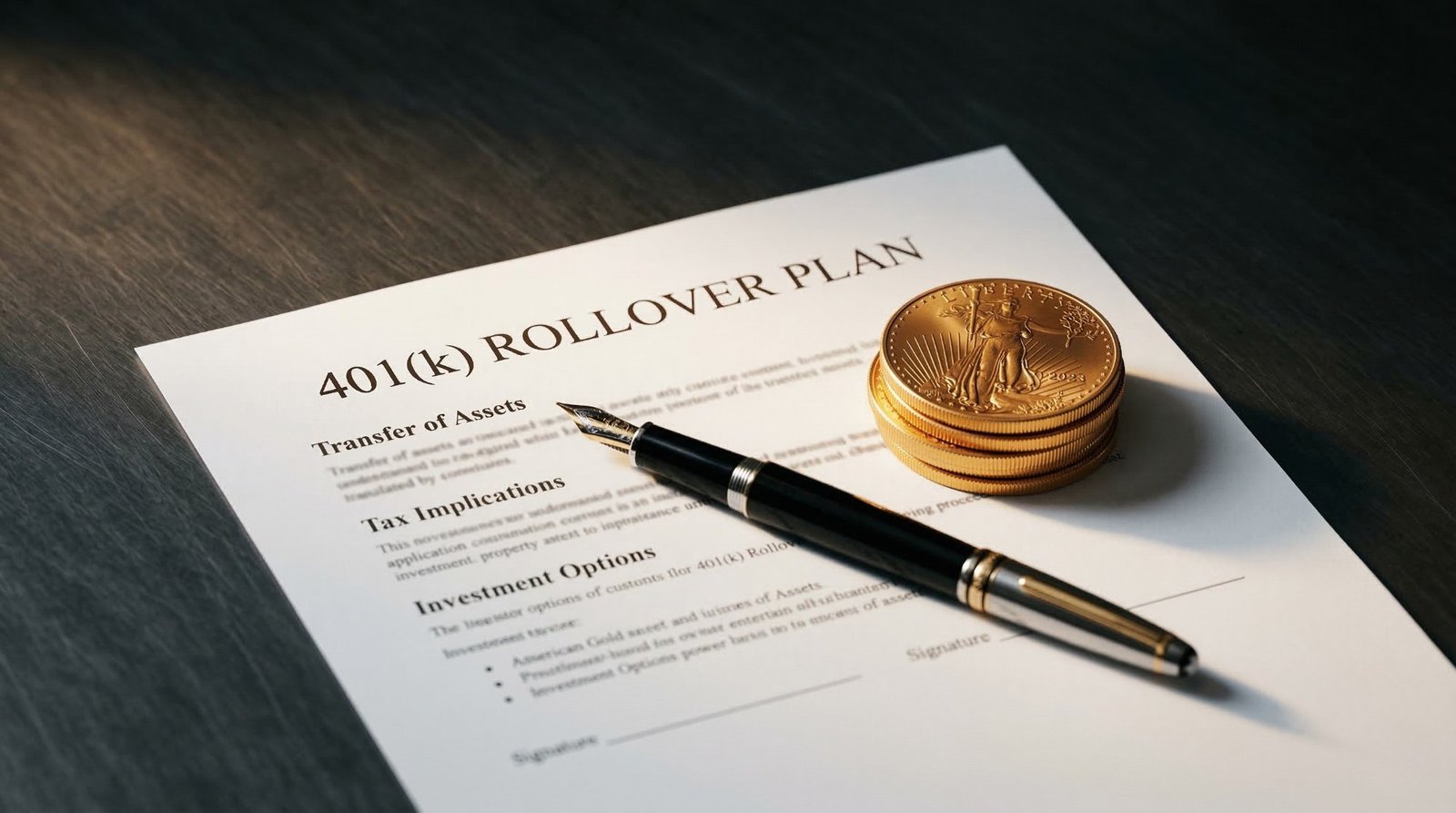
Be particularly cautious of companies requesting immediate payment or demanding funds be sent to accounts that don’t match the company name. Standard 401(k) to Gold IRA rollover guide procedures involve direct transfers between custodians, not payments to individual companies.
How to Research Companies Properly
Verify Credentials and Registrations
Before engaging with any precious metals company, verify their credentials through multiple official sources. Check their business registration with state authorities, confirm any claimed licenses, and research their standing with industry organizations.
Review their complaint history with regulatory agencies and consumer protection organizations. Companies with legitimate business practices welcome scrutiny and readily provide verification information.
Examine Fee Structures Carefully
Request detailed fee schedules from multiple companies and compare costs across different aspects of account management. Understanding Gold IRA rollover rules helps you identify which fees are necessary and which may be excessive.
Legitimate companies provide clear explanations of all costs, including setup fees, annual maintenance charges, storage costs, and transaction fees. Be wary of companies that can’t provide detailed fee information or seem evasive about costs.
Research Customer Reviews and Complaints
Look beyond company websites for customer feedback and complaint information. Check multiple review platforms, regulatory agency databases, and consumer protection websites for patterns of complaints or concerning practices.
Pay attention to complaints about high-pressure sales tactics, difficulty accessing accounts, unexpected fees, or problems with customer service. Multiple similar complaints across different platforms often indicate systemic issues.
Legal Recourse Options
Reporting Fraudulent Companies
If you encounter suspicious practices or believe you’ve been targeted by scammers, report the activity to appropriate authorities. Contact your state’s securities regulator, the Consumer Financial Protection Bureau, and relevant industry organizations.
File complaints with the Federal Trade Commission and consider contacting local law enforcement if you’ve suffered financial losses. Documentation of communications and transactions helps authorities investigate and potentially pursue legal action.
Recovering Lost Funds
Recovery of funds lost to precious metals scams can be challenging but may be possible through various channels. Contact your bank or credit card company immediately if you’ve made payments to fraudulent companies, as they may be able to reverse charges or block further transactions.
Consider consulting with attorneys specializing in investment fraud, particularly if significant amounts are involved. Some cases may qualify for recovery through investor protection programs or class action lawsuits.
Understanding Gold IRA vs Traditional IRA differences helps you evaluate whether precious metals investments align with your retirement planning goals while avoiding companies that misrepresent these investment vehicles.
Due Diligence Best Practices
Take Time for Research
Never make immediate decisions when contacted by precious metals companies, regardless of claimed urgency. Legitimate investment opportunities don’t disappear overnight, and reputable companies understand the importance of informed decision-making.
Spend time researching is a Gold IRA a good idea for your specific situation before engaging with any companies. Understanding the fundamentals helps you identify companies making unrealistic claims or misrepresenting how these accounts function.
Consult Multiple Sources
Speak with financial advisors, tax professionals, or retirement planning experts before making significant changes to your retirement accounts. These professionals can help you understand the implications of different investment choices and identify potential red flags in company presentations.
Review educational resources from authoritative sources like SEC investor resources to understand legitimate investment practices and regulatory requirements.
Understand Minimum Requirements
Research Gold IRA minimum investment requirements from legitimate companies to understand typical industry standards. Scammers may claim unusually low minimums to attract customers or demand excessive initial investments without justification.
Compare minimum investment requirements across multiple reputable companies to establish reasonable expectations for account setup and maintenance.
FAQ
How can I verify if a Gold IRA company is legitimate?
Check the company’s registration with state and federal regulatory agencies, verify their business license through official channels, and research their complaint history with the Better Business Bureau and consumer protection agencies. Legitimate companies readily provide license numbers and regulatory contact information for verification.
What should I do if I think I’ve been targeted by a Gold IRA scam?
Stop all communication with the suspected fraudulent company immediately, document all interactions and materials received, and report the activity to your state securities regulator, the FTC, and relevant law enforcement agencies. Contact your bank or credit card company if you’ve made any payments.
Are there specific phrases or claims that indicate a Gold IRA scam?
Yes, be cautious of companies claiming government endorsements, promising guaranteed returns, creating artificial urgency with limited-time offers, or suggesting you can store IRA precious metals at home. Legitimate companies acknowledge investment risks and follow IRS storage requirements.
How much should I expect to pay in fees for a legitimate Gold IRA?
Fee structures vary among legitimate companies, but typical costs include setup fees ($50-$175), annual maintenance fees ($75-$300), storage fees ($100-$300 annually), and transaction fees for purchases and sales. Be wary of companies with fees significantly above or below these ranges.
What’s the best way to research Gold IRA companies before investing?
Start by verifying licensing and regulatory standing, then compare fee structures and services across multiple companies. Read customer reviews from independent sources, check complaint histories, and consult with financial professionals before making decisions. Take time to understand the basics through educational resources rather than relying solely on company sales materials.
Working with our comprehensive guide to how to avoid Gold IRA scams provides additional strategies for identifying trustworthy companies and avoiding fraudulent operators in this industry.
When you’re ready to explore legitimate options, our research team has evaluated dozens of companies to identify the most reputable providers. Review our analysis of the Best Gold IRA Companies of 2026 to find properly licensed, transparent companies with strong customer service records and competitive fee structures.
This article is for informational purposes only and does not constitute financial or tax advice. Investing in precious metals involves risk including possible loss of principal.
Related guides
- Gold IRA Consumer Affairs Reviews: What to Look For
- Gold IRA Trustpilot Reviews: What Real Customers Say
- Gold IRA BBB Complaints: What Consumer Reports Reveal
- Is a Gold IRA Worth the Fees? A Cost-Benefit Analysis
- Are Gold IRA Fees Too High? Breaking Down the Real Costs
- Gold IRA Mistakes to Avoid: 10 Common Errors Investors Make