
Gold Bars in an IRA: Purity Requirements and Approved Options
Gold bars represent one of the most straightforward ways to hold physical precious metals in a retirement account, but understanding which gold bars qualify for Individual Retirement Account ownership requires careful attention to Internal Revenue Service regulations. The IRS maintains strict purity standards and approval processes that determine which gold bars can legally reside in retirement accounts.
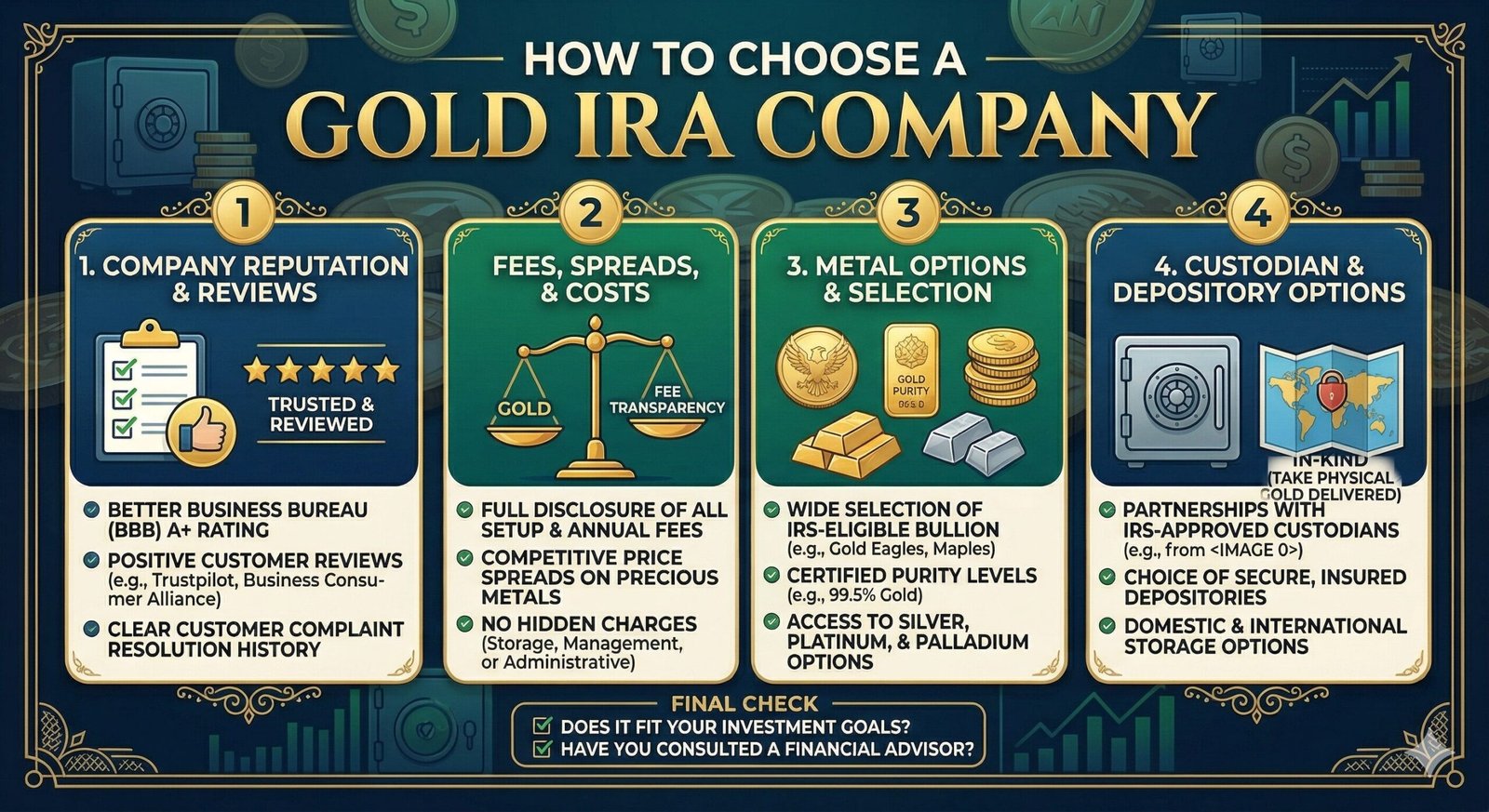
When exploring what a Gold IRA is, many investors discover that gold bars often provide a cost-effective approach to precious metals ownership compared to coins, typically carrying lower premiums over spot gold prices. However, the apparent simplicity of gold bar ownership within retirement accounts involves navigating specific compliance requirements that differentiate IRA-eligible bars from general investment-grade gold products.
Understanding IRS Purity Requirements for Gold Bars
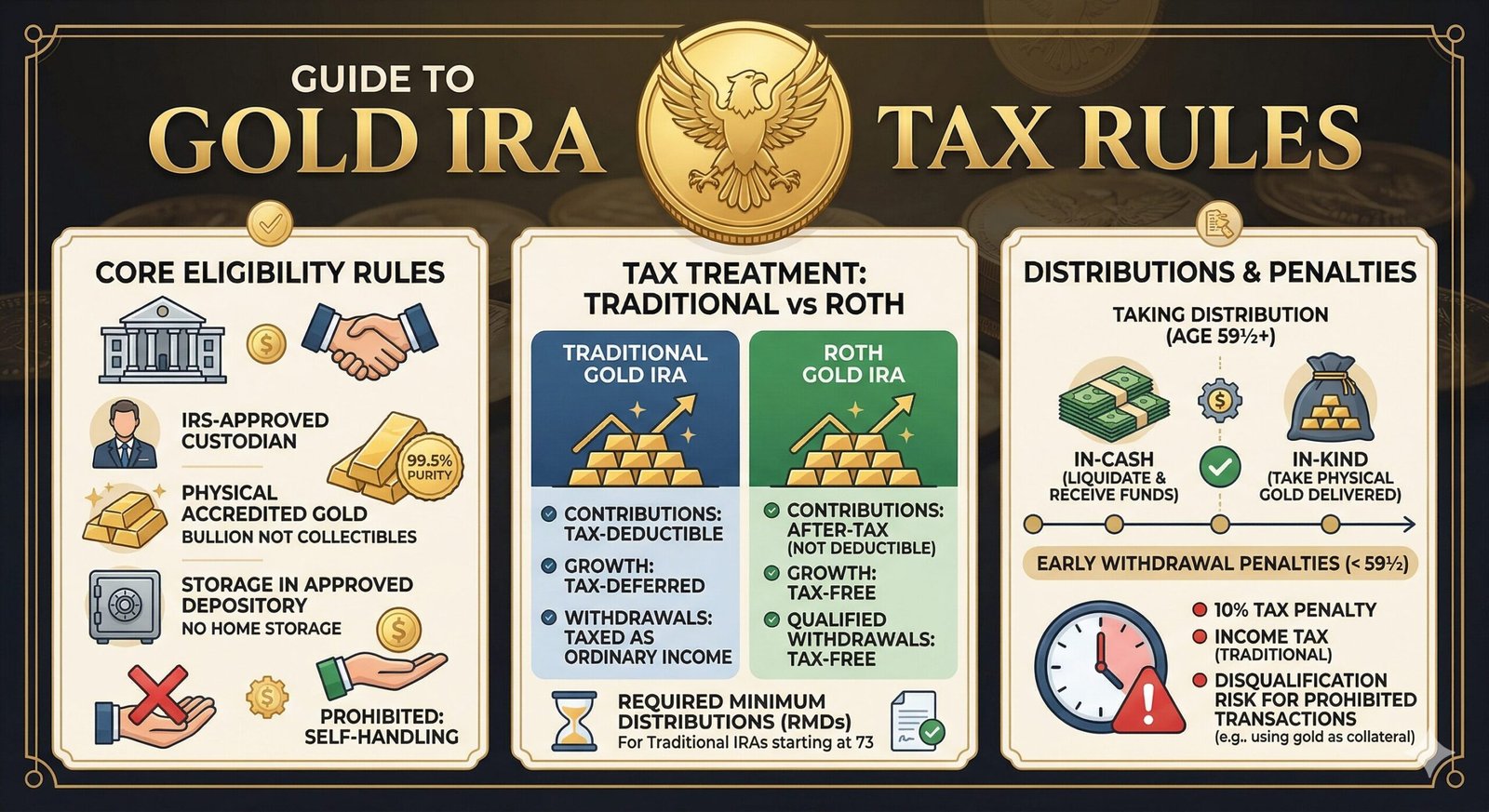
The Internal Revenue Service establishes minimum fineness standards for all precious metals held within retirement accounts. According to IRS Publication 590-A, gold bars must meet a minimum purity level of .995 fine, meaning the gold content must be at least 99.5 percent pure. This standard ensures that IRA-held gold bars maintain investment-grade quality and market liquidity.
The purity requirement applies universally to all gold bars regardless of size, manufacturer, or country of origin. Whether considering one-ounce bars or larger kilobars, the .995 fineness threshold remains constant. This standard aligns with international precious metals trading conventions and ensures that IRA-held gold maintains broad market acceptance.
Gold bars meeting IRA purity requirements typically display their fineness markings prominently, along with manufacturer identification and weight specifications. These markings serve as verification of compliance with IRS standards and facilitate proper documentation for retirement account custodians.
Approved Gold Bar Manufacturers and Refineries
The IRS does not maintain an official list of approved gold bar manufacturers, but instead relies on established industry standards and recognized refinery operations. Gold bars from COMEX-approved refineries generally meet IRA eligibility requirements, as these facilities undergo rigorous quality control processes and maintain consistent purity standards.
Several prominent refineries produce IRA-eligible gold bars, including PAMP Suisse, Valcambi, Credit Suisse, and various national mints. These manufacturers operate under strict quality control protocols and maintain industry certifications that support their gold bars’ acceptance within retirement accounts.
American Eagle gold bars, produced by the United States Mint, automatically qualify for IRA ownership regardless of purity level due to their government-issued status. This exception applies specifically to American Eagle products and does not extend to other government-minted items unless they separately meet the .995 fineness requirement.
When evaluating gold bars for IRA inclusion, custodians typically require products from established, recognized manufacturers with documented quality control processes. This approach helps ensure compliance with IRS standards while minimizing administrative complications during account setup and ongoing management.
Size Options and Practical Considerations
Gold bars for IRA ownership come in various sizes, from one-gram units to kilogram bars and larger. The choice of bar size often depends on investment goals, budget considerations, and storage logistics within approved depository facilities.
Smaller gold bars, typically ranging from one gram to one ounce, offer flexibility for gradual accumulation strategies and may appeal to investors making regular contributions to their retirement accounts. These smaller bars typically carry higher premiums over spot gold prices but provide easier liquidity options for future distributions.
Larger gold bars, including ten-ounce, kilogram, and 400-ounce options, generally offer lower premiums over spot prices and may appeal to investors making substantial one-time transfers into precious metals IRAs. However, larger bars may present liquidity challenges during distribution phases, as selling portions of large bars requires refining or specialized market channels.
The storage requirements for different bar sizes remain consistent within approved depository facilities, as all IRA-held precious metals must reside in qualified storage locations regardless of their physical dimensions. This requirement applies equally to fractional-gram bars and large institutional-sized bars.
Storage Requirements and Custodial Rules
All gold bars held within IRA accounts must remain in the custody of approved precious metals depositories, as outlined in our comprehensive Gold IRAs Explained in Detail guide. The IRS prohibits personal possession of IRA-held precious metals, making professional storage a mandatory component of gold bar ownership within retirement accounts.
Approved depositories maintain segregated storage options, ensuring that individual investors’ gold bars remain physically separated from other holdings. This segregated storage approach provides clear ownership identification and facilitates accurate record-keeping for retirement account purposes.
The depositories handling IRA gold bars must meet specific insurance, security, and operational standards established by the IRS and industry regulatory bodies. These facilities typically maintain comprehensive insurance coverage, advanced security systems, and detailed inventory tracking protocols to ensure the safety and accountability of stored precious metals.
Custodial fees for gold bar storage vary among different service providers and storage arrangements. Some custodians charge flat annual fees regardless of holdings size, while others implement scaled fee structures based on account values or specific storage requirements.
Purchasing Process for IRA Gold Bars
The process of adding gold bars to an IRA typically begins with establishing a self-directed retirement account through a qualified custodian specializing in precious metals holdings. This custodian must approve all gold bar purchases to ensure compliance with IRS regulations and account structure requirements.
Once the self-directed IRA is established, investors can direct their custodian to purchase specific gold bars from approved dealers or refineries. The custodian handles the transaction details, including payment processing, product verification, and arrangement for delivery to approved storage facilities.
Understanding Gold IRA rollover rules becomes essential for investors transferring existing retirement funds into precious metals accounts. These transfers must follow strict IRS guidelines to maintain the tax-advantaged status of retirement savings while enabling gold bar ownership.
The timeline for gold bar purchases within IRA accounts typically spans several business days to complete, depending on product availability, payment processing, and logistics coordination between custodians, dealers, and depositories. This timeline differs from direct precious metals purchases, which can often be completed more rapidly.
Cost Considerations and Fee Structures
Gold bars in IRAs involve several cost components beyond the underlying precious metals prices. These costs include dealer premiums, custodial fees, storage charges, and potential insurance expenses that affect the overall investment economics.
Dealer premiums on gold bars typically range from one to five percent above spot gold prices, depending on bar size, manufacturer, and market conditions. Larger bars generally carry lower percentage premiums, while smaller bars may command higher premiums due to manufacturing and handling costs.
For detailed information about various fee structures, our Gold IRA fees guide provides comprehensive comparisons among different service providers. Understanding these ongoing costs helps investors make informed decisions about gold bar ownership within retirement accounts.
Tax Implications and Distribution Rules
Gold bars held within traditional IRAs follow the same tax treatment as other retirement account assets. Contributions may be tax-deductible depending on income levels and other retirement plan participation, while distributions are typically taxed as ordinary income when taken during retirement.
Roth IRA gold bars follow different tax rules, with after-tax contributions enabling tax-free distributions during retirement, provided certain holding period and age requirements are met. The choice between traditional and Roth IRA structures for gold bar ownership depends on current tax situations and retirement income expectations.
Required minimum distributions begin at age 73 for traditional IRA holders, including those with gold bar holdings. These distributions can be satisfied through in-kind transfers of gold bars or through sales of precious metals to generate cash distributions. The IRS RMD FAQ provides detailed guidance on distribution requirements.
Early distribution penalties apply to gold bar withdrawals from IRAs before age 59½, similar to other retirement account assets. These penalties, combined with ordinary income tax treatment, make early access to IRA gold bars costly and generally inadvisable except in specific circumstances.
Quality Verification and Documentation
Proper documentation accompanies all IRA-eligible gold bars, including certificates of authenticity, purity verification, and chain of custody records. These documents provide essential proof of compliance with IRS standards and support accurate account valuation for reporting purposes.
Many approved gold bars feature sophisticated anti-counterfeiting measures, including holographic seals, unique serial numbers, and proprietary marking systems. These security features help ensure authenticity and provide additional verification for custodians and depositories handling IRA assets.
Regular auditing processes verify the presence and condition of IRA-held gold bars within approved storage facilities. These audits provide account holders with periodic confirmations of their precious metals holdings and support ongoing compliance with regulatory requirements.
The documentation requirements for IRA gold bars extend beyond initial purchase verification to include ongoing inventory tracking, condition assessments, and valuation updates that support accurate retirement account reporting and management.
Common Considerations for IRA Gold Bar Ownership
Many investors wonder about the practical aspects of gold bar ownership within retirement accounts, particularly regarding liquidity, market access, and eventual distribution strategies. Gold bars generally offer good liquidity through established precious metals markets, though the specific liquidity characteristics vary among different bar sizes and manufacturers.
The timing of gold bar purchases within IRA accounts can affect overall investment outcomes, though past performance is not a guarantee of future results. Market timing considerations apply to all investment decisions and should be evaluated within the context of overall retirement planning objectives.
Storage location options exist within the approved depository network, with some investors preferring facilities closer to their primary residences while others prioritize specific security features or fee structures. The choice of storage facility typically involves balancing cost, convenience, and service quality considerations.
For those considering whether is a Gold IRA a good idea for their specific circumstances, gold bars represent just one option among various precious metals products available for retirement account inclusion. The decision should consider individual investment objectives, risk tolerance, and overall retirement planning strategies.
Frequently Asked Questions
What is the minimum purity required for gold bars in an IRA?
Gold bars held in IRAs must meet a minimum fineness of .995, meaning they must be at least 99.5% pure gold. This requirement is established by the IRS and applies to all gold bars regardless of size or manufacturer, except for American Eagle products which are exempt from the purity requirement due to their government-issued status.
Can I store IRA gold bars at home or in a personal safe deposit box?
No, the IRS requires all precious metals held in IRAs to be stored at approved depositories. Personal possession of IRA-held gold bars is prohibited and would result in the entire value being treated as a taxable distribution, plus potential early withdrawal penalties if you’re under age 59½.
What sizes of gold bars are available for IRA investment?
IRA-eligible gold bars range from one gram to kilogram sizes and larger institutional bars. Popular sizes include one-ounce, ten-ounce, and kilogram bars. Smaller bars offer more flexibility but typically carry higher premiums, while larger bars generally have lower premiums over spot gold prices.
How are gold bars valued in my IRA account?
Gold bars in IRAs are typically valued based on current precious metals market prices, updated regularly by the custodian. The valuation considers the specific weight and purity of your holdings, and these values are used for account statements, required minimum distribution calculations, and tax reporting purposes.
What happens to my gold bars if I need to take a required minimum distribution?
When RMDs are required from your traditional IRA, you can either direct your custodian to sell a portion of your gold bars to generate cash for the distribution, or in some cases, you may be able to take an in-kind distribution of actual gold bars. The specific options depend on your custodian’s policies and the value of your holdings relative to your RMD requirement.
When considering precious metals for retirement planning, exploring the options available through our comprehensive guide to the Best Gold IRA Companies of 2026 can help identify custodians and dealers specializing in gold bar transactions. These companies provide the expertise and infrastructure necessary to navigate the regulatory requirements and logistical considerations involved in gold bar ownership within retirement accounts.
This article is for informational purposes only and does not constitute financial or tax advice. Investing in precious metals involves risk including possible loss of principal.