
Is a Gold IRA Safe? Understanding the Real Risks
When considering precious metals for retirement planning, many investors ask whether a Gold IRA presents a secure option for their long-term financial goals. The answer requires examining multiple layers of oversight, storage requirements, and inherent risks that come with any investment vehicle.
Gold IRAs operate under the same regulatory framework as traditional retirement accounts, with additional requirements specific to physical precious metals. Understanding these structures helps investors make informed decisions about whether this type of account aligns with their retirement objectives.
Regulatory Framework and Oversight
Gold IRAs fall under IRS Publication 590-A guidelines, which govern all Individual Retirement Accounts. The Internal Revenue Service maintains strict rules about which precious metals qualify for inclusion in these accounts, requiring specific purity standards and approved coin or bar types.
The regulatory structure includes several key components. First, all Gold IRAs must be established through an IRS-approved custodian who specializes in alternative assets. These custodians must meet specific licensing requirements and maintain proper insurance coverage for client assets.
Second, the precious metals themselves must be stored in an approved depository facility. These facilities operate under strict security protocols and carry comprehensive insurance policies covering the stored metals. The combination of custodial oversight and professional storage creates multiple layers of institutional control over the assets.
Understanding what a Gold IRA is helps clarify why these regulatory requirements exist. Unlike traditional IRAs that hold paper assets, Gold IRAs involve physical commodities that require specialized handling and storage infrastructure.
Storage Security and Insurance Coverage
Professional depositories that store Gold IRA assets maintain bank-level security measures including 24/7 monitoring, armed guards, and advanced alarm systems. These facilities are typically insured through Lloyd’s of London or similar high-rated insurance providers, with coverage extending to the full value of stored metals.
The insurance structure operates on multiple levels. Depository facilities carry institutional coverage for their operations, while individual custodians often maintain additional insurance for client assets. This redundant coverage structure aims to address various potential scenarios that could affect stored precious metals.
Storage options typically include segregated and non-segregated arrangements. Segregated storage keeps individual investor metals separate from others, while non-segregated storage pools metals from multiple investors. Both options maintain detailed inventory tracking systems and regular auditing procedures to verify asset holdings.
The choice between storage types affects both costs and the specific tracking of individual pieces, though both maintain the same fundamental security standards for the physical facilities.
Custodial Responsibilities and Oversight
Gold IRA custodians serve as the primary interface between investors and their precious metals holdings. These entities must be banks, trust companies, or other organizations approved by the IRS to serve as retirement account custodians. The approval process includes financial stability requirements and ongoing regulatory oversight.
Custodial responsibilities extend beyond simple record-keeping. These organizations must ensure all transactions comply with IRS rules, coordinate with approved depositories for storage, and provide detailed reporting to both investors and tax authorities. They also facilitate required minimum distributions when account holders reach the appropriate age.
The FINRA’s guidance on self-directed IRAs emphasizes the importance of understanding custodial structures before establishing any alternative asset retirement account. Investors should verify their chosen custodian’s credentials and track record before proceeding with account establishment.
Investment Risks and Considerations
Like all investment vehicles, Gold IRAs involve specific risks that potential investors should understand thoroughly. Precious metals prices fluctuate based on various economic factors, and past performance is not a guarantee of future results. These price movements can significantly affect account values over both short and long-term periods.
Liquidity considerations also play a role in Gold IRA planning. While precious metals markets operate globally, converting physical metals back to cash typically requires more time and steps than selling traditional securities. This process involves coordination between the custodian, depository, and precious metals dealers.
Our Gold IRA fees guide details the various costs associated with these accounts, which tend to be higher than traditional IRA expenses. These fees include custodial charges, storage costs, insurance premiums, and transaction fees for buying or selling metals. Understanding the full fee structure helps investors evaluate the total cost of ownership.
Storage fees represent an ongoing expense that continues throughout the life of the account. Unlike paper assets that require minimal maintenance costs, physical precious metals need secure storage facilities with appropriate insurance coverage, creating recurring annual expenses.
Due Diligence and Company Selection
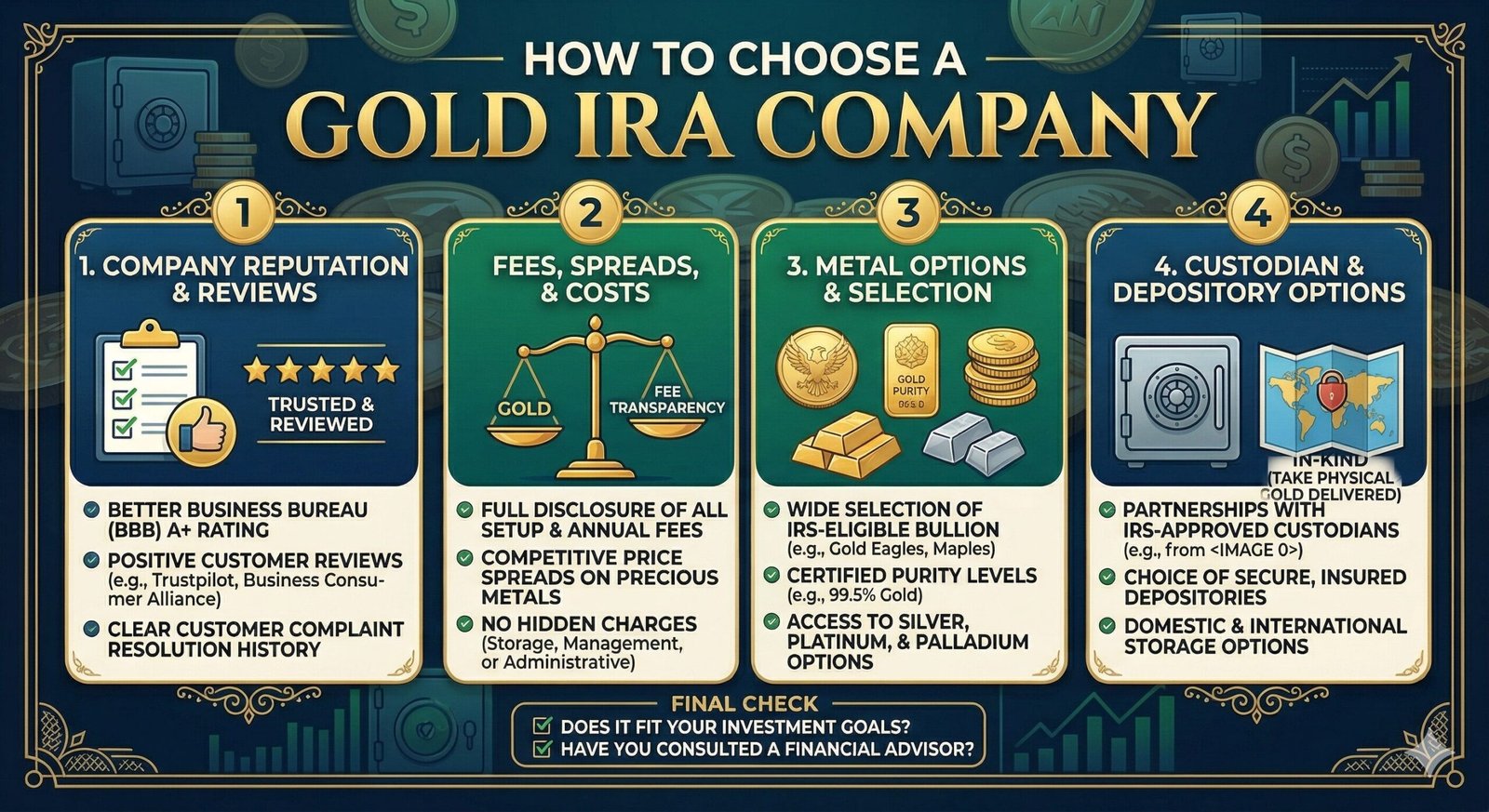
Choosing reputable service providers becomes crucial for Gold IRA investors. This process involves researching custodians, depositories, and precious metals dealers to verify their credentials, track records, and customer service standards. The SEC investor resources provide guidance on evaluating financial service providers.
Company verification should include checking business licenses, Better Business Bureau ratings at bbb.org, and any regulatory actions or complaints. For custodians and dealers with securities licensing, FINRA BrokerCheck provides additional background information.
Understanding Gold IRA rollover rules helps investors navigate the process of transferring funds from existing retirement accounts. These transfers must follow specific timelines and procedures to avoid tax consequences or penalties.
The comparison between Gold IRA vs Traditional IRA structures reveals important differences in complexity, costs, and administrative requirements. Gold IRAs involve more moving parts and specialized service providers, increasing the importance of thorough due diligence.
Market Access and Approved Metals
IRA-eligible precious metals must meet specific purity requirements established by the IRS. Gold must be 99.5% pure, silver 99.9% pure, platinum 99.95% pure, and palladium 99.95% pure. Only certain coins and bars from approved refiners and mints qualify for inclusion in retirement accounts.
The list of IRA-eligible gold coins includes American Gold Eagles, Canadian Gold Maple Leafs, and other government-minted coins meeting purity standards. Approved gold bars must come from COMEX-approved refiners and carry proper assay certificates.
Understanding these requirements helps investors avoid purchasing non-qualifying metals that could result in IRS penalties or forced distributions. Working with experienced dealers who specialize in IRA-eligible metals reduces the risk of compliance issues.
Long-term Considerations
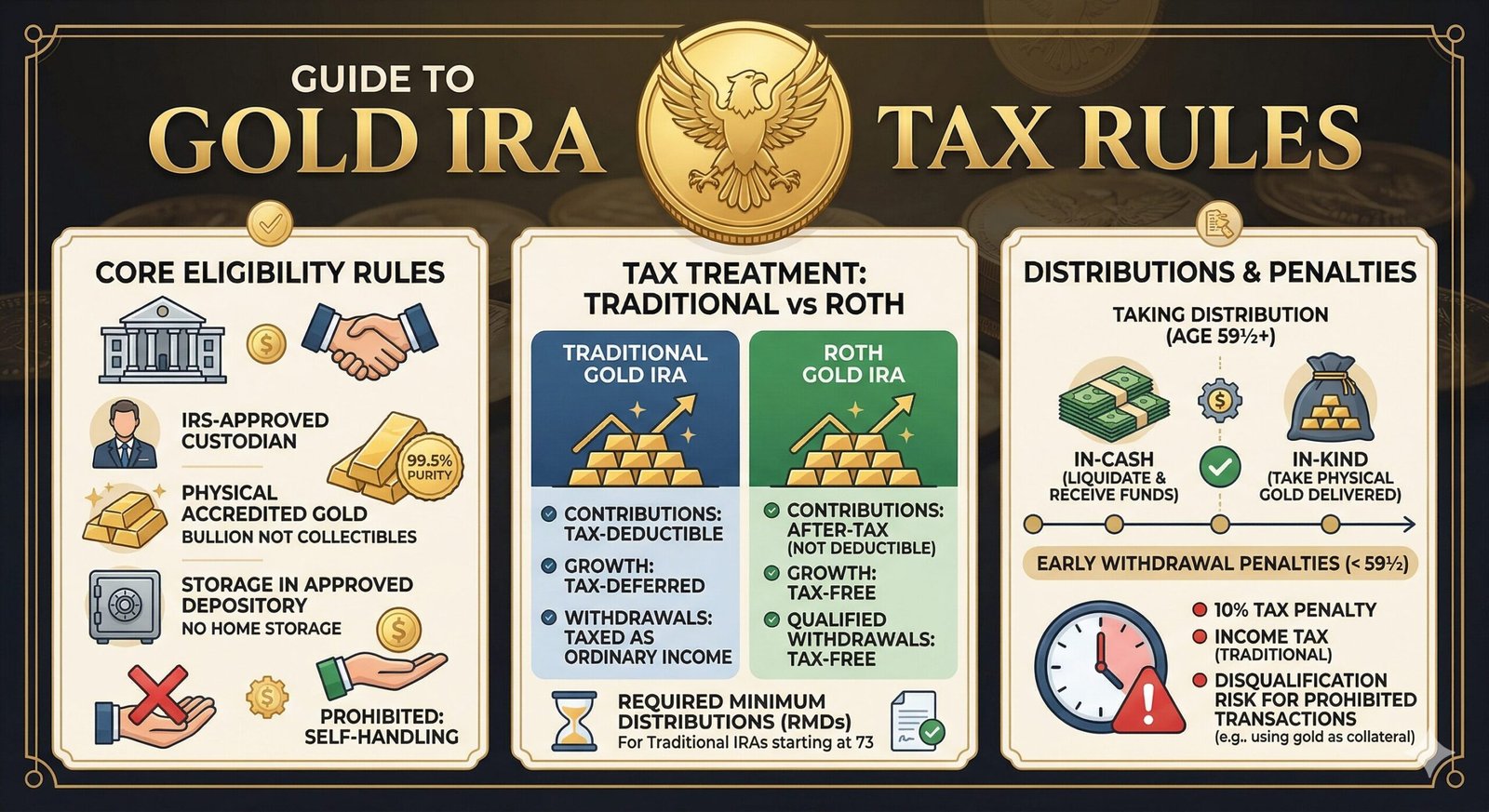
Gold IRAs operate under the same distribution rules as other retirement accounts, including required minimum distributions beginning at age 73. The IRS RMD FAQ provides detailed information about these requirements.
Distribution options for Gold IRAs include taking physical delivery of metals or selling them for cash distributions. Each option carries different tax implications and logistical considerations that should be planned well in advance of actual distribution timing.
The question of is a Gold IRA a good idea depends on individual circumstances, risk tolerance, and overall retirement planning objectives. These accounts represent one option among many for retirement savings, each with distinct characteristics and considerations.
Administrative complexity tends to be higher for Gold IRAs compared to traditional retirement accounts. Investors should be prepared for additional paperwork, coordination between multiple service providers, and ongoing monitoring of storage and custodial arrangements.
Avoiding Common Pitfalls
Several potential issues can affect Gold IRA investors who don’t properly understand the requirements and restrictions. Purchasing non-qualifying metals, using non-approved custodians, or attempting to store metals personally can result in significant tax consequences.
Our Gold IRA scams guide outlines warning signs of fraudulent operators and high-pressure sales tactics. Legitimate precious metals dealers and custodians provide clear information about fees, storage arrangements, and regulatory compliance without rushing investors into quick decisions.
Understanding Gold IRA minimum investment requirements helps investors plan appropriate funding levels. Many custodians and dealers establish minimum account sizes to justify the administrative costs associated with these specialized accounts.
The comparison between Gold IRA vs 401(k) options reveals different contribution limits, employer matching opportunities, and rollover procedures. Some investors use Gold IRAs as part of broader retirement planning that includes multiple account types.
Frequently Asked Questions
What happens to my Gold IRA if the custodian goes out of business?
Gold IRA assets are held separately from custodian assets and should be transferred to another approved custodian if the original company ceases operations. The precious metals themselves remain in the depository under the account holder’s name, providing continuity during any custodial transitions.
Are Gold IRAs insured by the FDIC like bank accounts?
No, Gold IRAs are not covered by FDIC insurance since they contain physical commodities rather than cash deposits. However, the depositories that store the metals typically carry comprehensive insurance coverage through private insurers to cover the stored assets.
Can I store my Gold IRA metals at home?
No, IRS rules require that Gold IRA metals be stored in an approved depository facility. Attempting to store IRA metals personally results in the distribution being treated as a taxable event, potentially triggering penalties and taxes on the entire account value.
How quickly can I sell my Gold IRA metals if needed?
The liquidation process typically takes several business days to complete, involving coordination between the custodian, depository, and precious metals dealer. This timeline is generally longer than selling traditional securities but allows for orderly processing of the physical metals.
What documentation do I need to establish a Gold IRA?
Establishing a Gold IRA requires standard retirement account paperwork plus additional forms specific to precious metals storage and custodial arrangements. Most custodians provide complete documentation packages that include all necessary forms for account establishment and funding.
When considering precious metals for retirement planning, thorough research and understanding of all requirements and risks becomes essential. Working with our recommended Best Gold IRA Companies of 2026 can help ensure proper account setup and ongoing compliance with all applicable regulations.
This article is for informational purposes only and does not constitute financial or tax advice. Investing in precious metals involves risk including possible loss of principal.