
What Is a Self-Directed IRA? Complete Explanation
A self-directed IRA represents a significant departure from traditional retirement accounts, offering investors considerably more control over their retirement fund investment choices. Unlike conventional IRAs managed by banks or brokerage firms with limited investment menus, self-directed IRAs allow account holders to invest in a much broader range of assets, including real estate, private businesses, precious metals, and alternative investments.
The fundamental concept behind self-directed IRAs centers on expanded investment freedom while maintaining the same tax advantages as traditional and Roth IRAs. Account holders make their own investment decisions, conduct their own research, and bear responsibility for due diligence on all investments. This increased autonomy comes with both opportunities and responsibilities that every potential investor should understand thoroughly.
Understanding what a self-directed IRA is becomes particularly relevant for investors seeking to include precious metals in their retirement planning. These accounts provide the legal framework necessary for holding physical gold, silver, platinum, and palladium within tax-advantaged retirement accounts, subject to specific IRS regulations and custodial requirements.
How Self-Directed IRAs Work
Self-directed IRAs operate under the same basic tax framework as traditional IRAs but with expanded investment options. The IRS permits self-directed IRA holders to invest in virtually any asset except life insurance, collectibles, and S-corporation stock. This broad permission includes real estate, private placements, tax liens, foreign currency, and precious metals, among other alternative investments.
The account structure requires three key participants: the account holder, the custodian, and often a third-party administrator. The custodian holds legal title to the IRA assets and ensures compliance with IRS regulations, while the account holder directs all investment decisions. Some arrangements include administrators who handle paperwork and facilitate transactions, though this role varies by provider.
Investment transactions in self-directed IRAs follow specific procedures to maintain tax-advantaged status. All investment income, whether rental income from real estate or gains from precious metals sales, flows back into the IRA account. Similarly, all investment expenses must be paid from IRA funds, creating a closed-loop system that maintains the account’s tax-advantaged status.
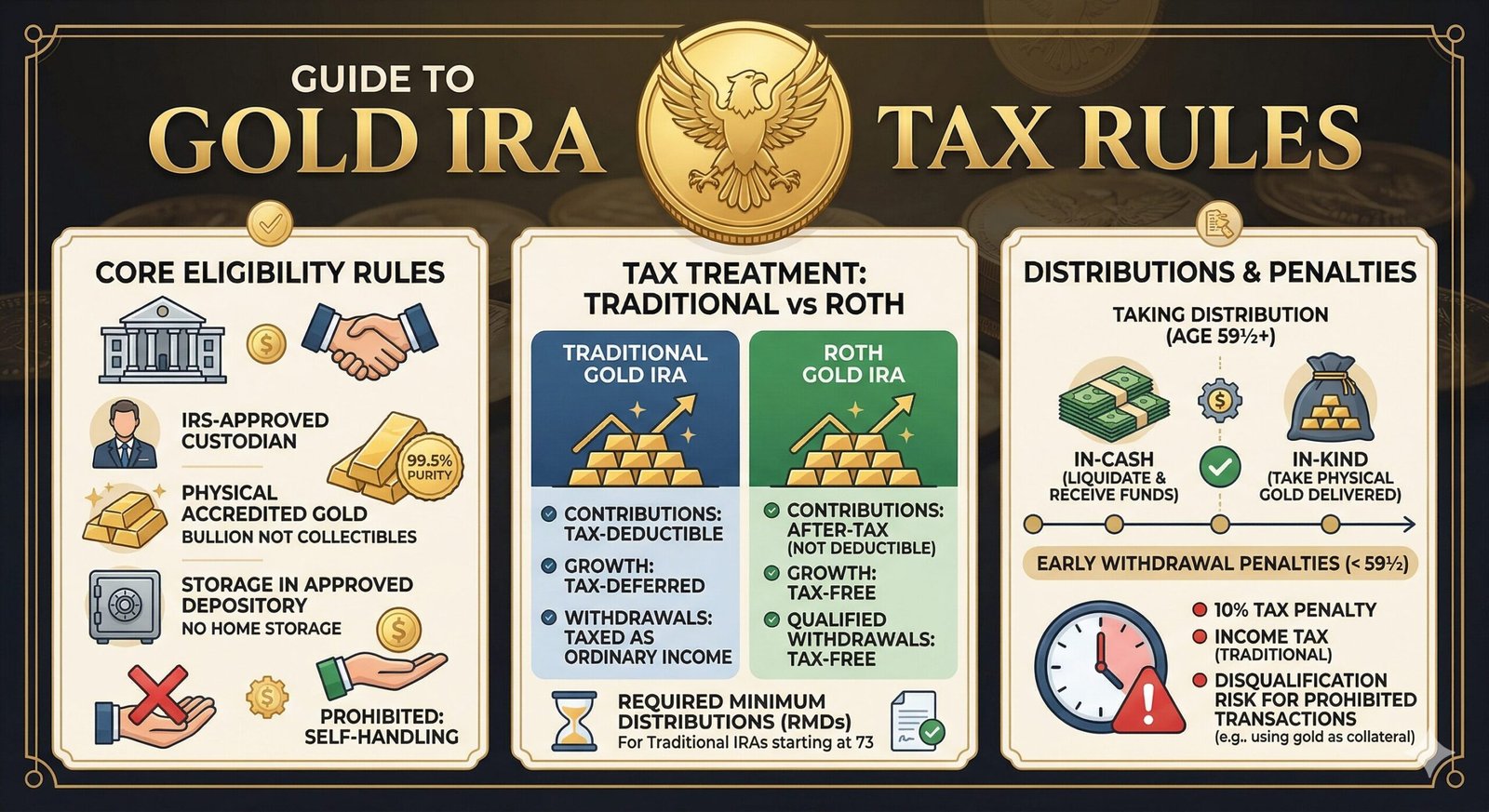
The IRS maintains strict rules about self-dealing and prohibited transactions within self-directed IRAs. Account holders cannot use IRA assets for personal benefit during the accumulation phase, nor can they engage in transactions with disqualified persons, including family members and entities they control. Violating these rules can result in the entire IRA being treated as distributed, triggering immediate taxes and penalties.
Investment Options and Opportunities
Self-directed IRAs open doors to investment categories typically unavailable through traditional retirement accounts. Real estate represents one of the most popular alternatives, allowing investors to purchase rental properties, raw land, commercial buildings, or even real estate investment trusts (REITs) not available through standard brokerages.
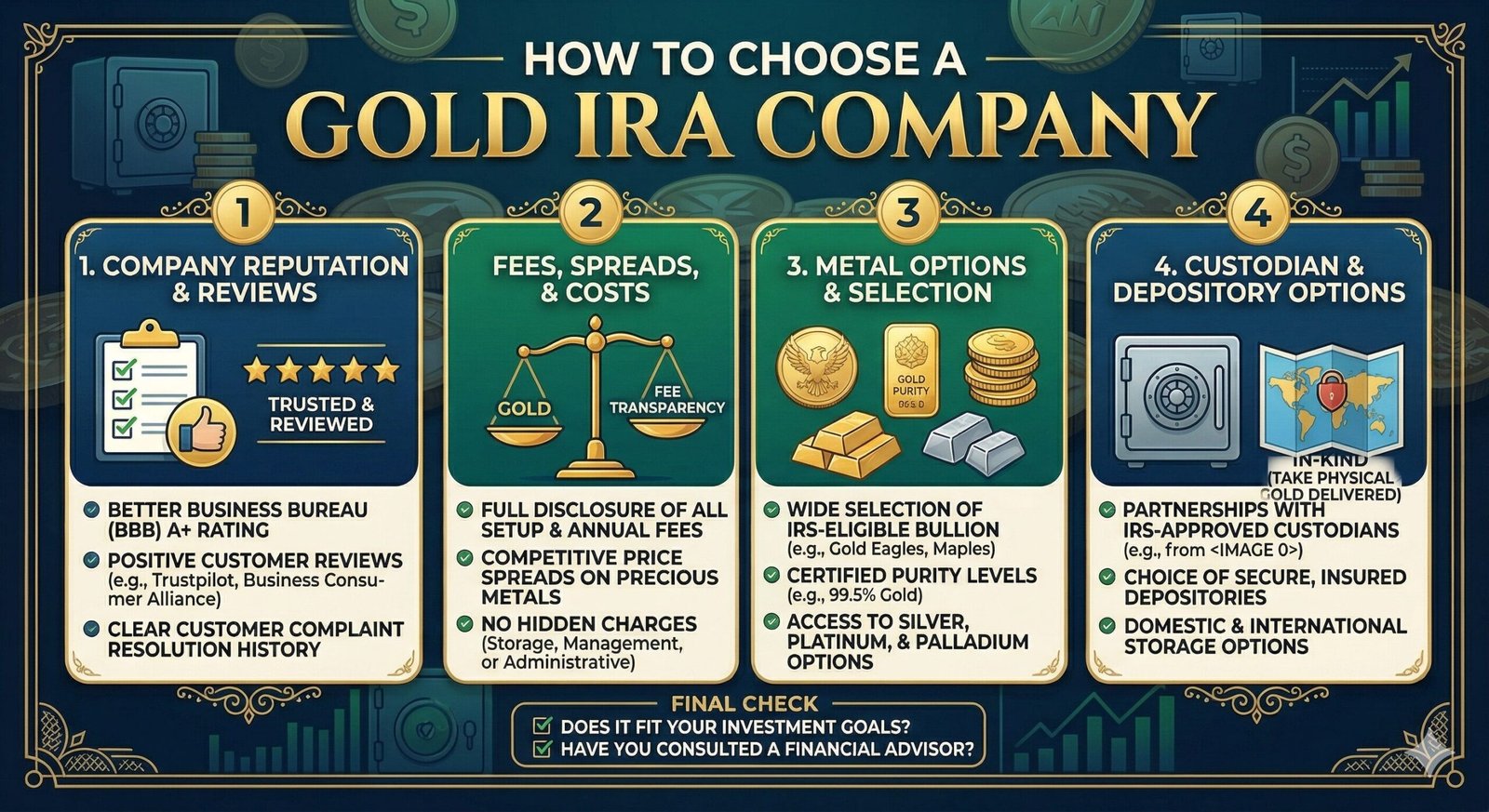
Precious metals constitute another significant investment category within self-directed IRAs. The IRS permits investment in specific gold, silver, platinum, and palladium coins and bars that meet fineness requirements. These metals must be stored in approved depositories and cannot be held personally by the account holder. Our Gold IRA hub provides comprehensive information about incorporating precious metals into retirement planning.
Private equity investments, including stakes in private companies, limited partnerships, and investment funds, represent additional opportunities for sophisticated investors. These investments often require substantial minimum investments and lengthy holding periods but can provide exposure to investment opportunities unavailable in public markets.
Debt instruments beyond traditional bonds expand investment possibilities further. Self-directed IRA holders can purchase promissory notes, mortgage notes, tax liens, and other debt instruments. These investments can potentially generate regular income streams while offering different risk profiles than traditional securities.
Custodian Requirements and Selection
Self-directed IRAs require specialized custodians approved by the IRS to handle alternative investments. Unlike traditional IRA custodians who primarily deal with publicly traded securities, self-directed IRA custodians must accommodate complex transactions, maintain proper documentation, and ensure regulatory compliance across diverse asset classes.
The selection process for self-directed IRA custodians requires careful evaluation of several factors. Experience with specific investment types, fee structures, customer service quality, and technological capabilities all influence the overall account experience. FINRA’s guidance on self-directed IRAs provides valuable insights into custodian selection criteria.
Custodial services typically include asset valuation, transaction processing, regulatory reporting, and maintaining proper documentation. Some custodians offer additional services like investment property management or precious metals storage arrangements, while others focus primarily on basic custodial functions.
The relationship between account holders and custodians requires clear communication about investment intentions and ongoing account management. Custodians cannot provide investment advice but must ensure all transactions comply with IRS regulations and maintain proper documentation for tax purposes.
Fee Structures and Costs
Self-directed IRA fee structures differ significantly from traditional retirement accounts due to the complexity and administrative requirements of alternative investments. Understanding these costs helps investors make informed decisions about account management and investment strategies.
Annual custodial fees typically range from several hundred to over a thousand dollars, depending on account complexity and asset types. These fees often increase with account value or the number of different investments held within the account.
Transaction fees apply to most investment activities, including purchases, sales, and asset transfers. Real estate transactions generally incur higher fees than precious metals purchases due to the documentation and legal requirements involved.
Additional costs may include storage fees for precious metals, property management fees for real estate investments, or appraisal costs for illiquid assets. These expenses can significantly impact overall returns, making cost analysis crucial for investment planning.
For investors considering precious metals, our Gold IRA fees guide provides detailed information about costs associated with precious metals investments in retirement accounts.
Regulatory Framework and Compliance
The IRS governs self-directed IRAs under the same fundamental rules as traditional IRAs but with additional complexity due to alternative investments. IRS Publication 590-A outlines basic IRA rules, while additional guidance addresses specific issues related to alternative investments.
Prohibited transaction rules represent the most critical compliance area for self-directed IRA holders. These rules prevent account holders from engaging in certain transactions with disqualified persons, including family members, and prohibit using IRA assets for personal benefit before retirement age.
The IRS requires annual valuation of all IRA assets, creating challenges for illiquid investments like real estate or private companies. Account holders must obtain qualified appraisals for these assets, often requiring professional valuation services and associated costs.
Unrelated business income tax (UBIT) may apply to certain investments within self-directed IRAs. Real estate purchased with debt financing or active business investments can generate UBIT, requiring the IRA to file tax returns and pay taxes on certain income.
Required minimum distributions (RMDs) begin at age 73 for traditional IRAs, including self-directed accounts. The IRS RMD FAQ provides guidance on calculating distributions, which can become complex with illiquid investments.
Due Diligence and Risk Management
Self-directed IRA investing places complete responsibility for due diligence on account holders. Unlike traditional retirement accounts where professional fund managers research and select investments, self-directed IRA holders must evaluate all investment opportunities independently.
Investment research requirements vary significantly by asset class. Real estate investments require market analysis, property inspections, title research, and ongoing property management considerations. Precious metals investments demand understanding of market conditions, dealer reputation, storage requirements, and authenticity verification.
Private placement investments often require sophisticated financial analysis, understanding of business models, and evaluation of management teams. These investments frequently involve complex legal documents and lengthy holding periods that require careful consideration.
Risk management in self-directed IRAs extends beyond individual investment analysis to include liquidity considerations, regulatory compliance, and account administration. Unlike publicly traded securities that can be sold quickly, many self-directed IRA investments require significant time to liquidate.
Documentation requirements for self-directed IRAs exceed those of traditional accounts due to the complexity of alternative investments. Maintaining proper records becomes crucial for tax reporting, regulatory compliance, and eventual account distributions.
Converting to Self-Directed IRAs
Converting existing retirement accounts to self-directed IRAs involves specific procedures and timing considerations. Traditional and Roth IRAs can typically be transferred directly to self-directed IRA custodians without tax consequences, while employer-sponsored plans like 401(k)s may require specific rollover procedures.
The conversion process begins with selecting an appropriate self-directed IRA custodian and completing account opening procedures. This process typically requires several weeks due to documentation requirements and coordination between custodians.
Existing investments in traditional IRAs may need to be liquidated before transfer, depending on the receiving custodian’s capabilities. Some self-directed custodians can accept transfers of publicly traded securities, while others require cash transfers only.
For investors specifically interested in precious metals, our 401(k) to Gold IRA rollover guide provides detailed information about converting employer-sponsored plans to self-directed arrangements that accommodate precious metals investments.
Timing considerations include market conditions for liquidating existing investments, tax implications of conversion activities, and coordination with existing custodians. Understanding Gold IRA rollover rules becomes particularly important for investors considering precious metals investments.
Common Misconceptions and Pitfalls
Several misconceptions surround self-directed IRAs that can lead to costly mistakes. Many investors believe they can hold IRA assets personally or use them for personal benefit, which violates prohibited transaction rules and can result in account disqualification.
The belief that self-directed IRAs eliminate all investment restrictions proves false. While investment options expand significantly, IRS rules still prohibit certain transactions and investments. Understanding these limitations prevents inadvertent violations that could jeopardize tax-advantaged status.
Some investors underestimate the administrative complexity and ongoing responsibilities associated with self-directed IRAs. Unlike traditional retirement accounts with minimal account holder involvement, self-directed IRAs require active management, ongoing compliance monitoring, and detailed record-keeping.
Liquidity assumptions about alternative investments often prove overly optimistic. Real estate, private placements, and even precious metals may require significant time to liquidate, creating challenges for investors who need quick access to funds.
The assumption that all investment advisors understand self-directed IRA rules can lead to problematic advice. Many financial advisors focus primarily on traditional investments and may not fully understand the complexity of alternative investment regulations within retirement accounts.
Frequently Asked Questions
What investments are prohibited in self-directed IRAs?
The IRS prohibits self-directed IRA investments in life insurance contracts, collectibles (with specific exceptions for certain precious metals), and S-corporation stock. Additionally, any transaction that constitutes self-dealing or involves disqualified persons violates prohibited transaction rules.
Can I store precious metals from my self-directed IRA at home?
No, IRS regulations require precious metals held in self-directed IRAs to be stored at approved depositories. Personal storage of IRA precious metals constitutes a prohibited transaction and can result in the entire account being treated as distributed, triggering taxes and penalties.
How are self-directed IRA assets valued for tax purposes?
Self-directed IRA assets must be valued annually at fair market value. For illiquid assets like real estate or private companies, this typically requires professional appraisals. Precious metals are generally valued based on current market prices provided by approved sources.
What happens if I accidentally engage in a prohibited transaction?
Prohibited transactions result in the affected portion of the IRA being treated as distributed on January 1st of the year the transaction occurred. This triggers immediate taxation and, for account holders under age 59½, early withdrawal penalties. The transaction cannot be reversed or corrected.
Can I manage rental property held in my self-directed IRA personally?
While you cannot personally manage property held in your self-directed IRA, you can direct the custodian to hire property management companies or contractors for maintenance and tenant relations. All rental income and expenses must flow through the IRA account, and you cannot provide personal services to the property.
Self-directed IRAs offer sophisticated investors expanded opportunities for retirement planning, including the ability to include precious metals and other alternative investments in tax-advantaged accounts. However, these opportunities come with increased responsibilities, compliance requirements, and potential risks that require careful consideration and ongoing attention.
Understanding what a self-directed IRA is represents just the first step in determining whether this account type aligns with your retirement planning goals. The complexity of regulations, ongoing administrative requirements, and investment due diligence responsibilities make self-directed IRAs most suitable for knowledgeable investors comfortable with active account management.
If you’re considering incorporating precious metals into your retirement planning through a self-directed IRA, research reputable providers through our comprehensive Best Gold IRA Companies of 2026 guide to find custodians and dealers that can support your investment objectives while ensuring full regulatory compliance.
This article is for informational purposes only and does not constitute financial or tax advice. Investing in precious metals involves risk including possible loss of principal.