
Gold IRA vs Physical Gold: Which Is Right for You?
When considering precious metals for retirement planning, investors often find themselves weighing two primary options: establishing a Gold IRA or purchasing physical gold directly. Both approaches offer exposure to gold ownership, but they differ significantly in terms of tax treatment, storage requirements, accessibility, and overall costs.
Understanding these differences is crucial for retirement investors who want to incorporate precious metals into their financial planning. Each approach comes with distinct advantages and considerations that may align differently with your individual circumstances, timeline, and investment objectives.
Understanding Gold IRAs
A Gold IRA represents a self-directed individual retirement account that holds physical precious metals instead of traditional paper assets. These accounts operate under the same tax-deferred or tax-free principles as conventional IRAs, depending on whether you choose a traditional or Roth structure.
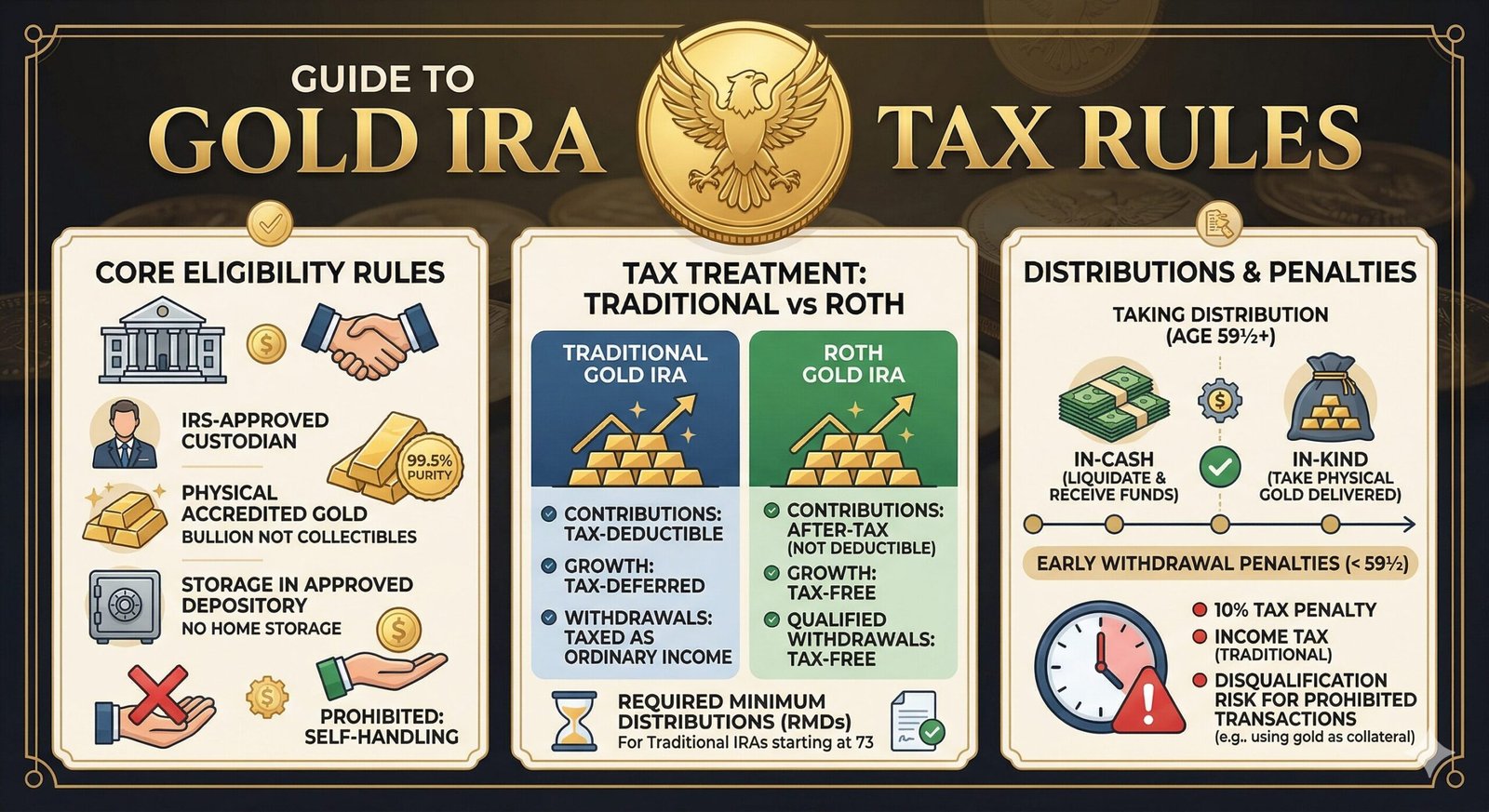
The Internal Revenue Service maintains strict requirements for Gold IRAs. The precious metals must meet specific purity standards, and only certain coins and bars qualify for inclusion. Additionally, an IRS-approved custodian must hold the metals in an approved depository facility, ensuring compliance with federal regulations.
Gold IRAs follow the same contribution limits and distribution rules as other retirement accounts. For 2024, individuals under 50 can contribute up to $7,000 annually, while those 50 and older can contribute up to $8,000, including the catch-up contribution. These limits apply to your total IRA contributions across all accounts.
The tax advantages of Gold IRAs mirror those of traditional retirement accounts. With a traditional Gold IRA, contributions may be tax-deductible, and growth occurs tax-deferred until distribution. Roth Gold IRAs use after-tax dollars for contributions, but qualified distributions in retirement are tax-free.
However, Gold IRAs require more complex administration than conventional retirement accounts. You’ll work with a specialized custodian who handles the regulatory compliance, and the physical metals must remain in an approved depository throughout the account’s life.
Direct Physical Gold Ownership
Purchasing physical gold directly means taking immediate possession of coins, bars, or other precious metals forms. This approach offers complete control over your gold holdings, allowing you to store them at home, in a bank safety deposit box, or with a private storage company of your choosing.
Direct ownership eliminates the need for custodians, annual account fees, and many of the regulatory requirements associated with retirement accounts. You can buy and sell your gold at any time without restrictions on timing, quantity, or age-related distribution rules.
The flexibility of direct ownership extends to storage options and access. Some investors prefer keeping their gold at home for immediate availability, while others choose professional storage services for enhanced security. The choice remains entirely yours, unlike Gold IRAs where storage must occur in IRS-approved facilities.
Physical gold ownership also provides privacy that retirement accounts cannot match. Your transactions remain between you and the dealer, without the reporting requirements and documentation that accompany retirement account activities. This privacy appeals to investors who prefer keeping their precious metals holdings discrete.
However, direct ownership means forgoing the tax advantages that retirement accounts provide. You’ll purchase gold with after-tax dollars, and any gains from selling will be subject to capital gains taxes, which can be substantial depending on your holding period and tax bracket.
Storage and Security Considerations
Storage represents one of the most significant practical differences between these two approaches. Gold IRA holders must use IRS-approved depositories, which typically offer high-security facilities with insurance, segregated storage options, and professional oversight.
These approved depositories maintain strict security protocols, including 24-hour monitoring, advanced alarm systems, and comprehensive insurance coverage. The facilities often provide segregated storage, meaning your specific metals remain separate from other investors’ holdings, though this service typically comes at an additional cost.
Direct ownership places storage responsibility entirely on your shoulders. Home storage offers immediate access but requires significant security considerations, including safes, alarm systems, and homeowner’s insurance evaluation. Many homeowner’s policies provide limited coverage for precious metals, potentially requiring additional insurance.
Bank safety deposit boxes provide an alternative for direct ownership, offering professional security at a lower cost than private depositories. However, access is limited to banking hours, and coverage for precious metals in safety deposit boxes varies significantly among financial institutions.
Private storage companies serve direct owners who want professional security without Gold IRA restrictions. These services often cost less than IRA-approved depositories and may offer more flexible access terms, though they won’t provide the tax advantages of retirement accounts.
Cost Comparison
The fee structures for Gold IRAs and direct ownership differ substantially, impacting your overall returns over time. Gold IRAs typically involve multiple ongoing fees, including custodial fees, storage fees, and potentially insurance costs.
Annual custodial fees for Gold IRAs generally range from $75 to $300, depending on the provider and account size. Storage fees vary based on the depository and storage type, typically ranging from $100 to $300 annually for segregated storage of moderate amounts.
Transaction fees also apply to Gold IRA purchases and sales, often ranging from $25 to $50 per transaction. Some custodians charge additional fees for account setup, wire transfers, or detailed statements, adding to the overall cost burden.
Direct ownership eliminates custodial fees entirely, though storage costs depend on your chosen method. Home storage incurs no ongoing fees beyond initial security investments, while professional storage typically costs less than IRA-approved facilities.
The dealer spread represents the primary cost for direct purchases, typically ranging from 3% to 8% above spot price for popular coins. This one-time cost often compares favorably to the accumulated annual fees of Gold IRAs over extended periods.
Liquidity and Access Differences
Liquidity varies significantly between Gold IRAs and direct ownership, particularly regarding timing and age-related restrictions. Gold IRA holders face standard retirement account distribution rules, meaning withdrawals before age 59½ typically incur a 10% early withdrawal penalty plus regular income taxes.
Even after reaching eligible withdrawal age, Gold IRA distributions require coordination between you, your custodian, and the depository. The process can take several days to weeks, depending on whether you choose to receive the physical metals or their cash equivalent.
Direct ownership provides immediate liquidity without age restrictions or penalties. You can sell your gold at any time to local dealers, online buyers, or precious metals companies, often completing transactions within hours or days.
However, the ease of selling depends on what you own and where you sell it. Popular coins like American Gold Eagles or Canadian Maple Leafs generally command better prices and sell more easily than less common items. Local coin shops may offer immediate payment but potentially lower prices than specialized precious metals dealers.
Gold IRAs require taking required minimum distributions (RMDs) beginning at age 73, following the same rules as traditional retirement accounts. The IRS RMD FAQ provides detailed guidance on these requirements, which apply regardless of your preference to hold or sell the metals.
Tax Implications
The tax treatment represents perhaps the most significant difference between these approaches, potentially impacting your overall financial outcome substantially over time. Gold IRAs enjoy the same tax advantages as other retirement accounts, making them particularly attractive for investors in higher tax brackets.
Traditional Gold IRA contributions may qualify for tax deductions, reducing your current taxable income. The metals then grow tax-deferred until distribution, when they’re taxed as ordinary income regardless of how long you held them.
Roth Gold IRAs use after-tax contributions but provide tax-free growth and distributions in retirement, assuming you meet the five-year rule and age requirements. This structure can be particularly valuable if you expect to be in a higher tax bracket during retirement.
Direct ownership receives capital gains treatment, which can be more favorable for long-term holders. Gold held for more than one year qualifies for long-term capital gains rates, which are generally lower than ordinary income tax rates for most taxpayers.
However, the IRS classifies precious metals as collectibles, subjecting long-term gains to a maximum rate of 28% rather than the standard long-term capital gains rates of 0%, 15%, or 20%. This higher rate partially offsets the capital gains advantage, though it may still be preferable to ordinary income rates for some investors.
Our detailed guide on Gold IRA vs Traditional IRA explores these tax considerations more thoroughly, including specific scenarios where each approach might be more tax-efficient.
Regulatory and Compliance Factors
Gold IRAs operate under extensive IRS oversight, with specific rules governing eligible metals, storage requirements, and transaction procedures. The IRS Publication 590-A outlines many of these requirements, though precious metals IRAs involve additional complexities.
Only certain coins and bars meet IRA eligibility requirements, generally requiring 99.5% purity for gold. Popular options include American Gold Eagles, Canadian Gold Maple Leafs, and various approved bars from recognized refiners. The complete list of eligible items continues to evolve, requiring ongoing attention to maintain compliance.
The prohibited transaction rules apply strictly to Gold IRAs, meaning you cannot store the metals yourself, sell to or buy from the account personally, or use the metals as collateral for loans. Violations can result in immediate account disqualification and significant tax consequences.
Direct ownership faces no such restrictions. You can buy any gold items you choose, store them however you prefer, and transact with anyone willing to buy or sell. This freedom comes at the cost of forgoing retirement account tax advantages.
Record-keeping requirements also differ substantially. Gold IRA custodians handle most documentation, providing annual statements and maintaining transaction records. Direct owners must maintain their own purchase records for tax purposes, including documentation of purchase prices, dates, and selling information.
Making Your Decision
Choosing between a Gold IRA and direct physical gold ownership depends on your specific financial situation, investment timeline, and personal preferences. Several key factors should guide your decision-making process.
Consider your current tax situation and retirement timeline. If you’re in a high tax bracket and have many years until retirement, the tax-deferred growth of a traditional Gold IRA might provide significant advantages. Conversely, if you’re in a lower bracket or closer to retirement, direct ownership might offer more flexibility.
Evaluate your comfort level with storage and security responsibilities. Gold IRAs eliminate these concerns by using professional depositories, while direct ownership requires you to address security, insurance, and access issues personally.
Assess your need for liquidity and control. Direct ownership provides immediate access and complete control, while Gold IRAs offer structured, tax-advantaged growth but with restrictions on access and use.
Review the total cost implications over your expected holding period. While Gold IRAs involve ongoing fees, the tax advantages may outweigh these costs, particularly for longer holding periods and higher tax brackets.
Consider your overall retirement planning strategy and how precious metals fit into your broader financial picture. Our comprehensive resource on what a Gold IRA is can help you understand how these accounts might complement your existing retirement planning.
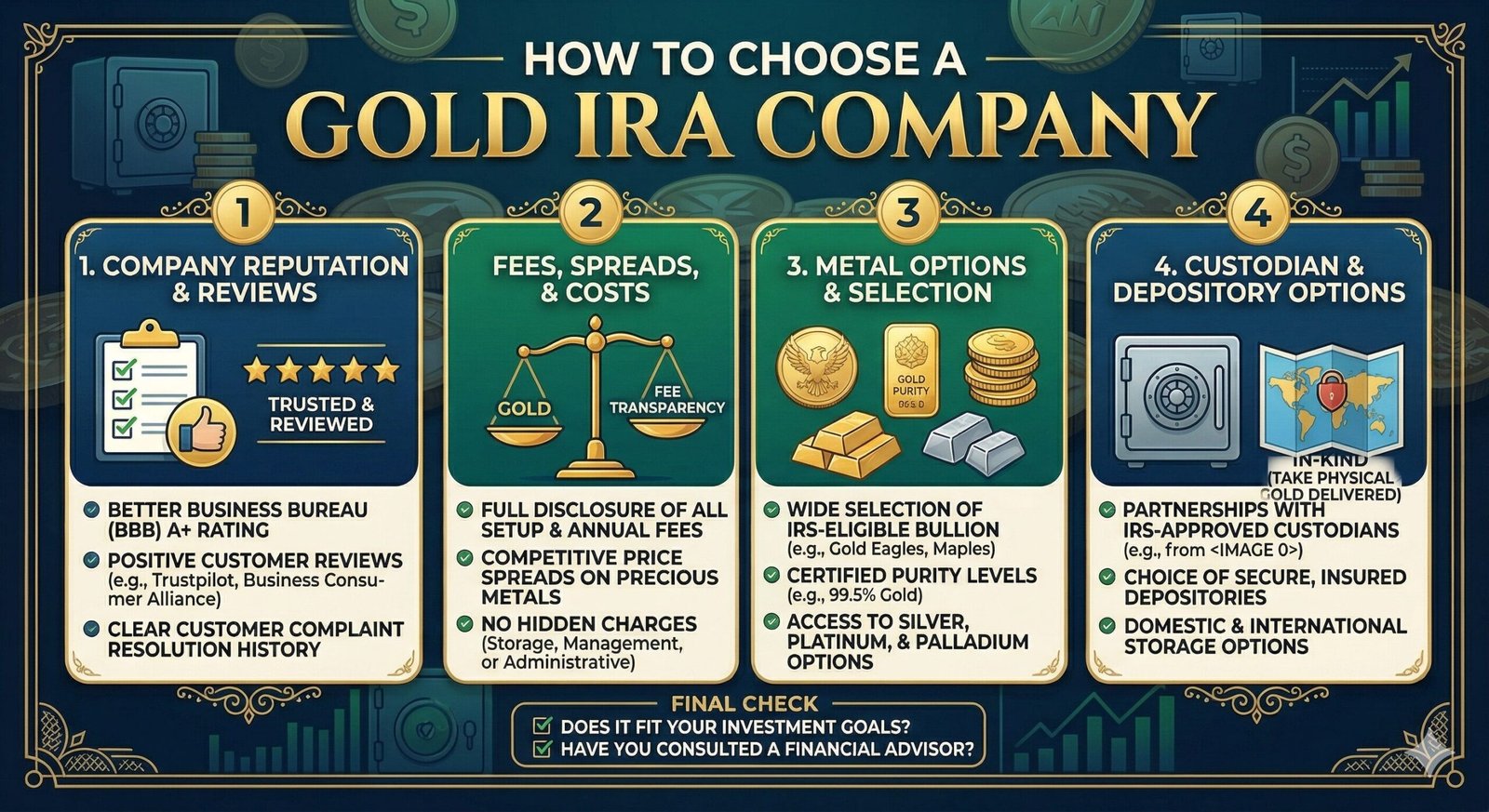
Don’t overlook the importance of working with reputable providers regardless of your choice. For Gold IRAs, research custodians and depositories carefully, checking their credentials and fee structures. For direct purchases, verify dealer reputation and pricing transparency.
Frequently Asked Questions
Can I convert my physical gold into a Gold IRA later?
No, you cannot directly transfer physical gold you already own into a Gold IRA. The IRS prohibits this type of transaction to prevent self-dealing. You would need to sell your physical gold and use the proceeds to fund a Gold IRA, which would involve tax implications and transaction costs.
Are there minimum investment requirements for Gold IRAs vs. physical gold?
Gold IRAs typically have minimum investment requirements set by custodians, often ranging from $10,000 to $25,000. Physical gold purchases have no regulatory minimums, though dealers may have their own minimum order requirements, often as low as $100-$500.
How do I take distributions from a Gold IRA?
You can take Gold IRA distributions either as physical metals delivered to you or as cash equivalent. If choosing physical delivery, you’ll coordinate with your custodian to arrange shipping. Cash distributions involve the custodian selling your metals and sending you the proceeds, minus any applicable fees.
What happens to my Gold IRA if the custodian goes out of business?
Your metals remain your property even if the custodian fails. The assets would typically be transferred to another qualified custodian, though this process might involve some delays and potentially additional fees. This protection doesn’t extend to the custodian company itself, making custodian selection important.
Can I store Gold IRA metals in a safety deposit box?
No, IRS regulations require Gold IRA metals to be stored in approved depositories. Bank safety deposit boxes, home safes, and personal storage do not meet these requirements. Attempting to store Gold IRA metals personally would violate IRS rules and potentially disqualify your entire account.
Understanding the fundamental differences between Gold IRAs and physical gold ownership empowers you to make informed decisions aligned with your retirement planning goals. Each approach offers distinct advantages and considerations that may suit different investors’ needs and circumstances.
For comprehensive guidance on precious metals retirement investing, explore our Best Gold IRA Companies of 2026 to find qualified custodians and learn more about establishing these specialized retirement accounts.
This article is for informational purposes only and does not constitute financial or tax advice. Investing in precious metals involves risk including possible loss of principal.