
Gold IRA vs Physical Gold: Which Is Right for You?
When considering precious metals for retirement planning, investors often find themselves weighing two primary options: establishing a Gold IRA or purchasing physical gold directly. Both approaches offer distinct advantages and come with their own set of considerations that can significantly impact your long-term financial strategy.
Understanding the fundamental differences between these two approaches is crucial for making an informed decision that aligns with your retirement goals, risk tolerance, and personal preferences. While both involve owning precious metals, the structures, tax implications, storage requirements, and accessibility differ substantially.
Understanding Gold IRAs
A Gold IRA represents a self-directed individual retirement account that holds IRS-approved precious metals instead of traditional paper assets. This retirement vehicle operates under the same contribution limits and distribution rules as conventional IRAs, but allows investors to hold physical gold, silver, platinum, and palladium within a tax-advantaged structure.
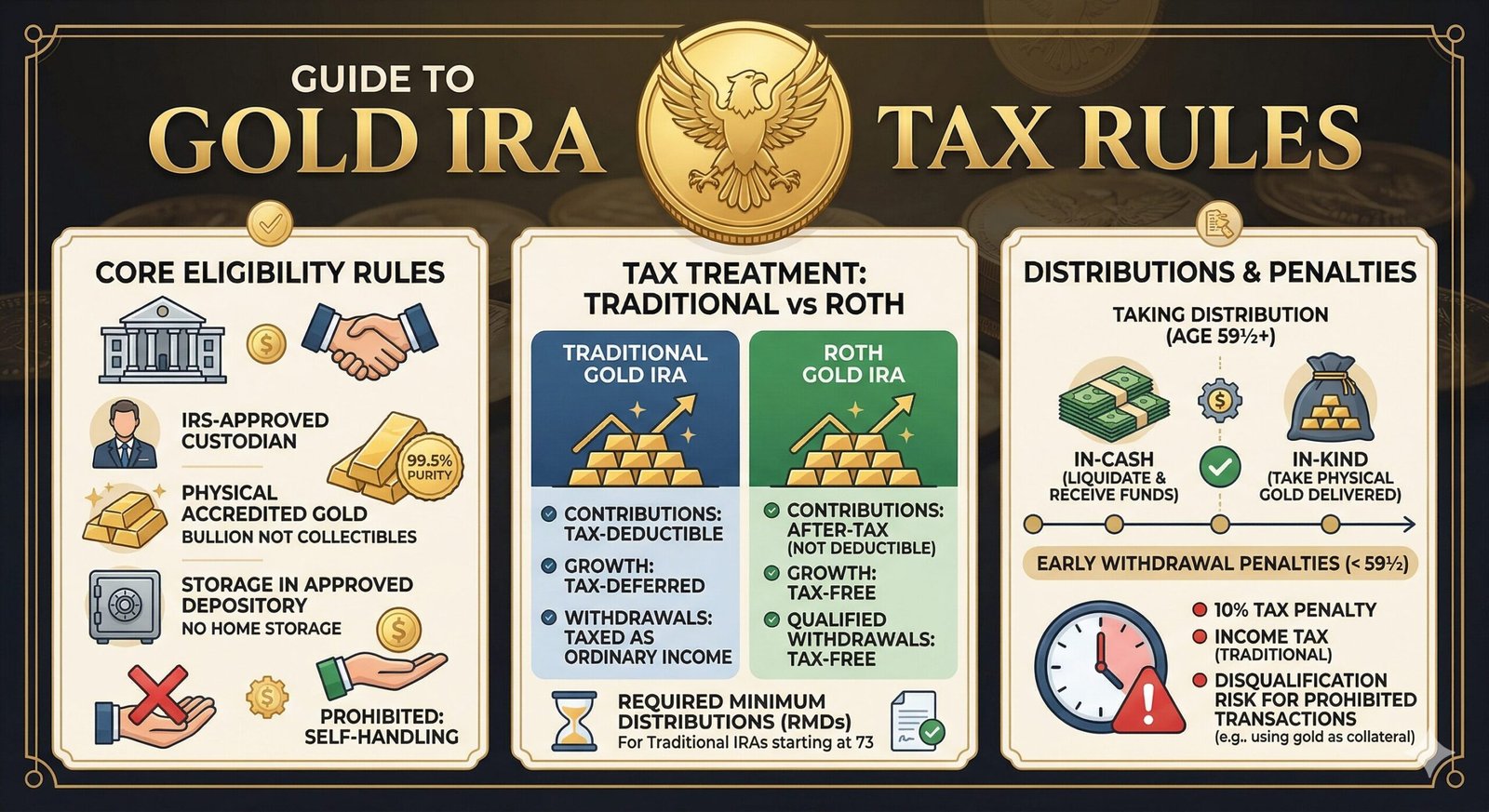
The IRS Publication 590-A outlines the specific requirements for precious metals held within retirement accounts. These metals must meet strict purity standards and be produced by approved refiners or mints. For gold, the minimum fineness requirement is 99.5 percent, while silver must be 99.9 percent pure.
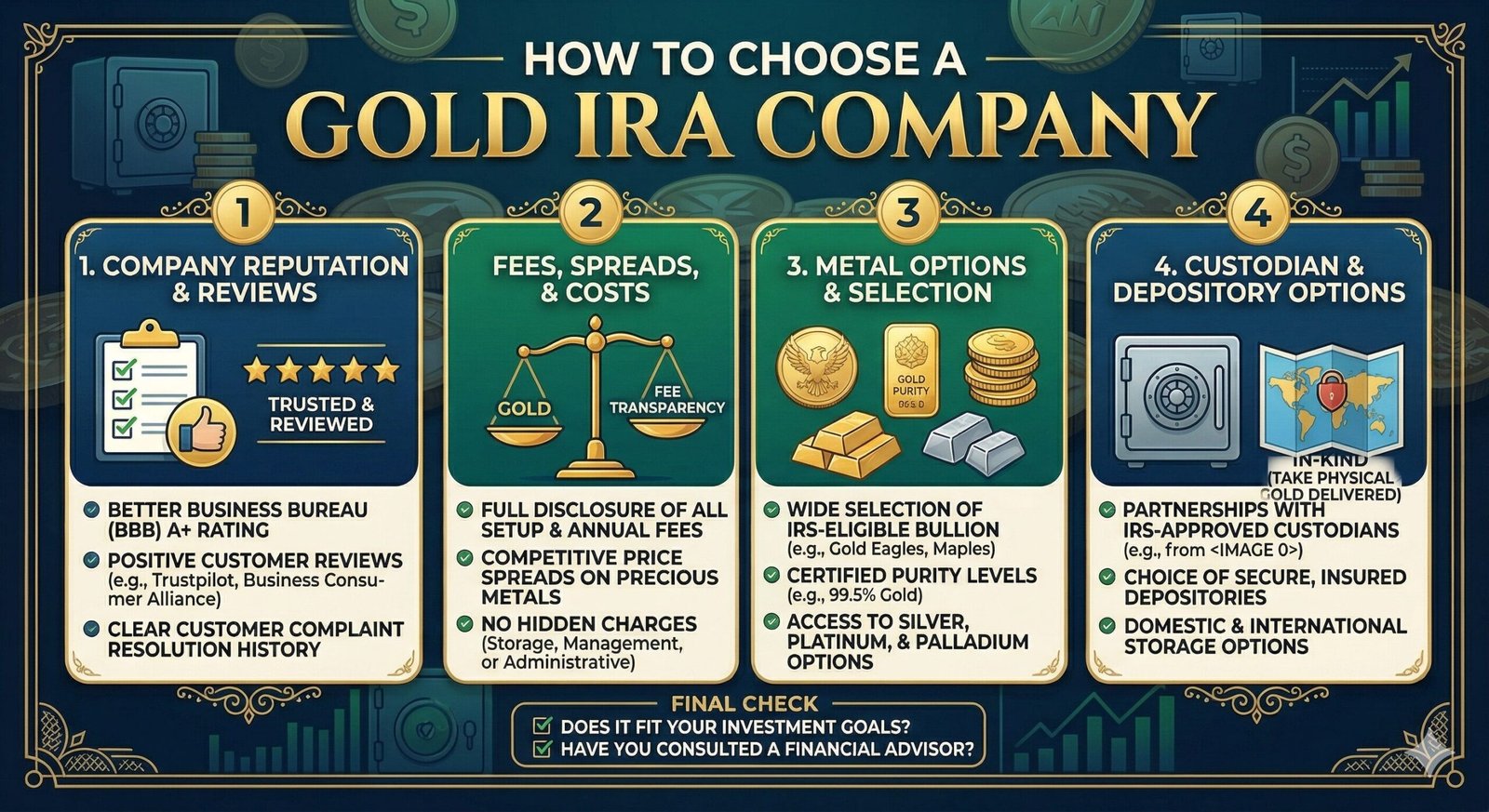
Gold IRAs require three key service providers: a custodian to administer the account, a dealer to facilitate precious metals purchases, and a depository to store the physical metals. This structure ensures compliance with IRS regulations while maintaining the tax-advantaged status of the retirement account.
The setup process typically involves opening a self-directed IRA account, funding it through contributions or rollovers from existing retirement accounts, and then directing the custodian to purchase approved precious metals on your behalf. These metals are then stored in an IRS-approved depository facility.
Direct Physical Gold Ownership
Physical gold ownership involves purchasing precious metals directly and taking personal possession or arranging private storage. This approach provides immediate access to your metals and eliminates the intermediary structures required for retirement account ownership.
When you own physical gold directly, you have complete control over storage decisions, can access your metals at any time, and aren’t bound by retirement account distribution rules. Many investors appreciate the tangible nature of direct ownership and the ability to hold their precious metals in their hands.
However, direct ownership also means you’re responsible for secure storage, insurance, and the safekeeping of your investment. This responsibility can involve significant costs and security considerations that extend beyond the initial purchase price.
The tax treatment of physical gold differs significantly from retirement account holdings. Capital gains taxes apply when you sell physical gold held outside a retirement account, with rates depending on how long you’ve owned the metals and your overall tax situation.
Storage and Security Considerations
Storage represents one of the most significant operational differences between Gold IRAs and physical gold ownership. Gold IRA holdings must be stored in IRS-approved depositories, which are highly secure facilities specifically designed for precious metals storage.
These depositories typically offer segregated storage options, where your specific metals are individually identified and stored separately from other investors’ holdings. Some facilities also provide allocated storage, where your metals are stored together with other investors’ holdings but specifically allocated to your account.
Approved depositories maintain comprehensive insurance coverage, professional security systems, and regular auditing procedures. They’re subject to regulatory oversight and must meet strict operational standards to maintain their IRS approval status.
Physical gold ownership offers more storage flexibility but also more responsibility. Home storage options range from personal safes to safety deposit boxes, each with varying levels of security and accessibility. Some investors opt for private storage facilities or precious metals storage companies that aren’t IRS-approved for retirement accounts but may offer competitive rates and services.
Insurance considerations become particularly important with direct ownership. Homeowner’s insurance policies often have limited coverage for precious metals, potentially requiring additional riders or separate policies to adequately cover your investment.
Tax Implications and Benefits
The tax treatment represents perhaps the most significant difference between these two approaches. Gold IRAs operate within the established retirement account tax framework, offering either traditional pre-tax contributions with tax-deferred growth or Roth after-tax contributions with tax-free growth potential.
Traditional Gold IRAs allow you to deduct contributions from your current taxable income, reducing your immediate tax burden. The metals grow tax-deferred within the account, with taxes due only when you take distributions in retirement. This structure can be particularly beneficial if you expect to be in a lower tax bracket during retirement.
Roth Gold IRAs involve after-tax contributions but offer tax-free growth and distributions in retirement, provided you meet the age and holding period requirements. This approach can be advantageous if you expect to be in a higher tax bracket during retirement or want to leave tax-free assets to heirs.
Direct physical gold ownership doesn’t provide these tax advantages. When you sell physical gold, any gains are subject to capital gains taxes. Gold held for more than one year qualifies for long-term capital gains treatment, which typically offers more favorable rates than ordinary income tax rates.
The IRS treats precious metals as collectibles for tax purposes, which can result in higher tax rates than other capital assets. Long-term capital gains on collectibles are taxed at a maximum rate of 28 percent, potentially higher than the standard long-term capital gains rates applied to stocks and bonds.
Liquidity and Accessibility
Liquidity considerations vary significantly between Gold IRAs and physical ownership. Gold IRA assets are subject to retirement account distribution rules, including early withdrawal penalties for distributions before age 59½ and required minimum distributions beginning at age 73.
When you need to liquidate Gold IRA holdings, the process typically involves directing your custodian to sell the metals and distribute the proceeds. This process can take several days to complete and involves coordination between multiple service providers.
Physical gold ownership offers immediate accessibility but may involve different liquidity challenges. While you can access your metals at any time, converting them to cash requires finding a buyer and potentially involves dealer spreads, shipping costs, and verification processes.
Local coin dealers, precious metals dealers, and online platforms provide various options for selling physical gold. However, the speed of conversion to cash can vary based on market conditions, the specific metals you’re selling, and your location relative to potential buyers.
Cost Comparison
Understanding the total cost structure helps clarify the economic differences between these approaches. Gold IRAs involve several ongoing fees that don’t apply to direct ownership, including custodial fees, storage fees, and potential transaction fees for purchases and sales.
Custodial fees for Gold IRAs typically range from $75 to $300 annually, depending on the provider and account size. Storage fees at approved depositories generally cost between $100 and $300 per year, though this can vary based on the value and volume of metals stored.
Direct ownership eliminates custodial fees but may involve other costs depending on your storage method. Home safes require an initial investment, while safety deposit boxes involve annual rental fees. Private storage facilities may charge fees comparable to IRA depositories but without the tax advantages.
Insurance costs for direct ownership can vary significantly. Homeowner’s insurance may provide limited coverage, requiring additional policies for full coverage. Some private storage facilities include insurance in their fees, while others charge separately.
Regulatory Compliance and Reporting
Gold IRAs operate under comprehensive regulatory oversight that provides investor protections but also imposes specific compliance requirements. The IRS IRA investment FAQ details the rules governing self-directed retirement accounts and acceptable investments.
Custodians must maintain detailed records, provide regular statements, and ensure all transactions comply with IRS regulations. They’re responsible for reporting contributions, distributions, and account values to both account holders and tax authorities.
Physical gold ownership involves different reporting requirements. While you don’t need to report gold purchases to tax authorities, you must track your cost basis for tax purposes when you sell. Depending on the size and nature of transactions, precious metals dealers may be required to report certain sales to authorities.
The FINRA’s guidance on self-directed IRAs emphasizes the importance of understanding the rules and restrictions that apply to these accounts, including prohibited transactions and required minimum distributions.
Making the Right Choice for Your Situation
The decision between a Gold IRA and physical gold ownership depends on your individual circumstances, investment timeline, and priorities. Consider your retirement planning needs, tax situation, storage preferences, and long-term goals when evaluating these options.
Gold IRAs may be more suitable for investors primarily focused on retirement planning who want to take advantage of tax-deferred or tax-free growth. The regulatory framework provides structure and oversight that some investors find reassuring, while the professional storage eliminates personal security concerns.
Physical ownership might appeal to investors who prioritize immediate access, want to minimize ongoing fees, or prefer direct control over their precious metals. This approach offers more flexibility in storage and access decisions but requires more personal responsibility for security and insurance.
Your current retirement savings situation also influences this decision. If you have existing traditional or Roth IRA accounts, rolling funds into a Gold IRA might provide a straightforward way to add precious metals to your retirement planning without additional tax complications.
Consider consulting with a qualified financial advisor or tax professional who can evaluate your specific situation and help you understand how either approach fits into your overall financial strategy. They can provide personalized guidance based on your income, tax bracket, retirement timeline, and other relevant factors.
For more detailed information about precious metals retirement accounts, our comprehensive Gold IRAs Explained in Detail guide provides additional insights into the mechanics and requirements of these accounts.
Understanding Gold IRA rollover rules can help you navigate the process of moving existing retirement funds into a precious metals IRA if you decide this approach aligns with your goals.
Frequently Asked Questions
Can I convert my physical gold into a Gold IRA later?
You cannot directly transfer physical gold you already own into a Gold IRA. However, you could sell your physical gold and use the proceeds to fund a Gold IRA, though this would create a taxable event. Gold IRAs must purchase metals through approved dealers using funds within the retirement account structure.
Are there restrictions on which gold coins and bars I can buy for a Gold IRA?
Yes, Gold IRAs can only hold IRS-approved precious metals that meet specific purity requirements. Gold must be 99.5% pure, and only certain coins and bars from approved refiners qualify. Popular options include American Gold Eagles, Canadian Gold Maples, and gold bars from approved refiners. Our guide to IRA-eligible gold coins provides more details on acceptable investments.
What happens to my Gold IRA when I reach retirement age?
Gold IRAs are subject to the same distribution rules as traditional IRAs. You can begin taking penalty-free distributions at age 59½, and required minimum distributions begin at age 73. You can take distributions in cash by selling some metals, or some custodians may allow in-kind distributions where you receive the actual metals.
How do I verify the authenticity of physical gold I purchase directly?
When buying physical gold, work with reputable dealers and request certificates of authenticity. Many investors use local coin shops with established reputations or major online dealers. You can verify dealer credentials through the Better Business Bureau and check their ratings and complaint history.
What are the minimum investment amounts for Gold IRAs versus physical gold?
Most Gold IRA companies require minimum investments between $10,000 and $25,000, though some accept lower amounts. Physical gold purchases have no regulatory minimums, allowing you to start with smaller amounts. However, dealer premiums may make smaller purchases less cost-effective. Learn more about Gold IRA minimum investment requirements from different providers.
When considering precious metals for your retirement strategy, research reputable companies and understand all associated costs and requirements. Our comprehensive guide to the Best Gold IRA Companies of 2026 can help you evaluate providers and find the right fit for your investment goals.
This article is for informational purposes only and does not constitute financial or tax advice. Investing in precious metals involves risk including possible loss of principal.