
Gold IRA vs Physical Gold: Which Is Right for You?
When considering precious metals for retirement planning, many investors find themselves weighing two primary options: establishing a Gold IRA or purchasing physical gold directly. Both approaches offer exposure to gold ownership, yet they differ significantly in terms of storage requirements, tax implications, liquidity considerations, and overall investment structure.
Understanding these differences becomes crucial for retirement investors who want to incorporate precious metals into their financial strategy. Each approach carries distinct advantages and limitations that may align differently with individual circumstances, retirement timelines, and personal preferences.
Understanding Gold IRA Structure
A Gold IRA represents a self-directed individual retirement account that holds IRS-approved precious metals instead of traditional paper assets. This retirement vehicle operates under the same fundamental tax-advantaged framework as conventional IRAs, with contributions potentially reducing current taxable income in traditional accounts or providing tax-free growth in Roth variants.
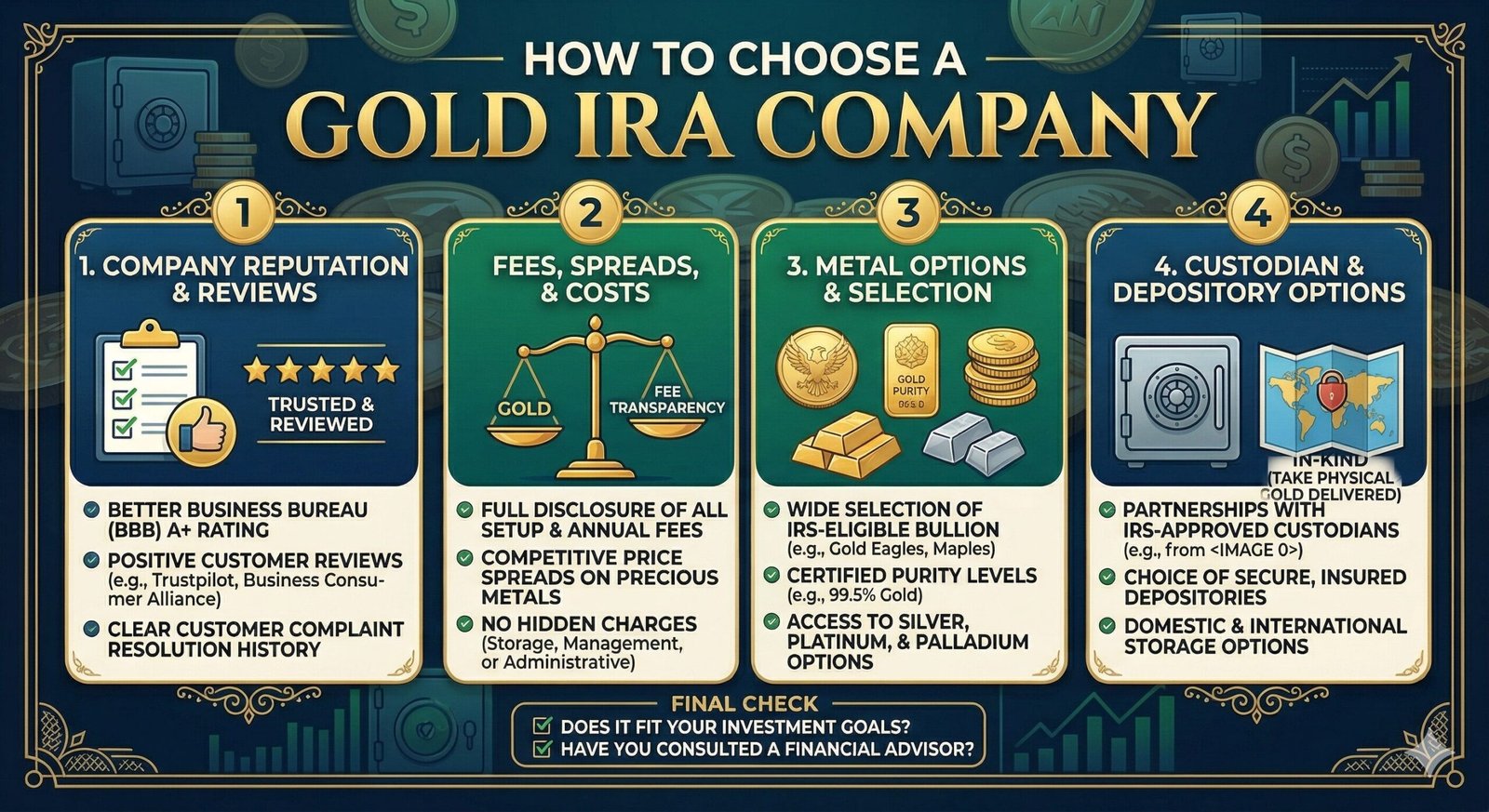
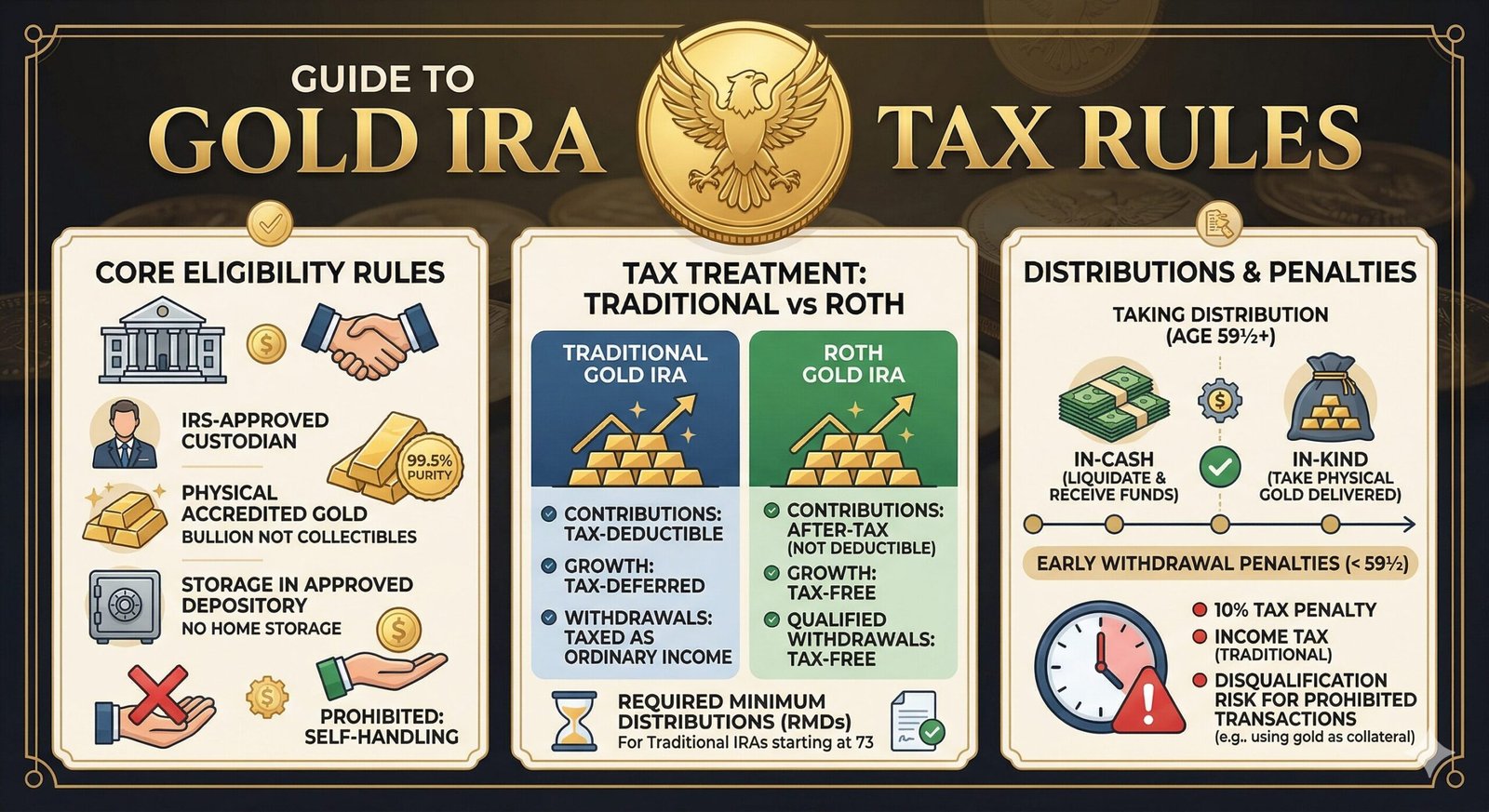
The IRS Publication 590-A establishes specific requirements for precious metals held within retirement accounts. Gold must meet minimum fineness standards of 99.5% purity, and only certain coins and bullion products qualify for IRA inclusion. These approved products include American Gold Eagles, Canadian Gold Maple Leafs, and various gold bars from accredited refiners.
Gold IRAs require three key service providers working together: a self-directed IRA custodian who maintains account records and processes transactions, an approved depository facility that stores the physical metals, and typically a precious metals dealer who sources and sells the gold. This structure ensures compliance with IRS regulations while maintaining the tax-advantaged status of the retirement account.
The account holder never takes physical possession of the metals during the accumulation phase. Instead, the gold remains stored in an IRS-approved depository until distribution time arrives, typically after age 59½. This storage requirement represents a fundamental distinction from direct physical gold ownership.
Physical Gold Ownership Fundamentals
Direct physical gold ownership involves purchasing precious metals outright and taking personal possession or arranging private storage. This approach provides immediate access to the physical assets without the regulatory framework governing retirement accounts. Investors can purchase coins, bars, or bullion from dealers and choose their preferred storage method.
Storage options for physical gold range from home safes and safety deposit boxes to private vault services. Each option carries different cost structures, security levels, and insurance considerations. Home storage eliminates ongoing storage fees but requires adequate security measures and insurance coverage. Bank safety deposit boxes offer enhanced security but typically charge annual rental fees and may not provide specific precious metals insurance.
Private vault services specialize in precious metals storage and often provide segregated storage options, comprehensive insurance coverage, and detailed inventory tracking. These services generally charge based on the value or weight of stored metals, with fees varying by provider and service level.
Physical gold ownership also involves considerations around authenticity verification, resale logistics, and dealer premiums. Buyers must navigate the spread between dealer buy and sell prices, which can impact both acquisition costs and liquidation proceeds.
Tax Implications and Considerations
Gold IRAs operate within established retirement account tax frameworks. Traditional Gold IRAs offer potential current-year tax deductions for contributions, with distributions taxed as ordinary income during retirement. Roth Gold IRAs use after-tax contributions but provide tax-free growth and distributions in retirement, assuming certain conditions are met.
The IRS contribution limits apply to Gold IRAs just as they do to conventional retirement accounts. For 2024, individuals under 50 can contribute up to $7,000 annually, while those 50 and older can contribute up to $8,000 through catch-up provisions.
Required minimum distributions begin at age 73 for traditional Gold IRAs, following the same rules as other retirement accounts. The IRS RMD FAQ provides detailed guidance on calculating and taking these distributions, which may require selling portions of the gold holdings.
Physical gold ownership outside retirement accounts receives different tax treatment. The IRS classifies physical precious metals as collectibles, subject to a maximum capital gains tax rate of 28% on profits from sales held longer than one year. This rate exceeds the standard long-term capital gains rates applied to many other investments.
Short-term gains from physical gold sales (held one year or less) face taxation as ordinary income at the investor’s marginal tax rate. Additionally, physical gold ownership does not generate annual tax-advantaged contribution opportunities like retirement accounts.
Cost Structure Comparison
The cost structures between Gold IRAs and physical gold ownership involve different fee categories and timing considerations. Understanding these costs helps investors evaluate the total expense of each approach over time.
Gold IRA costs accumulate annually through custodian fees, storage charges, and potential account maintenance expenses. These ongoing costs continue throughout the account’s existence, regardless of account performance or market conditions. Some providers offer scaled fee structures based on account values, while others charge flat annual rates.
Physical gold ownership typically involves higher upfront acquisition costs through dealer premiums but may have lower ongoing expenses depending on storage choices. Home storage eliminates recurring storage fees but may require security system investments and insurance policy adjustments.
Liquidation costs vary between approaches. Gold IRA distributions may involve account processing fees and potential tax withholding, while physical gold sales depend on dealer spreads and market conditions at the time of sale.
Storage and Security Considerations
Gold IRA storage occurs exclusively at IRS-approved depositories that meet specific security and insurance requirements. These facilities typically offer segregated storage options, ensuring individual account metals remain separate from other holdings. The FINRA’s guidance on self-directed IRAs emphasizes the importance of understanding storage arrangements and associated costs.
Approved depositories maintain comprehensive insurance coverage, professional security systems, and detailed inventory tracking procedures. Account holders receive regular statements showing their specific holdings but cannot visit or inspect their metals directly. This arrangement ensures IRS compliance while providing institutional-level security.
Physical gold storage presents multiple options with varying security levels and cost implications. Home storage offers immediate access but requires robust security measures, including safes, alarm systems, and potentially increased homeowner’s insurance coverage. Many insurance policies have limited coverage for precious metals, necessitating specific policy riders or separate coverage.
Bank safety deposit boxes provide enhanced security compared to home storage but limit access to banking hours and may not offer precious metals-specific insurance. Some banks restrict precious metals storage in safety deposit boxes, making verification of policies important before selection.
Professional vault services specialize in precious metals storage and typically offer the highest security levels, comprehensive insurance coverage, and flexible access options. These services often provide online account monitoring, detailed reporting, and sometimes segregated storage options similar to IRA depositories.
Liquidity and Access Differences
Liquidity characteristics differ significantly between Gold IRAs and physical gold ownership, affecting how quickly and easily investors can convert their holdings to cash or access their metals.
Gold IRA distributions follow retirement account rules and procedures. Account holders must request distributions through their custodian, who coordinates with the depository to either sell the metals and distribute cash or transfer physical metals to the account holder. This process typically requires several days to complete and may involve multiple parties.
Early distributions from Gold IRAs before age 59½ generally incur a 10% penalty in addition to regular income taxes, similar to other retirement accounts. Certain exceptions apply, such as first-time home purchases or qualifying education expenses, but these carry specific limitations and documentation requirements.
Physical gold ownership provides immediate liquidity options, as owners can sell their metals to dealers, coin shops, or online platforms at their discretion. The timing and proceeds depend on current market conditions, dealer inventory needs, and the specific products being sold. Popular coins and standard bullion products typically offer better liquidity than rare or unusual items.
However, physical gold sales may require time to locate buyers, verify authenticity, and negotiate prices. Owners must also consider transportation logistics and security when moving metals for sale.
Market Access and Investment Flexibility
Gold IRAs limit investors to IRS-approved precious metals, which includes specific coins and bullion products meeting fineness requirements. This approved list encompasses most major gold coins and bars but excludes collectible coins, jewelry, and certain specialty products.
The IRS IRA investment FAQ outlines these restrictions and emphasizes that IRA assets must be held for investment purposes rather than personal use or enjoyment. This framework ensures tax compliance but may limit investment choices compared to direct ownership.
Physical gold ownership offers broader product selection, including collectible coins, jewelry, specialty bullion, and international products not approved for IRA inclusion. Investors can pursue specific collecting interests, geographic preferences, or unique product characteristics without regulatory constraints.
Direct ownership also allows for more flexible timing on purchases and sales, as investors are not bound by custodian processing schedules or retirement account distribution rules. This flexibility can be valuable during rapid market movements or when specific buying opportunities arise.
Long-term Wealth Transfer Considerations
Estate planning implications vary between Gold IRAs and physical gold ownership, affecting how these assets transfer to beneficiaries and the associated tax consequences.
Gold IRAs transfer to beneficiaries following standard retirement account inheritance rules. Surviving spouses can typically roll inherited Gold IRAs into their own retirement accounts, maintaining tax-deferred status. Non-spouse beneficiaries must generally withdraw inherited IRA assets within 10 years, though specific rules depend on the beneficiary’s relationship to the original owner and account type.
Inherited Gold IRAs maintain their tax characteristics, meaning beneficiaries of traditional Gold IRAs face income tax on distributions while Roth Gold IRA beneficiaries typically receive tax-free distributions. The required distribution timeline may force beneficiaries to liquidate gold holdings according to schedules that may not align with their investment preferences or market conditions.
Physical gold inheritance follows standard estate procedures, with the metals receiving a stepped-up basis equal to their fair market value at the time of the original owner’s death. This stepped-up basis can eliminate capital gains taxes on appreciation that occurred during the original owner’s lifetime, potentially providing tax advantages compared to retirement account inheritance.
However, physical gold estates may face liquidity challenges if estate taxes or other obligations require selling metals to generate cash for payment. The probate process may also involve professional appraisals and potentially complex valuations for unusual or collectible items.
Making the Decision: Key Factors to Consider
Several personal factors should influence the choice between Gold IRAs and physical gold ownership. Current age and retirement timeline play crucial roles, as Gold IRAs offer immediate tax advantages but restrict access until retirement age. Investors approaching retirement may prioritize the tax benefits, while younger investors might value the flexibility of direct ownership.
Risk tolerance extends beyond market considerations to include storage and security comfort levels. Some investors prefer the institutional storage and insurance of Gold IRAs, while others want direct control over their precious metals. Neither approach eliminates all risks, but the risk types differ substantially.
Financial resources affect both the initial investment capacity and ongoing cost management. Gold IRAs require sufficient assets to justify annual fees, while physical gold ownership needs adequate security infrastructure or professional storage arrangements.
Estate planning objectives may favor one approach over another depending on intended beneficiaries and transfer timing goals. Investors planning to pass wealth to spouses may find Gold IRAs more advantageous, while those targeting non-spouse beneficiaries might prefer the stepped-up basis benefits of direct ownership.
Tax situation analysis should consider current income levels, expected retirement tax brackets, and the interplay between retirement account contributions and overall tax planning strategies. High-income earners may benefit more from current-year Gold IRA deductions, while others might prefer avoiding future required minimum distributions.
Frequently Asked Questions
Can I hold both a Gold IRA and physical gold simultaneously?
Yes, you can maintain both a Gold IRA and own physical gold directly. These represent separate investment strategies with different tax treatments, storage requirements, and liquidity characteristics. Many investors choose this combined approach to benefit from retirement account tax advantages while maintaining some directly accessible precious metals.
What happens to Gold IRA holdings if the custodian goes out of business?
Your gold remains your property even if the custodian ceases operations. The metals are stored separately at approved depositories and are not considered custodian assets. In such situations, you would typically need to transfer your account to a new custodian to maintain IRA status, or you could take distribution of the physical metals, which may trigger tax consequences.
Are there minimum investment amounts for Gold IRAs vs physical gold?
Gold IRAs often have minimum investment requirements ranging from $10,000 to $25,000, depending on the custodian and precious metals dealer. Physical gold purchases have no regulatory minimums, though dealers may have their own minimum order requirements. You can start with a single coin if desired, making physical ownership more accessible for smaller initial investments.
How quickly can I access my investment in each approach?
Physical gold can typically be sold within days, depending on the products owned and local dealer availability. Gold IRA distributions usually take 1-2 weeks to process through custodian and depository procedures. Emergency situations may not allow sufficient time for Gold IRA liquidation, making direct ownership more suitable for emergency fund purposes.
Do both approaches require reporting to the IRS?
Gold IRAs generate annual Form 1099-R documents for distributions and follow standard retirement account reporting requirements. Physical gold sales may require reporting on Schedule D if they result in capital gains or losses. However, there are no annual reporting requirements simply for owning physical gold, unlike retirement accounts which generate regular tax documents.
Understanding the distinctions between Gold IRAs and physical gold ownership helps retirement investors make informed decisions aligned with their financial goals, risk tolerance, and personal circumstances. Each approach offers unique advantages and considerations that may suit different investor profiles and retirement planning strategies.
For investors considering either option as part of their retirement planning strategy, researching reputable companies and understanding all associated costs and requirements becomes essential. Our comprehensive guide to the Best Gold IRA Companies of 2026 provides detailed analysis of top-rated providers to help you make an informed choice.
This article is for informational purposes only and does not constitute financial or tax advice. Investing in precious metals involves risk including possible loss of principal.