
Gold IRA vs Physical Gold: Which Is Right for You?
When considering precious metals for retirement planning, investors often find themselves weighing two primary options: establishing a Gold IRA or purchasing physical gold directly. Both approaches offer unique advantages and considerations that can significantly impact your financial strategy and long-term goals.
Understanding the fundamental differences between these two investment vehicles is crucial for making an informed decision that aligns with your retirement objectives, risk tolerance, and personal preferences. Each option presents distinct implications for storage, taxation, liquidity, and overall portfolio management.
Understanding Gold IRAs
A Gold IRA represents a self-directed individual retirement account that allows investors to hold IRS-approved precious metals as part of their retirement savings. These accounts function similarly to traditional IRAs but with the added flexibility of including physical gold, silver, platinum, and palladium in your retirement holdings.
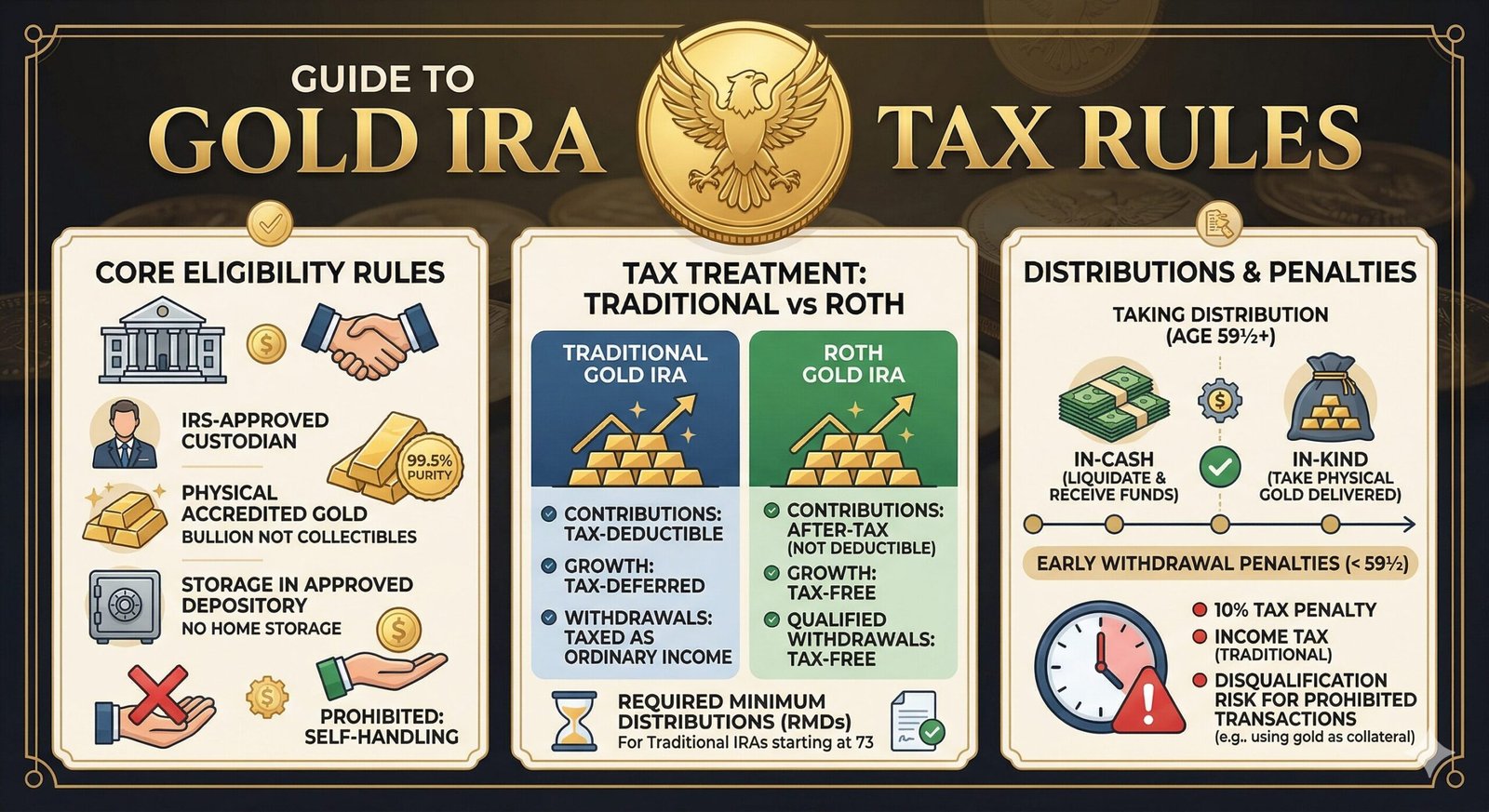
Gold IRAs must comply with strict IRS regulations regarding approved metals, storage requirements, and custodial arrangements. The precious metals held in these accounts must meet specific purity standards and remain stored in IRS-approved depositories under the supervision of qualified custodians.
The process of establishing a Gold IRA typically involves working with a specialized custodian who can facilitate the purchase, storage, and management of precious metals within the account structure. These custodians handle the administrative requirements while ensuring compliance with federal regulations governing retirement accounts.
Investors can fund Gold IRAs through various methods, including direct contributions, transfers from existing IRAs, or rollovers from employer-sponsored retirement plans such as 401(k)s. Our 401(k) to Gold IRA rollover guide provides detailed information about this process and the associated requirements.
Physical Gold Ownership Explained
Physical gold ownership involves purchasing precious metals directly and taking personal possession or arranging private storage. This approach gives investors complete control over their precious metals without the regulatory constraints associated with retirement account structures.
Direct ownership allows investors to choose from a broader range of gold products, including coins, bars, and collectibles that may not qualify for IRA inclusion. Popular options include American Eagle coins, Canadian Maple Leafs, Austrian Philharmonics, and various gold bars from accredited refiners.
Storage considerations become a primary responsibility for physical gold owners. Options range from home storage solutions like safes and security deposit boxes to private vault services and precious metals depositories. Each storage method presents different cost structures, security levels, and accessibility considerations.
The purchasing process for physical gold typically involves working directly with precious metals dealers, coin shops, or online retailers. Investors must research dealers carefully, verify product authenticity, and understand pricing structures that include premiums above the spot price of gold.
Tax Implications and Retirement Benefits
The taxation of Gold IRAs follows the same framework as traditional IRAs, with contributions potentially qualifying for tax deductions depending on income levels and other retirement plan participation. Gains within the account grow tax-deferred until distributions begin, typically after age 59½.
Required minimum distributions (RMDs) apply to Gold IRAs beginning at age 73, following the same schedule as traditional retirement accounts. The IRS RMD FAQ provides comprehensive guidance on these requirements and calculation methods.
Physical gold ownership outside of retirement accounts faces different tax treatment. Gains from selling physical gold are typically taxed as collectibles, with a maximum capital gains rate of 28% for investors in higher tax brackets. This contrasts with the preferential long-term capital gains rates applied to many other investments.
The timing of tax obligations differs significantly between the two approaches. Gold IRA investors defer taxes until retirement distributions, while physical gold owners may face immediate tax consequences upon selling their metals. This distinction can significantly impact overall returns and cash flow planning.
Storage and Security Considerations
Gold IRA storage requirements are mandated by federal regulations, with approved metals held in secure, insured depositories. These facilities provide professional security, environmental controls, and detailed record-keeping services. The IRS Publication 590-A outlines specific storage requirements for retirement account metals.
Costs associated with Gold IRA storage are typically built into the account fee structure, including annual storage fees that vary based on the value and type of metals held. These fees cover facility costs, insurance, and administrative services provided by the custodian and depository.
Physical gold owners bear full responsibility for storage security and insurance. Home storage presents risks including theft, loss, and potential insurance coverage gaps. Professional storage options provide enhanced security but involve ongoing costs and may limit immediate access to the metals.
Insurance considerations differ between the approaches. Gold IRA metals benefit from depository insurance coverage, while physical gold owners must ensure adequate coverage through homeowner’s insurance or separate policies specifically covering precious metals.
Liquidity and Accessibility Differences
Gold IRA liquidity is governed by retirement account rules and regulations. Distributions before age 59½ may incur penalties, and the process of converting metals to cash involves working through the custodian and approved dealers. This structure can introduce timing delays and additional costs when accessing funds.
The variety of IRA-eligible gold coins is limited to specific products that meet IRS purity and manufacturing standards. This restriction may limit options during both purchase and liquidation phases compared to the broader market available for direct ownership.
Physical gold ownership typically offers greater liquidity flexibility, with owners able to sell metals at any time to various buyers including dealers, coin shops, and online platforms. Market conditions and timing preferences can influence both pricing and sale options.
However, physical gold sales require verification of authenticity and may involve transaction costs including dealer spreads and shipping expenses. The immediate availability of cash depends on the chosen sale method and the buyer’s payment terms.
Cost Analysis and Fee Structures
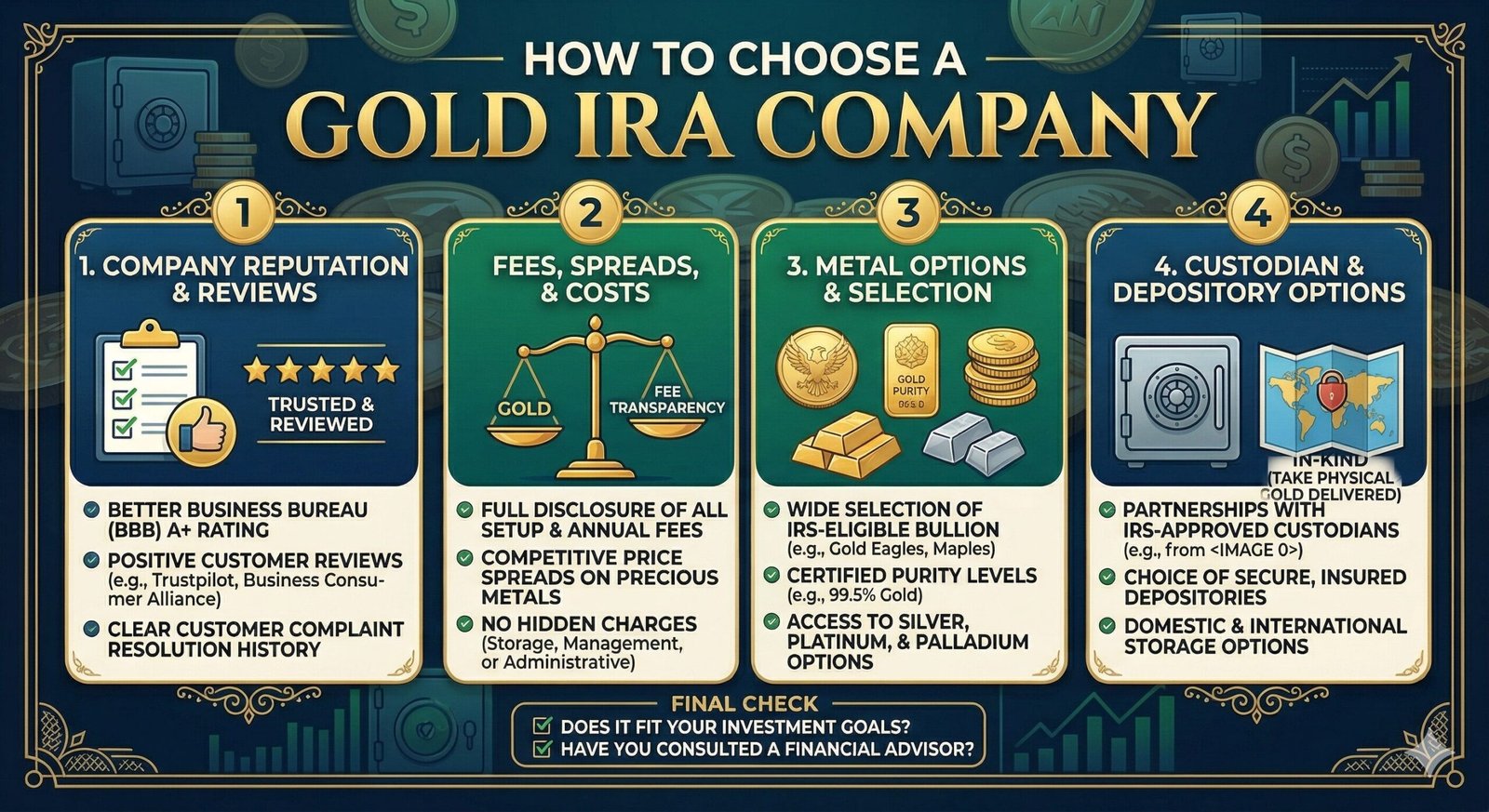
Gold IRA costs encompass multiple fee categories including custodial fees, storage fees, and transaction costs. Our comprehensive Gold IRA fees guide details typical cost structures and factors influencing fee levels across different providers.
Physical gold ownership involves different cost considerations including purchase premiums, storage expenses, and insurance costs. Premiums above spot prices vary by product type, dealer, and market conditions, typically ranging from 3% to 10% for popular coins and bars.
Long-term cost comparisons depend on holding periods, storage choices, and transaction frequency. Gold IRAs may present higher ongoing costs but offer tax advantages and professional management services that could offset fee expenses over time.
Regulatory Compliance and Oversight
Gold IRAs operate within a comprehensive regulatory framework overseen by multiple federal agencies. The IRS establishes rules for account structure and eligible metals, while custodians must meet specific licensing and bonding requirements to operate retirement accounts.
FINRA’s guidance on self-directed IRAs emphasizes the importance of understanding custodial responsibilities and potential risks associated with alternative investments in retirement accounts.
Physical gold ownership operates with fewer regulatory constraints but requires investors to assume greater personal responsibility for compliance with tax reporting requirements and applicable state and local regulations.
Consumer protection resources include the BBB.org database for researching dealers and service providers, while FINRA BrokerCheck provides background information on financial professionals involved in precious metals transactions.
Making the Right Choice for Your Situation
Determining whether a Gold IRA or physical gold ownership better suits your needs requires careful consideration of multiple factors including your retirement timeline, tax situation, storage preferences, and overall investment strategy.
Investors prioritizing tax-deferred growth and structured retirement savings may find Gold IRAs more aligned with their long-term objectives. The professional storage and custodial services can provide peace of mind while ensuring regulatory compliance throughout the holding period.
Those seeking immediate control and flexibility might prefer direct ownership despite the additional responsibilities for storage and security. This approach allows for broader product selection and potentially faster liquidation when needed.
Age and retirement status significantly influence the optimal choice. Younger investors with longer time horizons until retirement may benefit more from the tax-deferred growth potential of Gold IRAs, while retirees might value the immediate accessibility of physical ownership.
Consider consulting with financial and tax professionals who can evaluate your specific situation and provide personalized guidance based on your complete financial picture. The decision should align with your broader retirement strategy and risk management objectives.
Frequently Asked Questions
Can I convert my Gold IRA to physical gold ownership later?
Yes, you can take distributions from your Gold IRA and use the proceeds to purchase physical gold directly. However, this would trigger taxable events and potentially penalties if done before age 59½. The distributed amount would also reduce your retirement account balance permanently.
Is there a minimum investment requirement for Gold IRAs versus physical gold?
Most Gold IRA providers establish minimum investment requirements ranging from $10,000 to $25,000. Physical gold purchases have no regulatory minimums, though practical considerations like dealer minimum orders and storage efficiency may influence purchase amounts.
How do inheritance laws differ between Gold IRAs and physical gold?
Gold IRAs pass to beneficiaries following standard IRA inheritance rules, with options for spousal rollovers and stretch distributions. Physical gold transfers according to general estate laws and may qualify for stepped-up basis treatment, potentially reducing capital gains taxes for heirs.
Can I hold both a Gold IRA and physical gold simultaneously?
Absolutely. Many investors maintain both approaches as part of their overall precious metals strategy. This combination can provide the tax advantages of retirement account holdings while maintaining some directly accessible metals for potential near-term needs.
What happens to my Gold IRA if the custodian goes out of business?
Gold IRA assets are held separately from custodian assets and remain protected even if the custodian faces financial difficulties. Account holders can transfer their IRAs to new custodians, and the precious metals remain safely stored in approved depositories throughout any transition process.
Choosing between a Gold IRA and physical gold ownership represents a significant decision that can impact your financial future for decades. Take time to thoroughly research both options and consider how each aligns with your retirement goals and personal preferences.
For comprehensive reviews and guidance on selecting the right provider for your precious metals investment journey, visit our Best Gold IRA Companies of 2026 resource.
This article is for informational purposes only and does not constitute financial or tax advice. Investing in precious metals involves risk including possible loss of principal.