
Gold IRA vs Physical Gold: Which Is Right for You?
When considering precious metals for retirement planning, investors often find themselves weighing two primary options: establishing a Gold IRA or purchasing physical gold outright. Both approaches offer distinct advantages and considerations, making the choice highly dependent on individual circumstances, financial goals, and personal preferences.
Understanding the fundamental differences between these two approaches can help retirement-focused investors make informed decisions that align with their long-term financial objectives. Each method provides a different pathway to precious metals ownership, with varying implications for taxes, storage, liquidity, and overall portfolio management.
Understanding Gold IRAs
A Gold IRA represents a self-directed individual retirement account that holds IRS-approved precious metals instead of traditional paper assets. These accounts operate under the same basic framework as conventional IRAs but require specialized custodians and depositories to handle the physical metals.
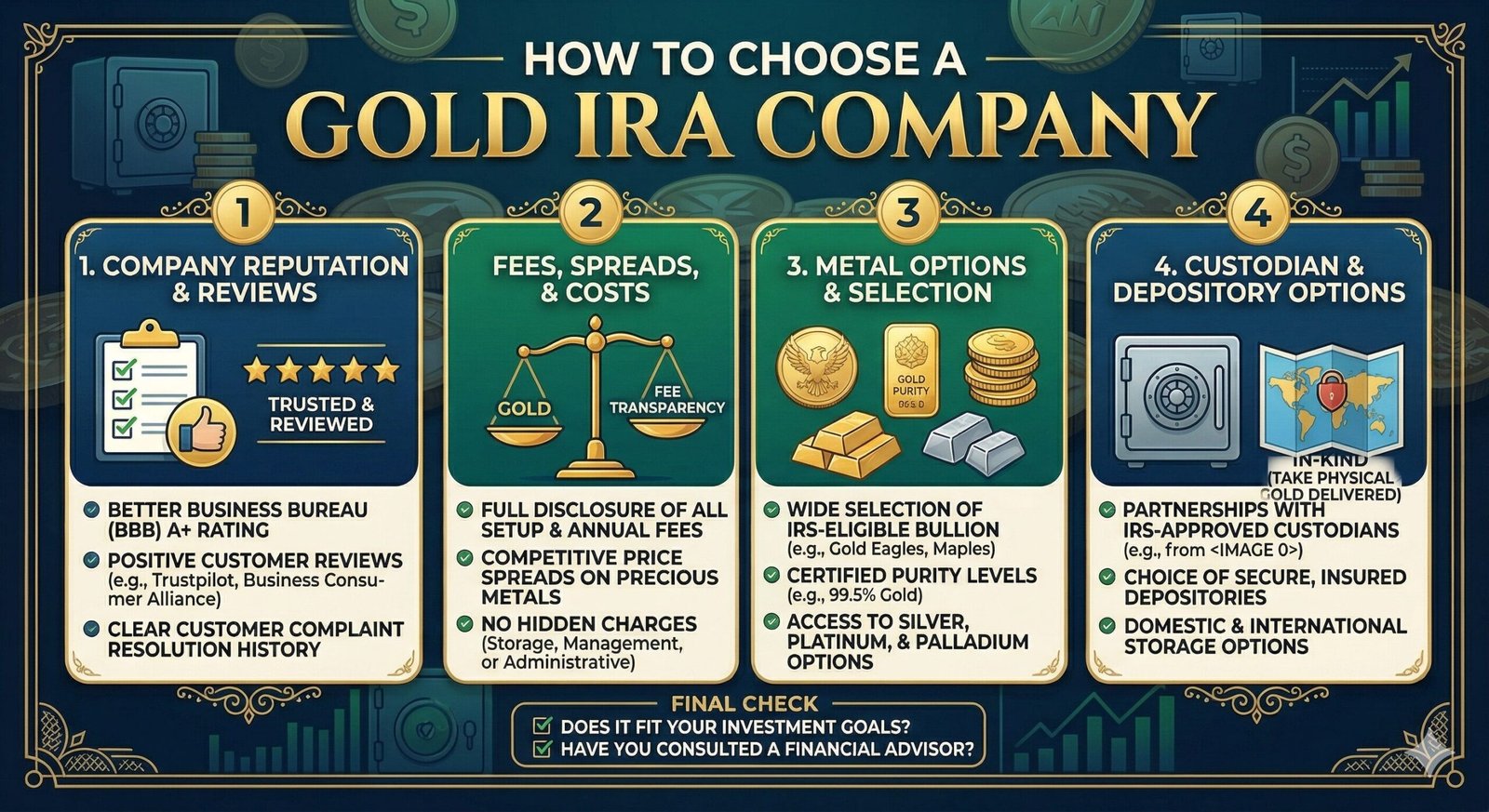
The structure of a Gold IRA involves several key participants. An IRS-approved custodian manages the account and handles all required documentation and reporting. An approved depository stores the physical metals in segregated or non-segregated storage. A precious metals dealer facilitates the purchase and sale of IRA-eligible metals.
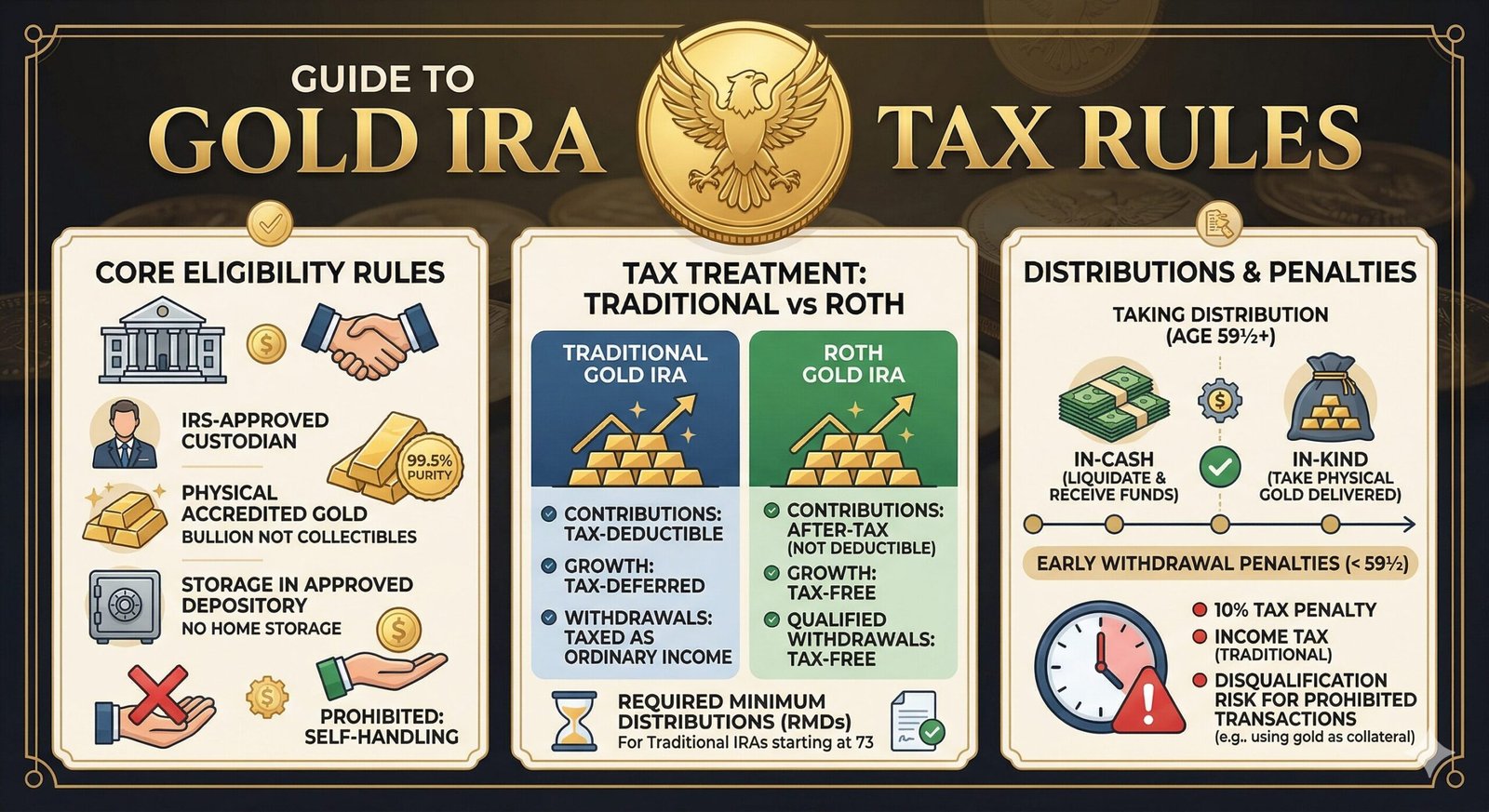
Gold IRAs must contain only metals that meet specific IRS purity requirements. For gold, the minimum fineness requirement is 99.5 percent, which includes popular options like American Gold Eagles, Canadian Gold Maples, and various approved bars from recognized refiners. These IRA-eligible gold coins must be produced by government mints or approved private mints.
The account operates within the same contribution limits as traditional IRAs, as outlined in IRS Publication 590-A. For 2024, individuals under 50 can contribute up to $7,000 annually, while those 50 and older can contribute up to $8,000 including catch-up contributions.
Physical Gold Ownership Explained
Physical gold ownership involves purchasing precious metals directly and taking personal possession or arranging private storage. This approach provides immediate control over the assets without the intermediary requirements of retirement account structures.
Investors purchasing physical gold can choose from various forms including coins, bars, and rounds. Popular choices include American Gold Eagles, American Gold Buffalos, Canadian Gold Maples, and bars from recognized refiners like PAMP Suisse or Credit Suisse. The selection often depends on personal preferences regarding recognizability, liquidity, and premium costs.
Storage considerations become paramount with physical ownership. Some investors choose home storage, often using personal safes or safety deposit boxes. Others opt for private vault services or bank safety deposit boxes. Each storage method carries different cost structures, security levels, and accessibility considerations.
The liquidity of physical gold depends largely on the specific products owned and local market conditions. Widely recognized coins typically offer better liquidity than less common items, while location plays a role in finding reputable buyers when selling becomes necessary.
Tax Implications Comparison
The tax treatment of Gold IRAs follows standard IRA rules as established by the IRS IRA investment FAQ. Traditional Gold IRAs offer potential tax-deductible contributions with required minimum distributions beginning at age 73, while Roth Gold IRAs provide tax-free growth potential with no required distributions during the owner’s lifetime.
Physical gold ownership faces different tax considerations. The IRS classifies physical precious metals as collectibles, subjecting gains to a maximum capital gains rate of 28 percent for assets held longer than one year. Short-term gains receive treatment as ordinary income.
The timing of tax obligations differs significantly between the two approaches. Gold IRA holders defer taxes until distributions occur (traditional) or pay taxes upfront for tax-free growth (Roth). Physical gold owners incur tax obligations only upon sale, providing control over the timing of taxable events.
Record-keeping requirements vary between approaches. Gold IRAs receive annual statements from custodians with all necessary tax documentation. Physical gold owners must maintain detailed purchase and sale records to calculate cost basis and capital gains accurately.
Storage and Security Considerations
Gold IRA storage occurs exclusively at IRS-approved depositories that maintain specific security standards and insurance coverage. These facilities typically offer segregated storage (individual ownership identification) or non-segregated storage (commingled with other investors’ metals) options. The choice between storage types often affects fees but not security levels.
Approved depositories must maintain comprehensive insurance coverage, professional security systems, and regular auditing procedures. Popular depositories include Delaware Depository, Brink’s Global Services, and International Depository Services, among others. These facilities operate under strict regulatory oversight and industry standards.
Physical gold storage responsibility falls entirely on the individual owner. Home storage requires personal security measures, insurance considerations, and careful planning for accessibility. Safety deposit boxes provide bank-level security but may have access limitations and insurance gaps for precious metals.
Private vault services offer professional storage with various service levels and fee structures. These services typically provide better accessibility than safety deposit boxes while maintaining professional security standards, though costs often exceed home storage options.
Cost Structure Analysis
Gold IRA costs typically include several fee components that continue throughout the account’s lifetime. Initial setup fees range from $50 to $150, while annual custodial fees generally fall between $100 to $300. Storage fees vary by depository and storage type, typically ranging from $100 to $300 annually for standard amounts.
Physical gold ownership involves primarily upfront costs with optional ongoing expenses. Purchase premiums typically range from 3 to 8 percent above spot prices, depending on the specific products and market conditions. Storage costs vary dramatically based on chosen methods, from zero for home storage to several hundred dollars annually for professional services.
Insurance considerations differ significantly between approaches. Gold IRA depositories include comprehensive coverage in their service fees, while physical gold owners must arrange separate coverage or accept personal risk. Homeowner’s insurance policies often provide limited coverage for precious metals, typically requiring separate riders for adequate coverage.
Liquidity and Accessibility Differences
Gold IRA liquidity operates within retirement account distribution rules. Withdrawals before age 59½ typically incur 10 percent early withdrawal penalties plus applicable income taxes. Required minimum distributions begin at age 73 for traditional accounts, as detailed in the IRS RMD FAQ.
The liquidation process for Gold IRAs involves selling metals through approved dealers, with proceeds deposited into the IRA account before distribution. This process typically requires several days to complete and involves custodian coordination.
Physical gold provides immediate access without distribution restrictions or penalties. Owners can sell at any time to local dealers, coin shops, or online platforms. However, liquidity depends on market conditions, product recognition, and available buyers in the local area.
The speed of conversion to cash varies between approaches. Physical gold can potentially convert to cash within hours in favorable conditions, while Gold IRA distributions typically require several business days due to custodial processes and account procedures.
Investment Minimums and Maximums
Gold IRA investment amounts face the same annual contribution limits as traditional IRAs. The IRS contribution limits page provides current maximums, while many custodians establish minimum account values ranging from $10,000 to $25,000.
Our Gold IRA minimum investment guide provides detailed information about entry requirements across different providers. Many companies set these minimums to cover setup costs and maintain account profitability.
Physical gold purchases face no legal minimums or maximums, limited only by available funds and dealer inventory. Some dealers offer minimum purchase amounts for reduced premiums, while others accommodate any purchase size.
The scalability differs between approaches. Gold IRAs accommodate systematic contributions within annual limits, supporting dollar-cost averaging strategies. Physical gold allows flexible purchase timing and amounts based on personal circumstances and market conditions.
Regulatory Compliance and Reporting
Gold IRAs operate under extensive regulatory oversight from multiple agencies. The IRS governs account structures and distribution rules, while custodians must comply with financial services regulations. Depositories face additional oversight regarding security standards and insurance requirements.
Annual reporting requirements include custodian statements showing account values and transactions. These statements provide necessary information for tax preparation and retirement planning. The SEC investor resources offer additional guidance on retirement account regulations.
Physical gold ownership faces minimal regulatory requirements beyond tax reporting obligations. Owners must report capital gains and losses when selling, but no ongoing reporting requirements exist during the holding period.
Record-keeping responsibilities vary significantly. Gold IRA holders receive professional documentation from custodians, while physical gold owners must maintain personal records of all transactions, including purchase dates, prices, and sale information.
Making the Right Choice for Your Situation
Several factors should influence the decision between Gold IRAs and physical gold ownership. Age and retirement timeline play crucial roles, as younger investors may benefit more from tax-deferred growth potential, while those approaching retirement might prefer immediate access flexibility.
Risk tolerance extends beyond precious metals price movements to include storage security, regulatory changes, and liquidity needs. Conservative investors might prefer the institutional storage and insurance of Gold IRAs, while those comfortable with personal responsibility might choose direct ownership.
Geographic considerations affect both options differently. Physical gold storage becomes more challenging for frequent travelers or those in areas with limited dealer networks. Gold IRAs provide consistent access regardless of location but require working with national custodians and depositories.
Financial situation complexity also matters. Those with multiple retirement accounts might benefit from Gold IRA consolidation and professional management, while individuals with simpler financial situations might prefer the straightforward nature of physical ownership.
Understanding what a Gold IRA is can help clarify whether the retirement account structure aligns with your financial goals and preferences.
Integration with Overall Retirement Planning
Gold IRAs integrate naturally with existing retirement account structures, allowing for coordinated required minimum distributions and tax planning. This integration supports comprehensive retirement income strategies when working with financial advisors.
The 401(k) to Gold IRA rollover guide explains how employer-sponsored retirement savings can transition to precious metals IRAs, providing continuity in retirement account management.
Physical gold ownership operates independently of retirement account structures, offering flexibility in estate planning and wealth transfer strategies. This independence can complement existing retirement accounts by providing assets outside the traditional retirement account framework.
Tax planning considerations become more complex with physical gold due to the collectibles tax treatment and timing flexibility. Professional tax advice becomes valuable when integrating physical precious metals with broader financial planning strategies.
Frequently Asked Questions
Can I convert my Gold IRA to physical gold ownership?
Yes, you can take distributions from your Gold IRA and purchase physical gold separately, but this triggers distribution taxes and potential penalties if under age 59½. The precious metals in your IRA cannot be directly transferred to personal ownership while maintaining the account structure.
Which option provides better estate planning benefits?
Both options offer estate planning advantages, but they differ significantly. Gold IRAs provide beneficiary designation options and stretch distribution possibilities for heirs. Physical gold ownership offers more flexible transfer methods and potential step-up in basis for inherited assets, though this depends on overall estate planning strategies.
How do storage costs compare over time?
Gold IRA storage costs remain relatively consistent annually, typically ranging from $100-300 per year regardless of market fluctuations. Physical gold storage costs vary widely based on chosen methods, from zero for home storage to potentially higher amounts for professional vault services, especially for larger holdings.
Can I hold both Gold IRAs and physical gold simultaneously?
Absolutely. Many investors choose to hold both, using Gold IRAs for retirement tax advantages while maintaining some physical gold for immediate accessibility. This approach provides the benefits of both strategies while addressing different financial goals and timelines.
Which option offers better liquidity in emergency situations?
Physical gold typically offers faster liquidity for emergency situations, as you can sell directly to local dealers without custodial processes or distribution procedures. However, Gold IRAs allow loans in some circumstances, and hardship distributions may be available under specific conditions, though these involve additional complexity and potential penalties.
Choosing between Gold IRAs and physical gold ownership requires careful consideration of your individual financial situation, retirement goals, and personal preferences. Both approaches offer legitimate pathways to precious metals ownership with distinct advantages and considerations.
For those interested in exploring Gold IRA options further, our comprehensive guide to the Best Gold IRA Companies of 2026 provides detailed comparisons of leading providers in the industry.
This article is for informational purposes only and does not constitute financial or tax advice. Investing in precious metals involves risk including possible loss of principal.