
Gold IRA vs Physical Gold: Which Is Right for You?
When considering precious metals as part of your retirement planning, you’ll encounter two primary ownership structures: Gold IRAs and direct physical gold ownership. Both approaches allow you to hold actual gold, but they differ significantly in terms of tax treatment, storage requirements, liquidity options, and regulatory oversight.
Understanding these differences becomes crucial as you evaluate which approach aligns with your financial goals and retirement timeline. Each option presents distinct advantages and considerations that can impact your long-term wealth preservation strategy.
Understanding Gold IRA Structure
A Gold IRA operates as a self-directed individual retirement account that allows you to hold physical precious metals within a tax-advantaged retirement framework. Unlike traditional IRAs that typically hold paper assets, a Gold IRA provides the opportunity to include physical gold coins and bars that meet specific IRS requirements.
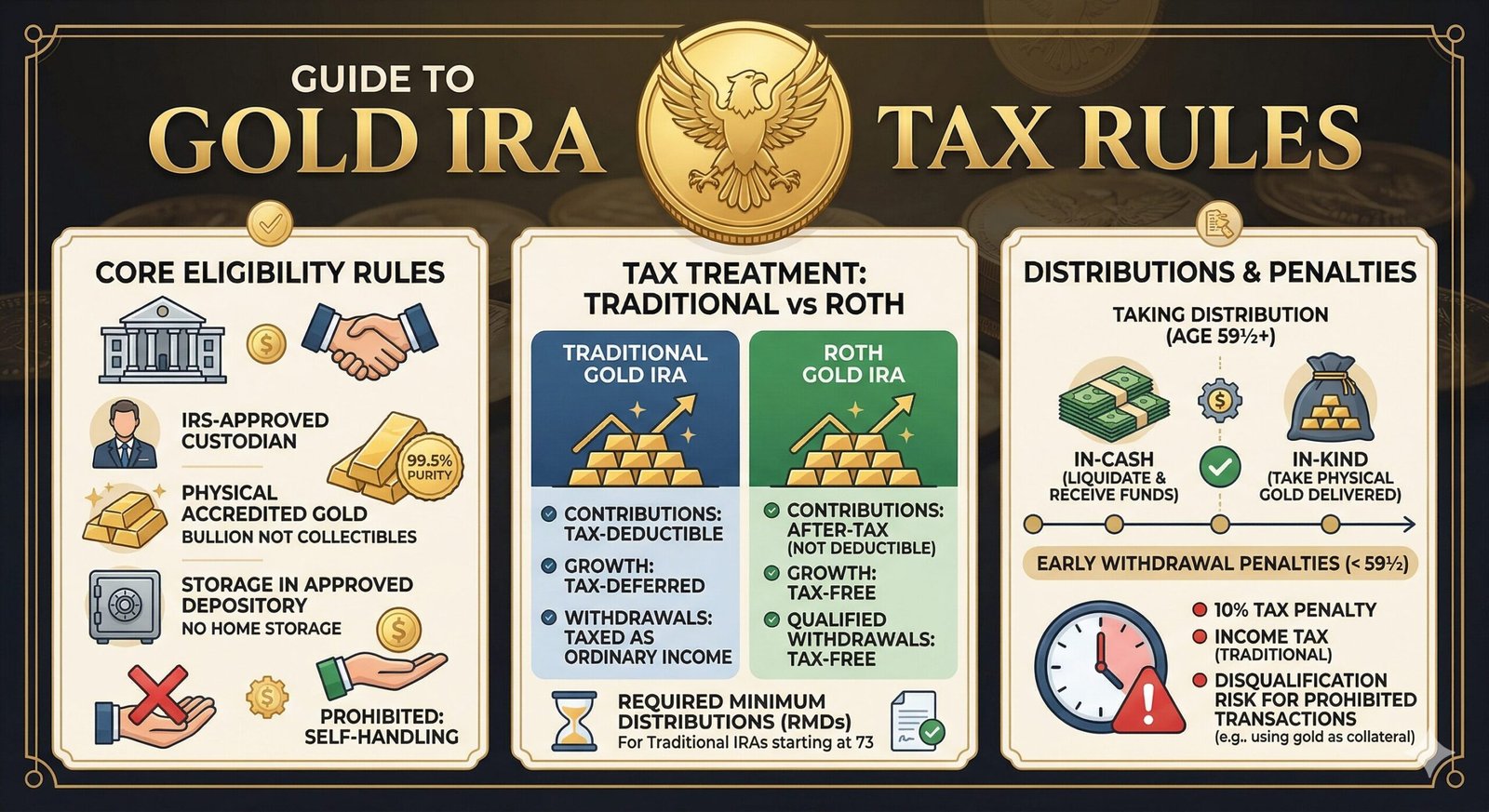
The account must be established through a qualified custodian who specializes in alternative investments. This custodian handles all administrative duties, including account setup, transaction processing, and required reporting to the IRS. Your chosen gold must meet minimum purity standards—typically 99.5% for gold—and must be stored in an approved depository facility rather than in your personal possession.
Gold IRAs follow the same contribution limits and distribution rules as traditional retirement accounts. You can contribute up to the annual IRS limit, and required minimum distributions begin at age 73, just as with conventional IRAs. The metals remain the property of the IRA until you take distributions, at which point you can choose to receive the physical gold or its cash equivalent.
Understanding what a Gold IRA is becomes essential when weighing this option against direct ownership, as the retirement account structure creates both opportunities and constraints that don’t exist with personal gold ownership.
Direct Physical Gold Ownership Explained
Physical gold ownership involves purchasing precious metals directly and taking personal custody or arranging private storage. This approach gives you immediate access to your gold and complete control over storage decisions, timing of sales, and how you utilize the asset.
When you own physical gold outright, you can store it in a home safe, bank safety deposit box, or private vault facility of your choosing. You make all decisions about when to buy additional gold or when to sell portions of your holdings. There are no custodial requirements, mandatory reporting obligations, or restrictions on the type of gold you can purchase.
Direct ownership also means you handle all aspects of the investment personally. You research dealers, verify authenticity, arrange secure storage, maintain insurance coverage, and manage the tax implications of any sales. This autonomy appeals to investors who prefer maximum control over their precious metals holdings.
The flexibility of direct ownership extends to your ability to use the gold for any purpose at any time. Unlike retirement account restrictions, personally owned gold can be sold, traded, or even used for barter without penalty, though tax consequences may apply depending on the transaction structure and holding period.
Tax Implications and Considerations
The tax treatment represents one of the most significant differences between Gold IRAs and direct physical gold ownership. Gold IRAs operate within the established retirement account tax framework, while direct ownership falls under different IRS rules entirely.
Traditional Gold IRAs offer tax-deferred growth, meaning you don’t pay taxes on gains until you take distributions in retirement. Contributions may be tax-deductible depending on your income level and whether you have access to an employer-sponsored retirement plan. Roth Gold IRAs provide tax-free growth and distributions, though contributions are made with after-tax dollars.
Required minimum distributions from Gold IRAs begin at age 73, following the same schedule as traditional retirement accounts. You can take distributions in the form of physical gold or cash equivalent, but all distributions from traditional Gold IRAs are taxed as ordinary income regardless of how long you held the metals.
Direct physical gold ownership faces capital gains tax treatment when sold. Gold held for more than one year qualifies for long-term capital gains rates, which are generally more favorable than ordinary income tax rates. However, the IRS classifies physical precious metals as collectibles, subjecting gains to a maximum tax rate of 28% rather than the lower capital gains rates applied to securities.
The timing flexibility of direct ownership allows you to control when you realize gains or losses, potentially optimizing your tax situation through strategic timing of sales. Gold IRA distributions, conversely, become mandatory once RMDs begin, regardless of market conditions or your preferred timing.
Storage Requirements and Security
Storage represents a fundamental operational difference between these two approaches. Gold IRAs mandate professional storage at IRS-approved depositories, while direct ownership allows you to choose your preferred storage method.
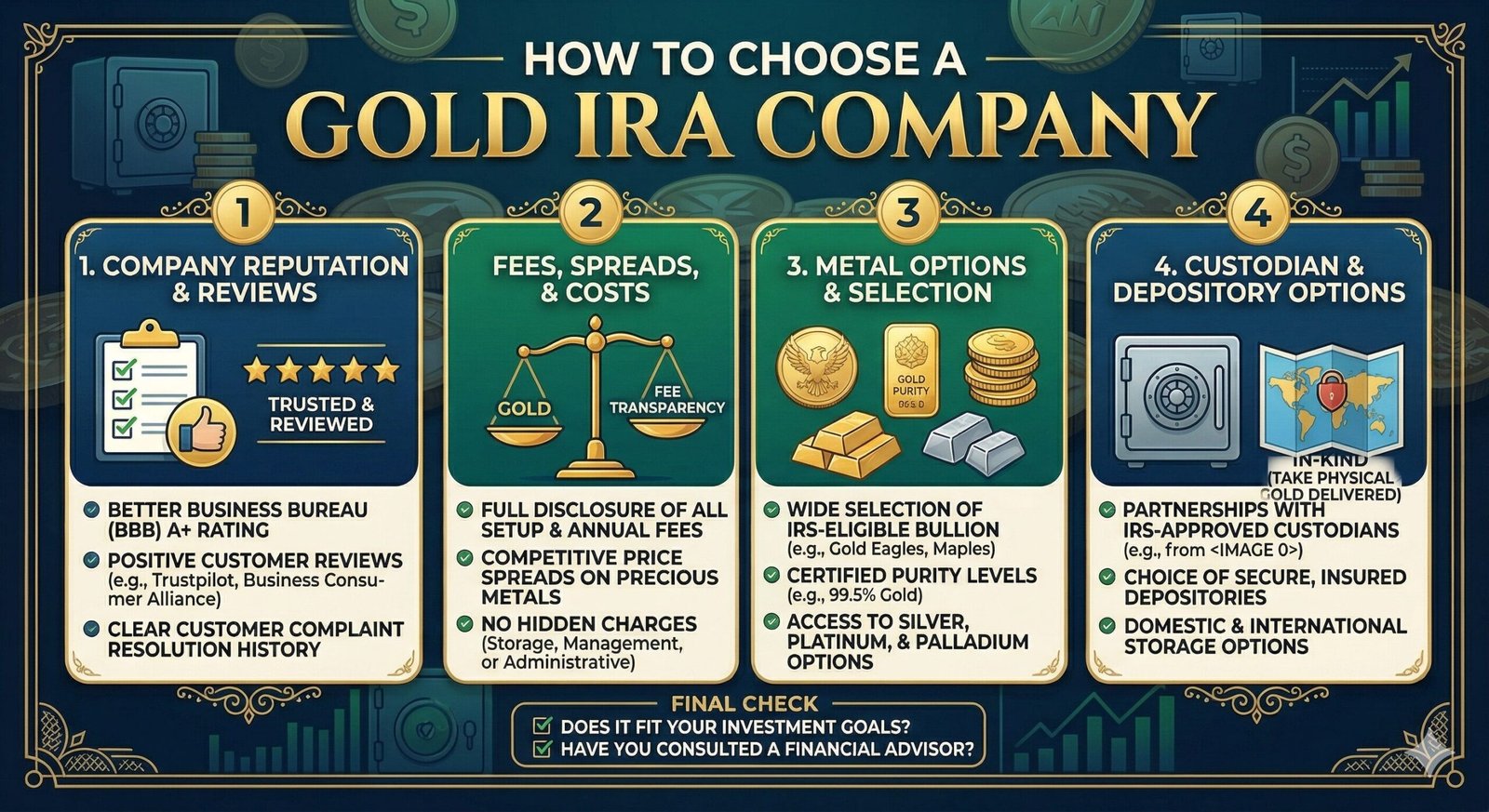
IRS regulations require Gold IRA metals to be held by a qualified trustee or custodian at an approved depository facility. These depositories maintain comprehensive insurance coverage, professional security systems, and detailed record-keeping to ensure compliance with federal regulations. Popular depository options include Delaware Depository, Brink’s, and CNT Depository, among others.
The depository storage requirement eliminates personal security concerns but also means you cannot take physical possession of your Gold IRA metals without triggering a distribution. Some investors appreciate this forced separation, as it prevents impulsive decisions during market volatility, while others prefer the immediate accessibility of personally held gold.
Direct physical gold ownership puts storage decisions entirely in your hands. Options range from home safes and bank safety deposit boxes to private vault facilities. Each approach involves different cost structures, insurance considerations, and security levels. Home storage provides immediate access but requires personal security measures and appropriate insurance coverage.
Private vault storage offers professional security similar to IRA depositories but typically allows more flexible access to your metals. Some facilities provide 24/7 access, online account management, and additional services like regular auditing or precious metals testing.
Cost Structure Comparison
The fee structures for Gold IRAs and direct ownership differ substantially, affecting your long-term returns and ongoing expenses. Understanding these costs helps you evaluate the total ownership expense over time.
Gold IRAs involve multiple fee components that don’t exist with direct ownership. These typically include annual custodial fees, storage fees charged by the depository, insurance costs, and transaction fees for purchases and sales. Some providers also charge setup fees for new accounts.
Annual fees for Gold IRAs can range from $200 to $500 or more, depending on account size and service provider. These ongoing costs continue regardless of account performance and can impact your net returns over extended periods.
Direct ownership eliminates custodial and mandatory storage fees but may involve other expenses. Dealer markups on purchases typically range from 2% to 10% above spot price, depending on the product and dealer. If you choose professional storage, private vault fees might be comparable to IRA storage costs but often provide more flexibility.
Insurance represents another cost consideration. Gold IRA storage includes insurance coverage, while direct ownership requires separate coverage through homeowners insurance or specialized precious metals policies. The adequacy and cost of coverage can vary significantly based on storage location and amount held.
Liquidity and Access Differences
The ease and speed of converting your gold to cash differs markedly between Gold IRAs and direct ownership, particularly regarding timing, process complexity, and available options.
Gold IRA liquidation requires working through your custodian and follows IRA distribution procedures. You must initiate a distribution request, which triggers the sale of specified amounts of your precious metals holdings. The custodian processes the transaction through their dealer network, and proceeds are distributed according to IRA rules.
This process typically takes several business days to complete, and you have limited control over the exact timing of the sale within market hours. The custodian’s dealer network determines the buyback price, which may not always represent the most competitive option available in the broader market.
Direct ownership provides immediate liquidity options through multiple channels. You can sell to local coin shops, online dealers, private collectors, or precious metals exchanges. This flexibility allows you to shop for the best price and timing that suits your needs.
The ability to sell directly eliminates the administrative layer present in Gold IRAs, potentially resulting in faster execution and better prices. However, it also requires you to handle authentication, transportation, and transaction security personally.
Some investors appreciate the Gold IRA’s structured approach, as it can discourage impulsive selling during temporary market fluctuations. The additional steps and time required create a natural cooling-off period that may benefit long-term wealth preservation goals.
Regulatory Compliance and Oversight
The regulatory environment surrounding Gold IRAs involves federal oversight designed to ensure retirement account integrity, while direct ownership operates with minimal regulatory intervention beyond standard precious metals commerce laws.
Gold IRAs fall under IRS retirement plan regulations, requiring strict compliance with contribution limits, distribution rules, and approved investment criteria. The IRS maintains specific purity standards for precious metals held in retirement accounts and requires professional custody to prevent prohibited transactions.
Custodians must register with appropriate regulatory bodies and maintain detailed records of all account activities. This oversight provides investor protections but also creates administrative complexity and potential restrictions on investment flexibility.
The concept of prohibited transactions becomes particularly relevant for Gold IRAs. These rules prevent you from personally benefiting from IRA assets before taking qualified distributions. For example, storing Gold IRA metals at home or using them as collateral for loans would violate these regulations and potentially trigger immediate taxation and penalties.
Direct ownership operates with significantly less regulatory oversight. Once you purchase precious metals in compliance with basic commerce laws, you can generally use, store, or dispose of them as you see fit, subject only to applicable tax obligations and local storage regulations.
This freedom includes the ability to take physical possession, loan against the metals, or use them in barter transactions—options not available with retirement account holdings. However, this flexibility also means you bear full responsibility for compliance with tax obligations and proper record-keeping for any transactions.
Making the Right Choice for Your Situation
Selecting between a Gold IRA and direct physical gold ownership depends on your specific financial goals, tax situation, timeline, and personal preferences regarding control and accessibility.
Gold IRAs may suit investors primarily focused on retirement planning who want to incorporate precious metals within a tax-advantaged framework. The structure works particularly well for those who prefer professional management of storage and administrative details, don’t need immediate access to their metals, and value the disciplined approach that retirement account rules provide.
Consider a Gold IRA if you’re looking to roll over existing retirement funds, want to make regular contributions within IRS limits, or prefer the potential tax benefits of traditional or Roth IRA structures. The professional storage requirement appeals to investors who lack secure storage options or prefer not to handle physical security personally.
Direct ownership might better serve investors who prioritize immediate liquidity, want maximum control over their precious metals, or need flexibility in how they use their gold holdings. This approach suits those comfortable managing physical security, storage logistics, and tax reporting requirements independently.
The direct route also makes sense for investors who want to hold precious metals outside the traditional retirement planning framework, perhaps as part of a broader wealth preservation strategy or emergency preparedness plan.
Your decision timeline also matters. Gold IRAs work well for long-term retirement planning with structured contribution and distribution schedules. Direct ownership provides more flexibility for varying investment timelines and changing financial needs.
Consider consulting with financial and tax professionals familiar with precious metals investing to evaluate how each option fits within your overall financial plan. They can help you assess the tax implications, storage considerations, and regulatory requirements based on your specific circumstances.
Frequently Asked Questions
Can I convert my Gold IRA to direct physical gold ownership?
Yes, you can take a distribution from your Gold IRA in the form of physical metals, but this triggers the same tax consequences as any retirement account distribution. The metals become your personal property, subject to regular income tax (and potentially penalties if under age 59½). This conversion cannot be reversed, and you cannot contribute the same metals back to an IRA.
Which option provides better long-term value?
The answer depends on your individual tax situation, storage costs, and investment timeline. Gold IRAs may provide tax advantages for retirement planning but involve ongoing custodial fees. Direct ownership eliminates custodial costs but lacks tax-deferred growth benefits. Past performance is not a guarantee of future results, and both options face market risks.
Are there minimum investment requirements for each option?
Most Gold IRA providers establish Gold IRA minimum investment requirements, typically ranging from $10,000 to $25,000. Direct physical gold ownership has no minimum requirements beyond the cost of individual coins or bars, allowing you to start with smaller amounts and build holdings over time.
Can I store Gold IRA metals at home?
No, IRS regulations require Gold IRA metals to be stored at approved depository facilities. Taking personal possession of Gold IRA metals constitutes a distribution, triggering immediate tax consequences and potential penalties. This rule ensures retirement account compliance but eliminates personal storage flexibility.
What happens to my precious metals if the custodian or storage company fails?
Gold IRA metals are held in segregated storage, meaning they remain your property even if the custodian or depository faces financial difficulties. The metals are typically insured and audited regularly. With direct ownership, your protection depends on your chosen storage method and insurance coverage, giving you more control but also more responsibility for asset security.
Understanding the key differences between Gold IRAs and direct physical gold ownership helps you make an informed decision based on your retirement planning needs, tax situation, and personal preferences. Each approach offers distinct advantages that may align differently with your financial goals and investment timeline.
For detailed information about Gold IRA providers and their specific offerings, visit our comprehensive guide to the Best Gold IRA Companies of 2026.
This article is for informational purposes only and does not constitute financial or tax advice. Investing in precious metals involves risk including possible loss of principal.