
Gold IRA and the Gold Market: What Investors Should Know in 2026
The gold market operates within a complex web of global economic forces, and for retirement investors considering precious metals, understanding these dynamics becomes crucial when evaluating Gold IRA options. As we move through 2026, several market factors continue to shape the precious metals landscape, influencing everything from supply chains to investor sentiment.
Market insights for gold IRAs extend far beyond simple price movements. They encompass regulatory changes, industrial demand patterns, central bank policies, and the evolving retirement planning landscape. For investors aged 45-70, these factors collectively create an environment that requires careful consideration and thorough understanding.
The precious metals market has experienced significant evolution over recent decades, with technological advances in mining, refining, and trading creating new dynamics. Understanding these changes helps retirement investors make more informed decisions about whether our Gold IRA guide aligns with their long-term financial objectives.
Understanding the Modern Gold Market Landscape
Today’s gold market operates on a global scale with interconnected trading centers spanning continents and time zones. London, New York, Shanghai, and other major financial centers facilitate continuous precious metals trading, creating a 24-hour market environment that responds to international events and economic data releases.
Mining companies continue to face escalating production costs, environmental regulations, and resource depletion challenges at existing sites. These operational realities influence long-term supply dynamics, though predicting specific price movements remains impossible even for industry experts. Past performance is not a guarantee of future results, and market conditions can shift rapidly based on numerous unpredictable factors.
Central banks worldwide maintain substantial gold reserves, and their buying or selling activities can influence market conditions. However, these institutions typically operate with long-term perspectives, making their actions less predictable than private investor behavior. The IRS Publication 590-A provides detailed guidance on how retirement account investments, including precious metals, must comply with federal regulations.
Industrial applications for gold continue expanding, particularly in electronics, medical devices, and emerging technologies. This creates ongoing demand beyond traditional jewelry and investment markets, though the relative impact of industrial consumption varies compared to investment demand.
Gold IRA Market Considerations for Retirement Investors
Retirement investors exploring Gold IRAs encounter a unique subset of the broader precious metals market. This specialized segment operates under specific regulatory frameworks and involves particular service providers, storage facilities, and approved products that differ significantly from general precious metals investing.
The Gold IRA market includes custodians who specialize in self-directed retirement accounts, depositories that meet IRS storage requirements, and dealers who focus specifically on IRA-eligible precious metals products. Understanding Gold IRAs Explained in Detail helps investors navigate this specialized market segment effectively.
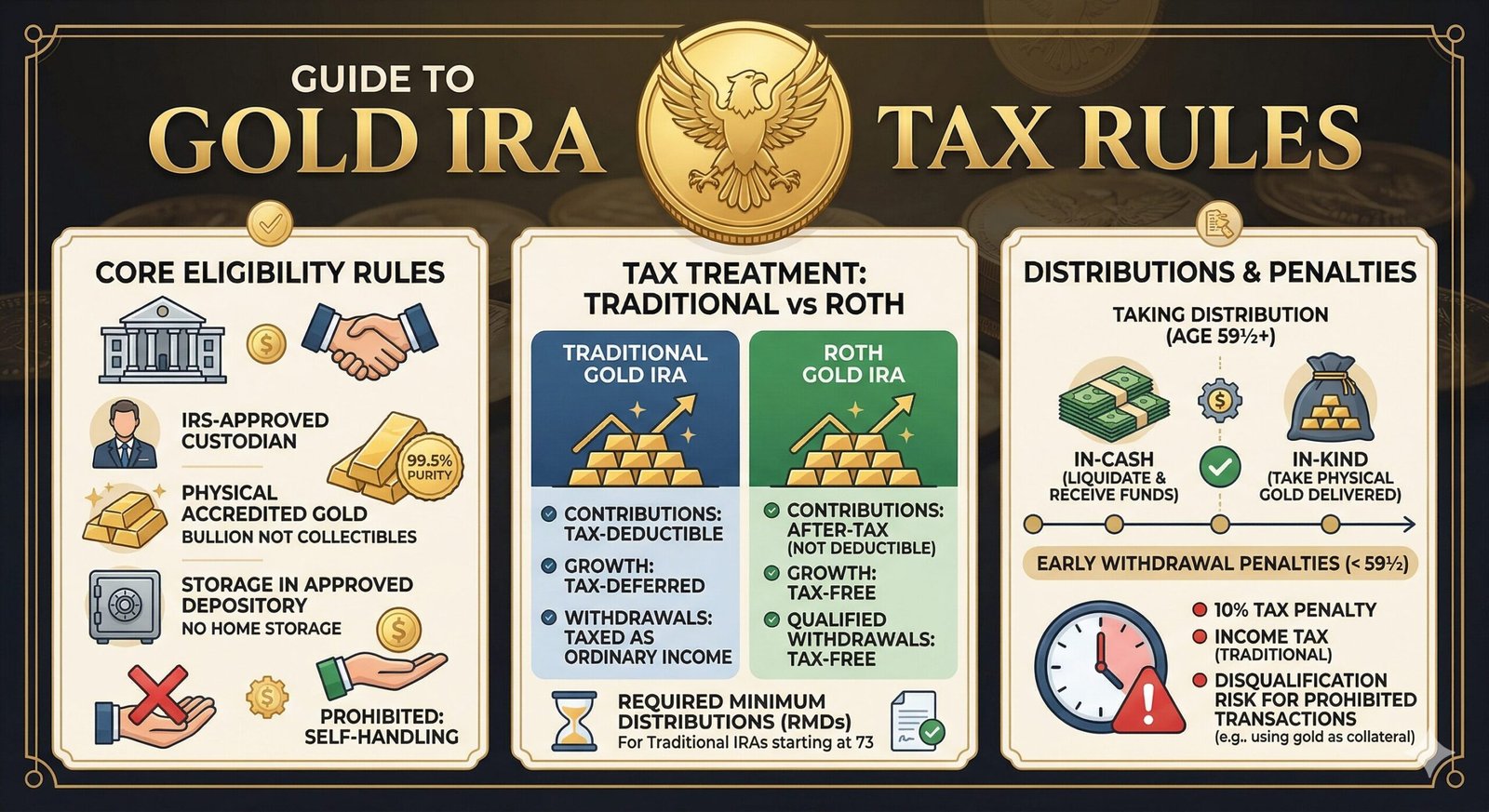
Regulatory compliance remains a critical factor distinguishing the Gold IRA market from general precious metals investing. The IRS IRA investment FAQ outlines specific requirements for precious metals held in retirement accounts, including purity standards, approved product types, and storage obligations that create unique market dynamics.
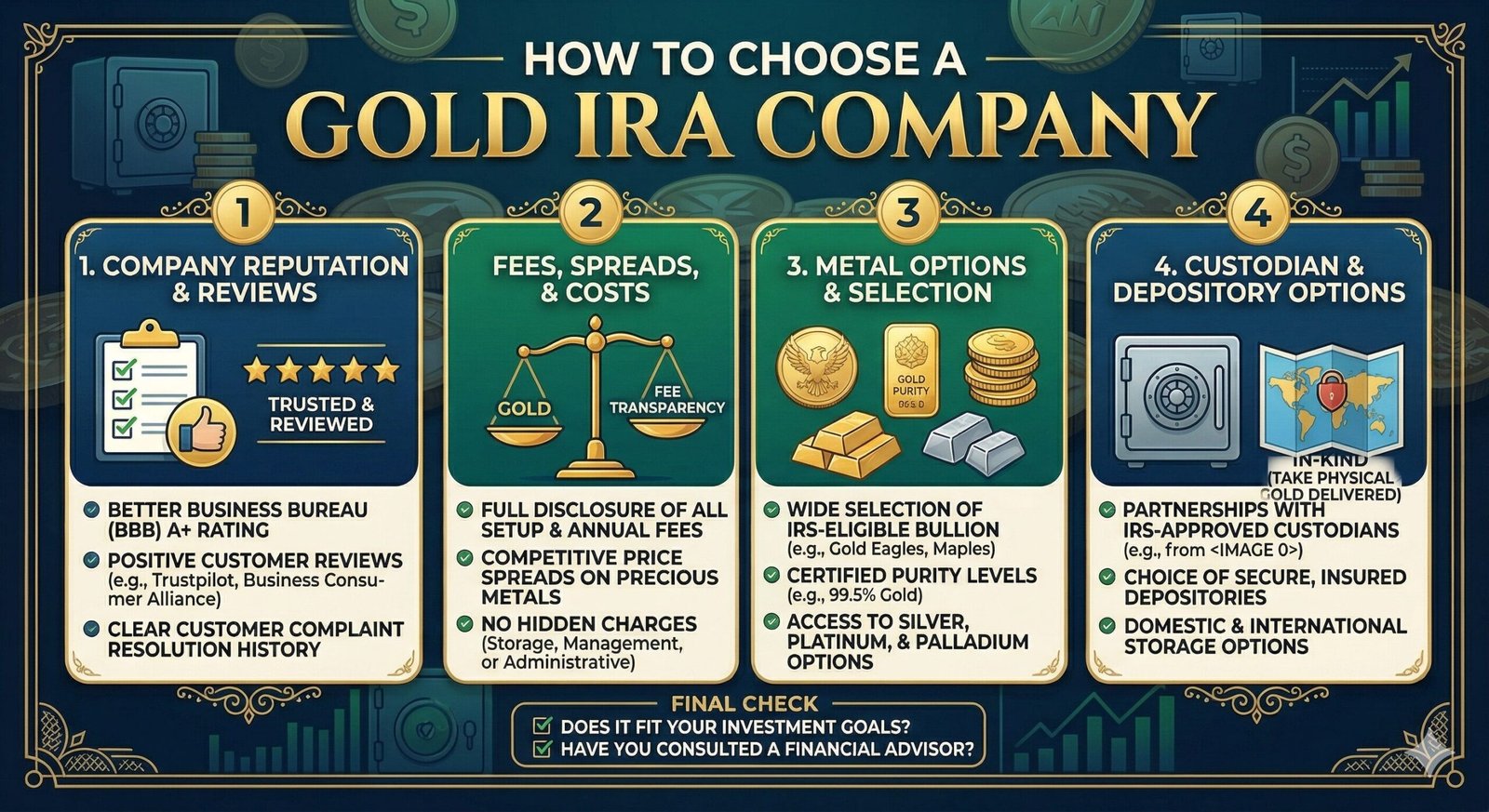
Custodial relationships in the Gold IRA space typically involve longer-term partnerships compared to other investment vehicles. Investors often maintain these relationships for decades, making the selection process particularly important. Market insights for this sector include understanding fee structures, service quality variations, and the stability of different providers over extended periods.
Supply and Demand Factors Affecting Gold IRA Investments
Global gold supply depends primarily on mining production and recycling of existing gold products. Major producing countries include China, Australia, Russia, and several African nations, each facing unique operational challenges ranging from environmental regulations to geopolitical considerations.
Mining companies continue investing in exploration and development projects, though bringing new mines to production typically requires years or even decades. This creates relatively stable supply patterns in the short term, though long-term supply dynamics can shift based on new discoveries, technological advances, and regulatory changes in producing regions.
Demand for gold comes from multiple sources including jewelry manufacturing, industrial applications, investment products, and central bank purchases. The relative influence of these demand categories varies over time, creating complex market dynamics that resist simple analysis or prediction.
For Gold IRA investors, understanding these supply and demand fundamentals provides context for market conditions without enabling price predictions. The Best Gold IRA Companies of 2026 operate within this broader market environment, though their services focus specifically on retirement account compliance rather than market timing.
Recycling represents a significant source of gold supply, particularly during periods when gold prices incentivize individuals and businesses to sell existing gold products. This creates a somewhat flexible supply component that can respond to price changes, though recycling patterns depend on numerous social and economic factors beyond precious metals markets alone.
Regulatory Environment and Market Structure
The regulatory framework governing precious metals in retirement accounts creates a specialized market environment distinct from general commodities trading. Federal regulations establish specific requirements for Gold IRA custodians, depositories, and approved products that influence market structure and participant behavior.
Storage requirements mandate that Gold IRA assets remain in approved depositories rather than personal possession, creating ongoing relationships between investors, custodians, and storage facilities. This requirement influences market dynamics by concentrating physical gold in specialized facilities designed for institutional storage rather than individual ownership.
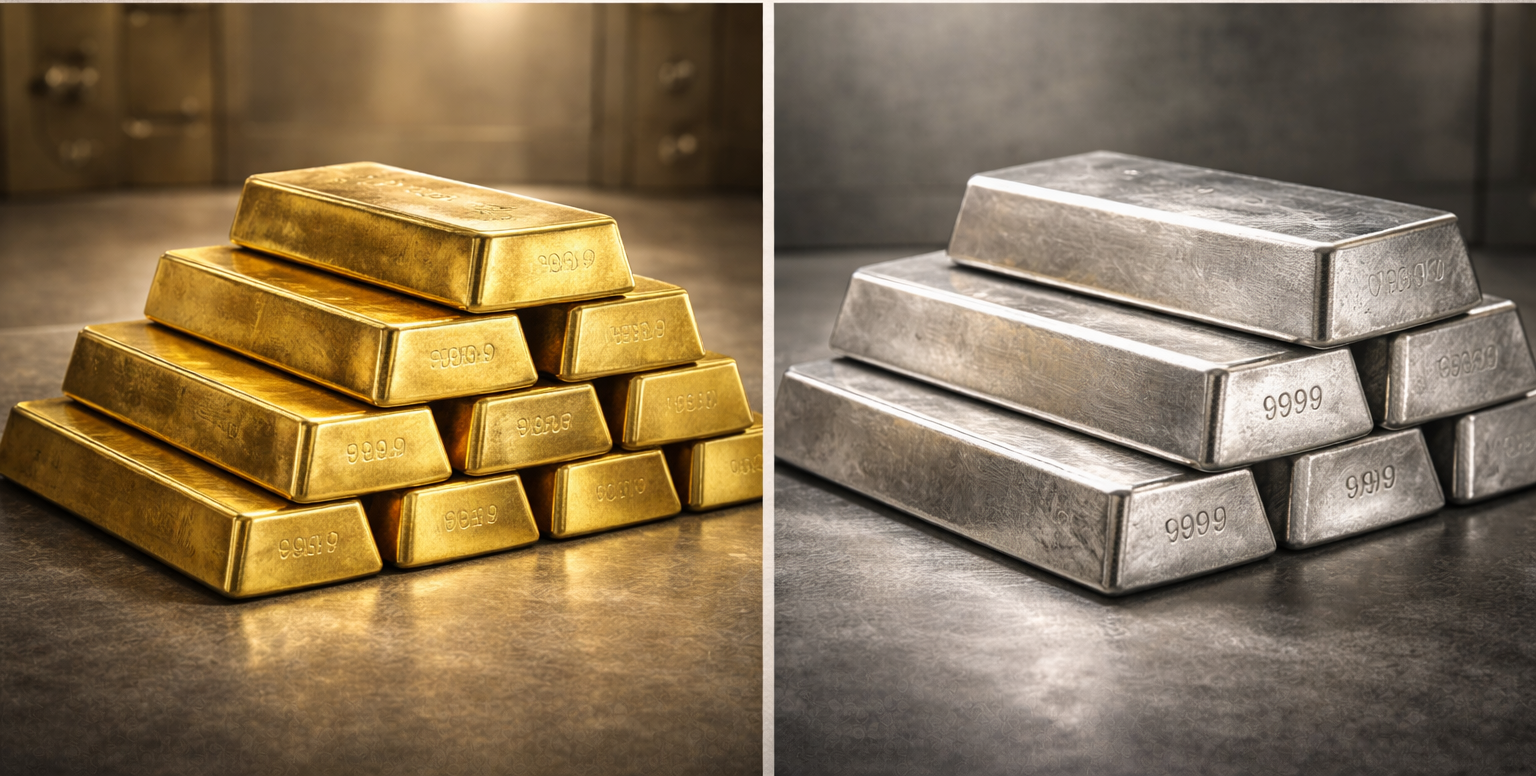
Product eligibility rules limit Gold IRA investments to specific coins and bars meeting IRS purity and production standards. These restrictions create focused demand for particular precious metals products while excluding others that might appeal to general investors. Understanding IRA-eligible gold coins helps investors navigate these regulatory requirements.
The FINRA’s guidance on self-directed IRAs emphasizes the importance of due diligence when selecting service providers for alternative retirement investments, including precious metals. This regulatory oversight influences market practices and provider standards throughout the Gold IRA industry.
Annual reporting requirements and audit procedures create additional compliance obligations for Gold IRA custodians and depositories, influencing their operational costs and service structures. These regulatory factors distinguish the Gold IRA market from other precious metals investment approaches.
Economic Factors Influencing the Gold Market
Interest rate environments historically correlate with precious metals market conditions, though the relationship involves complex dynamics that resist simple predictions. Central bank policies, inflation expectations, currency values, and global economic conditions all contribute to market sentiment surrounding gold investments.
Economic uncertainty often influences investor behavior across all asset classes, including precious metals. However, attempting to time market entries or exits based on economic predictions remains challenging even for professional analysts and economists. The interconnected nature of global financial markets creates numerous variables that can influence gold market conditions simultaneously.
Currency fluctuations add another layer of complexity to gold market analysis, particularly for international investors or during periods of significant exchange rate movements. Since gold prices are typically quoted in U.S. dollars, currency relationships can affect the relative attractiveness of gold investments for different investor populations.
Government fiscal policies, debt levels, and monetary policies contribute to long-term economic conditions that may influence precious metals markets, though predicting specific outcomes remains beyond the scope of reliable analysis. For Gold IRA investors, understanding these broader economic factors provides context without enabling market timing strategies.
Trade relationships, tariffs, and international economic agreements create additional variables that can influence precious metals markets through complex chains of economic cause and effect. These factors demonstrate the interconnected nature of global markets and the difficulty of predicting specific investment outcomes.
Technology and Market Evolution
Technological advances continue reshaping how precious metals markets operate, from mining and refining processes to trading platforms and storage systems. Digital trading platforms have increased market accessibility while improving price transparency and transaction efficiency.
Blockchain technology and digital verification systems are beginning to influence precious metals authentication and tracking, potentially reducing counterfeiting risks and improving supply chain transparency. These technological developments may influence market confidence and operational procedures over time.
Mining technology continues evolving to address environmental concerns, operational efficiency, and safety requirements. While these advances may influence long-term production capabilities, predicting specific impacts on market conditions remains challenging due to the complex interplay of technological, regulatory, and economic factors.
Storage and security technology improvements benefit Gold IRA depositories through enhanced monitoring systems, improved access controls, and better environmental management. These advances contribute to the operational infrastructure supporting the Gold IRA market segment.
Online educational resources and digital communication tools have improved investor access to information about Gold IRAs and precious metals markets generally. However, the abundance of information also requires investors to carefully evaluate source credibility and distinguish between educational content and promotional materials.
Market Transparency and Information Access
Modern precious metals markets benefit from improved transparency compared to historical periods, with real-time pricing information available through multiple channels and regulatory oversight providing consumer protection measures. However, market complexity still requires careful analysis and professional guidance for many investors.
Price discovery mechanisms in precious metals markets involve multiple exchanges, dealer networks, and trading platforms that contribute to overall market efficiency. Understanding these mechanisms helps investors appreciate how market prices develop without enabling price prediction capabilities.
Industry reporting standards and disclosure requirements provide investors with access to information about Gold IRA providers, though evaluating this information requires careful consideration of multiple factors including regulatory compliance, financial stability, and service quality measures.
Professional organizations and regulatory bodies publish guidelines and educational materials to help investors understand Gold IRA markets and make informed decisions. The SEC investor resources provide valuable background information on retirement account investing generally.
Independent research organizations and financial publications offer market analysis and industry insights, though investors should carefully evaluate the credibility and potential bias of different information sources when conducting their own research.
Fee Structures and Market Costs
Understanding fee structures in the Gold IRA market requires recognizing the various service providers involved in these retirement accounts. Custodial fees, storage charges, insurance costs, and dealer premiums all contribute to the total cost of Gold IRA ownership, and these costs can vary significantly among providers.
Annual maintenance fees for Gold IRAs typically exceed those for traditional retirement accounts due to the specialized services required for precious metals custody and storage. Our Gold IRA fees guide provides detailed information about typical cost structures and factors that influence fee levels among different providers.
Storage costs depend on the amount and type of precious metals held, storage facility location, insurance coverage, and security measures provided. Understanding these cost factors helps investors evaluate different storage options and their impact on long-term account performance.
Transaction costs for Gold IRA purchases and sales include dealer premiums, shipping and handling charges, and potential liquidation fees. These costs can accumulate over time, particularly for investors who make frequent account changes or hold smaller account balances.
Insurance coverage for Gold IRA assets adds another cost component, though this coverage provides important financial protection for retirement assets. Understanding insurance terms, coverage limits, and cost structures helps investors evaluate the total cost of Gold IRA ownership.
Comparison of Gold IRA Market Factors
Market Outlook Considerations for Gold IRA Investors
Rather than attempting to predict future market conditions, Gold IRA investors benefit from understanding the long-term factors that may continue influencing precious metals markets. These include ongoing technological changes, evolving regulatory environments, demographic trends affecting retirement planning, and the continued development of global financial markets.
The retirement planning landscape continues evolving as investors seek alternatives to traditional stock and bond allocations. This trend influences demand for Gold IRA services and may affect market conditions over extended periods, though specific outcomes remain unpredictable.
Demographic changes as baby boomers continue retiring may influence both precious metals demand and retirement account service requirements. Understanding these broad trends provides context for Gold IRA market development without enabling specific investment timing decisions.
International economic development and emerging market growth create ongoing changes in global gold demand patterns. While these factors contribute to market complexity, they also demonstrate the global nature of precious metals markets and the difficulty of predicting specific regional influences.
Environmental and social considerations increasingly influence mining operations and may affect long-term supply patterns. These factors add additional complexity to market analysis while highlighting the importance of sustainable practices throughout the precious metals industry.
Making Informed Gold IRA Decisions
Successful Gold IRA investing requires thorough research, careful provider selection, and realistic expectations about market behavior. Understanding that precious metals markets involve numerous unpredictable variables helps investors maintain appropriate perspective when evaluating Gold IRA options.
Due diligence for Gold IRA providers includes verifying regulatory compliance, financial stability, fee transparency, and customer service quality. Resources such as FINRA BrokerCheck and bbb.org provide valuable information for evaluating potential service providers.
Understanding Gold IRA rollover rules becomes essential for investors transferring existing retirement assets into precious metals accounts. These rules include timing requirements, contribution limits, and tax implications that affect the rollover process.
Long-term perspective proves particularly important for Gold IRA investors since these accounts typically involve extended holding periods and ongoing custodial relationships. Understanding Gold IRA minimum investment requirements helps investors determine whether this retirement strategy aligns with their available resources.
Comparing Gold IRA vs Traditional IRA options helps investors understand the tradeoffs involved in precious metals retirement investing, including cost differences, complexity considerations, and regulatory requirements unique to each approach.
Risk Awareness and Market Realities
Gold IRA investing involves various risks including market volatility, liquidity considerations, storage and insurance requirements, and the potential for provider-related issues. Understanding these risks helps investors make informed decisions about whether Gold IRAs align with their retirement planning objectives.
Market volatility affects all precious metals investments, including those held in retirement accounts. While past price movements cannot predict future results, historical market behavior demonstrates that gold prices can experience significant fluctuations over both short and long-term periods.
Liquidity considerations for Gold IRAs differ from traditional retirement investments since converting precious metals to cash requires coordination between custodians, depositories, and dealers. Understanding these processes helps investors plan for potential future liquidity needs.
Provider risk involves the potential for custodial or storage facility problems that could affect account access or security. Careful provider selection and ongoing monitoring help mitigate these risks, though they cannot be eliminated entirely.
Regulatory changes could affect Gold IRA rules, tax treatment, or operational requirements in unpredictable ways. While current regulations provide a framework for Gold IRA operations, future policy changes remain beyond investor control and could influence account management requirements.
Frequently Asked Questions
What factors most influence Gold IRA market conditions?
Gold IRA market conditions are influenced by global economic factors, regulatory changes, supply and demand dynamics, central bank policies, currency fluctuations, and technological developments in both precious metals markets and retirement account administration. The specialized nature of Gold IRAs means they’re also affected by changes in custodial regulations, storage facility availability, and IRA-eligible product supply.
How do Gold IRA markets differ from general precious metals investing?
Gold IRA markets operate under specific regulatory requirements including IRS-approved custodians, mandatory depository storage, and restrictions to eligible precious metals products. This creates a more specialized market segment with different cost structures, service requirements, and operational procedures compared to direct precious metals ownership or exchange-traded products.
What should investors understand about Gold IRA market timing?
Market timing involves attempting to predict price movements, which remains unreliable even for professional analysts. Gold IRA investors typically benefit more from understanding long-term market factors, focusing on provider selection, and maintaining realistic expectations about market volatility rather than trying to time market entries or exits.
How do economic conditions affect Gold IRA considerations?
Economic conditions influence precious metals markets through complex relationships involving interest rates, currency values, inflation expectations, and global economic uncertainty. However, these relationships don’t enable reliable price predictions. Gold IRA investors should understand these economic factors as context rather than timing signals.
What market trends should Gold IRA investors monitor?
Important trends include regulatory changes affecting retirement accounts, technological developments in precious metals markets, evolving custodial service standards, changes in approved product availability, and developments in storage and security technology. These trends affect the operational environment for Gold IRAs rather than enabling price predictions.
For investors considering precious metals in their retirement planning, understanding these market insights provides valuable context for evaluating whether Gold IRAs align with their long-term financial objectives. Thorough research and careful consideration of all factors help ensure informed decision-making in this specialized investment area.
To explore Gold IRA options further and compare leading providers in the precious metals retirement space, visit our comprehensive guide to the Best Gold IRA Companies of 2026.
This article is for informational purposes only and does not constitute financial or tax advice. Investing in precious metals involves risk including possible loss of principal.