Gold Price Today: Live Spot Price and Market Context
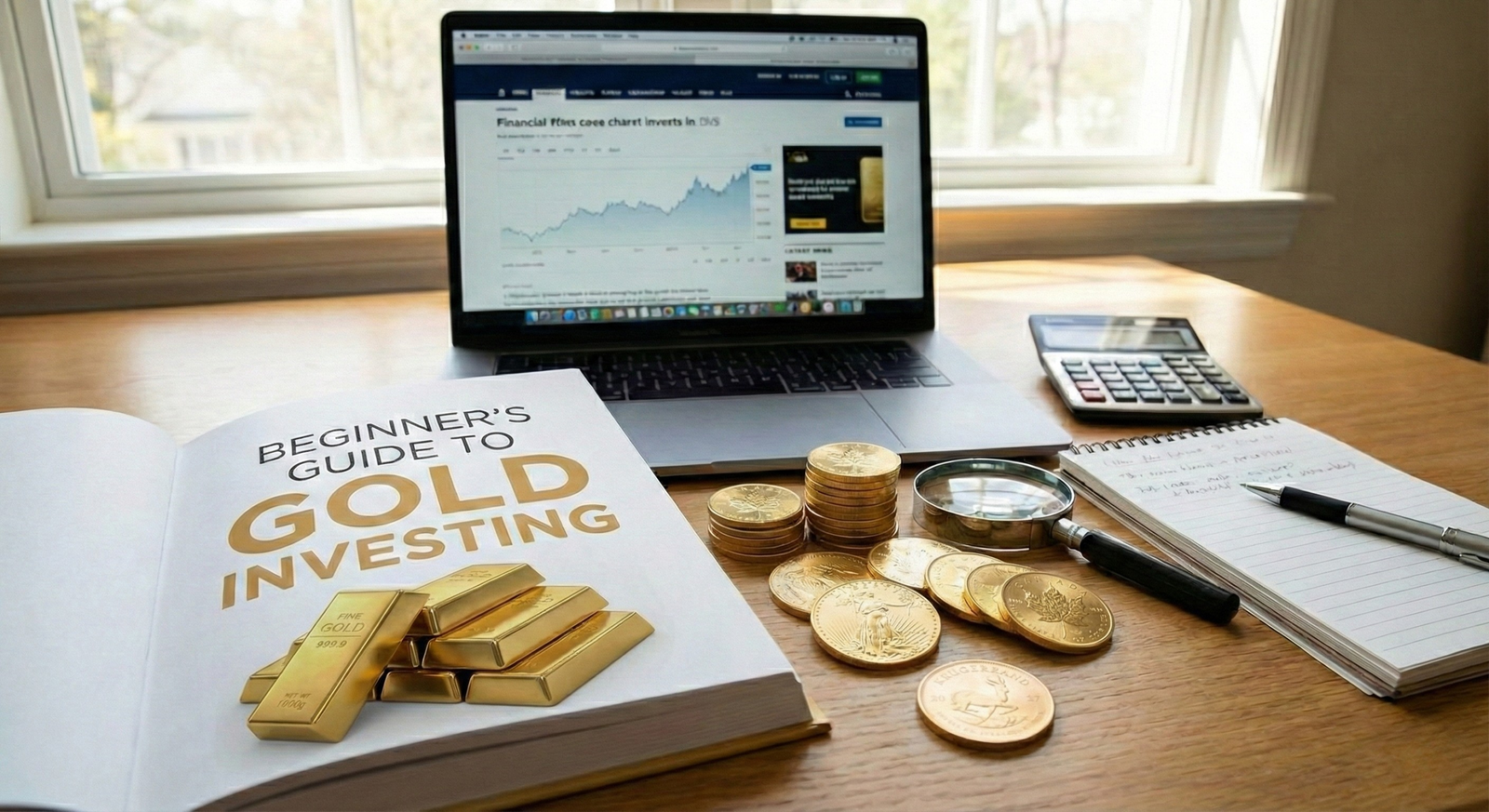
Gold has captured human attention for thousands of years, but for today’s retirement investors, the question is far more practical: what is the gold price right now, and what does it mean? Whether you’re researching a Gold IRA, monitoring an existing position, or simply trying to understand how gold fits into your broader financial picture, knowing how to read the gold price — and what moves it — is an essential starting point.
This guide walks you through how spot gold prices work, what drives daily price changes, where to find reliable live data, and what context matters most for long-term investors thinking about precious metals in retirement.
What Is the Gold Spot Price?
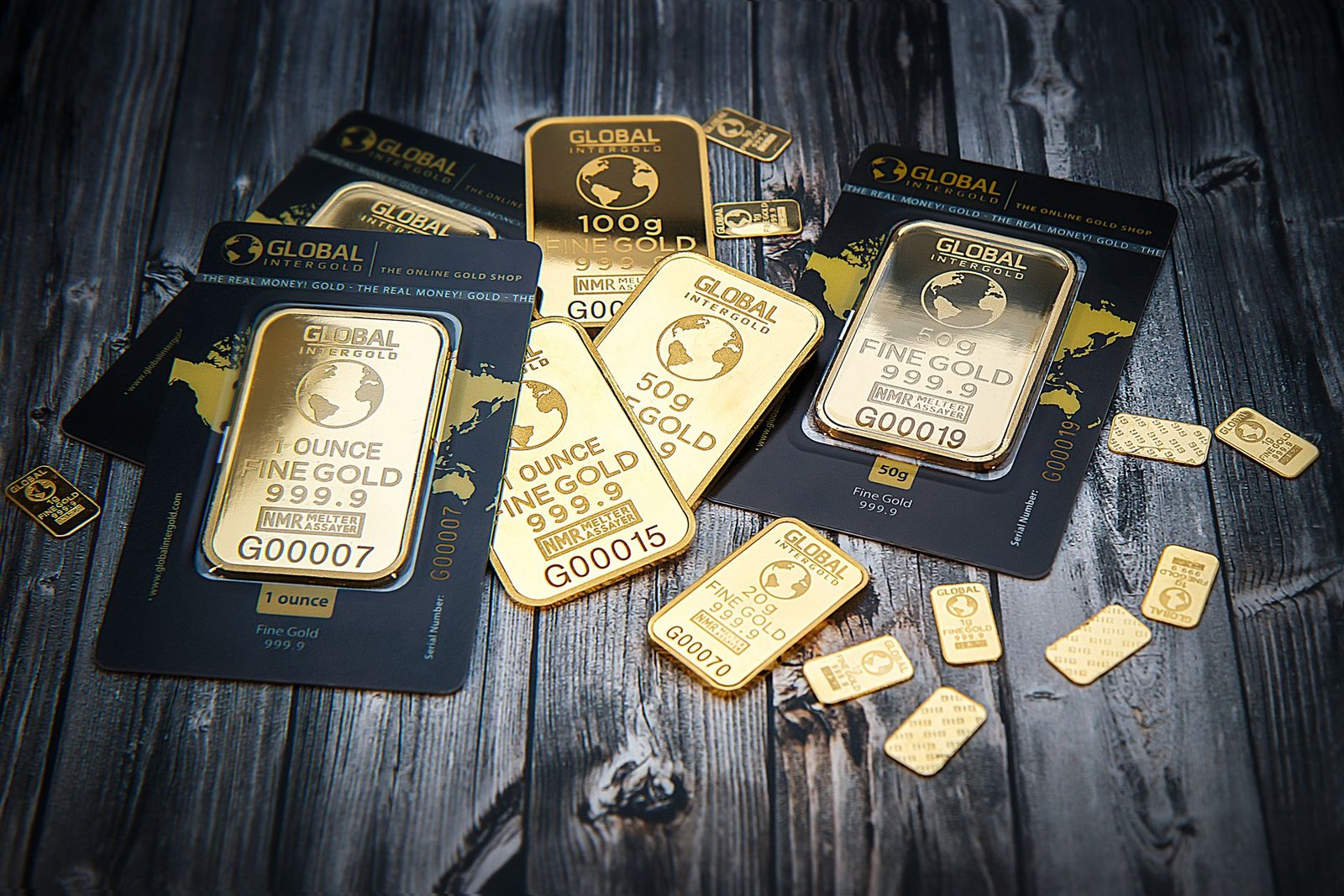
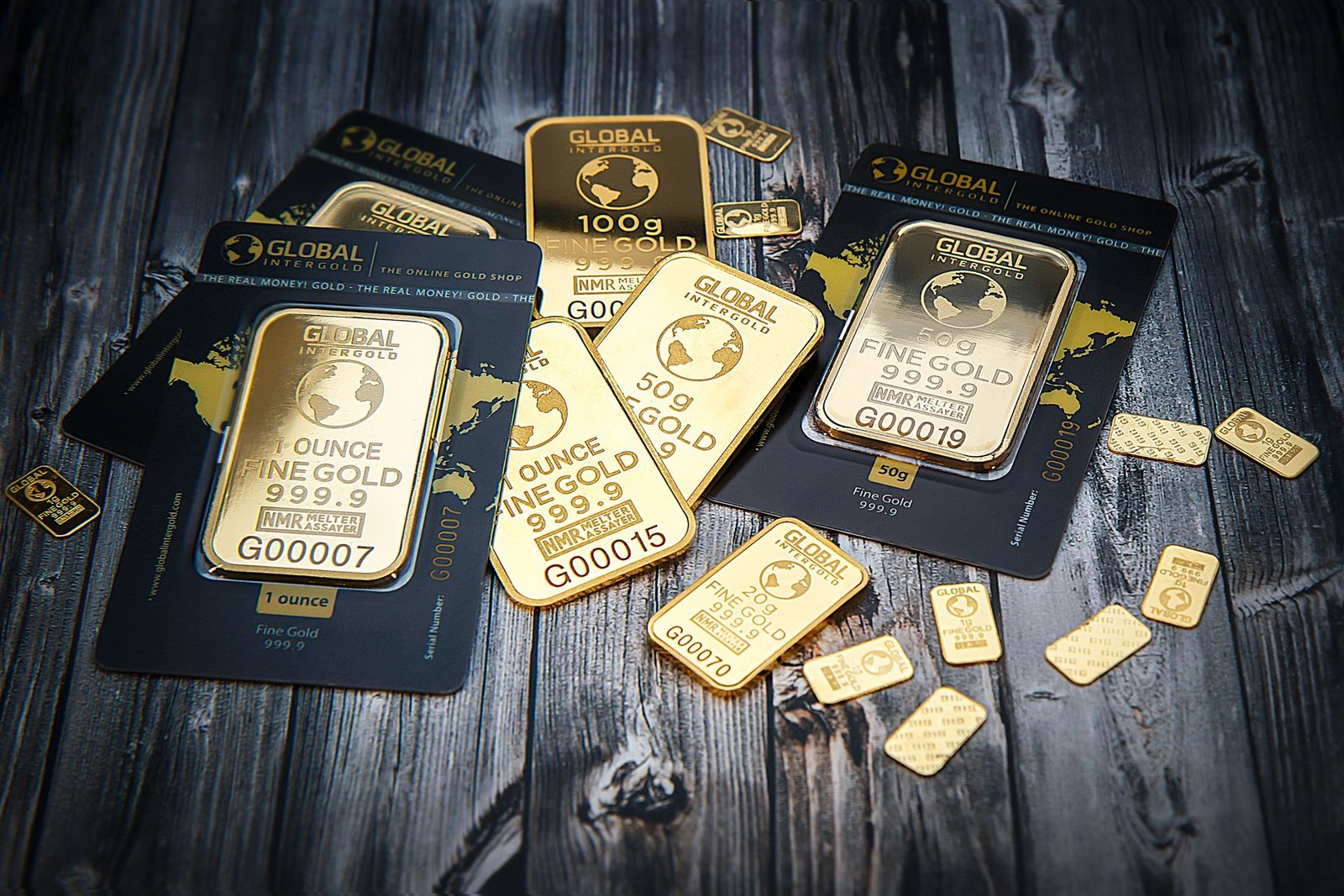
The gold spot price is the current market price at which one troy ounce of gold can be bought or sold for immediate delivery. It’s the global benchmark for gold pricing and is quoted in U.S. dollars per troy ounce on major commodities exchanges around the world, most notably the COMEX division of the New York Mercantile Exchange (NYMEX).
The spot price updates continuously during trading hours, reflecting real-time transactions between buyers and sellers — bullion banks, commodity traders, central banks, mining companies, and institutional investors. When you see a headline figure like “$2,350 per ounce,” that is the spot price: a live snapshot of where the market values gold at that precise moment.
It’s worth noting that the spot price is not the price you’ll pay at retail. Dealers, mints, and Gold IRA custodians all charge a premium above spot — covering their costs for physical production, storage logistics, insurance, and margin. Understanding the difference between spot and premium is an important step before making any purchasing decision.
Where to Find the Live Gold Price Today
Several reputable financial data sources publish the real-time gold spot price at no cost. These include:
COMEX (CME Group): The primary U.S. futures exchange where gold contracts are actively traded. Futures prices closely mirror the spot price and are widely referenced by financial professionals.
London Bullion Market Association (LBMA): The LBMA publishes the London Gold Price — also called the “fix” — twice daily. The morning and afternoon fix prices are used as reference benchmarks globally, particularly for over-the-counter physical gold transactions.
Financial data platforms: Sites such as Kitco, Bloomberg, Reuters, and TradingView stream live spot price data throughout global trading sessions. Most are freely accessible without an account.
For gold retirement investors, these sources are useful for context and general monitoring. If you’re evaluating the cost of opening or contributing to a Gold IRA, your custodian or dealer will quote you their current transactional price, which will include applicable premiums and fees. Our Gold IRA fees guide explains what those charges typically look like.
How the Gold Price Is Quoted
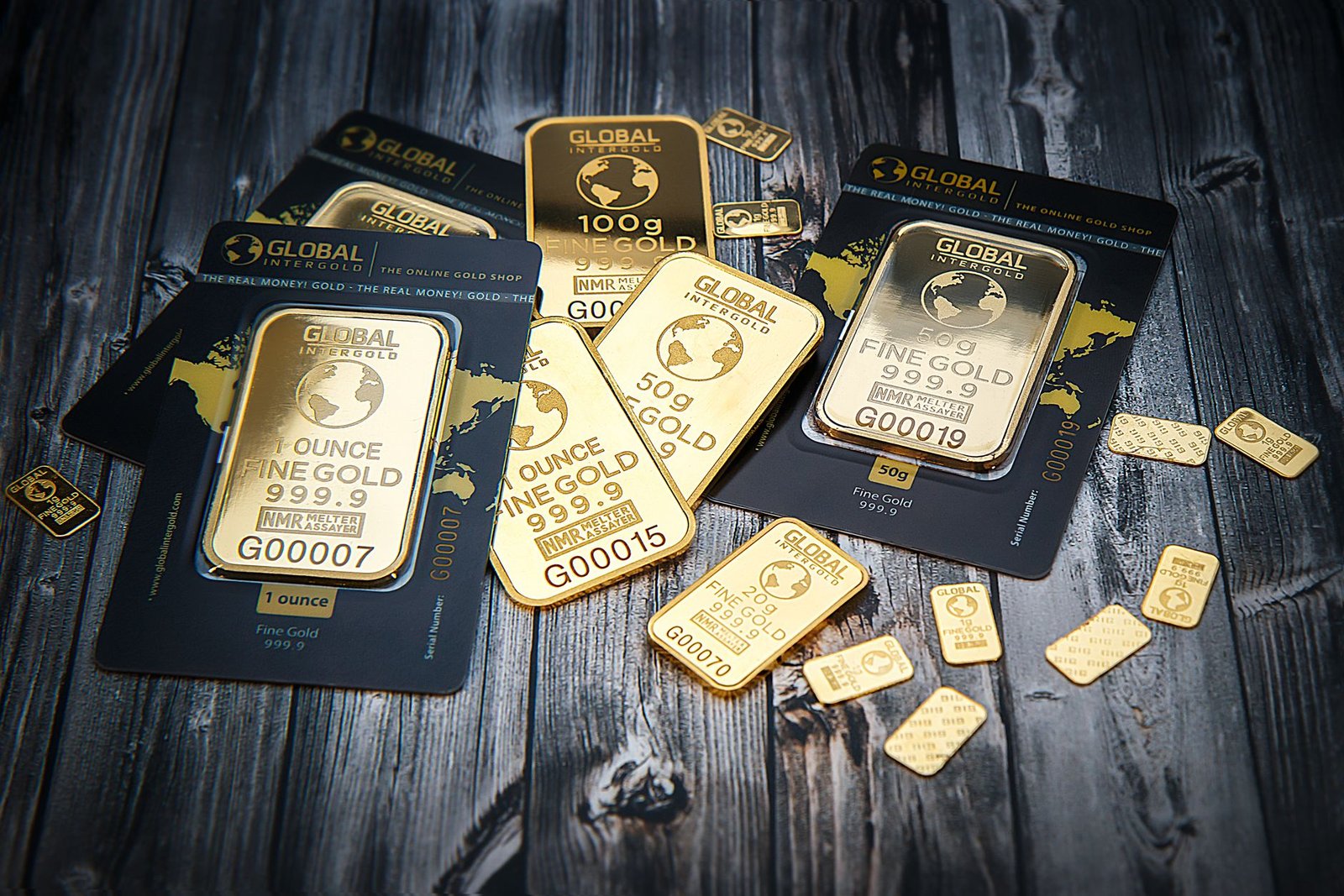
Gold is quoted in troy ounces, not standard ounces. One troy ounce equals approximately 31.1 grams — slightly heavier than a standard avoirdupois ounce (28.35 grams). This distinction matters when comparing gold coin or bar weights across different product types.
Beyond the per-ounce price, you may also encounter gold quoted per gram or per kilogram, particularly on international platforms or when evaluating smaller bullion products. The per-gram price is simply the spot price divided by 31.1.
Gold prices are also affected by currency. While USD is the global standard, movements in the U.S. dollar index have a direct bearing on the nominal price of gold. A weakening dollar often corresponds with a rising nominal dollar price for gold — and vice versa — though the relationship is not mechanical and involves many overlapping variables.
What Drives the Gold Price?
Understanding what moves gold prices day to day — and year to year — is valuable for any investor who wants to think clearly about precious metals. Gold doesn’t pay dividends or generate earnings, so its price is shaped almost entirely by supply, demand, and perception of value relative to other macro conditions.
U.S. Dollar Strength
Because gold is priced globally in U.S. dollars, the dollar’s relative strength has a meaningful effect on gold’s price. When the dollar weakens against other major currencies, gold often becomes more affordable for international buyers, which can increase demand and push prices higher. The inverse can also apply. Investors often track the U.S. Dollar Index (DXY) alongside gold prices for this reason.
Interest Rates and Federal Reserve Policy
Real interest rates — nominal rates adjusted for inflation — are one of the most closely watched drivers of gold pricing. When real rates are low or negative, the opportunity cost of holding gold (which pays no yield) is reduced, and gold tends to attract more interest. When real rates rise sharply, capital may flow toward yield-bearing assets, which can create headwinds for gold. Federal Reserve meeting decisions, interest rate announcements, and economic projections all tend to move gold markets.
Inflation Expectations
Gold has a long historical association with purchasing power preservation, though it’s important to note that past performance is not a guarantee of future results. When inflation expectations rise, demand for gold often increases. Consumer price index (CPI) reports, producer price data, and Federal Reserve commentary on inflation targets are all closely watched by gold market participants.
Geopolitical and Macroeconomic Uncertainty
Periods of geopolitical stress — conflicts, financial instability, banking sector concerns — historically coincide with increased gold demand. Investors and institutions often increase gold holdings during periods of broad uncertainty, which can push prices higher. As with all factors, this relationship is not guaranteed or predictable.
Central Bank Demand
Central banks around the world hold gold as part of their official reserve assets. In recent years, central bank gold buying has been a notable demand driver globally, with institutions in China, India, Poland, and Turkey among those that have increased reserves substantially. Central bank demand data is published periodically by the World Gold Council and influences longer-term price dynamics.
Mining Supply
Gold supply is relatively inelastic — new mine production takes years to develop and cannot respond quickly to price signals. Global annual mine production has remained relatively stable in recent years, which means demand-side factors tend to dominate price movements over supply-side ones.
Gold Prices and the Retirement Investor
For investors aged 45 to 70 thinking about retirement planning, the daily gold spot price is one data point — but context matters far more than any single number. If you’re exploring a Gold IRA or considering IRA-eligible gold coins, understanding what you’re buying and why tends to be more important than timing the market.
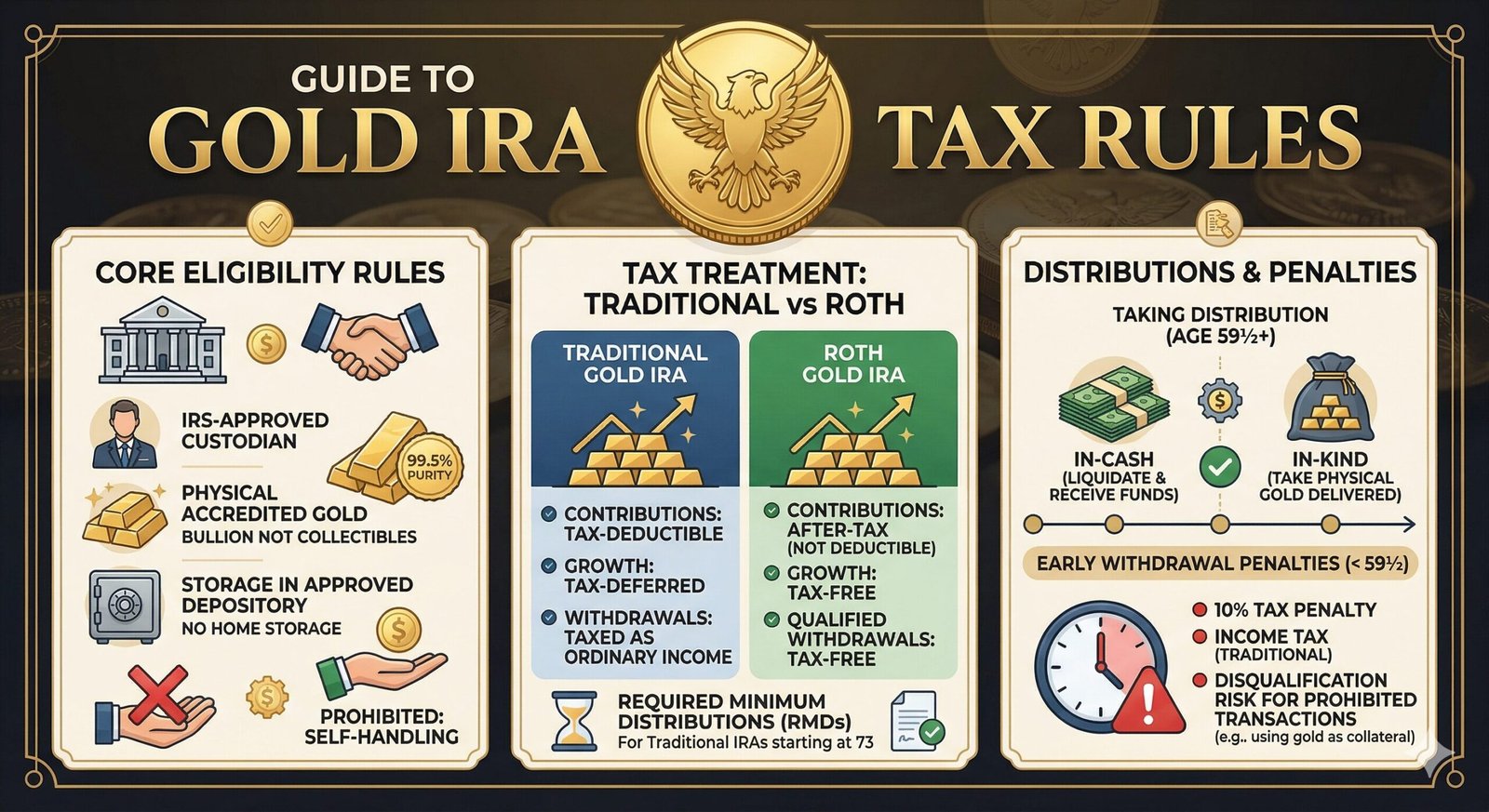
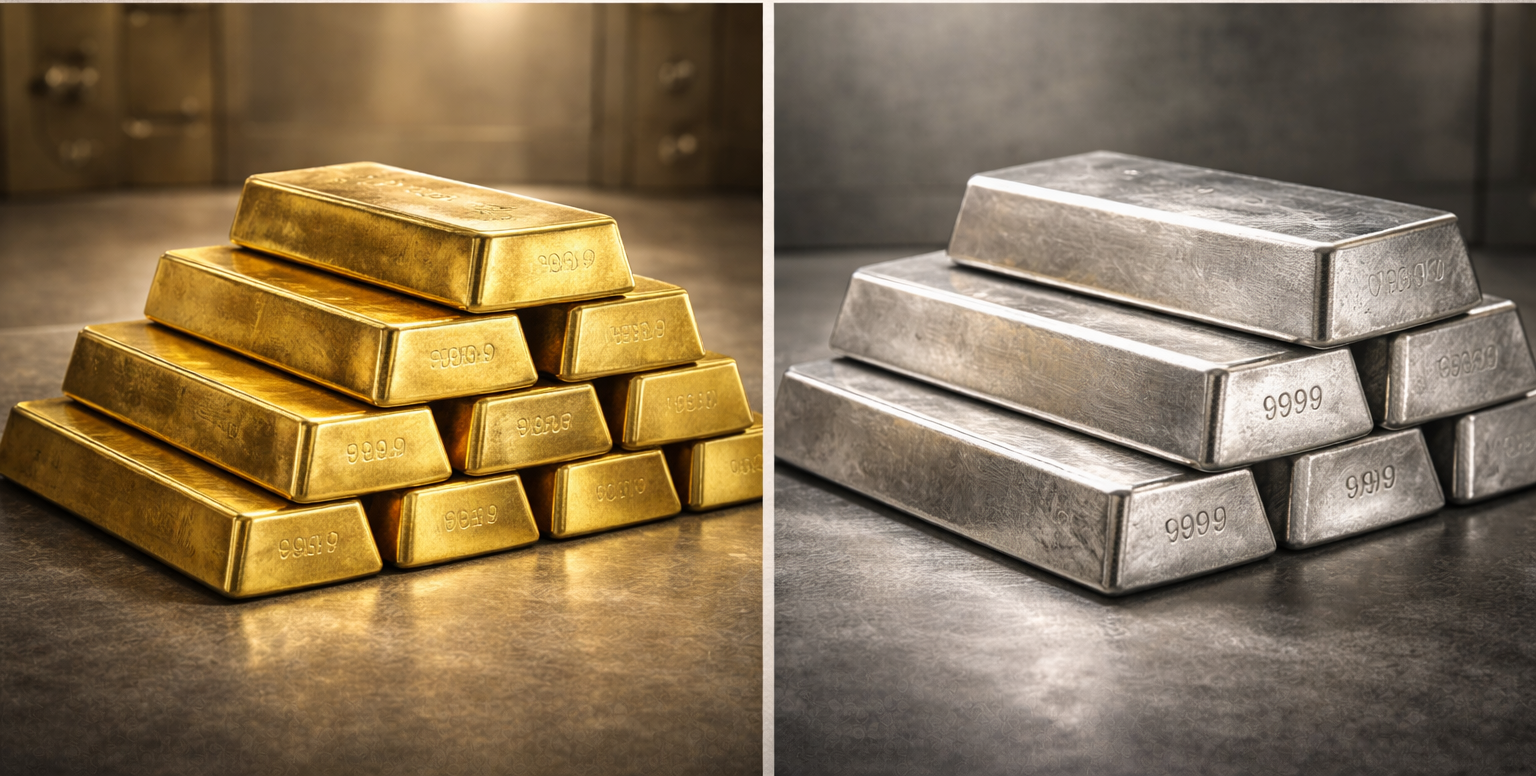
The IRS has specific rules about what types of gold can be held in a self-directed IRA. Physical gold must meet a minimum purity of 99.5% (with limited exceptions for certain coins), and it must be stored with an approved IRS custodian — not at home. The IRS IRA investment FAQ outlines what qualifies, and IRS Publication 590-A covers contribution rules applicable to IRA accounts broadly.
FINRA’s guidance on self-directed IRAs also provides a useful overview for investors who are new to the structure. Self-directed IRAs carry more responsibility than standard brokerage IRAs, and understanding the rules before proceeding is strongly advised.
If you’re considering rolling over a 401(k) into a Gold IRA, our 401(k) to Gold IRA rollover guide walks through the process step by step. Rollover rules have specific timelines and tax implications — our Gold IRA rollover rules page covers these in detail.
For a full educational foundation, visit our Gold IRA hub or read Gold IRAs Explained in Detail for a thorough grounding in how these accounts work.
Gold Price Benchmarks: A Quick Reference Table
Evaluating Gold Companies and Services
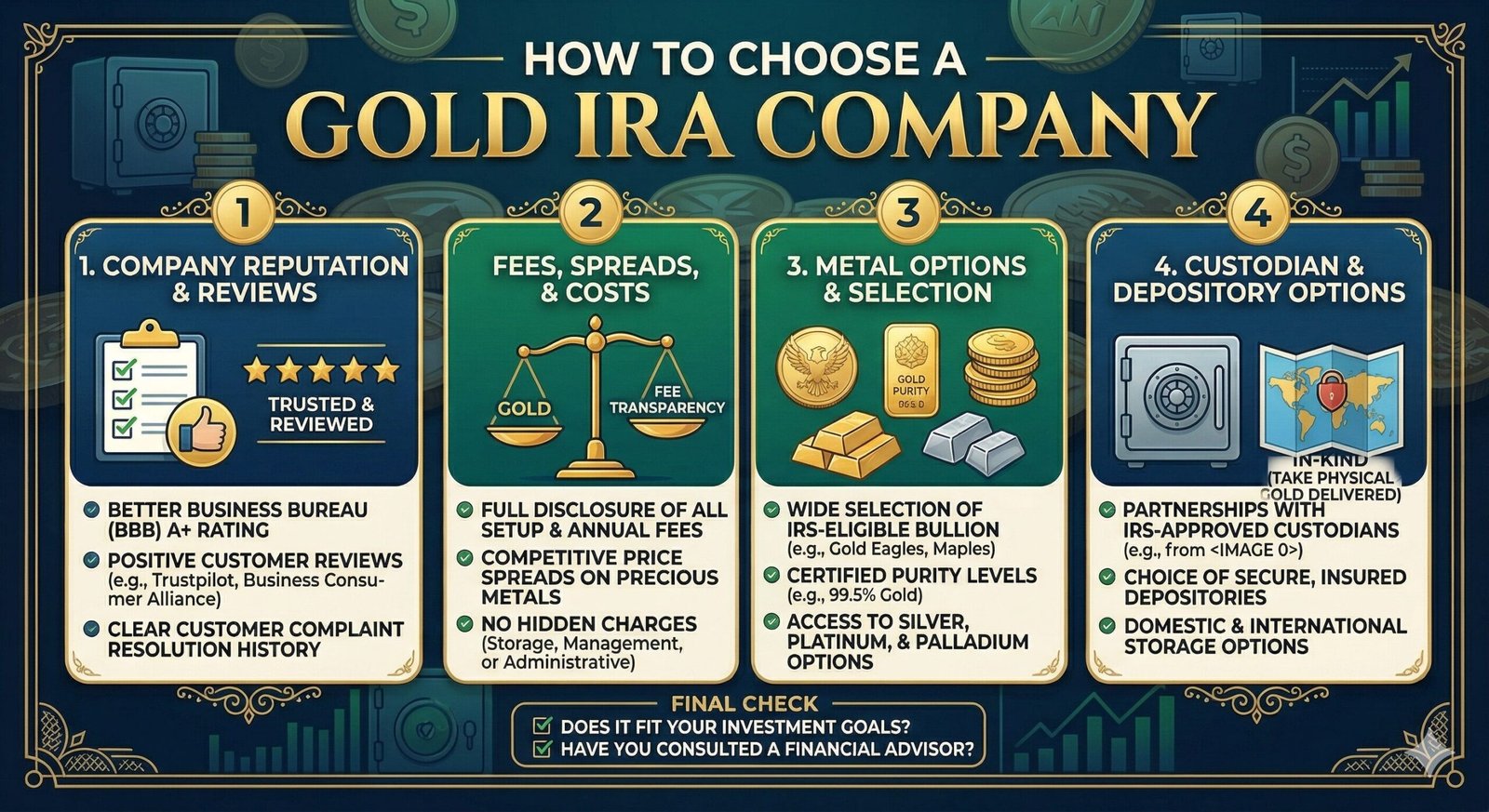
If you’ve decided to explore physical gold for a retirement account, choosing the right custodian and dealer matters as much as the price. Reputable companies are transparent about their fee structures, clearly disclose premiums above spot, and don’t pressure clients into rushed decisions.
Checking a company’s rating on bbb.org and verifying any financial professionals through FINRA BrokerCheck are basic but important steps. Our Gold IRA scams guide outlines the most common red flags to watch for, including vague fee disclosures and high-pressure sales tactics.
Frequently Asked Questions
Q: What is the gold price today?
A: The gold spot price updates continuously during market hours and can be found on platforms such as Kitco, Bloomberg, or the CME Group website. The price reflects real-time trading on global commodities exchanges and is quoted in U.S. dollars per troy ounce.
Q: Why does the gold price change every day?
A: Gold prices respond to a wide range of factors including movements in the U.S. dollar, changes in real interest rates, inflation expectations, central bank activity, and broader macroeconomic or geopolitical developments. Because these variables shift constantly, so does the price.
Q: Is the spot price what I’ll pay when buying gold for an IRA?
A: No. Dealers and custodians charge a premium above the spot price to cover production, insurance, logistics, and their own operating margins. The total cost you pay per ounce will be higher than the spot price. Always ask for a full cost breakdown before committing.
Q: Does the gold price affect IRA contribution limits?
A: No. IRA contribution limits are set by the IRS and are not tied to gold prices. For 2025, the standard IRA contribution limit is $7,000 per year ($8,000 for those aged 50 and over). See the IRS contribution limits page for current figures.
Q: Should I wait for a lower gold price before opening a Gold IRA?
A: This site does not provide investment advice, and we never predict where gold prices are headed. Whether timing matters to your situation is a question for a qualified financial advisor. What we can say is that understanding the structure, costs, and rules of a Gold IRA before making any decision is always a sound first step.
Ready to Learn More?
If you’re exploring your options for holding gold within a retirement account, start by reviewing our guide to is a Gold IRA a good idea and then compare vetted providers on our Best Gold IRA Companies of 2026 page — a regularly updated resource designed to help retirement investors evaluate their choices with confidence.
This article is for informational purposes only and does not constitute financial or tax advice. Investing in precious metals involves risk including possible loss of principal.