
Gold IRA Account Statements: What to Check and Why
Your gold IRA account statement serves as a crucial window into your precious metals retirement investment. Unlike traditional retirement accounts that display familiar stock and bond holdings, these statements present unique information about physical gold and silver assets stored in approved depositories. Understanding how to read and analyze your gold IRA account statement empowers you to monitor your investment effectively and spot potential issues before they become problems.
Many investors find their first gold IRA account statement confusing or incomplete compared to conventional brokerage statements. The physical nature of precious metals creates distinct reporting requirements and presentation formats that differ significantly from paper assets. Learning to navigate these statements properly helps ensure your retirement assets remain secure and properly documented.
Understanding the Basic Structure of Gold IRA Account Statements
Gold IRA account statements typically contain several key sections that work together to provide a complete picture of your precious metals holdings. The header section identifies your account details, including account number, statement period, and custodian information. This basic identification ensures you’re reviewing the correct account and time frame.
The holdings section forms the core of your statement, listing each precious metals product in your account. Unlike stock holdings that display share quantities and ticker symbols, gold IRA statements show specific coin types, bar weights, and serial numbers where applicable. Each holding includes the purchase date, quantity, and current market valuation based on recent precious metals spot prices.
Transaction history occupies another critical section, detailing all account activity during the statement period. This includes purchases, sales, storage fee deductions, and any transfers or distributions. The transaction section helps you track cash flows and verify that all authorized activities appear correctly on your account.
Your statement will also include fee disclosures and account summary information. These sections outline storage costs, administrative fees, and any other charges assessed during the statement period. Understanding these fees helps you evaluate the total cost of maintaining your precious metals retirement account over time.
Key Information to Verify on Every Statement
Several critical data points require careful verification each time you receive a gold IRA account statement. Product specifications represent the most important area to review, as errors in coin types, weights, or purity levels could indicate serious problems with your holdings.
Verify that each precious metals product listed matches your purchase records exactly. Gold coins should display correct denominations, years, and mint marks. Silver bars need accurate weight specifications and manufacturer information. Any discrepancies between your records and the statement require immediate attention from your custodian.
Serial numbers provide another crucial verification point for bars and certain coin products. These unique identifiers ensure that the specific precious metals products you purchased remain properly allocated to your account. Missing or incorrect serial numbers could indicate commingling issues or administrative errors that need resolution.
Market valuations deserve careful scrutiny, though they fluctuate based on current spot prices for gold and silver. Your statement should reflect reasonable market values based on recent precious metals pricing. Significantly outdated valuations or obvious pricing errors warrant inquiry with your custodian about their valuation methodology.
Storage location information confirms that your precious metals remain housed in approved depositories as required by IRS regulations. The IRS IRA investment FAQ specifies strict storage requirements for precious metals in retirement accounts. Verify that your assets remain in compliant facilities and that storage arrangements haven’t changed without notification.
Common Red Flags and Warning Signs
Certain patterns or anomalies in gold IRA account statements may signal potential problems requiring immediate attention. Missing holdings represent the most serious red flag, especially when precious metals products disappear from your account without corresponding sale transactions or authorized distributions.
Unexplained fee increases or new charges that weren’t disclosed in your original account agreements deserve investigation. While some fee adjustments occur periodically, significant changes or mysterious charges could indicate billing errors or unauthorized activities.
Delayed or missing statements themselves constitute warning signs. Your custodian should provide regular statements according to the schedule outlined in your account agreement. Gaps in statement delivery or excuses about reporting delays may indicate operational problems or worse.
Vague or incomplete product descriptions make it difficult to verify your actual holdings. Professional custodians maintain detailed records of specific precious metals products, including complete specifications and identifying information. Generic descriptions like “gold coins” or “silver bars” without proper details suggest inadequate record-keeping systems.
Transaction discrepancies between your records and the statement require careful attention. Any purchases, sales, or fees that don’t match your documentation need explanation and correction. These errors could indicate processing mistakes or potentially fraudulent activity.
Fee Structures and Cost Analysis
Understanding fee structures helps you evaluate whether charges appearing on your gold IRA account statement align with your custodian agreement. Storage fees typically represent the largest ongoing cost, usually calculated as an annual percentage of account value or a flat rate per year. These fees compensate the depository for secure storage and insurance coverage.
Administrative fees cover account maintenance, statement preparation, and custodian services. Many custodians charge annual administrative fees ranging from modest flat rates to percentage-based calculations. Your statement should clearly identify these charges and show how they’re calculated.
Transaction fees apply to purchases, sales, and other account activities. These costs vary significantly between custodians and may include dealer markups, processing charges, and shipping fees for precious metals deliveries. Review transaction fees carefully to understand the total cost of account activities.
Our comprehensive Gold IRA fees guide provides detailed analysis of typical cost structures and helps you evaluate whether your fees remain competitive within the industry. Understanding fee benchmarks enables better assessment of your account statement charges.
Storage and Custody Verification
Your gold IRA account statement should provide clear documentation of storage arrangements and custody verification. Approved depositories must meet strict IRS requirements for security, insurance, and operational standards. The statement should identify the specific facility housing your precious metals and confirm that it maintains proper regulatory compliance.
Segregated versus commingled storage represents an important distinction that should appear clearly on your statement. Segregated storage keeps your precious metals physically separated from other investors’ holdings, while commingled storage pools similar products together. Your statement should accurately reflect the storage method you selected and paid for.
Insurance coverage information helps verify that your precious metals receive adequate protection against theft, damage, or loss. Professional depositories maintain comprehensive insurance policies covering stored assets. Your statement or accompanying documentation should reference appropriate insurance coverage for your holdings.
Audit information provides additional confidence in your storage arrangements. Reputable depositories undergo regular independent audits to verify that physical holdings match account records. Your custodian should be able to provide information about audit procedures and results upon request.
Understanding what a Gold IRA is helps you appreciate why proper storage and custody verification matter so much for these specialized retirement accounts. The physical nature of precious metals creates unique challenges and requirements that don’t apply to traditional paper assets.
Tax Implications and Reporting
Gold IRA account statements play a crucial role in tax reporting and compliance with retirement account regulations. The statement provides documentation needed for various tax forms and helps track important dates and values for distribution calculations.
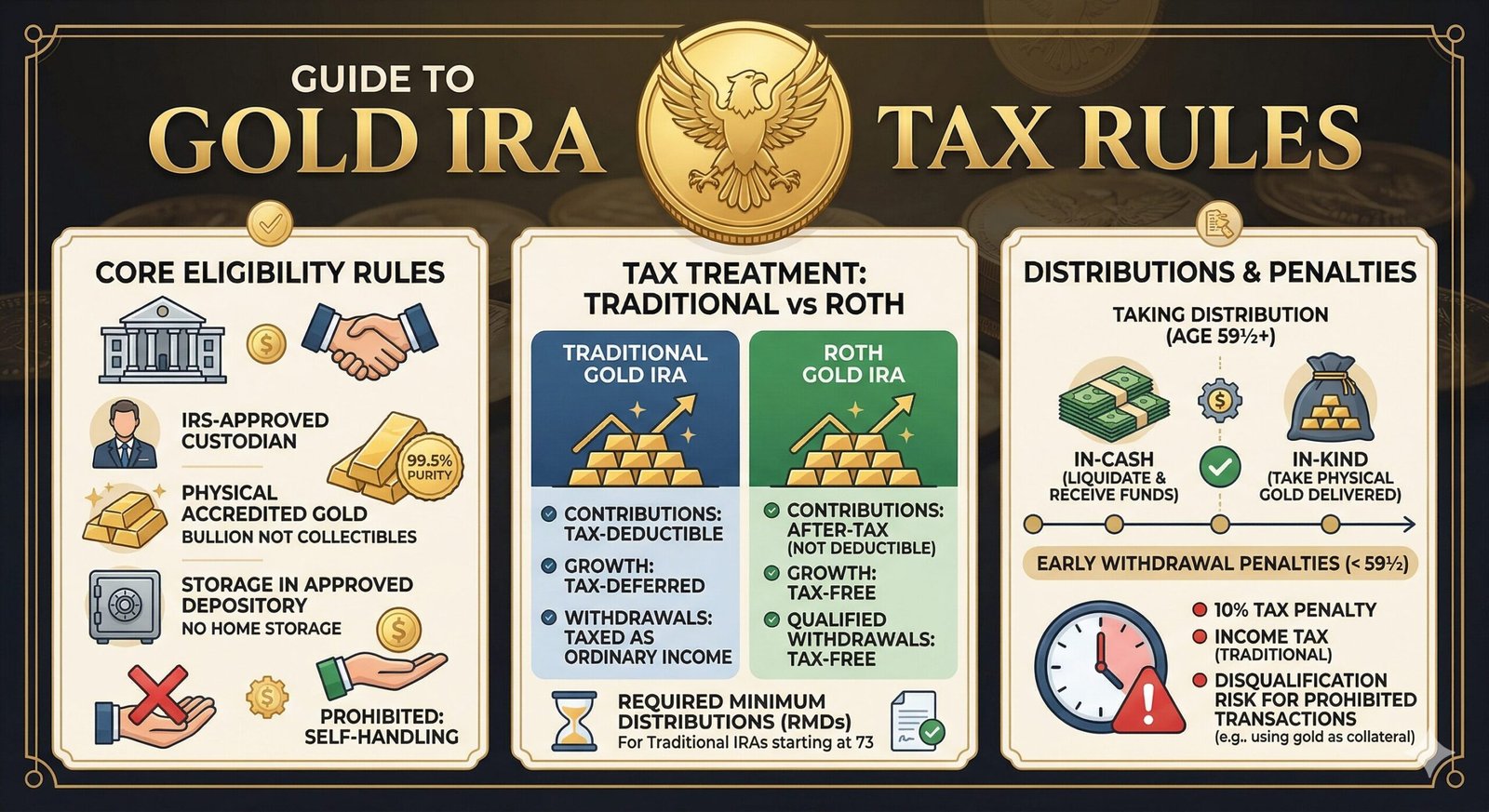
Required minimum distributions (RMDs) begin at age 73 for traditional gold IRAs, just like other traditional retirement accounts. The IRS RMD FAQ outlines calculation requirements and deadlines. Your account statement provides the December 31st account value needed for RMD calculations.
Distribution transactions appearing on your statement have specific tax implications depending on the type of IRA and distribution method. Traditional gold IRA distributions typically count as ordinary income, while Roth distributions may be tax-free after meeting holding period requirements.
Rollover activities documented on your statement must comply with strict IRS rules and timing requirements. Our Gold IRA rollover rules guide explains the regulations governing transfers between retirement accounts. Your statement provides the documentation trail needed to demonstrate compliance with these rules.
Working with Your Custodian
Effective communication with your gold IRA custodian ensures prompt resolution of any statement discrepancies or questions. Establish clear channels for addressing concerns and understand your custodian’s procedures for investigating and correcting errors.
Document all communications regarding statement issues, including dates, representatives contacted, and resolution steps discussed. This documentation becomes valuable if problems persist or escalate. Professional custodians should respond promptly to legitimate concerns and provide clear explanations of statement information.
Request additional documentation when statement information seems incomplete or unclear. Your custodian should be able to provide detailed transaction records, storage facility reports, and other supporting documentation that clarifies your account status.
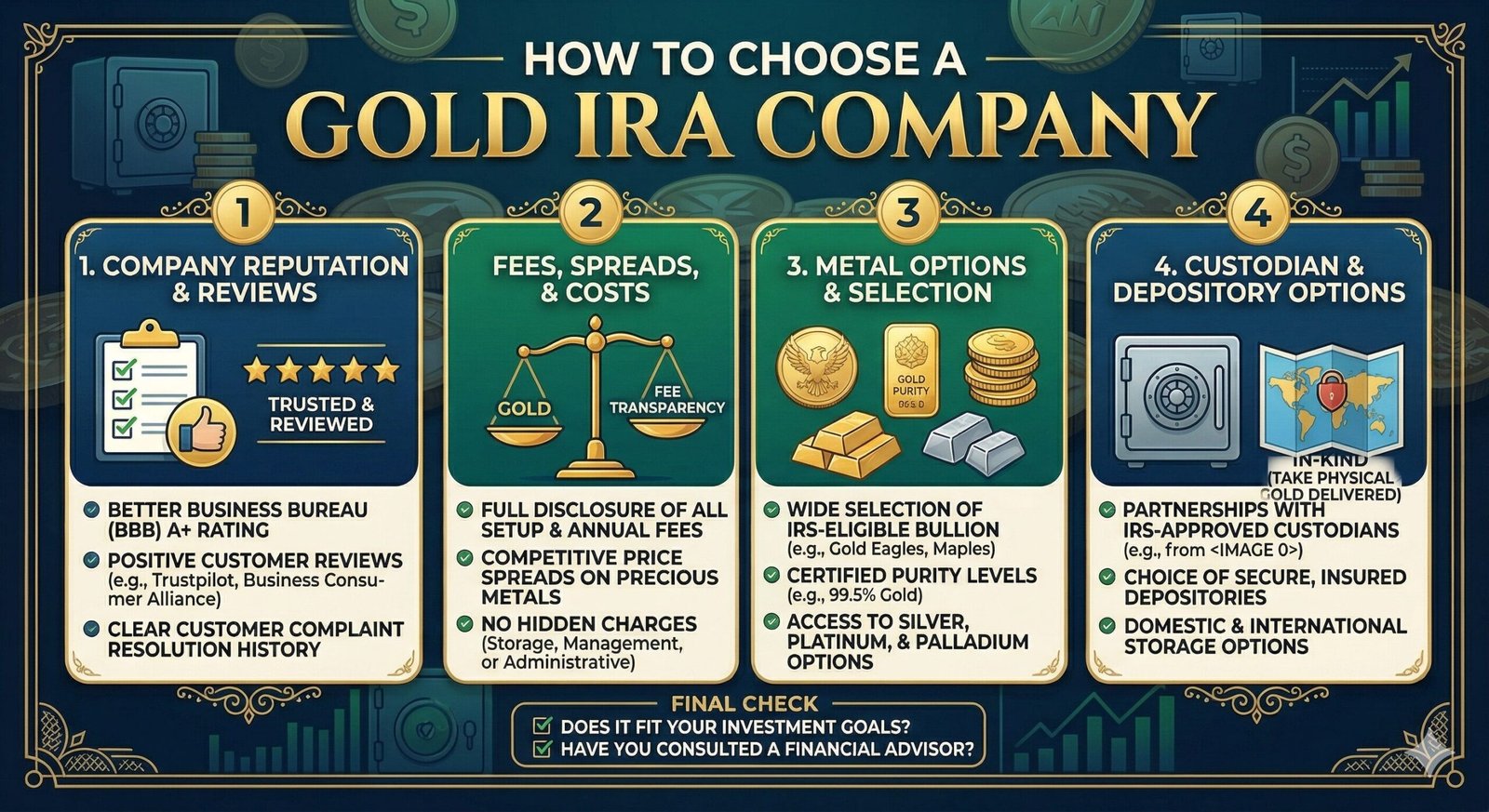
Consider whether recurring statement problems indicate larger issues with your custodian’s operations or record-keeping systems. Persistent errors, poor communication, or inadequate documentation suggest it might be time to research Best Gold IRA Companies of 2026 for potentially better service options.
Understanding the relationship between gold IRAs and traditional retirement planning helps provide context for statement analysis. Our guide comparing Gold IRA vs Traditional IRA explains key differences that affect statement presentation and account management.
Technology and Digital Access
Modern gold IRA custodians increasingly offer online account access and digital statements alongside traditional paper delivery. Digital platforms provide real-time access to account information and often include enhanced features for tracking precious metals holdings and market values.
Online account portals typically display current holdings, transaction history, and fee information in user-friendly formats. Many platforms update precious metals valuations daily based on current spot prices, providing more current information than periodic paper statements.
Mobile applications extend account access to smartphones and tablets, enabling convenient monitoring of precious metals holdings while traveling or away from home. These tools help investors stay informed about their retirement assets and quickly identify any unusual account activity.
Digital statements often include enhanced search and filtering capabilities that make it easier to locate specific transactions or track account changes over time. These features prove particularly valuable for tax preparation and record-keeping purposes.
Security features for digital access deserve careful attention when evaluating online statement access. Strong authentication requirements, encryption protocols, and activity monitoring help ensure that account information remains secure from unauthorized access.
FAQ
How often should I receive gold IRA account statements?
Most custodians provide quarterly statements, though some offer monthly reporting. The frequency should be specified in your custodian agreement. You can typically access current account information online between statement periods for real-time monitoring of your precious metals holdings.
What should I do if my gold IRA statement shows incorrect information?
Contact your custodian immediately to report any discrepancies. Document the specific errors and maintain copies of all communications. Professional custodians should investigate promptly and provide corrected statements when necessary. Persistent problems may warrant seeking guidance from regulatory authorities.
How accurate are the precious metals valuations on my statement?
Valuations typically reflect recent spot prices for gold and silver, but exact pricing methodology varies between custodians. Some update values daily while others use month-end pricing. The statement should indicate the valuation date and methodology used. Remember that past performance is not a guarantee of future results for precious metals pricing.
Can I request additional details about my precious metals holdings?
Yes, you can typically request detailed information about specific products, serial numbers, storage locations, and other holding details. Professional custodians maintain comprehensive records and should be able to provide additional documentation when requested for legitimate account monitoring purposes.
What happens to my statements if I switch custodians?
Your new custodian should provide statements showing transferred holdings and any changes in storage arrangements. Maintain copies of final statements from your previous custodian for record-keeping purposes. The transfer process should be documented clearly on both custodians’ statements to provide a complete transaction trail.
Understanding how to read and analyze your gold IRA account statement empowers you to monitor your precious metals retirement investment effectively. Regular statement review helps ensure proper account management and early detection of any issues requiring attention. For comprehensive analysis of custodian options and services, review our guide to the Best Gold IRA Companies of 2026 to find providers that offer clear, detailed reporting and responsive customer service.
This article is for informational purposes only and does not constitute financial or tax advice. Investing in precious metals involves risk including possible loss of principal.