
Gold IRA vs Silver IRA: Which Precious Metal Is Right?
When exploring precious metals for retirement investing, many investors find themselves weighing the merits of a Gold IRA versus a Silver IRA. Both options offer exposure to physical precious metals within a tax-advantaged retirement account structure, but each comes with distinct characteristics that may appeal to different investment strategies and risk tolerances.
Understanding the fundamental differences between these two precious metal IRA types can help retirement investors make more informed decisions about which option might align better with their long-term financial goals. From storage considerations to market dynamics, the choice between gold and silver involves multiple factors that extend beyond simple price comparisons.
Understanding Precious Metal IRA Basics
Before diving into the specific differences between Gold and Silver IRAs, it’s important to understand what a Gold IRA is and how precious metal IRAs function within the broader retirement planning landscape. These self-directed individual retirement accounts allow investors to hold physical precious metals as part of their retirement savings, following specific IRS guidelines for retirement plan investments.
Both Gold IRAs and Silver IRAs operate under the same fundamental structure as traditional IRAs, meaning they offer similar tax advantages and follow the same contribution limits established by the IRS. The key distinction lies in the type of precious metal held within the account and the specific requirements for each metal type.
These accounts require the services of a custodian who specializes in precious metals IRAs, as traditional IRA custodians typically don’t handle physical assets. The metals must be stored in an IRS-approved depository, and investors cannot take physical possession of the metals while they remain in the IRA.
Gold IRA Characteristics and Requirements
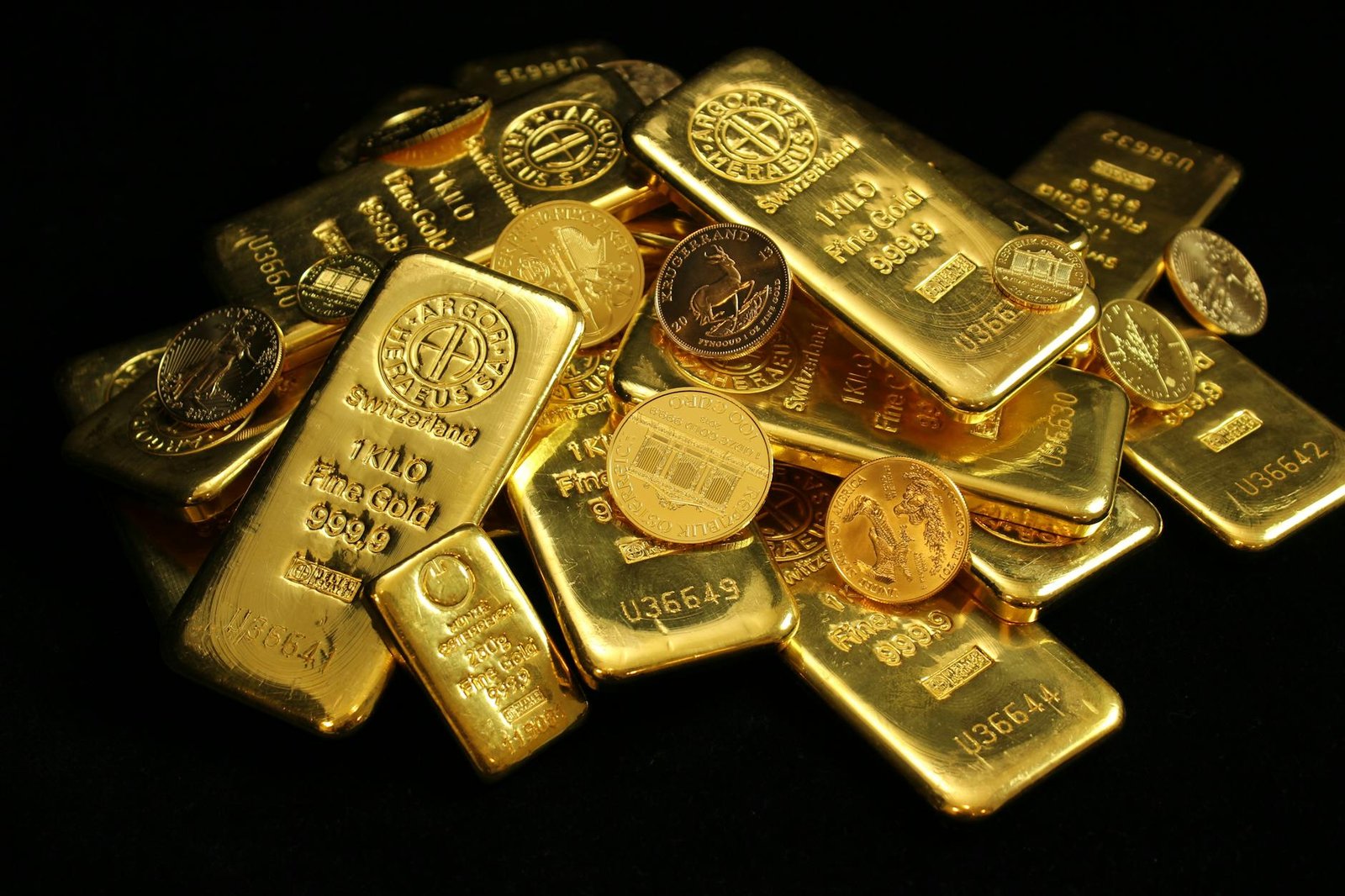
Gold IRAs must contain gold that meets specific purity standards set by the Internal Revenue Service. The gold must be 99.5% pure or higher, which includes popular options like American Gold Eagles, Canadian Gold Maple Leafs, and various gold bars from approved manufacturers.
The gold market has historically been characterized by certain trading patterns and liquidity levels that differ from other precious metals. Gold tends to have higher per-ounce prices compared to silver, which means a given dollar amount will purchase fewer physical ounces. This can impact storage costs, as fees are often calculated based on the value of metals stored rather than physical volume.
Gold’s industrial applications represent a smaller portion of total demand compared to investment and jewelry demand. This means gold prices may respond differently to economic cycles compared to metals with higher industrial usage. The gold market also tends to have strong liquidity in most market conditions, with well-established global trading networks and standardized products.
When considering IRA-eligible gold coins, investors should be aware that not all gold products qualify for IRA inclusion. Collectible coins, most numismatic items, and gold with purity below 99.5% are prohibited from IRA ownership.
Silver IRA Characteristics and Requirements
Silver IRAs must contain silver meeting IRS purity requirements of 99.9% or higher. Eligible silver products include American Silver Eagles, Canadian Silver Maple Leafs, and various silver bars from approved manufacturers. The silver market presents some unique characteristics compared to gold.
Silver typically trades at much lower per-ounce prices than gold, meaning investors can acquire more physical ounces for the same dollar investment. However, silver also tends to exhibit higher price volatility compared to gold, with potentially larger percentage moves in both directions over shorter time periods.
Industrial demand plays a more significant role in silver markets compared to gold. Silver has numerous industrial applications in electronics, solar panels, medical equipment, and other manufactured goods. This industrial component can cause silver prices to respond differently to economic cycles, particularly during periods of industrial expansion or contraction.
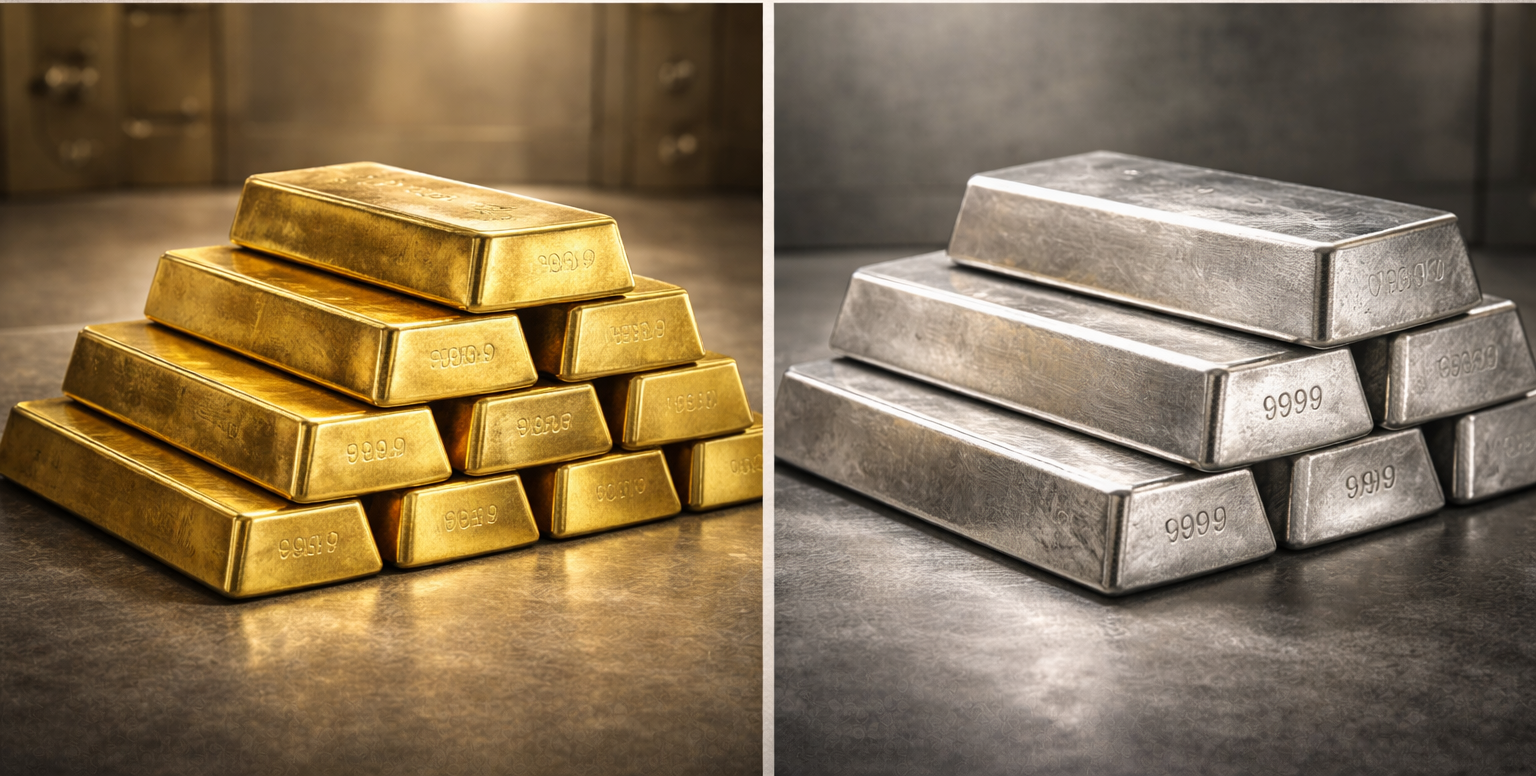
The physical characteristics of silver also present some practical considerations for IRA storage. Silver is less dense than gold, meaning equivalent dollar amounts occupy more physical space. This can potentially impact storage costs, though the relationship between value and storage fees varies among different custodians and depositories.
Storage and Custodial Considerations
Both Gold IRAs and Silver IRAs require professional storage in IRS-approved depositories. However, the physical characteristics of each metal can influence storage logistics and costs. Gold’s higher density means more value can be stored in less physical space, while silver’s lower density means the same dollar value requires more storage volume.
Most depositories charge storage fees based on the value of metals held rather than physical space occupied, but it’s important to understand the specific fee structure used by your chosen custodian. Some facilities may have different fee schedules for different metals or storage methods.
The choice between segregated and non-segregated storage applies to both Gold and Silver IRAs. Segregated storage keeps your specific metals separate from other investors’ holdings, while non-segregated storage pools metals of the same type and purity together. Segregated storage typically costs more but provides additional security and verification benefits.
Insurance coverage for stored metals is another important consideration that applies to both gold and silver holdings. Reputable depositories maintain comprehensive insurance coverage, but investors should verify the details of coverage and understand how it applies to their specific holdings.
Market Dynamics and Liquidity
The markets for gold and silver each have distinct characteristics that can influence liquidity and trading conditions. Gold markets generally offer strong liquidity across various products, with well-established global trading networks and standardized products that are widely recognized.
Silver markets, while still liquid, can sometimes experience different trading conditions compared to gold. The lower per-ounce price of silver means that equivalent dollar transactions involve larger quantities of physical metal, which can sometimes affect transaction logistics.
Both markets are influenced by various economic factors, but they don’t always move in tandem. Understanding these market dynamics can help investors make informed decisions about which metal might better align with their investment timeline and risk tolerance.
The relationship between gold and silver prices, often measured as the gold-to-silver ratio, has varied significantly over different historical periods. This ratio represents how many ounces of silver equal the price of one ounce of gold, and it can provide insight into the relative values of these metals at different times.
Cost Comparison Factors
When comparing the costs associated with Gold IRAs versus Silver IRAs, several factors come into play beyond the simple purchase price of the metals themselves. Setup fees, annual custodial fees, storage fees, and transaction costs can all vary based on the specific metals chosen and the services provided.
Storage costs may be influenced by the physical characteristics of each metal, though most facilities base fees on value rather than volume. Silver’s lower density means more physical space is required for equivalent dollar values, but this doesn’t necessarily translate to higher costs at value-based fee structures.
Transaction costs can vary based on market conditions, dealer spreads, and the specific products being purchased or sold. Both gold and silver markets have established dealer networks, but spreads and availability can differ based on market conditions and specific product types.
Our detailed Gold IRA fees guide provides comprehensive information about the various costs associated with precious metals IRAs, regardless of which specific metal you choose to hold.
Tax Implications and RMD Considerations
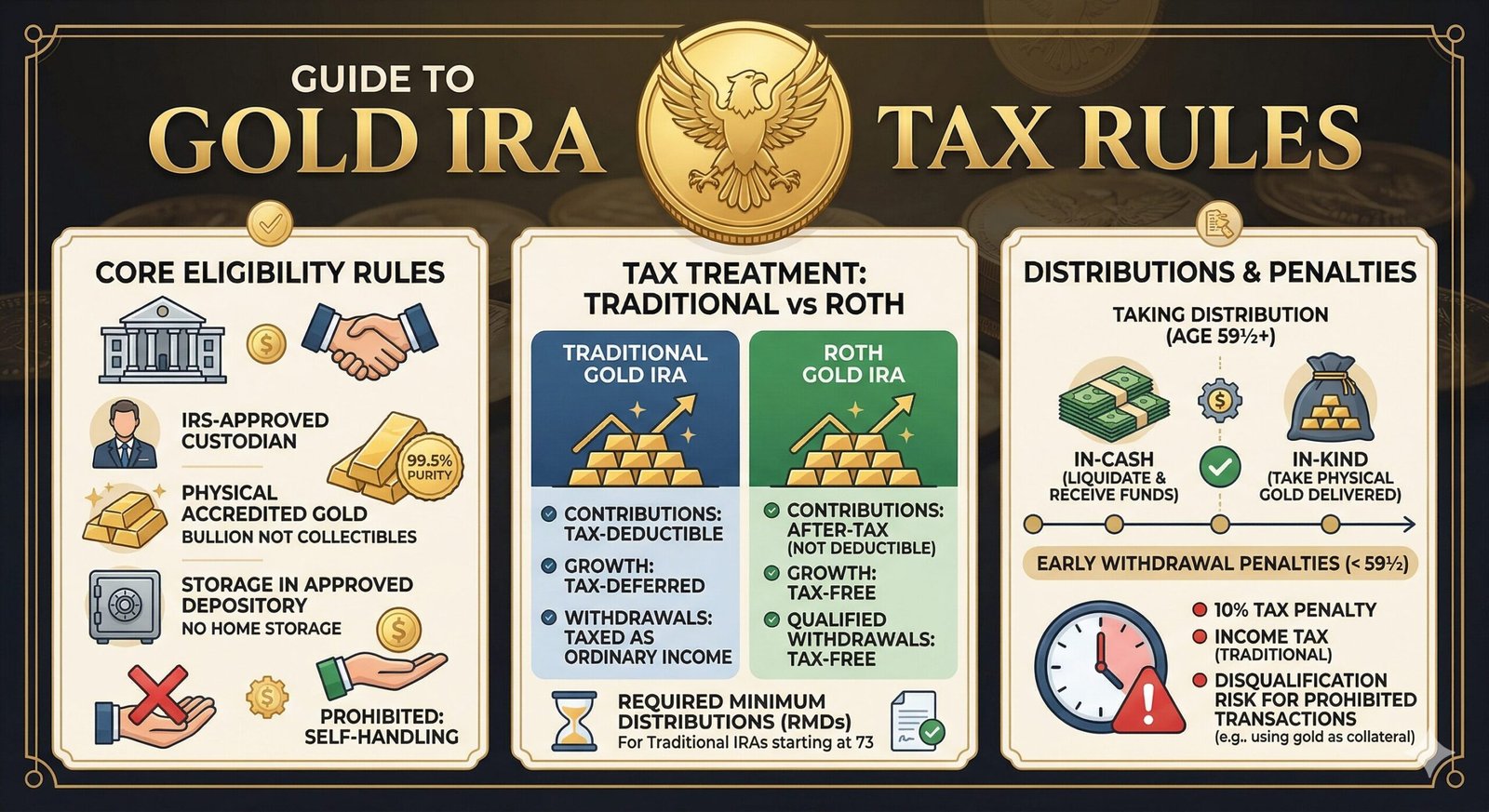
Both Gold IRAs and Silver IRAs follow the same tax treatment as traditional IRAs, with the same required minimum distribution (RMD) rules applying after age 73. However, the practical aspects of taking RMDs can differ between gold and silver holdings.
When RMDs become mandatory, IRA holders must withdraw the required amount based on IRS RMD calculations. This can be accomplished through cash distributions funded by selling metals, or in some cases, through in-kind distributions where the actual metals are distributed from the IRA.
The price differences between gold and silver can affect RMD logistics. Since silver trades at lower per-ounce prices, meeting specific dollar RMD requirements might involve different quantities and transaction considerations compared to gold.
Tax implications remain the same regardless of which precious metal is held, with distributions taxed as ordinary income. The choice between gold and silver doesn’t create different tax treatment, but the practical aspects of managing distributions may vary.
Making the Decision: Key Considerations
Choosing between a Gold IRA and Silver IRA involves evaluating multiple factors beyond price alone. Consider your risk tolerance, investment timeline, and how precious metals fit into your overall retirement planning strategy.
Think about the role you want precious metals to play in your retirement portfolio. Some investors prefer gold’s historical stability characteristics, while others are drawn to silver’s industrial applications and potentially different market dynamics. Neither choice is inherently superior; the decision depends on individual circumstances and preferences.
Consider practical factors such as Gold IRA minimum investment requirements, which may vary between gold and silver products. Some dealers or custodians may have different minimum thresholds for different metals.
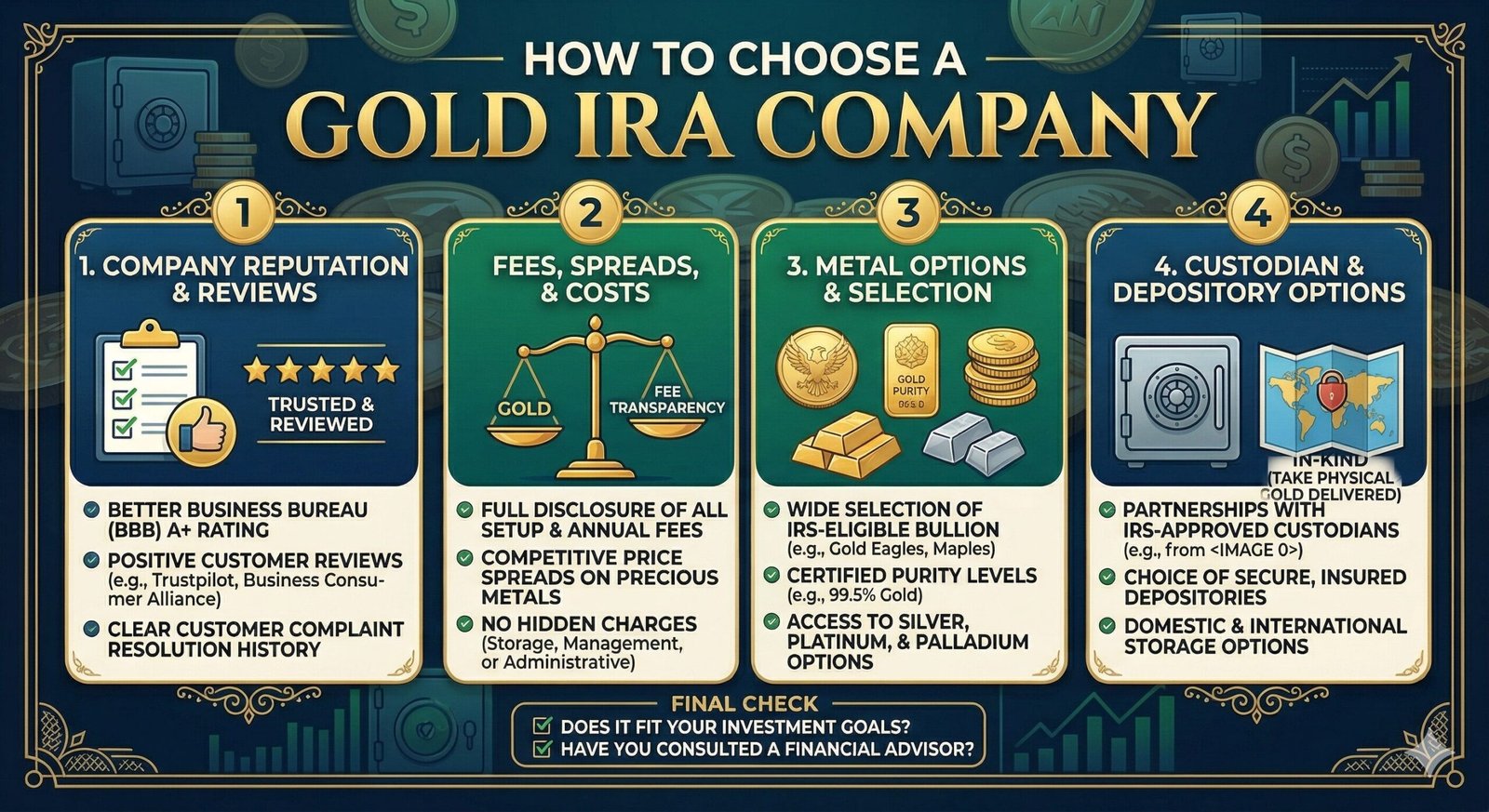
Review the track record and reputation of potential custodians and dealers, regardless of which metal you choose. Check resources like FINRA BrokerCheck and BBB.org to research company backgrounds and customer experiences.
Understanding Gold IRA rollover rules is crucial regardless of which precious metal you select, as the rollover process remains the same whether you’re moving funds into gold or silver holdings.
Portfolio Integration Strategies
Both Gold and Silver IRAs can potentially serve different roles within a broader retirement strategy. Some investors choose to hold both metals within the same IRA, while others focus on a single metal type based on their specific preferences and analysis.
The decision between gold and silver might also be influenced by what other retirement assets you hold. Consider how precious metals complement your existing retirement savings, whether in traditional IRAs, 401(k) plans, or other investment accounts.
Some investors prefer the potentially lower entry costs associated with silver, while others favor gold’s historical market position. Both approaches have merit, and the choice often comes down to individual investor preferences and circumstances.
When evaluating is a Gold IRA a good idea for your situation, similar considerations apply to Silver IRAs. The fundamental question involves whether physical precious metals align with your retirement planning objectives and risk tolerance.
Frequently Asked Questions
Can I hold both gold and silver in the same IRA?
Yes, you can hold multiple types of IRS-approved precious metals within a single precious metals IRA. Many investors choose to include both gold and silver, along with other approved metals like platinum and palladium, in their accounts.
Are the storage requirements different for gold versus silver IRAs?
The storage requirements are fundamentally the same – both must be held in IRS-approved depositories. However, the physical characteristics of each metal may affect storage logistics, with silver requiring more physical space for equivalent dollar values due to its lower density.
Do Gold IRAs and Silver IRAs have different contribution limits?
No, both follow the same IRA contribution limits established by the IRS, currently $7,000 annually for those under 50 and $8,000 for those 50 and older (2024 limits). The type of precious metal held doesn’t affect contribution limits.
Which metal is more liquid when I need to take distributions?
Both gold and silver have established markets and dealer networks. Gold tends to have slightly higher liquidity in most market conditions, but both metals can typically be converted to cash for distribution purposes. The specific liquidity may depend more on the particular products held and market conditions at the time.
Are the tax implications different between Gold and Silver IRAs?
No, the tax treatment is identical. Both are treated as traditional IRAs for tax purposes, with the same rules for deductions, growth, and distributions. The type of precious metal held doesn’t affect the tax treatment of the account.
Ready to explore precious metals IRA options? Research the leading companies in our comprehensive guide to the Best Gold IRA Companies of 2026 to find custodians that can accommodate either gold or silver holdings.
This article is for informational purposes only and does not constitute financial or tax advice. Investing in precious metals involves risk including possible loss of principal.