
Gold IRA vs Gold ETF: Key Differences Explained
Retirement investors considering precious metals exposure face a fundamental choice between two distinct approaches: holding physical gold through a Gold IRA or gaining gold exposure through exchange-traded funds (ETFs). Each method offers different advantages and considerations that can significantly impact your retirement planning strategy.
Understanding the structural differences between these options becomes crucial as you evaluate how precious metals might fit within your broader retirement planning approach. While both provide exposure to gold price movements, they operate through entirely different mechanisms with varying implications for taxes, accessibility, and long-term wealth preservation.
Understanding Gold IRAs
A Gold IRA represents a specialized type of Individual Retirement Account that permits ownership of physical precious metals within a tax-advantaged retirement structure. Unlike conventional IRAs that typically hold paper assets, what a Gold IRA is involves actual ownership of gold coins and bars stored in IRS-approved depositories.
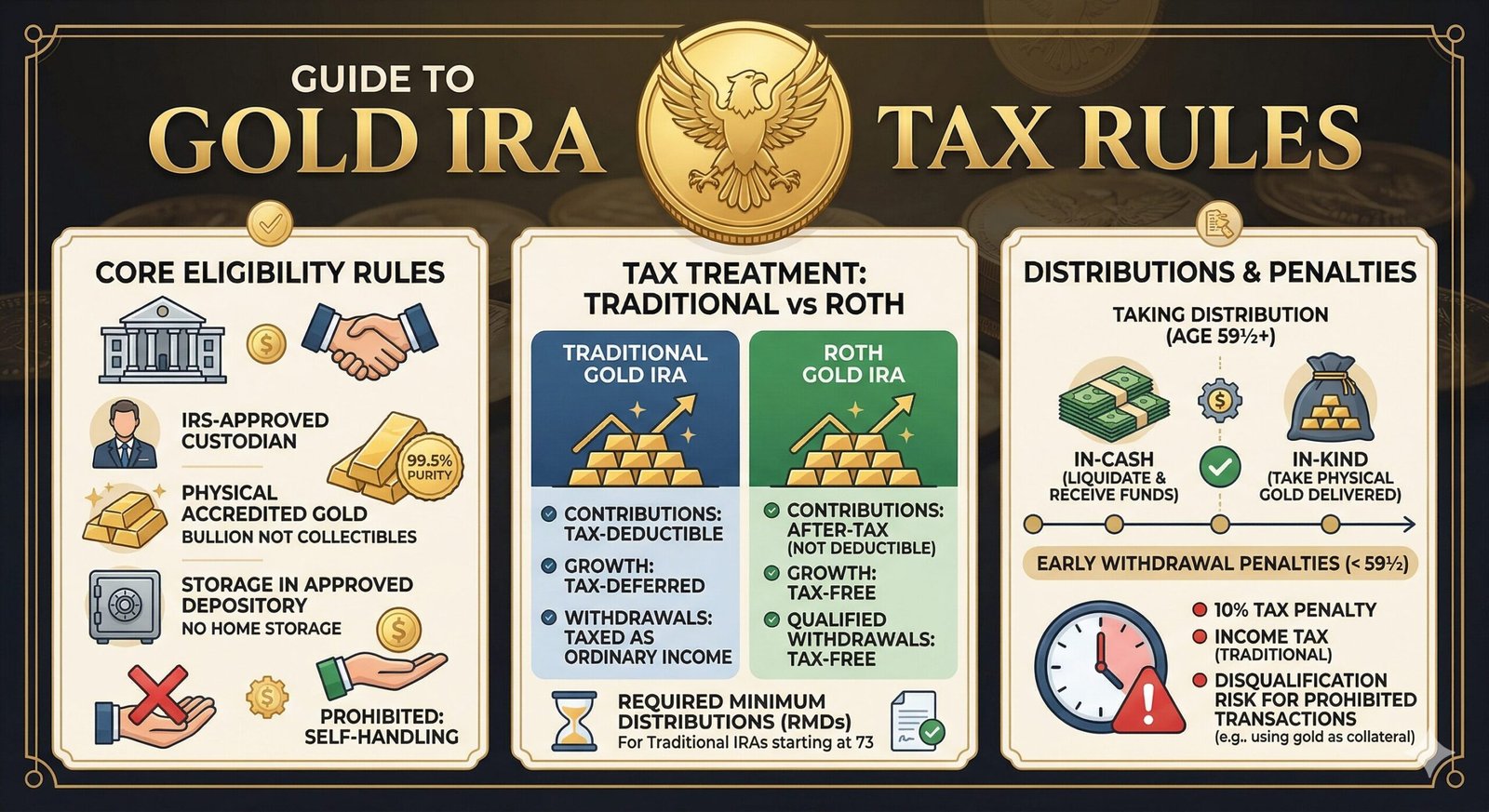
The IRS Publication 590-A establishes strict requirements for Gold IRA investments, including purity standards and approved storage facilities. Gold held in these accounts must meet minimum fineness requirements of .995 for gold bars and specific purity standards for coins. This physical ownership aspect distinguishes Gold IRAs from other retirement investment vehicles.
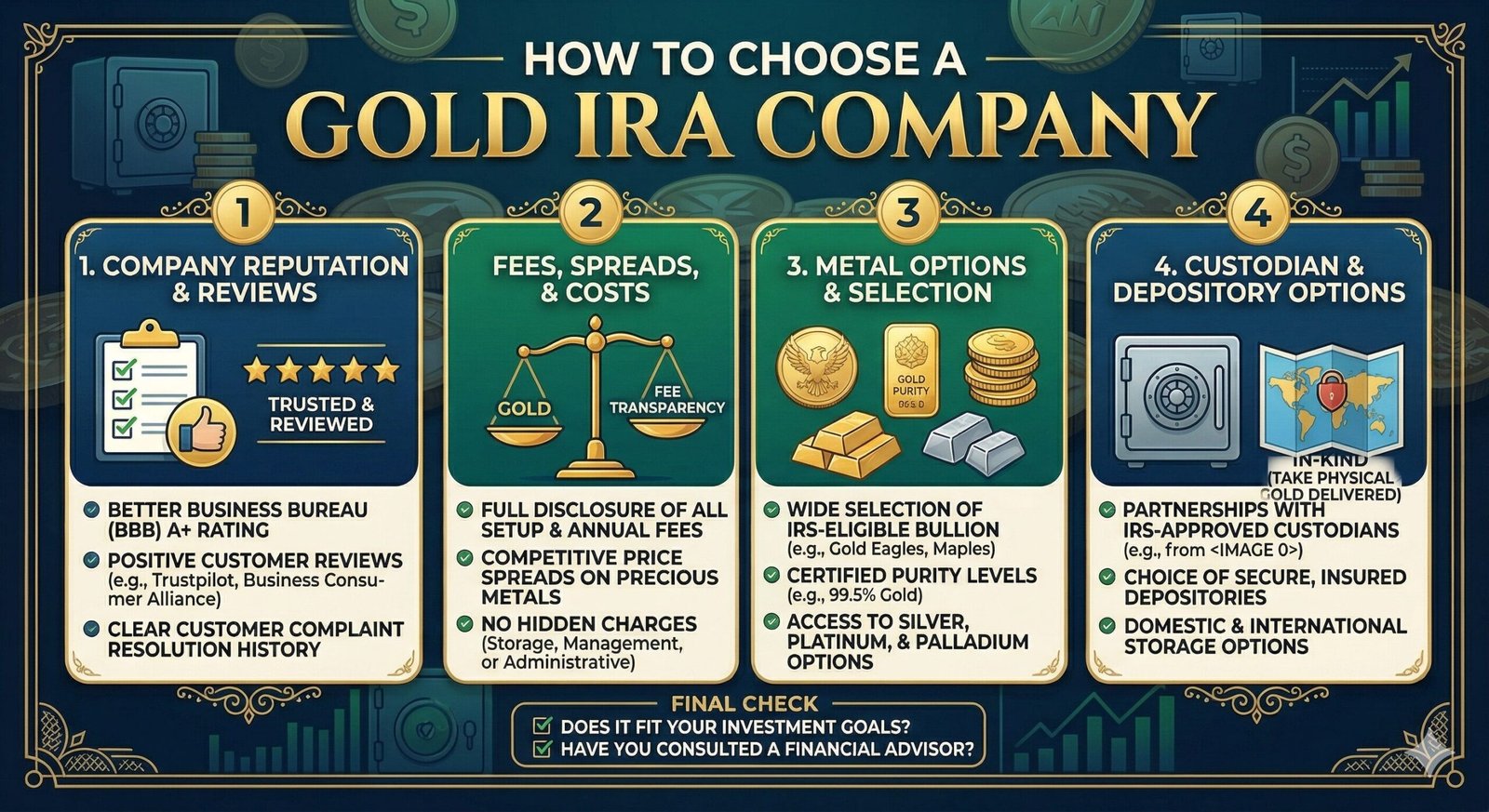
Establishing a Gold IRA requires working with a specialized custodian who handles the administrative aspects while a separate depository provides secure storage for your precious metals. This structure ensures compliance with IRS regulations while maintaining the tax benefits associated with traditional retirement accounts.
The process typically involves either opening a new self-directed IRA or executing a rollover from an existing retirement account. Many investors utilize their 401(k) to Gold IRA rollover guide to transfer funds from employer-sponsored plans into precious metals ownership.
Gold ETF Fundamentals
Gold ETFs operate as investment funds that track gold prices through various mechanisms, most commonly by holding physical gold in trust or through derivatives contracts. These funds trade on stock exchanges like individual stocks, providing immediate liquidity and ease of access for investors.
The largest gold ETFs maintain substantial physical gold reserves stored in secure vaults, with each share representing a fractional ownership interest in the underlying gold holdings. However, shareholders typically cannot request physical delivery of the gold, as the ETF structure is designed for financial exposure rather than direct ownership.
Gold ETFs offer several operational advantages, including real-time pricing during market hours, the ability to buy and sell shares instantly through any brokerage account, and no storage concerns for individual investors. The fund management company handles all storage, insurance, and administrative responsibilities.
Trading gold ETFs requires no specialized knowledge of precious metals markets or storage logistics. Investors simply purchase shares through their existing brokerage accounts, making this option particularly accessible for those already familiar with stock market investing.
Tax Implications and Retirement Account Treatment
The tax treatment of Gold IRAs versus gold ETFs within retirement accounts presents significant differences that can impact long-term wealth accumulation strategies. Gold IRAs operate under standard IRA tax rules, with traditional Gold IRAs offering potential tax deductions for contributions while deferring taxes until withdrawal.
When held within a Gold IRA structure, physical gold receives the same tax treatment as other IRA assets. Withdrawals before age 59½ typically incur early withdrawal penalties, while required minimum distributions begin at age 73. The IRS contribution limits apply regardless of whether the IRA holds gold or traditional assets.
Gold ETFs held within traditional or Roth IRA accounts follow standard IRA tax rules for the account type. However, gold ETFs held in taxable accounts face different considerations. The IRS classifies most gold ETFs as collectibles for tax purposes, potentially subjecting gains to higher collectibles tax rates rather than standard capital gains rates.
This tax classification difference becomes particularly relevant for investors considering gold exposure outside retirement accounts. The IRS IRA investment FAQ provides additional guidance on acceptable investments within retirement accounts.
Storage and Custody Considerations
Physical gold ownership through a Gold IRA requires secure storage in IRS-approved depositories, creating both opportunities and responsibilities for account holders. These facilities provide comprehensive security measures, including armed guards, surveillance systems, and insurance coverage for stored metals.
Gold IRA investors can often choose between segregated storage, where their specific coins and bars are individually identified and stored separately, or non-segregated storage, where metals of the same type are pooled together. Segregated storage typically costs more but provides additional peace of mind regarding the specific identity of owned metals.
Storage costs represent an ongoing expense for Gold IRA holders, typically charged annually based on the value or quantity of stored metals. These fees vary among depositories and can impact overall investment returns over time. Understanding Gold IRA fees guide helps investors evaluate the total cost of ownership.
Gold ETF investors face no direct storage responsibilities, as the fund management company handles all custody arrangements. The fund’s assets are typically stored in major financial centers with established precious metals storage infrastructure, and storage costs are incorporated into the fund’s expense ratio.
Liquidity and Access Differences
The liquidity profiles of Gold IRAs versus gold ETFs differ substantially, affecting how quickly investors can access their investments or respond to market conditions. Gold ETFs provide immediate liquidity during market hours, allowing investors to buy or sell shares within seconds through any brokerage account.
Converting Gold IRA holdings to cash requires a more involved process. Investors must contact their custodian to initiate a sale, which then involves transporting metals from storage, finding buyers, completing transactions, and transferring proceeds back to the IRA account. This process typically takes several business days to complete.
However, Gold IRA holders possess an option unavailable to ETF investors: the ability to take physical delivery of their metals. While this triggers taxable distributions and potential penalties if taken before age 59½, it provides ultimate control over the physical assets.
Market volatility can impact both options differently. ETF prices closely track gold spot prices during trading hours but may experience premiums or discounts based on supply and demand for the ETF shares themselves. Gold IRA values typically reflect prevailing precious metals dealer prices, which may include different spreads and premiums.
Fee Structure Comparison
Understanding the complete fee structure for each option helps investors evaluate long-term costs and their impact on investment returns. Gold IRAs typically involve multiple fee components, including custodial fees, storage fees, and transaction costs for buying and selling metals.
Gold ETFs charge expense ratios that cover all operational costs, including management fees, storage costs, and administrative expenses. These fees are automatically deducted from fund assets and reflected in the ETF’s net asset value.
The fee comparison reveals different cost structures that may favor one option over another depending on investment size and holding period. Larger Gold IRA accounts may benefit from economies of scale in storage fees, while smaller accounts might find ETF expense ratios more cost-effective.
Regulatory Framework and Compliance
Both Gold IRAs and gold ETFs operate within established regulatory frameworks designed to provide investor protections while ensuring compliance with securities and tax laws. Gold IRAs must comply with IRS regulations governing retirement accounts, including Gold IRA rollover rules and distribution requirements.
The FINRA’s guidance on self-directed IRAs emphasizes the importance of understanding the risks and responsibilities associated with self-directed retirement accounts, including those holding precious metals.
Gold ETFs fall under Securities and Exchange Commission oversight as registered investment companies. This regulatory structure provides certain investor protections while requiring regular reporting and disclosure of fund holdings and operations.
Investors should verify that Gold IRA custodians maintain proper licensing and regulatory standing, while ETF investors can research fund sponsors’ regulatory history and compliance records through publicly available databases.
Making the Right Choice for Your Situation
The decision between Gold IRAs and gold ETFs depends on individual circumstances, investment objectives, and personal preferences regarding physical versus financial asset ownership. Investors prioritizing direct ownership and control over physical metals may find Gold IRAs more appealing, while those seeking convenience and liquidity might prefer ETF structures.
Consider your current retirement account situation when evaluating these options. If you’re exploring is a Gold IRA a good idea for your circumstances, factors such as existing account balances, time horizon, and overall retirement strategy become relevant.
The Gold IRA minimum investment requirements may influence accessibility for some investors, while ETFs typically have no minimum investment beyond the cost of a single share.
Both options can complement existing retirement planning strategies, but understanding their operational differences ensures alignment with your specific goals and preferences. Research reputable providers thoroughly, whether considering Gold IRA custodians or ETF sponsors.
For comprehensive evaluation of Gold IRA providers, consult our detailed analysis of the Best Gold IRA Companies of 2026 to understand available options and their respective strengths.
Frequently Asked Questions
Can I convert my gold ETF shares to physical gold?
Most gold ETFs do not allow individual shareholders to request physical delivery of gold. These funds are designed for financial exposure to gold prices rather than physical ownership. Only authorized participants, typically large financial institutions, can exchange ETF shares for physical gold in large quantities.
Are there minimum investment requirements for Gold IRAs versus gold ETFs?
Gold IRAs often have minimum investment requirements ranging from $10,000 to $25,000, depending on the custodian and dealer. Gold ETFs have no minimum investment beyond the cost of purchasing at least one share, which typically costs under $200, making them more accessible for smaller investors.
How do annual fees compare between Gold IRAs and gold ETFs over time?
Gold IRA fees are typically fixed annual amounts regardless of account value, while ETF fees are percentage-based. For smaller accounts under $50,000, ETFs may be more cost-effective. For larger accounts, Gold IRA fixed fees may result in lower overall costs as a percentage of assets.
Can I hold both Gold IRAs and gold ETFs in my retirement planning strategy?
Yes, you can hold gold ETFs within traditional or Roth IRAs while also maintaining a separate Gold IRA account. This approach allows you to benefit from both the liquidity of ETFs and the physical ownership aspects of Gold IRAs, though it increases complexity and may involve higher overall fees.
What happens to my Gold IRA or gold ETF holdings during market closures?
Gold ETFs can only be traded during stock market hours and are subject to market closures and holidays. Gold IRA values continue to fluctuate based on global gold markets, but transactions require coordination with custodians and dealers regardless of market hours, typically taking several business days to complete.
Understanding these key differences between Gold IRAs and gold ETFs empowers you to make informed decisions about incorporating precious metals into your retirement planning strategy. For detailed comparisons of available Gold IRA providers and their specific offerings, explore our comprehensive guide to the Best Gold IRA Companies of 2026.
This article is for informational purposes only and does not constitute financial or tax advice. Investing in precious metals involves risk including possible loss of principal.