
Gold IRA vs Physical Gold: Which Is Right for You?
When considering precious metals for retirement planning, investors often face a fundamental choice: should they hold gold through a Gold IRA or purchase physical gold directly? Both approaches offer distinct advantages and come with their own set of considerations that can significantly impact your retirement strategy.
Understanding the key differences between these two options is essential for making an informed decision that aligns with your financial goals, risk tolerance, and retirement timeline. This comprehensive comparison will explore the critical aspects of Gold IRAs versus physical gold ownership, helping you navigate this important choice.
Understanding Gold IRAs
A Gold IRA represents a self-directed individual retirement account that allows investors to hold IRS-approved precious metals within a tax-advantaged retirement structure. Unlike traditional IRAs that typically hold stocks, bonds, and mutual funds, Gold IRAs Explained in Detail enable you to include physical gold, silver, platinum, and palladium in your retirement portfolio.
The structure of a Gold IRA requires working with a specialized custodian who manages the account and ensures compliance with IRS regulations. The precious metals must be stored in an approved depository facility, and all transactions flow through the custodian rather than directly through the investor.
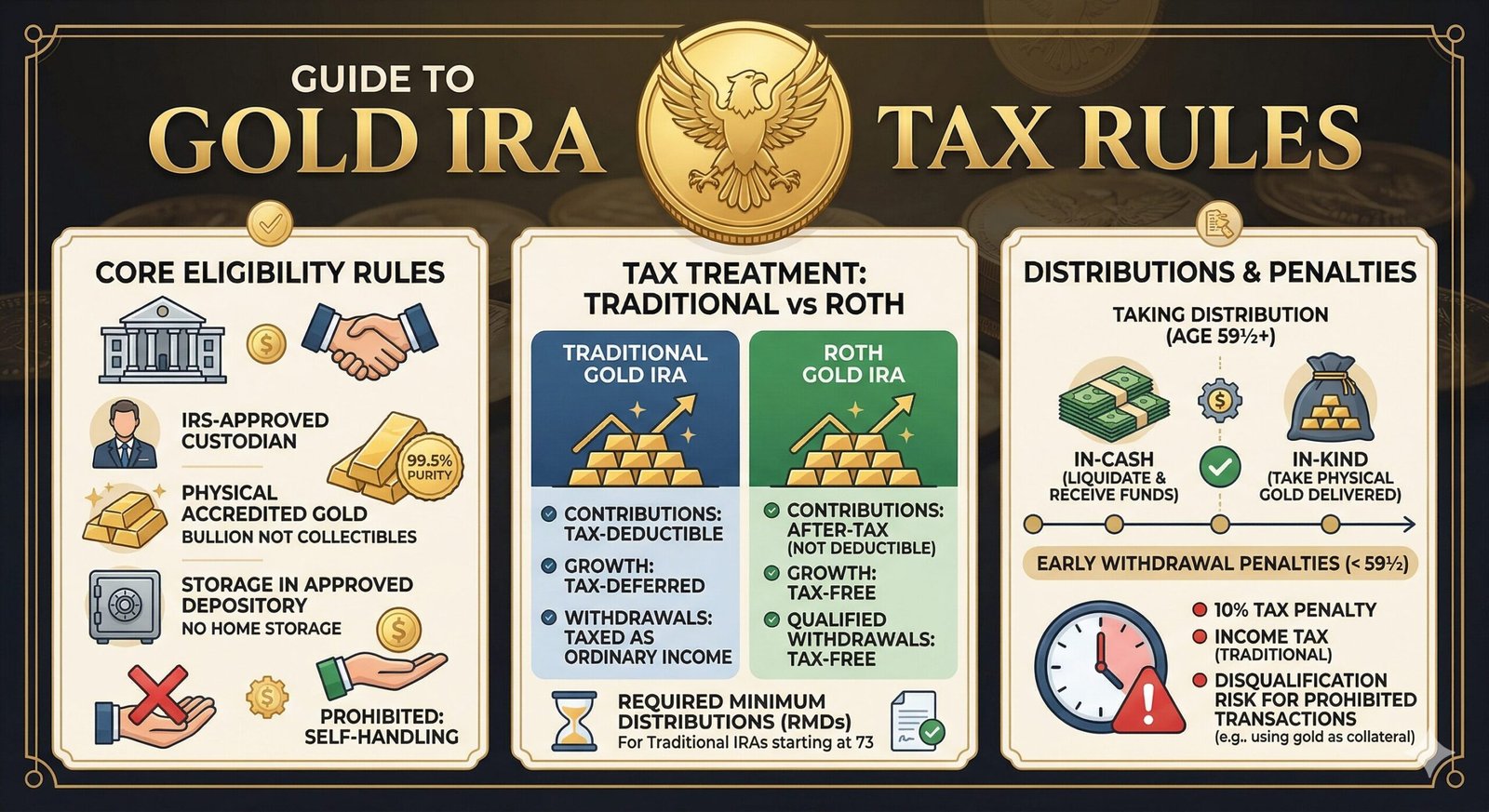
Gold IRAs operate under the same contribution limits and distribution rules as traditional IRAs. For 2024, individuals under 50 can contribute up to $7,000 annually, while those 50 and older can contribute up to $8,000. Required minimum distributions begin at age 73, following IRS Publication 590-A guidelines.
Physical Gold Ownership Explained
Physical gold ownership involves purchasing precious metals directly and taking personal possession or arranging private storage. This approach gives investors complete control over their gold holdings, from selection and purchase to storage and eventual sale.
With direct ownership, you can choose from various forms of gold, including coins, bars, and rounds. Popular options include American Gold Eagles, Canadian Gold Maples, and gold bars from recognized refiners. The key requirement is ensuring any gold you purchase meets industry purity standards, typically 99.5% or higher for most investment-grade products.
Physical ownership means you’re responsible for all aspects of your investment, including secure storage, insurance, and eventual liquidation. Some investors choose home safes or safety deposit boxes, while others opt for private vault services or precious metals storage facilities.
Tax Treatment Comparison
The tax implications represent one of the most significant differences between Gold IRAs and physical gold ownership. Understanding these distinctions is crucial for optimizing your overall tax strategy.
Gold IRAs follow traditional IRA tax rules, as outlined in the IRS IRA investment FAQ. Contributions to traditional Gold IRAs may be tax-deductible depending on your income level and whether you have access to employer-sponsored retirement plans. The gold grows tax-deferred within the account, meaning you won’t pay taxes on gains until you begin taking distributions.
Roth Gold IRAs operate differently, funded with after-tax dollars but offering tax-free growth and withdrawals in retirement, provided you meet age and holding period requirements. This structure can be particularly advantageous for investors who expect to be in higher tax brackets during retirement.
Physical gold ownership receives different tax treatment. When you sell physical gold held for more than one year, gains are taxed as collectibles at a maximum rate of 28%, rather than the more favorable long-term capital gains rates that apply to most other investments. Gold held for less than one year is taxed as ordinary income.
Additionally, there are no annual contribution limits with physical gold ownership, unlike the restrictions that apply to IRA accounts. However, you also miss out on the tax-deferral benefits that retirement accounts provide.
Storage and Security Considerations
Storage requirements create another fundamental distinction between Gold IRAs and physical gold ownership. Each approach involves different security arrangements, costs, and levels of personal control.
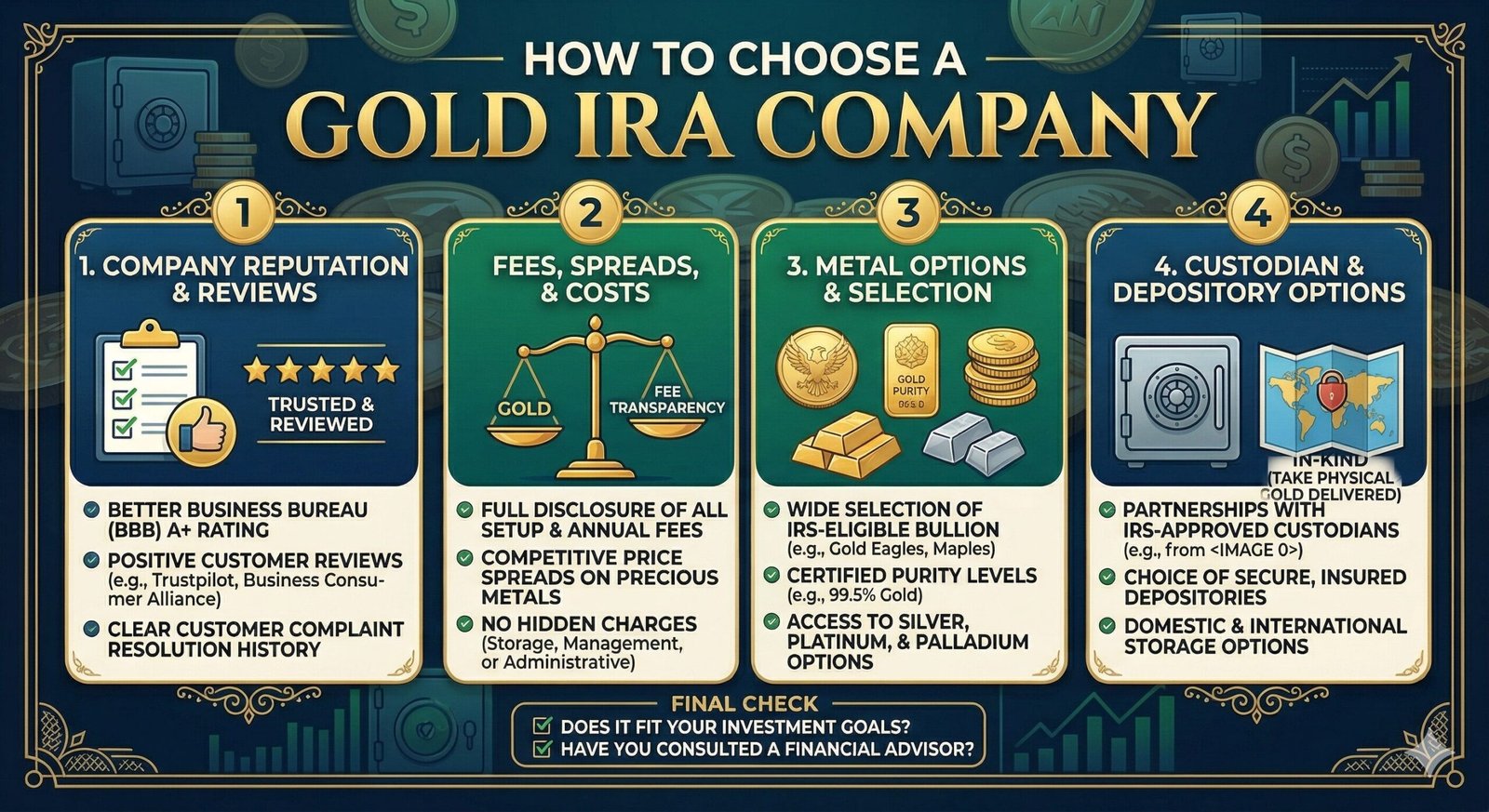
Gold IRA storage must occur at IRS-approved depositories, which are highly secure facilities specifically designed for precious metals storage. These depositories typically offer segregated storage, where your specific metals are individually identified and stored separately from other investors’ holdings, or allocated storage, where your ownership is recorded but the specific pieces may be commingled with similar metals.
Approved depositories provide comprehensive insurance coverage, 24/7 security monitoring, and regular auditing to ensure inventory accuracy. Popular facilities include Delaware Depository, Brink’s Global Services, and International Depository Services. The custodian handles all logistics related to storage, including transportation and insurance during transit.
Physical gold ownership offers complete flexibility in storage choices but places the responsibility entirely on the investor. Options range from home safes and safety deposit boxes to private vault services and precious metals storage companies. Each option involves different cost structures, security levels, and accessibility considerations.
Home storage provides immediate access but requires robust security measures and adequate insurance coverage. Safety deposit boxes offer bank-level security but may have limitations on accessibility and insurance coverage. Private vault services combine professional security with more flexible access than depositories but typically cost more than bank options.
Liquidity and Accessibility Differences
The ease of buying and selling represents another crucial distinction between Gold IRAs and physical gold ownership. Each approach offers different levels of liquidity and comes with distinct transaction processes.
Gold IRA transactions must flow through your custodian, which can add time and administrative steps to both purchases and sales. When you want to add gold to your account, you direct the custodian to make the purchase using account funds. Similarly, selling requires instructing the custodian to liquidate holdings and either distribute proceeds or roll them into other IRA-eligible investments.
This process typically takes several business days to complete and may involve coordination between the custodian, depository, and dealer. However, reputable custodians have established relationships with precious metals dealers and can often secure competitive pricing for transactions.
Physical gold ownership generally offers more immediate liquidity options. You can sell to local coin shops, precious metals dealers, or online platforms. The ability to take immediate possession means you can respond quickly to market conditions or personal financial needs.
However, physical gold sales may involve additional considerations such as testing for authenticity, determining current market value, and potentially accepting lower prices from local dealers compared to broader market rates. Online sales platforms may offer better pricing but involve shipping and settlement delays.
Cost Structure Analysis
Understanding the complete cost structure is essential for comparing Gold IRAs and physical gold ownership effectively. Both approaches involve various fees and expenses that can impact long-term returns.
Gold IRAs typically involve setup fees, annual custodial fees, storage fees, and transaction fees. Setup fees range from $50 to $300, while annual custodial fees generally cost between $75 and $300. Storage fees depend on the amount of metal stored and typically range from $100 to $300 annually for most investors.
Transaction fees apply when buying or selling within the IRA and usually range from $25 to $50 per transaction. Some custodians charge percentage-based fees rather than flat rates, particularly for larger accounts.
Physical gold ownership eliminates custodial and setup fees but involves different cost considerations. Dealer premiums typically range from 3% to 8% above spot gold prices, depending on the specific products purchased and market conditions. Popular coins like American Gold Eagles generally carry higher premiums than gold bars.
Storage costs for physical gold vary dramatically based on your chosen method. Home storage might only require a quality safe, while professional storage services can cost several hundred to over $1,000 annually depending on the amount stored and service level selected.
Regulatory Compliance and Requirements
Both Gold IRAs and physical gold ownership operate under specific regulatory frameworks, though the complexity and oversight levels differ significantly.
Gold IRAs must comply with extensive IRS regulations governing self-directed retirement accounts. The metals must meet specific purity requirements: gold must be 99.5% pure, silver 99.9% pure, platinum and palladium 99.95% pure. Only certain coins and bars qualify for IRA inclusion, as detailed in FINRA’s guidance on self-directed IRAs.
Prohibited transaction rules apply strictly to Gold IRAs, meaning you cannot personally handle the physical metals or receive any personal benefit beyond account growth. Violations can result in immediate account disqualification and significant tax penalties.
Physical gold ownership faces fewer regulatory restrictions but still involves compliance considerations. Large cash transactions may trigger reporting requirements under the Bank Secrecy Act, and dealers must maintain records of significant purchases and sales.
Sales of physical gold may require reporting to the IRS depending on the specific products and quantities involved. Form 1099-B reporting typically applies to sales of certain gold coins and bars, though requirements vary based on specific circumstances.
Making the Right Choice for Your Situation
Choosing between a Gold IRA and physical gold ownership depends on several personal factors that vary significantly among investors. Your decision should align with your overall retirement strategy, risk tolerance, and personal preferences regarding control and accessibility.
Gold IRAs work particularly well for investors who prioritize tax advantages and want to include precious metals within their existing retirement planning framework. The tax-deferred growth potential can be significant over long investment horizons, and the professional storage arrangement eliminates personal security concerns.
This approach suits investors who are comfortable working through custodians and don’t need immediate physical access to their metals. It’s also ideal for those who want to use existing retirement funds through a 401(k) to Gold IRA rollover guide or other transfer mechanisms.
Physical gold ownership appeals to investors who value direct control and immediate accessibility. This approach works well for those who want to hold gold outside of retirement accounts or who prefer managing their own storage arrangements.
Consider physical ownership if you want the flexibility to make quick decisions without custodial involvement or if you’re interested in collecting specific coins beyond just investment purposes. It’s also suitable for investors who have maximized their retirement account contributions and want additional precious metals exposure.
Your timeline also matters significantly. Longer investment horizons may favor Gold IRAs due to tax deferral benefits, while shorter-term holdings might benefit from the flexibility of direct ownership. Additionally, consider your overall portfolio structure and whether you need precious metals within retirement accounts to achieve your desired asset allocation.
Frequently Asked Questions
Can I convert my physical gold into a Gold IRA?
Yes, you can fund a Gold IRA by transferring physical gold you already own, but the process involves specific steps. The gold must first be sold, and the proceeds used to fund the IRA, which then purchases new IRA-eligible metals. Direct transfers of physical gold into an IRA are not permitted under current regulations.
What happens to Gold IRA metals during required minimum distributions?
When you reach age 73, you must begin taking required minimum distributions from your Gold IRA following IRS RMD FAQ guidelines. You can either take distributions in cash by selling metals, or some custodians allow in-kind distributions where you receive the actual physical metals, though this is less common.
Is insurance included with Gold IRA storage?
Yes, IRS-approved depositories maintain comprehensive insurance coverage for stored metals, typically through Lloyd’s of London or similar insurers. This insurance is usually included in storage fees. Physical gold owners must arrange their own insurance or rely on homeowner’s/renter’s insurance, which may have limitations for precious metals coverage.
Can I store Gold IRA metals at home?
No, IRS regulations require Gold IRA metals to be stored at approved depositories. Home storage of Gold IRA metals violates prohibited transaction rules and can result in immediate disqualification of the entire IRA, triggering taxes and penalties on the full account value.
Which option offers better liquidity during emergencies?
Physical gold generally offers better emergency liquidity since you can access and sell it immediately through local dealers or online platforms. Gold IRA liquidations require custodian involvement and typically take several business days to complete, making them less suitable for immediate emergency needs.
When evaluating gold ira vs physical gold options for your retirement planning, consider consulting our comprehensive Best Gold IRA Companies of 2026 guide to explore reputable custodians if you decide the IRA route aligns with your goals. The choice between these approaches should reflect your individual circumstances, investment timeline, and personal preferences regarding control versus convenience.
This article is for informational purposes only and does not constitute financial or tax advice. Investing in precious metals involves risk including possible loss of principal.