
Gold IRA vs Annuity: Comparing Retirement Options
When planning for retirement, Americans face numerous investment choices that can shape their financial future. Two options that frequently surface in retirement planning discussions are Gold IRAs and annuities. Each represents a fundamentally different approach to retirement savings, with distinct characteristics that appeal to different investor preferences and circumstances.
Understanding the key differences between these retirement vehicles helps investors make informed decisions based on their individual financial goals, risk tolerance, and retirement timeline. While both can play roles in comprehensive retirement planning, they serve different purposes and operate under entirely different structures.
Understanding Gold IRAs
A Gold IRA represents a self-directed Individual Retirement Account that allows investors to hold physical precious metals as part of their retirement savings. Unlike traditional IRAs that typically contain stocks, bonds, and mutual funds, Gold IRAs house IRS-approved gold, silver, platinum, and palladium coins and bars.
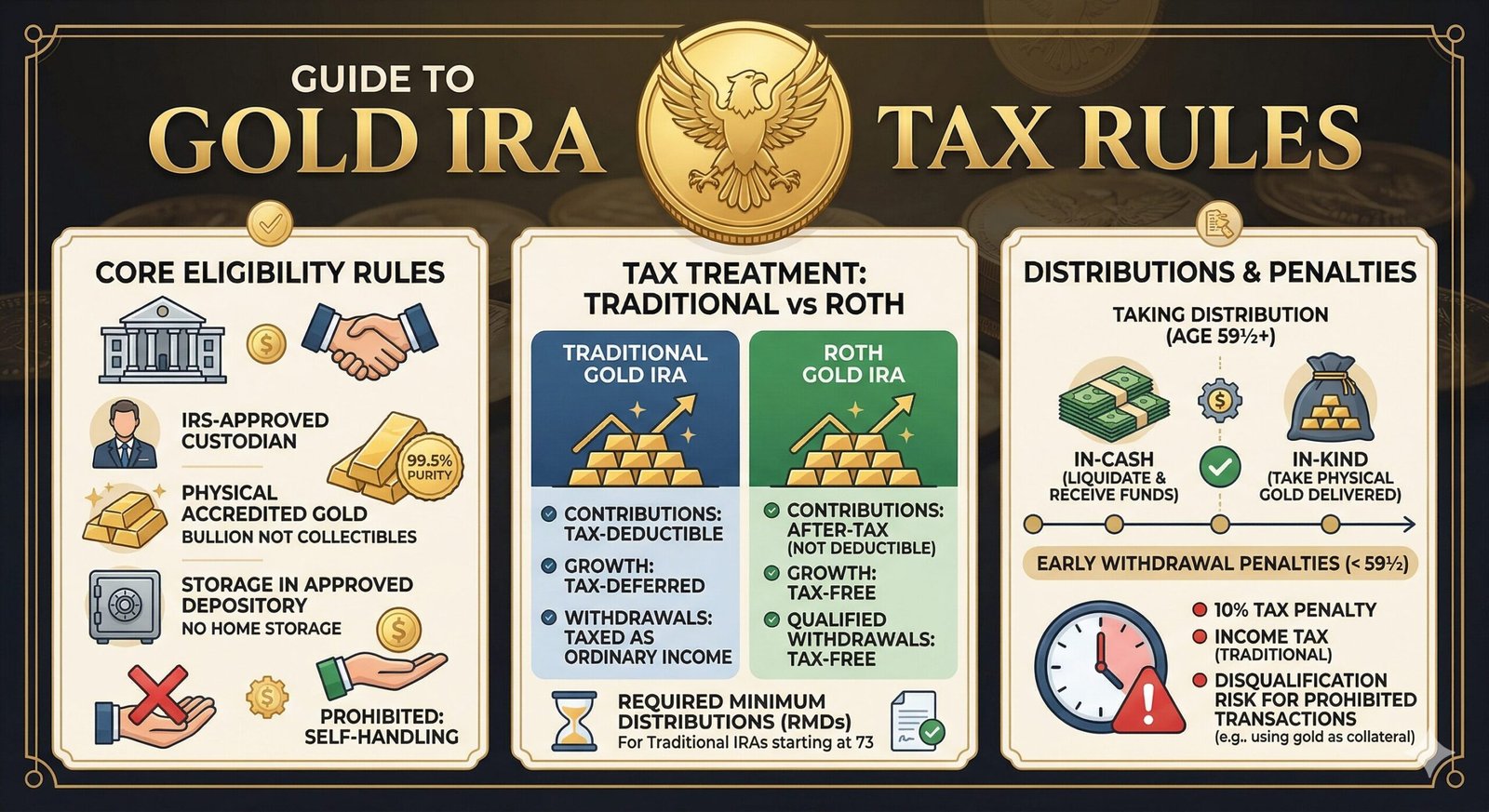
These specialized retirement accounts operate under the same basic tax rules as traditional and Roth IRAs, including contribution limits and distribution requirements. However, they require additional infrastructure due to the physical nature of the assets. Our Gold IRA guide provides comprehensive details about how these accounts function.
The metals held in Gold IRAs must meet specific purity standards established by the IRS. For gold, the minimum fineness requirement is 99.5%, while silver must be 99.9% pure. Storage occurs in IRS-approved depositories, not in personal safes or home storage facilities.
Gold IRA investors maintain direct ownership of their precious metals, even though the assets remain in professional storage. This ownership structure provides transparency regarding exactly which coins or bars comprise the account holdings.
Understanding Annuities
Annuities function as insurance contracts designed to provide regular income payments over a specified period, often for life. When an investor purchases an annuity, they transfer money to an insurance company in exchange for guaranteed future payments according to the contract terms.
Several annuity types exist, including immediate annuities that begin payments shortly after purchase, and deferred annuities that accumulate value before beginning distributions. Fixed annuities provide predetermined payment amounts, while variable annuities tie payments to underlying investment performance.
The insurance company assumes responsibility for managing the invested funds and ensuring contractual payments continue as promised. This transfer of responsibility represents one of the key distinctions between annuities and self-directed investment accounts.
Annuities often include various riders and features that can modify payment structures, provide death benefits, or offer other insurance-like provisions. These additional features typically come with associated costs that reduce the overall return on invested funds.
Key Structural Differences
The fundamental structures of Gold IRAs and annuities differ significantly, affecting everything from ownership rights to liquidity options. Gold IRAs maintain individual asset ownership, while annuities represent contractual obligations from insurance companies.
Gold IRA holders retain direct ownership of their precious metals, with the ability to specify exactly which products comprise their holdings. Investors can choose from various IRA-eligible gold coins and bars, creating customized portfolios based on personal preferences.
Annuity owners hold insurance contracts rather than direct asset ownership. The insurance company manages underlying investments and bears responsibility for meeting contractual obligations, regardless of investment performance.
This ownership distinction creates different rights and responsibilities for investors. Gold IRA owners can monitor their specific holdings and make decisions about additions or changes to their portfolios. Annuity owners rely on insurance companies to manage investments appropriately and fulfill contractual terms.
Liquidity and Access Considerations
Liquidity represents a crucial factor when comparing these retirement options. Gold IRAs and annuities offer vastly different approaches to accessing invested funds before and during retirement.
Gold IRAs follow standard IRA distribution rules, allowing penalty-free withdrawals beginning at age 59½. Earlier withdrawals typically incur 10% penalties plus applicable income taxes, though certain exceptions may apply. Required minimum distributions begin at age 73, following the same rules as traditional IRAs.
The process of liquidating Gold IRA assets involves selling precious metals through approved dealers and transferring proceeds to investors. This process typically takes several days to complete, depending on market conditions and dealer processing times.
Annuities often impose surrender charges for early withdrawals, particularly during the initial years following purchase. These charges can range from 1% to 10% or more of the withdrawal amount, decreasing over time according to the contract schedule.
Many annuities allow annual withdrawals of 10% or more without surrender charges, providing some liquidity options. However, accessing larger amounts during the surrender period can result in substantial penalties that significantly reduce the withdrawal value.
Fee Structures and Costs
Cost structures differ substantially between Gold IRAs and annuities, affecting long-term returns and overall investment efficiency. Understanding these fee differences helps investors accurately compare the true costs of each option.
Gold IRAs typically involve several distinct fee categories. Annual custodial fees range from $100 to $300 or more, depending on account size and custodian policies. Storage fees at approved depositories generally cost $100 to $300 annually, though larger accounts may incur higher charges.
Purchase premiums on precious metals add to Gold IRA costs, typically ranging from 3% to 8% above spot prices for coins and bars. These premiums vary based on product types, market conditions, and dealer pricing policies. Our Gold IRA fees guide examines these costs in detail.
Annuities embed most fees within the contract structure, making direct cost comparisons challenging. Management fees typically range from 1% to 3% annually, while various riders and features add additional costs.
Surrender charges represent significant annuity costs for investors needing early access to funds. These charges can effectively lock up invested capital for many years, reducing flexibility and potentially creating financial hardship.
Tax Treatment Comparison
Both Gold IRAs and annuities can offer tax-deferred growth, but their tax treatments differ in important ways that affect retirement planning strategies.
Traditional Gold IRAs provide immediate tax deductions for contributions, with distributions taxed as ordinary income during retirement. Roth Gold IRAs use after-tax contributions but allow tax-free distributions in retirement, assuming certain requirements are met.
The IRS treats Gold IRA distributions the same as traditional IRA distributions for tax purposes. This consistent treatment simplifies tax planning and ensures predictable tax consequences.
Qualified annuities purchased with pre-tax dollars follow similar tax treatment to traditional IRAs, with distributions taxed as ordinary income. Non-qualified annuities purchased with after-tax dollars receive different treatment, with only the growth portion subject to taxation.
Annuity tax treatment can become complex when contracts include various riders or features that modify distribution patterns. Some annuities offer tax-deferred exchanges between different products, though these transactions must comply with specific IRS requirements.
Risk and Return Considerations
Risk profiles differ significantly between Gold IRAs and annuities, reflecting their underlying structures and investment approaches. Neither option guarantees specific returns, and both involve various risks that investors should understand.
Gold IRA returns depend on precious metals price movements, which can be volatile over short periods. Historical gold prices have experienced both significant increases and decreases, though past performance is not a guarantee of future results. Economic factors, geopolitical events, and market sentiment all influence precious metals pricing.
Storage and insurance risks exist with Gold IRAs, though reputable custodians and depositories maintain comprehensive security measures and insurance coverage. The physical nature of precious metals eliminates counterparty risk associated with financial institutions or insurance companies.
Annuities transfer investment risk to insurance companies, which must fulfill contractual obligations regardless of underlying investment performance. However, this transfer creates counterparty risk, as annuity payments depend on the insurance company’s financial strength and ability to meet obligations.
Insurance company ratings from agencies like A.M. Best, Moody’s, and Standard & Poor’s help evaluate counterparty risk. However, even highly-rated companies can experience financial difficulties that affect their ability to meet long-term obligations.
Suitability for Different Investor Profiles
The choice between Gold IRAs and annuities often depends on individual investor characteristics, financial goals, and retirement planning priorities. Each option serves different investor needs and preferences.
Gold IRAs may appeal to investors seeking direct ownership of physical assets and greater control over their retirement investments. These accounts suit investors comfortable with precious metals price volatility and those preferring tangible assets over financial contracts.
Investors prioritizing income predictability during retirement might find annuities more suitable, particularly those uncomfortable with investment volatility. Fixed annuities provide predetermined payment amounts that can help budget retirement expenses.
Age considerations play important roles in suitability assessments. Younger investors might prefer Gold IRAs’ potential for long-term growth, while those closer to retirement might value annuities’ income certainty.
Financial sophistication requirements differ between these options. Gold IRAs require understanding of precious metals markets and storage logistics, while annuities demand comprehension of complex contract terms and insurance provisions.
Making the Decision
Choosing between Gold IRAs and annuities requires careful consideration of individual circumstances, financial goals, and retirement planning objectives. Neither option represents a universal solution, and both can potentially serve roles in comprehensive retirement planning strategies.
Investors should evaluate their liquidity needs, risk tolerance, and control preferences when comparing these options. Those valuing direct asset ownership and investment flexibility might prefer Gold IRAs, while those prioritizing income certainty might lean toward annuities.
Professional financial guidance can prove valuable when evaluating these complex retirement options. FINRA’s guidance on self-directed IRAs and insurance regulations provides additional context for decision-making.
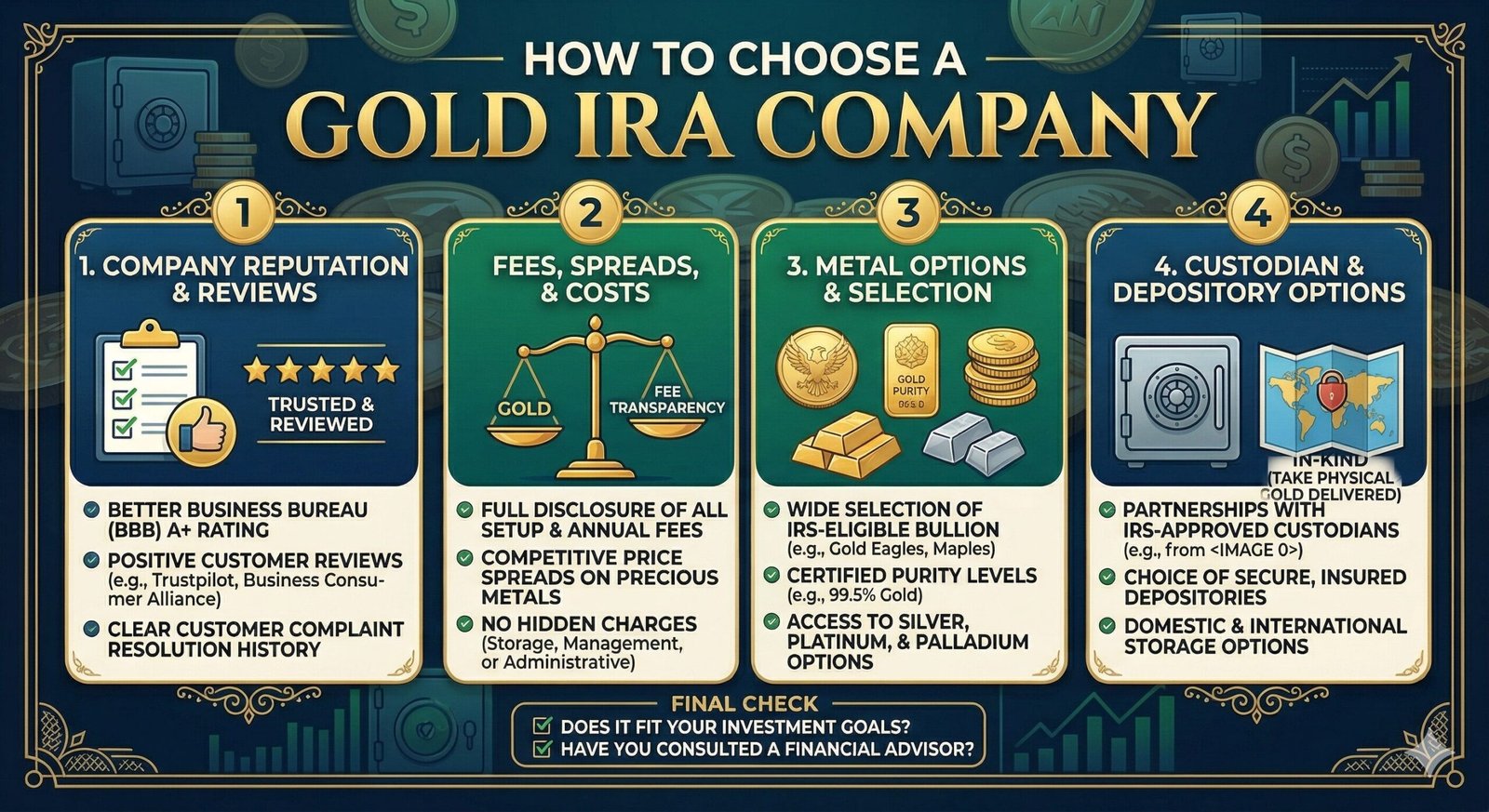
Due diligence remains essential regardless of the chosen option. For Gold IRAs, this includes researching custodians, storage facilities, and dealer reputations. For annuities, investors should examine insurance company ratings, contract terms, and fee structures.
Understanding whether a Gold IRA is a good idea for specific situations requires honest assessment of individual needs and circumstances. Similarly, annuity suitability depends on personal financial situations and retirement goals.
Consider consulting with financial professionals familiar with both options to ensure comprehensive evaluation of your specific circumstances. The SEC’s investor resources provide additional educational materials for retirement planning decisions.
For those interested in exploring Gold IRA options further, our comprehensive guide to the Best Gold IRA Companies of 2026 provides detailed information about reputable firms and their service offerings.
Frequently Asked Questions
Can I hold both a Gold IRA and an annuity in my retirement portfolio?
Yes, these are not mutually exclusive options. Many investors hold both types of investments as part of diversified retirement planning strategies. Each serves different purposes and can complement other retirement savings vehicles.
Which option provides better liquidity during retirement?
Gold IRAs generally offer more flexible access to funds, following standard IRA distribution rules. Annuities may impose surrender charges for early withdrawals, though many allow annual withdrawals of 10% or more without penalties.
Are there minimum investment requirements for Gold IRAs vs annuities?
Both options typically have minimum investment requirements, though amounts vary by provider. Our Gold IRA minimum investment guide provides specific details about Gold IRA minimums, while annuity minimums vary by insurance company and product type.
How do required minimum distributions work for each option?
Gold IRAs follow standard IRA RMD rules, beginning at age 73. Qualified annuities also require RMDs, though the calculation methods may differ based on annuity type and contract terms.
Which option offers better tax advantages?
Tax advantages depend on individual circumstances and the specific products chosen. Both can offer tax-deferred growth, but the ultimate tax treatment of distributions varies based on account type and funding method.
This article is for informational purposes only and does not constitute financial or tax advice. Investing in precious metals involves risk including possible loss of principal.