
Cheapest Gold IRA: Lowest Fee Providers Compared
Finding the cheapest Gold IRA can significantly impact your retirement savings over time. While fees shouldn’t be the only consideration when choosing a precious metals IRA provider, understanding the cost structure is essential for making an informed decision that aligns with your financial goals.
Gold IRA fees vary substantially between providers, and what appears to be the lowest-cost option upfront may not always be the most economical choice long-term. The key lies in understanding the different types of fees, how they’re structured, and which providers offer the most transparent and competitive pricing.
Understanding Gold IRA Fee Structures
Before identifying the cheapest options, it’s important to understand how Gold IRA fees work. Most providers charge several types of fees that can impact your overall costs.
Setup fees represent the initial cost to establish your account. These one-time charges typically range from zero to several hundred dollars, depending on the provider. Some companies waive setup fees during promotional periods or for larger initial investments.
Annual maintenance fees cover account administration, record-keeping, and customer service. These recurring costs usually range from $80 to $300 per year and may increase based on account value or additional services requested.
Storage fees represent perhaps the most significant ongoing expense for Gold IRA holders. Since IRS Publication 590-A requires IRA precious metals to be stored in an approved depository, these fees are unavoidable. Storage costs typically range from $100 to $300 annually for segregated storage, with some providers offering scaled pricing based on account value.
Transaction fees apply when buying or selling precious metals within your IRA. These may be flat fees per transaction or percentage-based charges. Some providers include a certain number of transactions in their annual fee, while others charge for each purchase or sale.
Factors That Impact Gold IRA Costs
Several variables influence the total cost of maintaining a Gold IRA. Account size plays a significant role, as many providers offer tiered fee structures where larger accounts receive preferential pricing. An investor with a $50,000 Gold IRA may pay proportionally more in fees than someone with a $500,000 account.
Storage preferences also affect costs. Commingled storage, where your metals are stored alongside other investors’ holdings of the same type, typically costs less than segregated storage, where your specific coins and bars are individually identified and stored separately.
The frequency of transactions impacts overall costs for investors who plan to make regular purchases or rebalancing trades. Some providers charge per transaction, while others include a certain number of trades in their annual fee structure.
Geographic location can influence storage fees, as some depositories charge different rates for different regions. However, since most Gold IRA providers work with major national depositories, this factor typically has minimal impact.
Our detailed Gold IRA fees guide provides comprehensive information about fee structures across different providers.
Low-Cost Gold IRA Provider Categories
Gold IRA providers generally fall into several categories based on their fee structures and target markets. Understanding these categories helps identify which type of provider might offer the lowest costs for your specific situation.
Online-focused providers often offer some of the most competitive fee structures by minimizing overhead costs. These companies typically provide streamlined account opening processes, digital account management, and efficient customer service through online platforms and phone support.
Traditional precious metals dealers who also offer IRA services may have higher fees but often provide more personalized service and extensive educational resources. The additional cost may be justified for investors who value hands-on guidance and relationship-based service.
Custodian-direct providers work closely with self-directed IRA custodians to offer integrated services. While not always the cheapest option, these arrangements can sometimes reduce complexity and eliminate duplicate fees.
Bank-affiliated providers leverage existing relationships and infrastructure to offer competitive pricing, particularly for customers who already maintain other accounts with the institution.
Comparing Fee Structures Across Providers
The cheapest Gold IRA providers typically fall into the low-cost range across most fee categories. However, it’s essential to calculate total annual costs rather than focusing on individual fee types, as providers may offset lower fees in one area with higher charges in another.
Hidden Costs and Fee Transparency
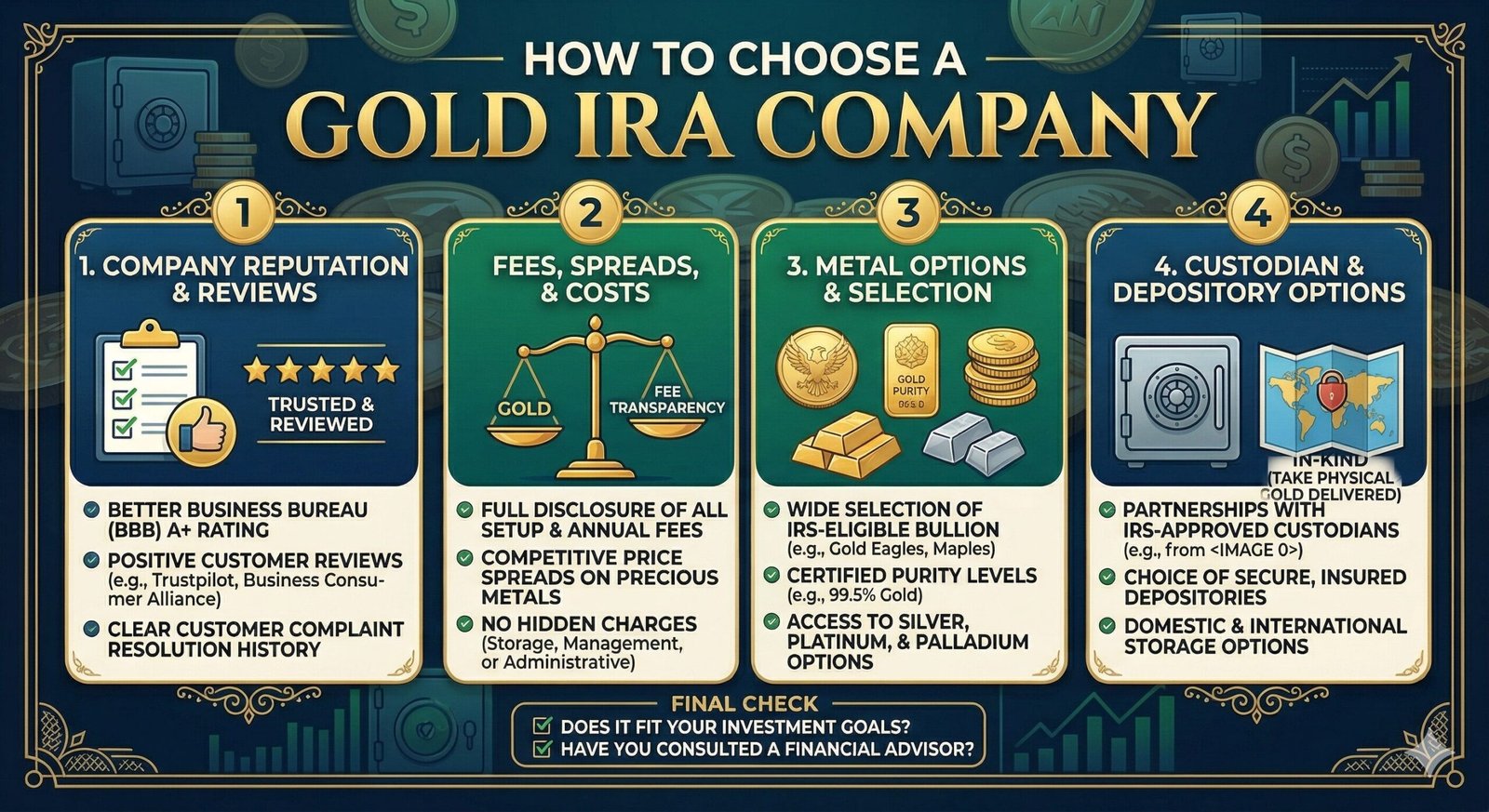
When evaluating the cheapest Gold IRA options, pay careful attention to fee disclosure practices. Reputable providers clearly outline all costs upfront, while less transparent companies may have hidden fees that only become apparent after account opening.
Markup on precious metals purchases represents a significant but often poorly disclosed cost. Some providers may advertise low annual fees while charging substantial premiums above spot price for gold and silver purchases. The total cost impact of high purchase premiums can far exceed the savings from lower administrative fees.
Early termination fees may apply if you close your account within a certain timeframe. These charges can range from modest administrative fees to substantial penalties that eliminate any cost savings from choosing a low-fee provider.
Wire transfer fees, expedited service charges, and paper statement fees represent additional costs that some providers impose. While individually small, these fees can accumulate over time.
FINRA’s guidance on self-directed IRAs emphasizes the importance of understanding all costs associated with alternative investments in retirement accounts.
Evaluating Total Cost of Ownership
Finding the cheapest Gold IRA requires analyzing total cost of ownership rather than focusing solely on advertised fees. A provider with slightly higher annual maintenance fees but lower precious metals markups and transaction costs may ultimately be more economical.
Consider your investment timeline when evaluating costs. Setup fees have minimal long-term impact for investors planning to maintain their Gold IRA for many years, while ongoing storage and maintenance fees compound annually.
Account activity levels significantly influence total costs. Investors who plan to make regular purchases benefit from providers that include transaction credits or charge lower per-transaction fees. Those planning a single large purchase and minimal trading may prioritize providers with the lowest annual maintenance and storage fees.
The minimum investment requirements also factor into cost analysis, as some providers offer preferential pricing for larger accounts that may offset higher minimums.
Due Diligence for Low-Cost Providers
While cost is important, the cheapest Gold IRA provider should still meet essential quality and reliability standards. FINRA BrokerCheck allows you to research the regulatory history of financial professionals and firms.
Verify that low-cost providers maintain proper licensing and regulatory compliance. Self-directed IRA custodians must be approved by the IRS, and precious metals dealers should maintain appropriate state and federal licenses.
Customer service quality becomes particularly important when problems arise. The cheapest provider may not be the best value if they lack responsive customer support or efficient problem resolution processes.
Financial stability of the provider matters for long-term relationships. Research the company’s operating history, ownership structure, and customer reviews to assess their likelihood of remaining in business throughout your investment timeline.
Our Gold IRA scams guide provides detailed information about red flags to watch for when evaluating any provider, including those advertising unusually low fees.
Account Size Considerations
The cheapest Gold IRA provider often depends on your account size and investment approach. Smaller accounts may benefit from providers with low or waived minimum fees, even if their percentage-based costs are higher. Larger accounts often qualify for preferential pricing that can make providers with higher base fees more economical overall.
Some providers offer scaled fee structures where annual maintenance and storage costs decrease as account values increase. These arrangements can make seemingly expensive providers competitive for substantial investments.
Break-even analysis helps determine which fee structure works best for your situation. Calculate total annual costs across different account sizes to identify the most economical provider for your expected investment level.
Transaction frequency also influences the optimal provider choice. Active traders benefit from providers with low transaction fees or included trading credits, while buy-and-hold investors should prioritize low annual maintenance and storage costs.
Integration with Retirement Planning
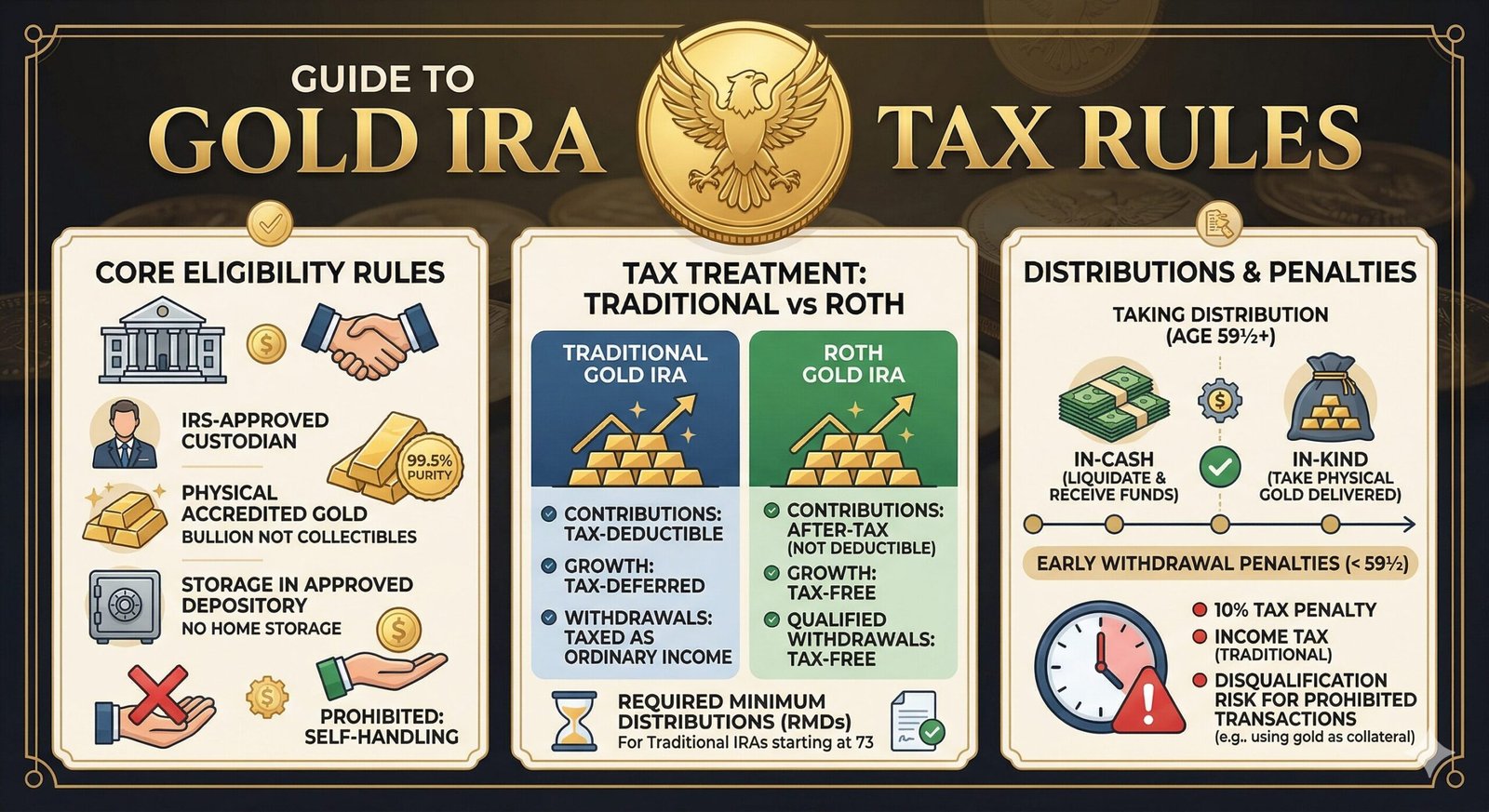
The cheapest Gold IRA should integrate effectively with your overall retirement strategy. Understanding Gold IRA rollover rules helps ensure that cost savings aren’t offset by tax penalties or compliance issues.
Consider how Gold IRA fees compare to your other retirement account costs. The IRS IRA investment FAQ provides general guidance about retirement account regulations and requirements.
Timing considerations may influence provider selection. Investors planning near-term 401(k) to Gold IRA rollovers might prioritize providers offering rollover fee waivers or promotional pricing.
FAQ
What makes a Gold IRA provider the cheapest option?
The cheapest Gold IRA provider combines low setup fees, competitive annual maintenance costs, reasonable storage fees, and transparent precious metals pricing. Total cost of ownership matters more than any single fee category, as providers may offset lower fees in one area with higher charges elsewhere.
Do the cheapest Gold IRA providers compromise on service quality?
Not necessarily. Some providers achieve low costs through efficient operations and online-focused service models rather than cutting corners on essential services. However, it’s important to research customer reviews, regulatory compliance, and company stability when evaluating any provider.
How much can I save by choosing the cheapest Gold IRA provider?
Annual savings can range from $200 to $500 or more compared to high-fee providers, depending on your account size and activity level. Over a 20-year investment timeline, these savings can compound to thousands of dollars in preserved retirement funds.
Are there risks to choosing the cheapest Gold IRA provider?
The primary risks involve potential service quality issues, hidden fees not disclosed upfront, or financial instability of ultra-low-cost providers. Research regulatory compliance, customer reviews, and company operating history to mitigate these risks.
Should I choose a provider based solely on the lowest fees?
No. While fees are important, consider factors like customer service quality, precious metals selection, storage options, and company reputation. The cheapest option should still meet your service needs and provide reliable access to IRA-eligible gold coins and other approved investments.
Finding the cheapest Gold IRA provider requires careful analysis of total costs, service quality, and regulatory compliance. By understanding fee structures and evaluating providers comprehensively, you can identify cost-effective options that align with your retirement planning goals. For detailed comparisons of leading providers, explore our comprehensive guide to the Best Gold IRA Companies of 2026.
This article is for informational purposes only and does not constitute financial or tax advice. Investing in precious metals involves risk including possible loss of principal.
Related guides
- Gold IRA Consumer Affairs Reviews: What to Look For
- Gold IRA Trustpilot Reviews: What Real Customers Say
- Gold IRA BBB Complaints: What Consumer Reports Reveal
- Is a Gold IRA Worth the Fees? A Cost-Benefit Analysis
- Are Gold IRA Fees Too High? Breaking Down the Real Costs
- Gold IRA Mistakes to Avoid: 10 Common Errors Investors Make