
Gold IRA Pros and Cons: An Honest Assessment
When considering retirement planning options, many investors find themselves evaluating the merits of precious metals IRAs. Understanding the gold IRA pros and cons is essential for making informed decisions about your financial future. This comprehensive analysis examines both the advantages and disadvantages of these specialized retirement accounts.
A Gold IRA represents a self-directed individual retirement account that allows investors to hold physical precious metals alongside traditional paper assets. Unlike conventional IRAs limited to stocks, bonds, and mutual funds, these accounts provide exposure to gold, silver, platinum, and palladium coins and bars that meet specific IRS purity requirements.
The Advantages of Gold IRAs
Physical Asset Ownership
One of the primary advantages of a Gold IRA lies in owning tangible assets. Unlike paper investments that exist only as electronic records or certificates, precious metals represent physical commodities with intrinsic value. This tangible nature appeals to investors who prefer assets they can see and touch, even though the metals remain stored in approved depositories.
The physical nature of precious metals means they cannot be erased by computer glitches, corporate bankruptcies, or accounting scandals that might affect paper assets. Gold has maintained its status as a store of value for thousands of years across different civilizations and economic systems.
Tax-Deferred Growth Potential
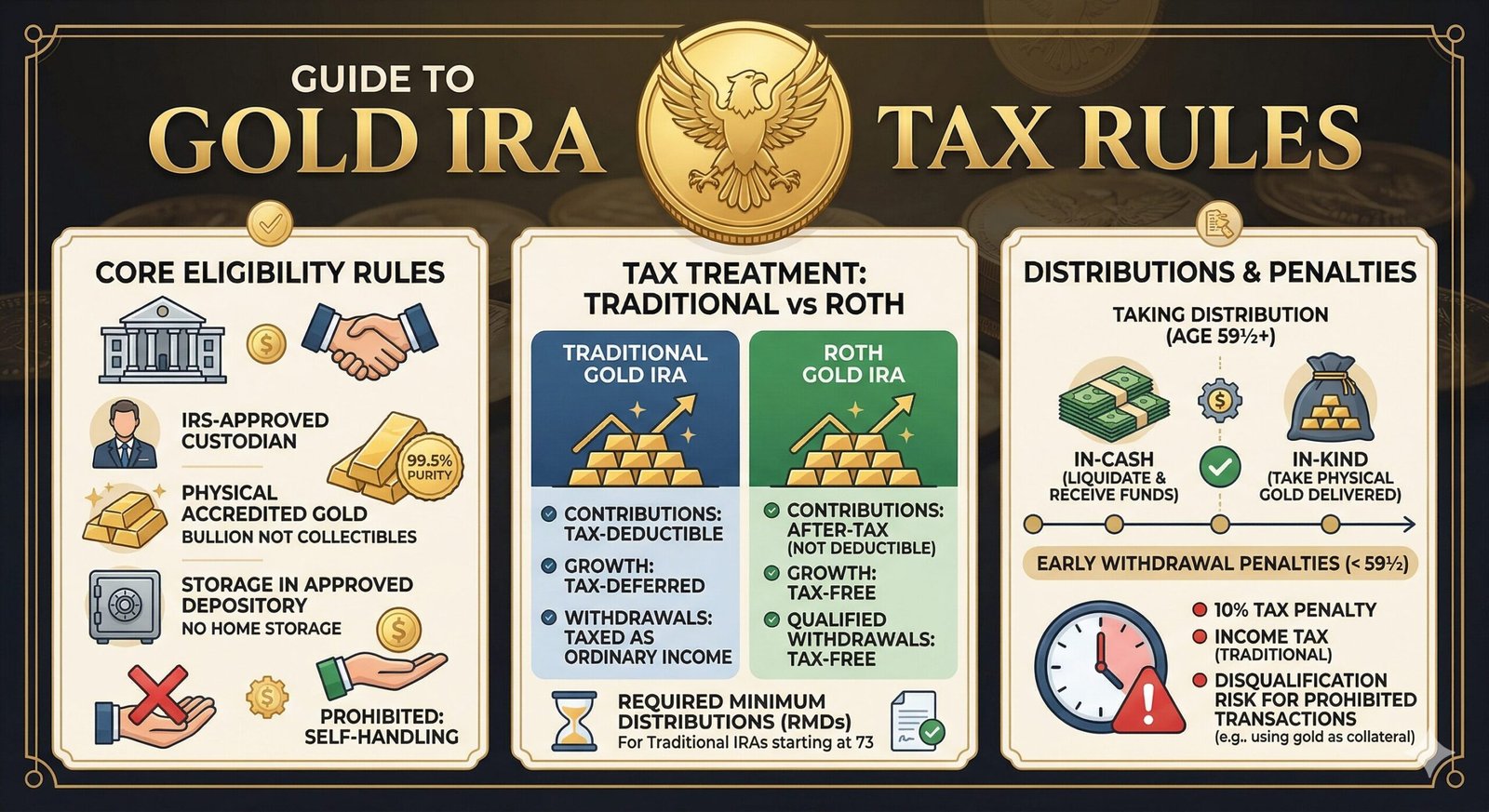
Gold IRAs offer the same tax advantages as traditional retirement accounts. Contributions to traditional Gold IRAs may be tax-deductible, depending on your income level and participation in employer-sponsored retirement plans. The assets within the account can potentially grow tax-deferred until you begin taking required minimum distributions.
Roth Gold IRAs provide the potential for tax-free growth, with qualified distributions in retirement coming out tax-free. This tax treatment follows the same rules outlined in IRS Publication 590-A, making Gold IRAs subject to identical tax regulations as other IRA types.
Portfolio Variety
Adding precious metals to your retirement portfolio introduces an asset class with different characteristics than traditional investments. Gold and other precious metals often behave differently than stocks and bonds during various economic conditions, potentially providing portfolio variety that some investors find appealing.
This variety can be particularly relevant during periods of economic uncertainty, currency fluctuations, or geopolitical tensions when precious metals may perform differently than other asset classes. However, past performance is not a guarantee of future results, and all investments carry risk.
Self-Directed Control
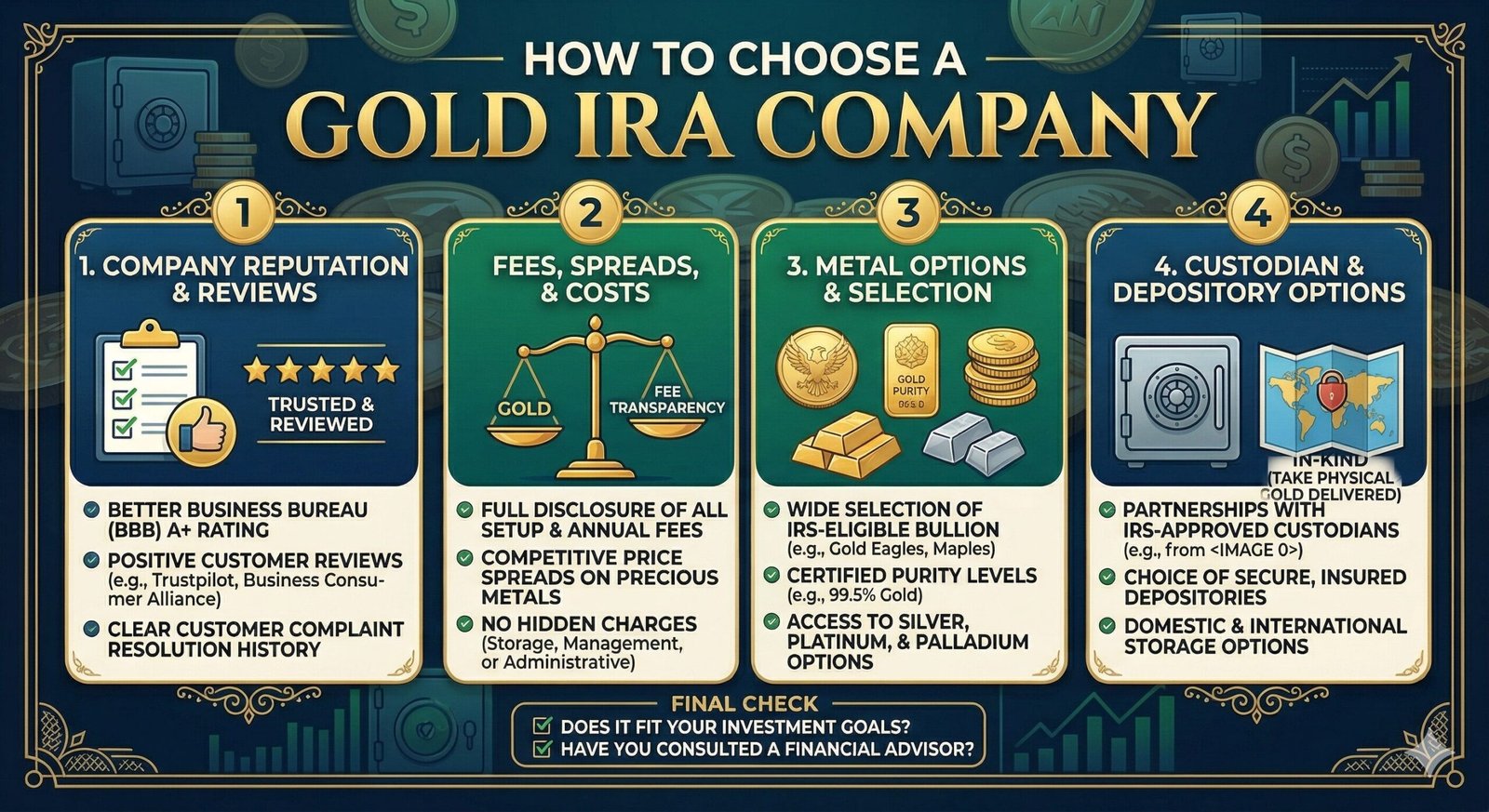
Gold IRAs typically require self-directed IRA custodians, giving investors greater control over their investment decisions. Rather than being limited to a menu of mutual funds or company stock options, self-directed accounts allow holders to choose from IRA-eligible gold coins and bars that meet IRS requirements.
This control extends to timing purchases and sales, selecting specific products, and working with precious metals dealers of your choice, subject to IRS regulations and custodian requirements.
The Disadvantages of Gold IRAs
Storage and Insurance Costs
Unlike traditional IRAs where assets exist electronically, Gold IRAs require physical storage in IRS-approved depositories. This storage comes with ongoing costs that can impact your account’s long-term growth potential. Storage fees typically range from $100 to $300 annually, depending on the amount of metal held and the specific depository.
Additionally, precious metals in IRAs must be insured against theft, damage, or loss. Insurance costs represent another ongoing expense that holders must factor into their investment calculations. These fees continue regardless of whether precious metals prices rise or fall.
Limited Income Generation
Physical precious metals do not generate dividends, interest, or rental income like stocks, bonds, or real estate investments. The only way to potentially profit from precious metals is through price appreciation, which is never guaranteed. This lack of income generation means Gold IRA holders must rely entirely on price movements for returns.
For retirees seeking steady income streams from their investments, this characteristic may present challenges when compared to dividend-paying stocks or interest-bearing bonds.
Higher Fees Structure
Gold IRAs typically involve more complex fee structures than traditional retirement accounts. Beyond storage and insurance costs, investors often encounter setup fees, annual custodial fees, transaction fees for buying and selling metals, and potential shipping costs for physical delivery upon distribution.
Our Gold IRA fees guide provides detailed information about the various costs associated with these accounts. These fees can accumulate over time and should be carefully considered when evaluating the overall cost-effectiveness of precious metals IRAs.
Liquidity Considerations
While precious metals are generally liquid assets, selling physical metals from an IRA may take longer than selling stocks or bonds. The process typically involves contacting your custodian, arranging for sale through an approved dealer, and waiting for settlement and fund transfer.
During periods of market stress or high demand, this process might take several days or weeks, potentially limiting your ability to quickly access funds if needed. This timing consideration becomes particularly relevant when planning for required minimum distributions.
Regulatory Complexity
Gold IRAs must comply with numerous IRS regulations regarding acceptable metals, storage requirements, and distribution rules. The IRS IRA investment FAQ outlines many of these requirements, but navigating the rules can be complex.
Violations of IRS regulations can result in penalties, taxes, and potential disqualification of the entire IRA. This regulatory complexity requires careful attention to compliance and often necessitates working with experienced custodians and dealers familiar with precious metals IRA rules.
Fee Comparison: Gold IRA vs Traditional IRA
Making the Decision
Evaluating the gold IRA pros and cons requires careful consideration of your individual financial situation, retirement goals, and risk tolerance. Some investors find precious metals IRAs align well with their investment philosophy and retirement planning objectives, while others prefer traditional investment approaches.
Before making any decisions, consider consulting with financial professionals who understand both traditional retirement planning and precious metals investments. They can help you evaluate whether a Gold IRA fits within your overall retirement strategy.
Research is crucial when considering any investment decision. Resources like FINRA’s guidance on self-directed IRAs provide valuable information about the responsibilities and considerations involved with self-directed retirement accounts.
Understanding what a Gold IRA is represents the first step in this evaluation process. Our comprehensive guide covers the fundamental aspects of these retirement accounts and can help you determine whether further investigation is warranted.
The decision to include precious metals in your retirement portfolio should align with your overall investment strategy and risk tolerance. Consider factors like your age, retirement timeline, current asset allocation, and income needs when evaluating whether a Gold IRA makes sense for your situation.
Frequently Asked Questions
Can I roll over my existing 401(k) into a Gold IRA?
Yes, you can typically roll over funds from a 401(k) into a Gold IRA through a direct rollover or indirect rollover, subject to IRS rules and your plan’s terms. Our 401(k) to Gold IRA rollover guide provides detailed information about this process.
What types of precious metals can I hold in a Gold IRA?
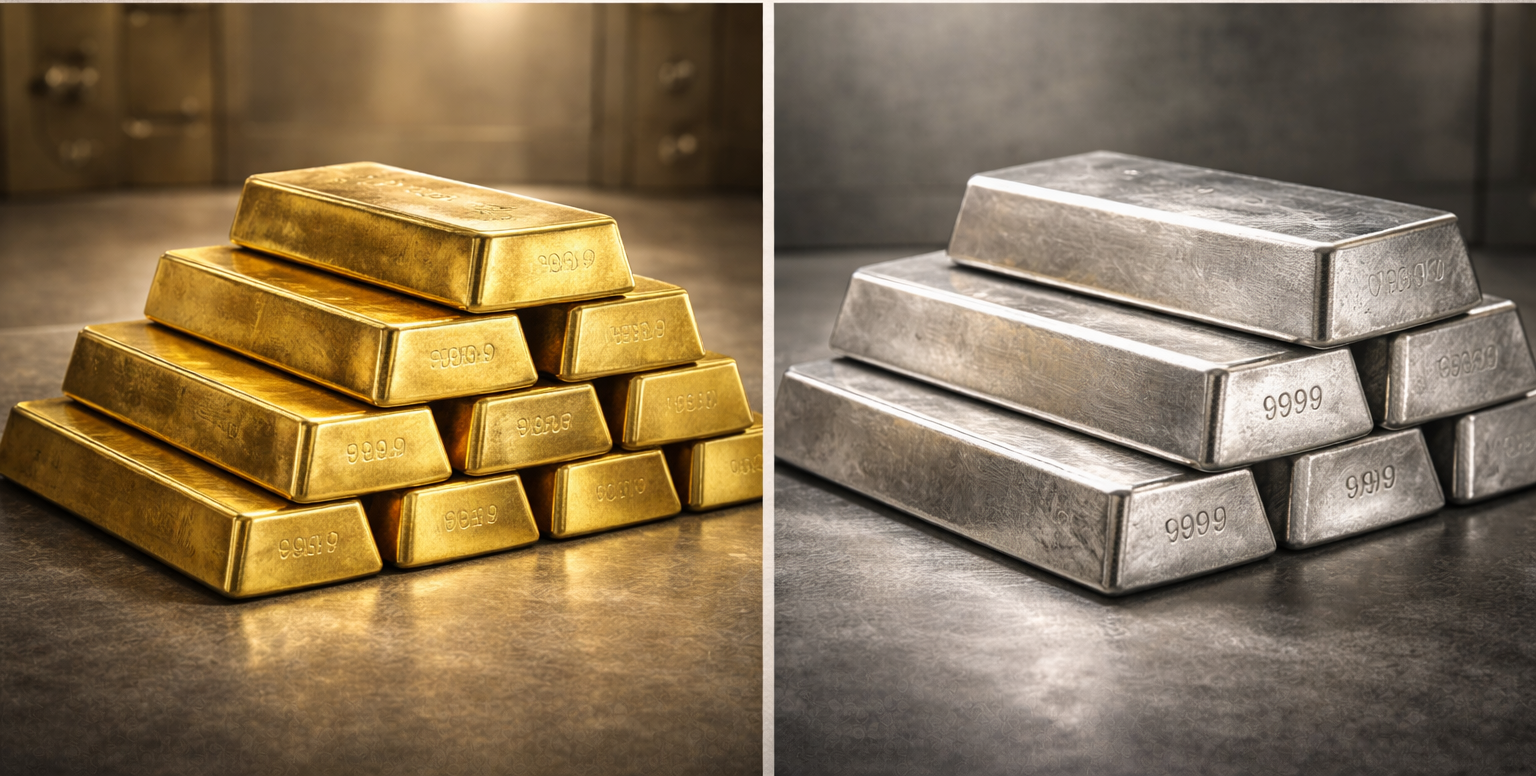
IRS regulations specify which precious metals are eligible for IRA investment. Generally, gold must be 99.5% pure, silver must be 99.9% pure, and platinum and palladium must be 99.95% pure. Specific coins and bars from approved refineries and mints qualify for IRA inclusion.
How much does it cost to start a Gold IRA?
Startup costs vary by custodian and dealer but typically include setup fees ($50-$150), first-year custodial fees ($75-$300), and the cost of precious metals purchased. Some custodians waive setup fees for larger initial investments. Review our Gold IRA minimum investment guide for more details.
Are there penalties for early withdrawal from a Gold IRA?
Yes, the same early withdrawal penalties that apply to traditional IRAs also apply to Gold IRAs. Withdrawals before age 59½ typically incur a 10% penalty plus ordinary income taxes on the withdrawn amount, unless you qualify for specific exceptions outlined in IRS regulations.
How do I avoid Gold IRA scams?
Research custodians and dealers thoroughly, verify their credentials with regulatory bodies, avoid high-pressure sales tactics, and be wary of companies making unrealistic promises about returns. Our Gold IRA scams guide provides comprehensive information about identifying and avoiding fraudulent schemes.
When considering precious metals for your retirement portfolio, thorough research and careful evaluation of your individual circumstances remain essential. Review our guide to the Best Gold IRA Companies of 2026 to explore reputable custodians and dealers if you decide to move forward with a Gold IRA.
This article is for informational purposes only and does not constitute financial or tax advice. Investing in precious metals involves risk including possible loss of principal.
Related guides
- Gold IRA Consumer Affairs Reviews: What to Look For
- Gold IRA Trustpilot Reviews: What Real Customers Say
- Gold IRA BBB Complaints: What Consumer Reports Reveal
- Is a Gold IRA Worth the Fees? A Cost-Benefit Analysis
- Are Gold IRA Fees Too High? Breaking Down the Real Costs
- Gold IRA Mistakes to Avoid: 10 Common Errors Investors Make