
Gold IRA Storage Fees: Segregated vs Commingled Costs
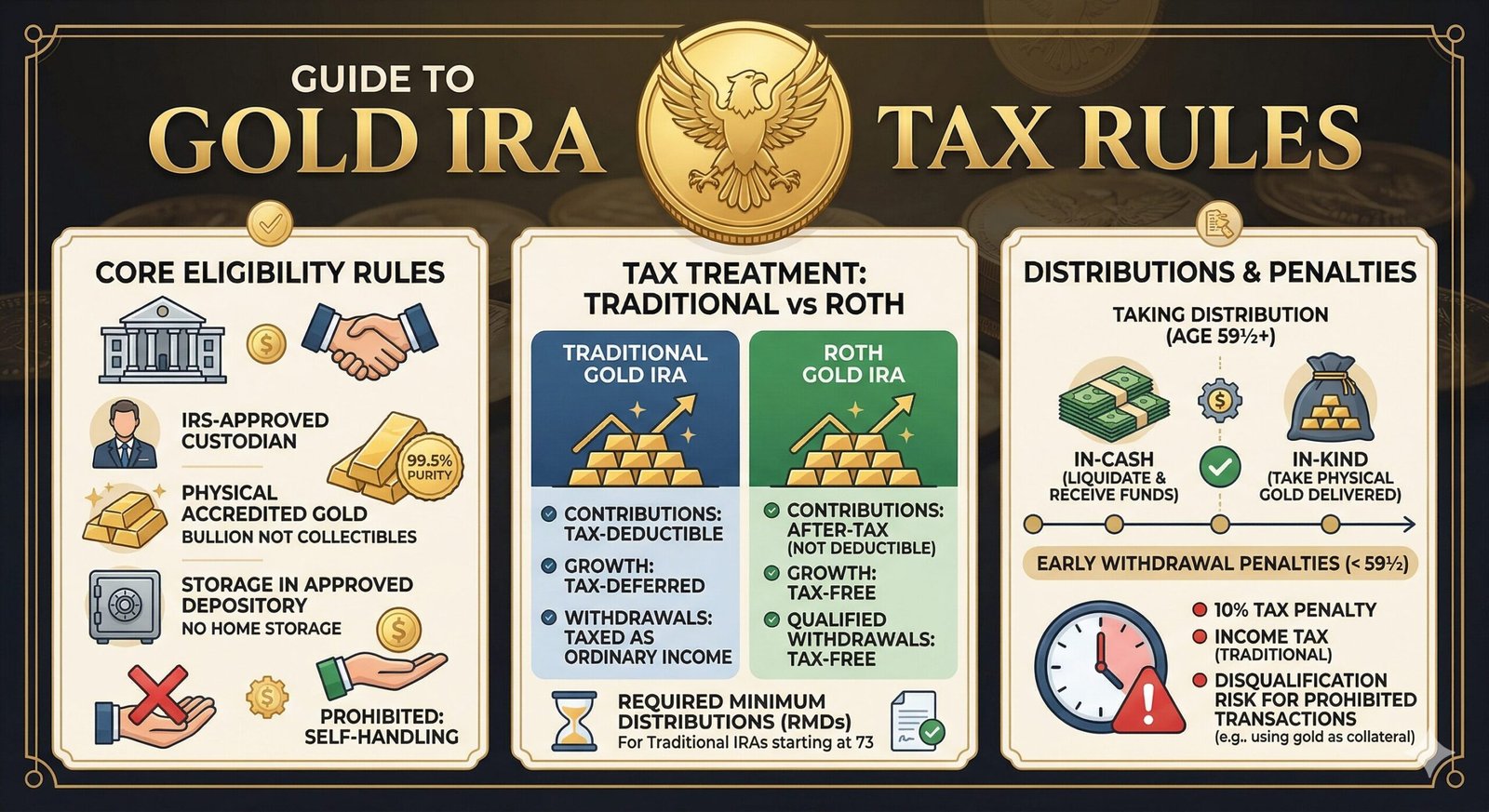
When you establish a Gold IRA, your precious metals cannot legally be stored at home or in a personal safe deposit box. The IRS requires all Gold IRA assets to be held by an approved custodian at an IRS-qualified depository facility. This mandatory storage requirement comes with ongoing costs that every Gold IRA investor needs to understand before making their investment decisions.
Gold IRA storage fees represent one of the most significant ongoing expenses you’ll encounter with precious metals retirement accounts. These fees vary considerably based on the storage method you choose, the depository facility, and the total value of your holdings. Understanding these costs upfront helps you make informed decisions about whether a Gold IRA aligns with your retirement planning goals.
Understanding IRS Storage Requirements
The Internal Revenue Service maintains strict regulations about where Gold IRA assets can be stored. According to IRS Publication 590-A, precious metals held in self-directed IRAs must be stored in the physical possession of a trustee. This means your gold coins and bars cannot be stored at your residence or in a personal safe deposit box.
Approved depositories must meet specific security, insurance, and reporting requirements set by the IRS. These facilities typically offer bank-level security measures including 24-hour surveillance, armed guards, and sophisticated alarm systems. The storage requirement ensures the integrity of your retirement assets while maintaining compliance with federal regulations.
Two Primary Storage Options
Gold IRA investors can choose between two main storage methods, each with distinct fee structures and characteristics. The choice you make will significantly impact your annual storage costs.
Segregated Storage
Segregated storage means your precious metals are stored separately from other investors’ assets. Your gold coins and bars are individually identified and kept in designated areas or containers within the depository. This storage method provides the highest level of asset identification and typically offers easier audit trails.
Many investors prefer segregated storage because they can receive the exact same coins and bars they originally deposited when taking distributions. The depository maintains detailed records of your specific assets, including serial numbers and identifying marks where applicable.
Commingled Storage
Commingled storage pools your precious metals with assets from other Gold IRA investors. While your account maintains ownership of a specific quantity of gold and silver, your individual coins and bars mix with similar items from other accounts. This approach reduces storage costs because the depository can consolidate similar products in shared storage areas.
When you take distributions from a commingled storage account, you receive precious metals of the same type and purity as your original deposits, but not necessarily the exact same pieces. This is similar to how banks handle cash deposits – you own a specific dollar amount, but you don’t receive the same physical bills you originally deposited.
Typical Storage Fee Structures
Gold IRA storage fees typically follow one of three pricing models. Understanding these structures helps you estimate your long-term costs and compare offerings from different custodians and depositories.
Flat Annual Fees
Many depositories charge flat annual storage fees regardless of your account value. These fees typically range from $100 to $300 per year for standard storage. Flat fees work well for larger accounts because the cost remains constant as your holdings grow in value.
Percentage-Based Fees
Some facilities charge storage fees as a percentage of your account value, commonly ranging from 0.50% to 1.00% annually. Percentage-based fees increase as your precious metals appreciate in value or as you add more assets to your account.
Tiered Fee Structures
Tiered pricing combines elements of flat and percentage-based fees. These structures might charge a base fee plus additional amounts based on account value thresholds. For example, you might pay $150 annually for the first $100,000 in precious metals value, then 0.25% for amounts above that threshold.
Storage Fee Comparison Table
Additional Storage-Related Costs
Beyond basic storage fees, Gold IRA investors should understand other costs associated with precious metals storage that may apply to their accounts.
Insurance Fees
Most depositories include basic insurance coverage in their storage fees, but some charge separately for insurance. Insurance typically covers the full replacement value of your precious metals in case of theft, fire, or other covered losses. Premium insurance options might be available for additional fees.
Transportation and Delivery Costs
When you purchase precious metals for your Gold IRA, someone must transport them from the dealer to the depository. These shipping and handling costs typically range from $30 to $100 per transaction, depending on the size and value of your shipment. Insured delivery services add to these costs but provide additional security during transport.
Account Setup Fees
Some depositories charge one-time setup fees when you establish storage for a new Gold IRA account. These fees cover the administrative work of creating your storage allocation and establishing your account records within their systems.
Factors Affecting Storage Fees
Several variables influence the storage fees you’ll pay for your Gold IRA. Understanding these factors helps you make informed decisions about storage options and manage your ongoing costs effectively.
The total value of your precious metals holdings significantly impacts storage costs, particularly with percentage-based fee structures. Larger accounts benefit more from flat-fee arrangements, while smaller accounts might find percentage-based fees more reasonable initially.
The type of precious metals you hold also affects storage requirements and costs. Gold coins typically require less specialized storage than larger gold bars, while silver’s lower value density means you need more storage space for equivalent dollar values. Some depositories charge different rates for different precious metals types.
Geographic location plays a role in storage costs due to varying local operating expenses, security requirements, and insurance costs. Depositories in major metropolitan areas typically charge higher fees than those in rural locations, though they may offer enhanced security measures and faster access times.
Comparing Storage Costs Across Providers
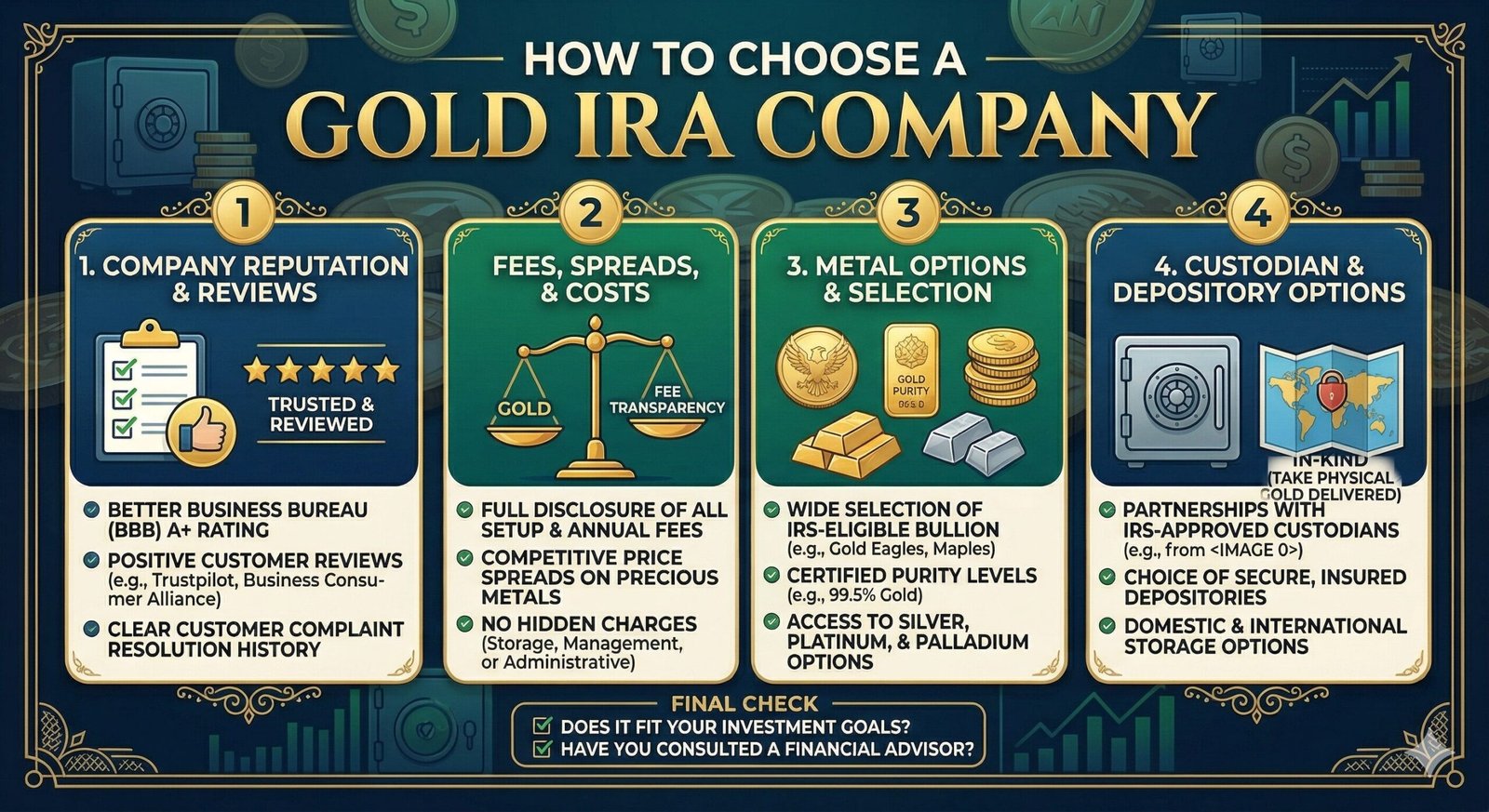
When evaluating Gold IRA providers, storage fees represent just one component of your total costs. Our comprehensive Gold IRA fees guide covers all the expenses you should consider, including custodial fees, setup costs, and transaction charges.
Different Gold IRA companies partner with different depository networks, which can significantly impact your storage options and costs. Some companies have exclusive relationships with specific depositories, while others offer choices between multiple storage facilities.
The level of service and communication you receive about your stored assets varies considerably between providers. Some offer online portals where you can view your holdings, while others provide quarterly statements or annual reports. Enhanced reporting and account access services may come with additional fees.
Tax Implications of Storage Fees
Storage fees for Gold IRA accounts are typically paid from the IRA assets themselves or from outside funds. When paid from IRA assets, storage fees don’t generate immediate tax consequences because they’re considered ordinary account maintenance expenses.
If you choose to pay storage fees from outside your IRA using personal funds, these payments don’t count as IRA contributions and don’t affect your annual contribution limits. This approach preserves more of your IRA assets for potential growth while using after-tax dollars for ongoing expenses.
The IRS IRA investment FAQ provides additional guidance on allowable expenses and fee structures for self-directed retirement accounts, though it doesn’t specifically address precious metals storage situations.
Storage Security and Insurance Considerations
The security measures at your chosen depository directly relate to the storage fees you pay. Higher-security facilities with advanced surveillance systems, multiple authentication requirements, and enhanced physical barriers typically charge premium storage fees.
Insurance coverage varies significantly between depositories and storage arrangements. Some facilities include comprehensive coverage in their storage fees, while others offer basic coverage with optional premium policies available for additional costs. Understanding exactly what insurance protection your storage fees include helps you evaluate the true value of different storage options.
Most reputable depositories carry insurance policies from major insurance companies, but the specific terms, coverage limits, and deductibles can vary. Some policies cover the full replacement value of stored precious metals, while others might have per-incident limits or require additional documentation for large claims.
Managing Long-Term Storage Costs
Gold IRA storage fees accumulate over time, making long-term cost management an important consideration for retirement planning. These ongoing expenses continue throughout the life of your account and can significantly impact your net returns over decades.
Consider how storage fees fit into your overall retirement account cost structure when deciding whether a Gold IRA is a good idea for your situation. Investors with longer time horizons need to factor years or decades of storage fees into their investment calculations.
Some investors minimize storage costs by consolidating their precious metals holdings into larger, more efficient storage arrangements. Others focus on precious metals types that store more efficiently or work with providers offering competitive long-term storage agreements.
Making Storage Decisions
Choosing between segregated and commingled storage requires balancing costs against your specific preferences and account size. Larger accounts often justify segregated storage costs more easily, while smaller accounts might find commingled storage more economical.
Consider your future plans for the Gold IRA when making storage decisions. If you plan to take physical distributions in retirement, segregated storage might offer advantages in terms of receiving specific coins or bars you prefer. If you plan to liquidate holdings for cash distributions, commingled storage might be more cost-effective.
Review storage agreements carefully before committing to any arrangement. Understanding the specific terms, fee structures, and service levels helps you avoid surprises and ensures the storage arrangement aligns with your expectations and budget.
Frequently Asked Questions
How much do Gold IRA storage fees typically cost per year?
Gold IRA storage fees typically range from $100 to $300 annually, depending on whether you choose commingled or segregated storage. Commingled storage usually costs $100-$180 per year, while segregated storage ranges from $150-$300 annually. Some facilities use percentage-based fees instead of flat rates.
What’s the difference between segregated and commingled storage?
Segregated storage keeps your precious metals separate from other investors’ assets, allowing you to receive the exact same coins and bars when taking distributions. Commingled storage pools your metals with other investors’ similar assets, reducing costs but meaning you’ll receive equivalent metals rather than your specific pieces when taking distributions.
Are Gold IRA storage fees tax-deductible?
Storage fees paid from your Gold IRA assets are not separately tax-deductible because they’re considered ordinary account maintenance expenses. If you pay storage fees from outside funds rather than from your IRA, these payments don’t count as contributions but also aren’t deductible as investment expenses.
Can I store my Gold IRA precious metals at home?
No, the IRS requires Gold IRA precious metals to be stored at IRS-approved depository facilities. Storing IRA precious metals at home or in personal safe deposit boxes violates IRS regulations and could result in the entire account being treated as a taxable distribution.
Do storage fees vary based on the type of precious metals I own?
Some depositories charge different storage rates for different types of precious metals. Silver typically requires more storage space than gold for equivalent dollar values, which might result in higher storage fees. However, many facilities charge the same rate regardless of the specific precious metals types in your account.
Understanding Gold IRA storage fees helps you make informed decisions about precious metals retirement investing. When you’re ready to explore your options, review our guide to the Best Gold IRA Companies of 2026 to find providers offering competitive storage arrangements and transparent fee structures.
This article is for informational purposes only and does not constitute financial or tax advice. Investing in precious metals involves risk including possible loss of principal.
Related guides
- Gold IRA Consumer Affairs Reviews: What to Look For
- Gold IRA Trustpilot Reviews: What Real Customers Say
- Gold IRA BBB Complaints: What Consumer Reports Reveal
- Is a Gold IRA Worth the Fees? A Cost-Benefit Analysis
- Are Gold IRA Fees Too High? Breaking Down the Real Costs
- Gold IRA Mistakes to Avoid: 10 Common Errors Investors Make