
Smart Strategies to Buy Physical Gold
To buy physical gold is one of the oldest and most direct ways to invest in the precious metals market. Unlike financial instruments that track gold prices indirectly, physical ownership provides tangible exposure to the metal itself, free from reliance on issuers, counterparties, or financial intermediaries. For many investors, this direct ownership is central to gold’s appeal as a long-term store of value.
Many investors prefer to buy physical gold for its reliability and security in uncertain economic times.
Buying physical gold can provide financial peace of mind and a hedge against inflation.
Investors can choose to buy physical gold in various forms, such as bars, coins, or bullion.
This guide explains how physical gold investing works, the differences between bars, coins, and bullion products, and the key considerations involved in purchasing gold safely and efficiently.
Choosing the right time to buy physical gold can enhance the investment’s value.
Those who decide to buy physical gold often appreciate its unique qualities.
What Is Physical Gold Investing?
Investors frequently buy physical gold bars due to their simplicity and ease of storage.
It’s vital to verify authenticity when you decide to buy physical gold bars.
Physical gold investing involves purchasing investment-grade gold products that meet recognized purity and weight standards. These products are typically manufactured by government mints or accredited private refiners and are traded globally.
Unlike collectible or numismatic items, investment-grade gold is valued primarily for its gold content rather than rarity or artistic merit. Pricing is closely linked to the global spot price of gold, with additional premiums reflecting fabrication, distribution, and dealer margins.
Physical gold is most often used for long-term wealth preservation, diversification, and protection against financial system risk.
Gold Bars
Gold bars, sometimes referred to as bullion bars, are among the most cost-efficient ways to gain exposure to gold.
Characteristics
Gold bars are produced in a wide range of sizes, from small fractional bars to large institutional-sized bars. They are typically stamped with weight, purity, refiner identification, and, in many cases, a serial number.
Investment-grade bars generally have a purity of 99.5% or higher. Bars produced by accredited refiners are widely recognized and accepted in global markets.
When choosing to buy physical gold coins, consider their liquidity and resale potential.
Advantages
Many investors prefer to buy physical gold coins for their historical significance.
Gold bars usually carry lower premiums per ounce than coins, particularly in larger sizes. This makes them attractive for investors seeking maximum exposure to gold at the lowest relative cost.
Bars are efficient for storage, especially when held in professional vaults, and are commonly used by high-net-worth individuals and institutional investors.
Limitations
Liquidity can vary depending on bar size and refiner recognition. Larger bars may require additional verification when selling and can be less practical for partial liquidation.
Those who seek to buy physical gold must consider market fluctuations.
Bars also lack the divisibility and recognizability of coins, which can matter for investors prioritizing flexibility.
Gold Coins
Gold coins are among the most popular forms of physical gold ownership, particularly for individual investors.
Understanding premiums is essential when you buy physical gold, as they can vary significantly.
Characteristics
Investment-grade gold coins are typically issued by sovereign mints and carry legal tender status in their country of origin. They are produced to strict specifications for weight and purity, most commonly 99.9% pure.
Coins are standardized, widely recognized, and actively traded in secondary markets.
Advantages
Gold coins offer high liquidity and ease of resale. Their standardized nature and widespread recognition reduce verification concerns when selling.
Investors often buy physical gold for its potential as a hedge against economic downturns.
Coins are available in smaller denominations, making them suitable for incremental purchases and partial sales. This flexibility is particularly appealing to first-time buyers and long-term holders.
Market research is key for those looking to buy physical gold effectively.
Limitations
It’s advisable to have a strategy when you plan to buy physical gold.
Coins generally carry higher premiums over the spot price than bars. This reflects minting costs, distribution, and strong retail demand.
While premiums can be partially recovered upon resale, coins are typically less cost-efficient than bars for large allocations.
Gold Bullion Products
The term “bullion” broadly refers to investment-grade gold products priced primarily on metal content. In practice, bullion includes both bars and certain coins designed specifically for investment rather than collection.
Bullion coins differ from numismatic coins in that they derive value almost entirely from gold content, not rarity or condition. Investors should be cautious of products marketed as collectibles, as these often carry significantly higher premiums without corresponding investment benefits.
For most investors, bullion products should be simple, standardized, and widely recognized.
Understanding Gold Pricing and Premiums
The base price of gold is determined by the global spot market, which reflects the current price for immediate delivery. Retail buyers pay a premium above spot to cover fabrication, logistics, dealer overhead, and profit margins.
Premiums vary based on product type, size, market conditions, and supply-demand dynamics. Smaller products typically carry higher premiums per ounce than larger ones.
Effective planning helps those who choose to buy physical gold achieve their financial goals.
Comparing premiums across reputable dealers is an essential step in avoiding unnecessary costs.
Choosing a Reputable Dealer
Selecting a trustworthy dealer is critical when buying physical gold. Reputable dealers offer transparent pricing, clear product specifications, and established buyback policies.
Warning signs include aggressive sales tactics, pressure to buy collectible coins for investment purposes, and pricing that is not clearly linked to the spot price.
Dealers should provide clear documentation, insured delivery options, and verifiable business credentials.
Ultimately, investors rely on physical gold to diversify their portfolios when they buy physical gold.
Making the decision to buy physical gold can lead to long-term financial stability.
As you consider your investment options, remember to buy physical gold as part of your strategy.
Storage and Security Considerations
Physical gold ownership requires secure storage. Options include home storage, bank safe deposit boxes, and professional vaulting services.
Home storage offers direct access but concentrates security risk and may require specialized insurance. Bank safe deposit boxes provide institutional security but limited access and typically no insurance coverage. Professional vaults offer the highest level of security and insurance, often with allocated storage options, but involve ongoing fees.
The appropriate storage method depends on the size of the holding, liquidity needs, and personal risk tolerance.
Liquidity and Resale
One of the advantages of physical gold is its global liquidity. Standard bars and coins can typically be sold through dealers, bullion exchanges, or private transactions.
Resale prices depend on prevailing market conditions, product type, and dealer spreads. Widely recognized products generally command tighter spreads and faster settlement.
Maintaining purchase records and original packaging can facilitate resale and verification.
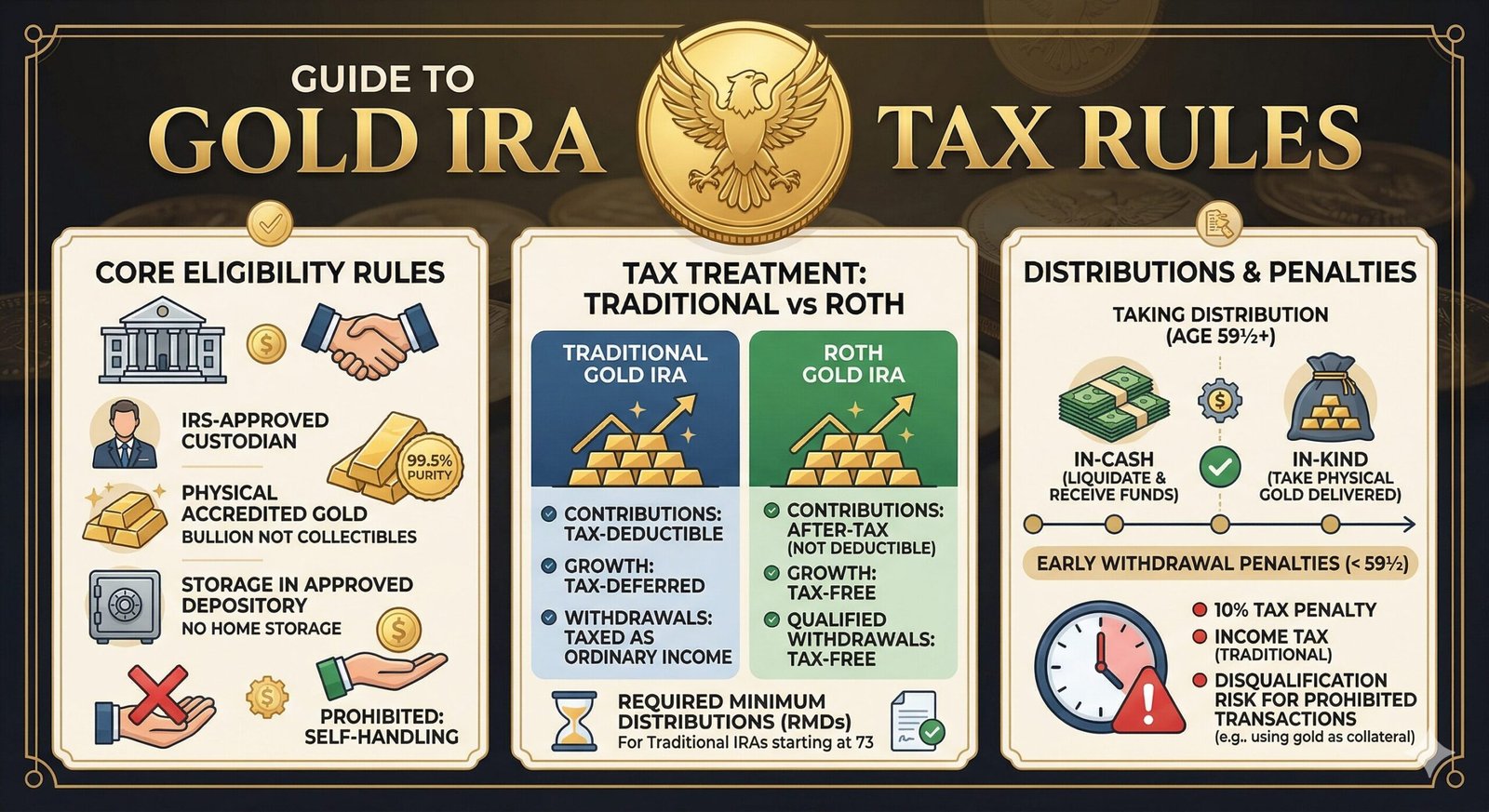
Tax and Regulatory Considerations
Tax treatment of physical gold varies by jurisdiction. Capital gains taxes may apply upon sale, and reporting requirements can differ based on transaction size and method.
Investors should understand local tax rules and documentation requirements before purchasing gold, particularly for larger allocations.
Physical Gold’s Role in a Portfolio
Physical gold is best viewed as a strategic allocation rather than a trading instrument. It does not generate income and may underperform during periods of strong economic growth and rising real interest rates.
Its primary value lies in diversification, capital preservation, and protection against extreme monetary or financial outcomes. For many investors, physical gold serves as a foundation within a broader precious metals allocation.
Conclusion
Buying physical gold through bars, coins, and bullion products offers direct exposure to one of the world’s most enduring stores of value. Each product type carries distinct advantages and trade-offs related to cost, liquidity, storage, and flexibility.
By focusing on investment-grade products, reputable dealers, transparent pricing, and secure storage, investors can use physical gold effectively as part of a disciplined, long-term investment strategy.