
A gold IRA is a specialized retirement account that allows investors to hold physical gold within a tax-advantaged structure. Once a niche strategy, gold IRAs have attracted growing attention as investors reassess portfolio risk, inflation exposure, and long-term confidence in traditional financial assets.
Understanding what a gold IRA is, how it works, and why interest has increased is essential for evaluating whether it belongs in a retirement strategy.
What Is a Gold IRA?
A gold IRA is a type of self-directed individual retirement account that permits investment in physical precious metals rather than conventional securities. While standard IRAs typically hold stocks, bonds, or mutual funds, a gold IRA holds tangible assets such as gold bars or approved bullion coins.
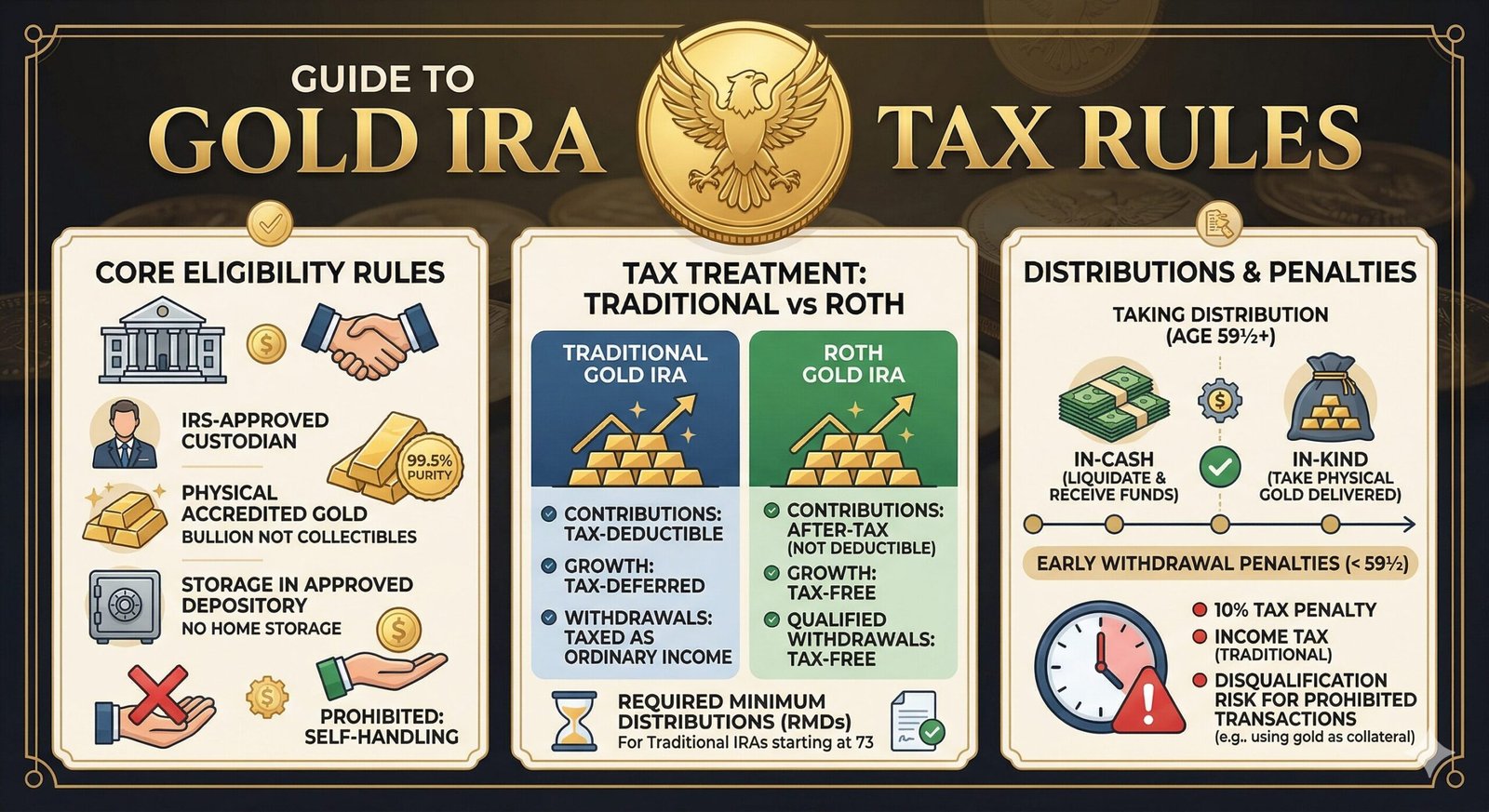
The account operates under the same tax framework as traditional or Roth IRAs. Contributions, rollovers, withdrawals, and penalties follow established retirement account rules. The distinction lies in asset eligibility and custody requirements.
Gold held in an IRA must meet specific purity standards and must be stored with an approved custodian in a qualified depository. Personal possession of the metal is not permitted while it remains within the account.
How Gold IRAs Work
Gold IRAs involve a structured process designed to maintain regulatory compliance and preserve tax advantages.
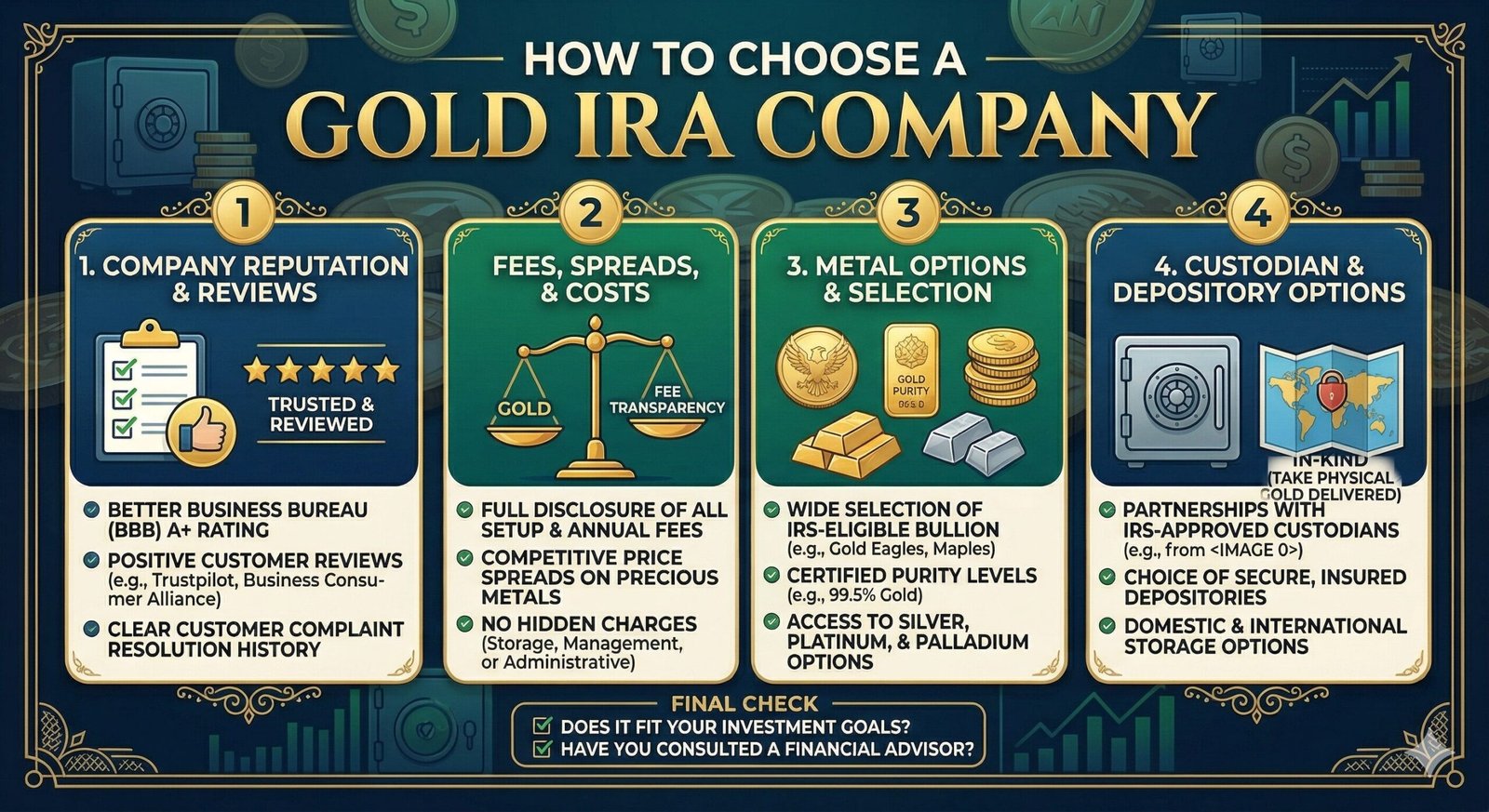
First, the investor opens a self-directed IRA with a qualified custodian. The custodian administers the account, ensures compliance with IRS rules, and facilitates transactions.
Next, the account is funded, either through annual contributions or by rolling over or transferring assets from an existing retirement account. Once funded, the investor selects eligible gold products through approved dealers.
The gold is then delivered directly to an authorized depository for storage. The account holder retains beneficial ownership, but the custodian and depository maintain physical control.
This structure distinguishes gold IRAs from personal gold ownership and ensures that the account remains compliant with retirement regulations.
Why Investors Are Turning to Gold IRAs
Several structural and macroeconomic factors have contributed to renewed interest in gold IRAs.
Concerns About Inflation and Purchasing Power
Persistent inflation pressures have renewed investor focus on assets that may preserve purchasing power over long periods. While gold does not track inflation precisely, it has historically maintained real value across monetary cycles.
Portfolio Diversification
Many investors remain heavily allocated to stocks and bonds, which can become increasingly correlated during periods of market stress. Gold offers diversification benefits due to its distinct drivers and low correlation with traditional financial assets in certain environments.
Monetary and Fiscal Uncertainty
Expanded central bank balance sheets, rising sovereign debt, and unconventional monetary policy have altered perceptions of long-term financial stability. Gold’s independence from monetary policy and lack of counterparty risk appeal to investors seeking to hedge systemic risk.
Retirement Risk Management
As investors approach retirement, preserving capital and reducing volatility often becomes more important than maximizing returns. Gold IRAs allow investors to integrate gold into retirement portfolios within a regulated, tax-advantaged framework.
These factors have combined to increase demand for gold-based retirement strategies.
Eligible Gold and Regulatory Requirements
Not all gold products qualify for inclusion in a gold IRA. Eligible gold must meet minimum purity standards, generally 99.5%, and must be produced by approved mints or refiners.
Collectible and numismatic coins are excluded, regardless of gold content. The regulatory framework is designed to ensure that retirement accounts hold standardized, investment-grade assets.
Strict rules govern storage, reporting, and transactions. Violations, such as taking personal possession or using ineligible products, can trigger taxes and penalties.
Costs and Practical Considerations
Gold IRAs typically involve higher costs than traditional retirement accounts. Investors may encounter setup fees, annual custodial charges, storage fees, and transaction costs when buying or selling metals.
Because gold does not generate income, these ongoing expenses must be justified by the diversification and risk management benefits the asset provides.
Liquidity is also more limited than in conventional IRAs. Transactions involving physical metal can take longer to execute, and distributions require additional planning.
Risks and Limitations
While gold IRAs offer diversification, they are not risk-free. Gold prices can be volatile, and prolonged periods of underperformance are possible.
Gold IRAs also introduce operational and regulatory risk. Investors rely on custodians, dealers, and depositories to execute transactions correctly and maintain compliance.
Overconcentration is another concern. Allocating too much of a retirement portfolio to gold can limit growth potential, particularly in strong economic environments.
Who Might Consider a Gold IRA?
Gold IRAs may be appropriate for long-term investors who:
- Seek diversification beyond traditional securities
- Are concerned about inflation, currency stability, or systemic risk
- Have existing retirement assets and want to rebalance exposure
- Are willing to accept higher costs and complexity
They are generally less suitable for investors seeking short-term returns or frequent trading.
Conclusion
A gold IRA is a regulated way to hold physical gold within a retirement account, combining gold’s diversification characteristics with the tax advantages of traditional retirement structures.
Investors are turning to gold IRAs not as a replacement for stocks and bonds, but as a complementary tool for managing long-term risk. When used thoughtfully and in moderation, gold IRAs can enhance portfolio resilience in an increasingly uncertain financial environment.