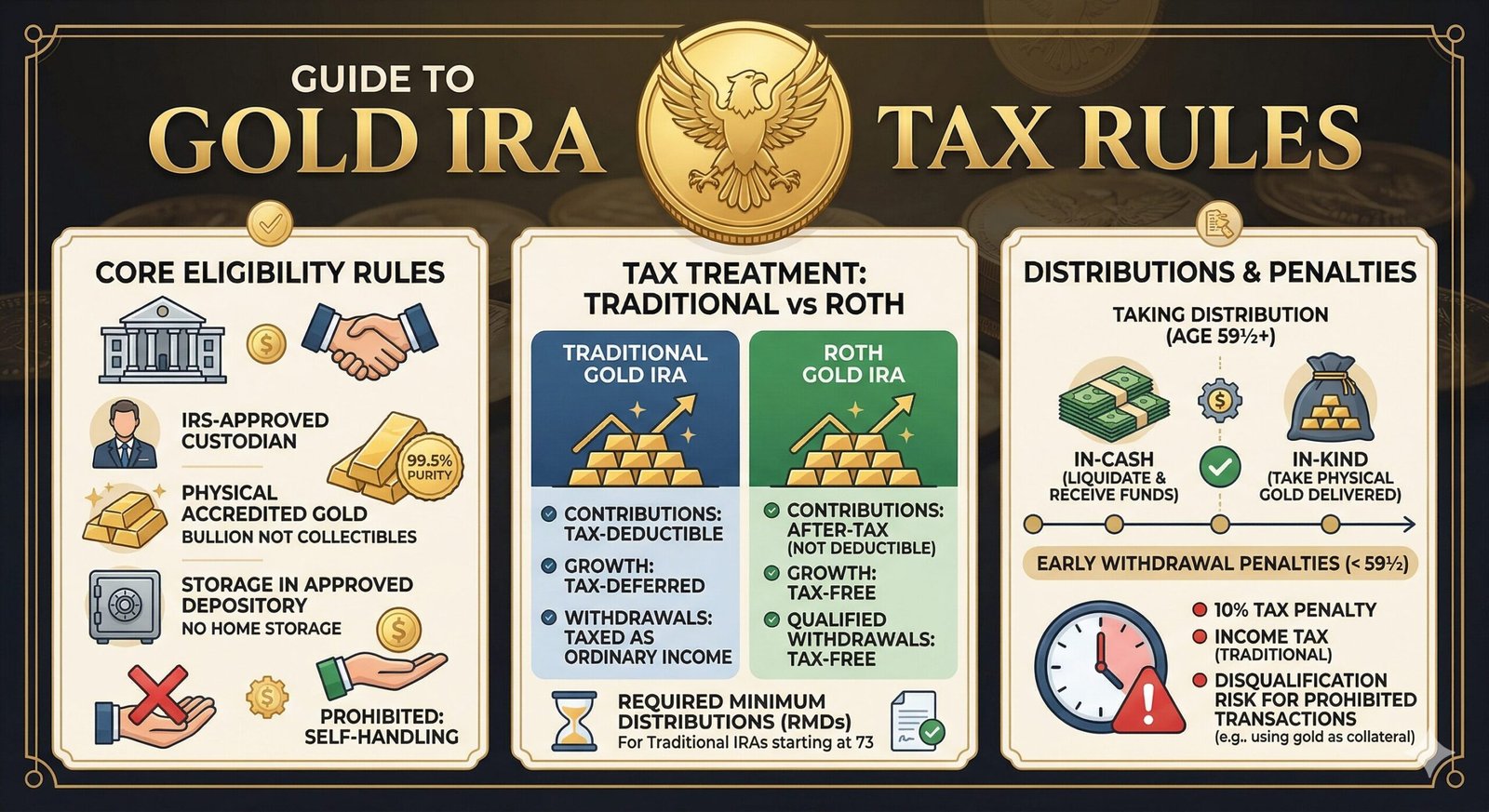

Store physical gold safely is a critical consideration when investing in physical gold. To store physical gold safely, secure handling, protection against theft or damage, and appropriate documentation are essential. This guide outlines the primary storage options available to investors and the key factors to evaluate when choosing between them to store physical gold safely.
Why Gold Storage Matters
Physical gold derives part of its value from the absence of counterparty risk. That benefit can be compromised if storage is inadequate. Poor storage increases exposure to theft, loss, damage, or insurance gaps, all of which can undermine gold’s role as a wealth-preservation asset.
Storage decisions should align with the size of the holding, intended holding period, liquidity needs, and personal risk tolerance.
When you store physical gold safely, you should consider the potential risks and benefits associated with different storage methods.
Storing Gold at Home
To store physical gold safely at home, it is advisable to keep it in a secure and hidden location.
Investors often choose to store physical gold safely in a high-quality safe designed for valuable items.
For those looking to store physical gold safely, specialized insurance is recommended to cover precious metals.
Home storage provides direct access and full personal control over the asset. For smaller holdings, this approach may be practical, but it requires careful planning.
Security Considerations
Gold stored at home should be kept in a high-quality safe that is securely anchored and discreetly located. Visibility and disclosure should be minimized. Relying solely on hiding places is generally insufficient for meaningful amounts of gold.
Insurance
Standard homeowner insurance policies often provide limited or no coverage for precious metals. Investors may need to arrange specialized insurance or riders to ensure adequate protection. Coverage limits, exclusions, and documentation requirements should be reviewed carefully.
Advantages and Limitations
Home storage eliminates third-party risk and ongoing storage fees. However, it concentrates risk in a single location and places full responsibility for security and insurance on the investor.
Using Bank Safe Deposit Boxes
Many investors prefer to store physical gold safely in professional vaults due to the enhanced security.
Bank safe deposit boxes offer a higher level of physical security than most home storage solutions. They are typically located within secured vaults and benefit from institutional safeguards.
Access and Availability
Access is limited to bank operating hours and may be restricted during financial disruptions or bank closures. This can reduce liquidity in extreme scenarios.
Using professional vaults to store physical gold safely can provide peace of mind and security against potential risks.
Investors may choose to store physical gold safely in areas with lower political risk to mitigate potential issues.
Insurance Coverage
Contents of safe deposit boxes are usually not insured by the bank. Separate insurance coverage is often required, and investors should confirm policy terms and valuation requirements.
Professional Vault Storage
Third-party vaulting services specialize in precious metals storage and are commonly used by high-net-worth individuals and institutional investors.
Allocated vs. Unallocated Storage
Allocated storage means specific bars or coins are held in the investor’s name and segregated from other holdings. Unallocated storage represents a claim on a pooled inventory and carries additional counterparty risk. For long-term investors, allocated storage is generally preferred.
Security and Insurance
Professional vaults typically offer high-grade security, auditing, and comprehensive insurance coverage. Storage fees are usually charged annually and vary based on location, value, and service level.
Geographic Considerations
Some investors choose to store gold outside their home country to diversify political or jurisdictional risk. This adds complexity but may align with broader risk management strategies.
Choosing the Right Storage Option
Achieving the goal to store physical gold safely requires careful planning and consideration of various options.
How to Store Physical Gold Safely
No single storage solution is appropriate for all investors. Smaller holdings may justify home storage, while larger allocations often warrant professional vaulting. Liquidity needs, trust in institutions, cost sensitivity, and risk perception all play a role in the decision.
Diversifying storage across multiple locations or methods can also reduce concentration risk, particularly for substantial holdings.
Documentation and Record-Keeping
Regardless of storage method, investors should maintain detailed records, including purchase receipts, serial numbers for bars, storage agreements, and insurance policies. Proper documentation supports resale, insurance claims, and estate planning.
Final Considerations
Secure storage is an integral part of physical gold investing. The goal is not only to protect against theft or loss, but to preserve gold’s function as a reliable, long-term store of value. A disciplined approach to storage, matched to the size and purpose of the investment, is essential to achieving that objective.