
How to Roll Over a 403(b) to a Gold IRA
Rolling over your 403(b) retirement account to a Gold IRA represents a significant financial decision that requires careful consideration and proper execution. This comprehensive guide walks you through the process of transferring funds from your employer-sponsored 403(b) plan into a self-directed IRA that allows precious metals investments.
The 403(b) to Gold IRA rollover process involves moving retirement funds from a traditional employer plan into a specialized Individual Retirement Account that permits investment in physical gold, silver, and other approved precious metals. Understanding this process helps you make informed decisions about your retirement savings strategy.
Understanding 403(b) Plans and Gold IRAs
A 403(b) plan, also known as a Tax-Sheltered Annuity (TSA), serves employees of public schools, certain non-profit organizations, and ministers. These employer-sponsored retirement accounts typically offer limited investment options, usually consisting of mutual funds, annuities, or other conventional securities.
In contrast, what a Gold IRA is involves a self-directed Individual Retirement Account that permits investment in physical precious metals alongside traditional assets. This account type provides greater investment flexibility while maintaining the same tax-advantaged status as traditional retirement accounts.
The fundamental difference lies in investment options and control. While 403(b) plans limit participants to employer-selected investment choices, Gold IRAs allow account holders to direct their investments into IRA-eligible gold coins and other approved precious metals.
Eligibility Requirements for 403(b) to Gold IRA Rollovers
Several conditions determine your eligibility to execute a 403(b) to Gold IRA rollover. Employment status plays a crucial role in this determination, as does your specific plan’s provisions.
Current employees typically face restrictions on 403(b) rollovers unless they meet specific criteria. Most plans allow rollovers only upon separation from service, reaching age 59½, or experiencing qualifying financial hardship. Some plans permit partial rollovers while still employed, but this varies significantly by employer.
Former employees generally enjoy greater flexibility in rolling over their 403(b) funds. Once you’ve left your employer, you typically have broader options for moving your retirement savings, including the ability to roll over the entire account balance to a Gold IRA.
Age considerations also affect rollover eligibility. Participants who reach age 59½ may have access to in-service distributions, potentially allowing rollovers while still employed. However, specific plan provisions ultimately determine available options.
The IRS Publication 590-A provides detailed information about rollover eligibility requirements and restrictions that apply to various retirement account types.
Types of 403(b) to Gold IRA Rollovers
Understanding the different rollover methods helps you choose the most appropriate approach for your situation. Two primary types exist: direct rollovers and indirect rollovers, each with distinct procedures and implications.
Direct rollovers involve transferring funds directly from your 403(b) plan administrator to your Gold IRA custodian without the money passing through your hands. This method eliminates the risk of triggering taxes or penalties and represents the preferred approach for most rollover situations.
Indirect rollovers require you to receive the funds from your 403(b) plan and subsequently deposit them into your Gold IRA within 60 days. While this approach provides temporary access to your retirement funds, it carries significant risks and limitations that make direct rollovers more attractive.
The trustee-to-trustee transfer represents a specific type of direct rollover where financial institutions handle the entire transaction. This method provides the highest level of security and simplicity for account holders seeking to move their retirement savings.
Step-by-Step Rollover Process
Executing a successful 403(b) to Gold IRA rollover requires following a systematic approach. This process typically takes several weeks to complete and involves coordination between multiple financial institutions.
Begin by researching and selecting a reputable Gold IRA custodian. This decision significantly impacts your rollover experience and ongoing account management. Look for custodians with strong regulatory compliance records, transparent fee structures, and positive customer service ratings. The FINRA BrokerCheck database helps verify custodian credentials and regulatory standing.
Contact your 403(b) plan administrator to understand your specific plan’s rollover procedures and requirements. Request rollover paperwork and clarify any restrictions or waiting periods that may apply to your situation. Some plans require specific forms or documentation before processing rollover requests.
Open your Gold IRA account with your chosen custodian. This process involves completing application paperwork, providing identification documents, and selecting your initial investment preferences. Many custodians offer online account opening procedures that streamline this step.
Coordinate the fund transfer between your 403(b) administrator and Gold IRA custodian. For direct rollovers, your Gold IRA custodian typically handles much of this coordination, but staying informed about the process ensures smooth completion.
Once funds arrive in your Gold IRA, work with your custodian to execute your precious metals purchases. This step involves selecting specific IRA-eligible gold coins or other approved metals based on your investment objectives and risk tolerance.
Tax Implications and Considerations
The tax treatment of your 403(b) to Gold IRA rollover depends largely on the account types involved and the rollover method you choose. Understanding these implications helps you avoid unexpected tax consequences.
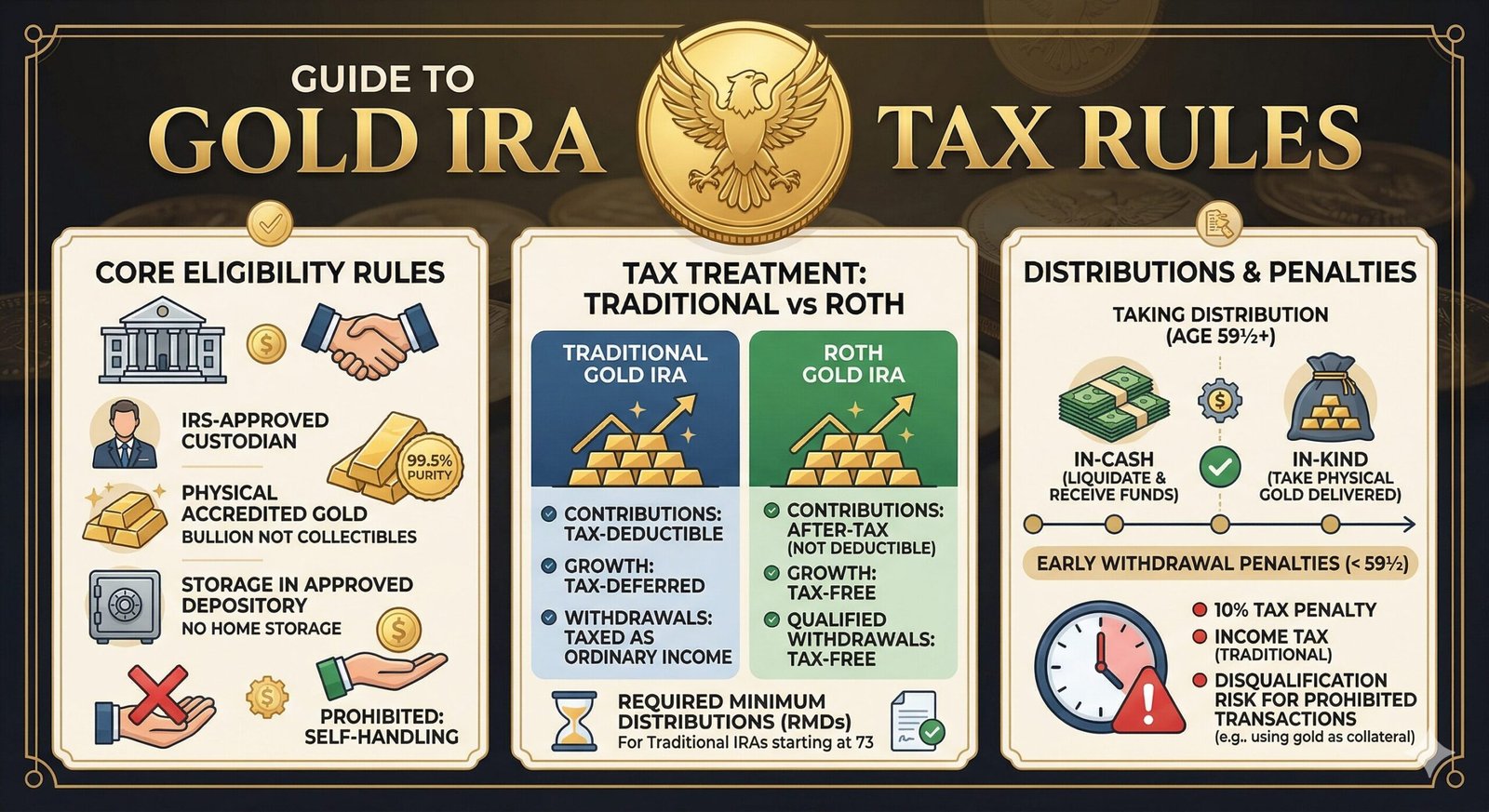
Rolling over from a traditional 403(b) to a traditional Gold IRA typically occurs without immediate tax consequences when executed properly. The funds maintain their tax-deferred status, meaning you’ll pay taxes when you eventually take distributions during retirement.
Roth 403(b) to Roth Gold IRA rollovers also preserve the tax-free growth characteristics of your original account. Since you’ve already paid taxes on Roth contributions, qualifying distributions from your Roth Gold IRA will remain tax-free.
Converting traditional 403(b) funds to a Roth Gold IRA triggers immediate tax liability on the converted amount. This strategy may benefit individuals expecting higher tax rates in retirement or those seeking to eliminate future required minimum distributions.
The IRS retirement plan FAQ provides comprehensive information about rollover tax treatment and reporting requirements that apply to different account types and rollover scenarios.
Indirect rollovers carry additional tax risks, including mandatory 20% withholding on distributed funds and potential penalties if you fail to complete the rollover within 60 days. These complications make direct rollovers the preferred choice for most situations.
Required Minimum Distributions and Gold IRAs
Understanding required minimum distribution (RMD) rules helps you plan for future account management responsibilities. These mandatory withdrawals begin at age 73 for traditional retirement accounts, including Gold IRAs funded through 403(b) rollovers.
Gold IRA RMDs require special consideration because you cannot typically take distributions in physical metals. Instead, you’ll need to sell precious metals holdings to generate cash for required distributions. This process involves working with your custodian to liquidate metals and distribute cash proceeds.
Planning for RMDs involves considering the liquidity of your precious metals holdings and potential timing issues around metal sales. Some account holders maintain a portion of their Gold IRA in cash or other liquid assets to facilitate easier RMD compliance.
The IRS RMD FAQ outlines specific calculation methods and distribution requirements that apply to all traditional IRA accounts, including those holding precious metals.
Roth Gold IRAs funded through converted 403(b) assets do not require minimum distributions during the account holder’s lifetime, providing additional flexibility for estate planning and long-term wealth preservation strategies.
Common Challenges and Solutions
Several challenges commonly arise during 403(b) to Gold IRA rollovers. Understanding these potential obstacles helps you prepare for and overcome difficulties that might otherwise delay or complicate your rollover process.
Plan administrator delays represent one of the most frequent challenges. Some 403(b) administrators process rollover requests slowly or require extensive documentation before releasing funds. Starting the process early and maintaining regular communication with your plan administrator helps minimize these delays.
Custodian coordination issues can arise when your 403(b) administrator and Gold IRA custodian use different procedures or systems. Working with experienced custodians familiar with various plan types reduces these coordination challenges.
Documentation requirements vary significantly between different 403(b) plans and Gold IRA custodians. Ensuring you have all necessary paperwork completed accurately prevents processing delays and potential rollover failures.
Our Gold IRA rollover rules guide provides detailed information about regulatory requirements and best practices that help ensure successful rollover completion.
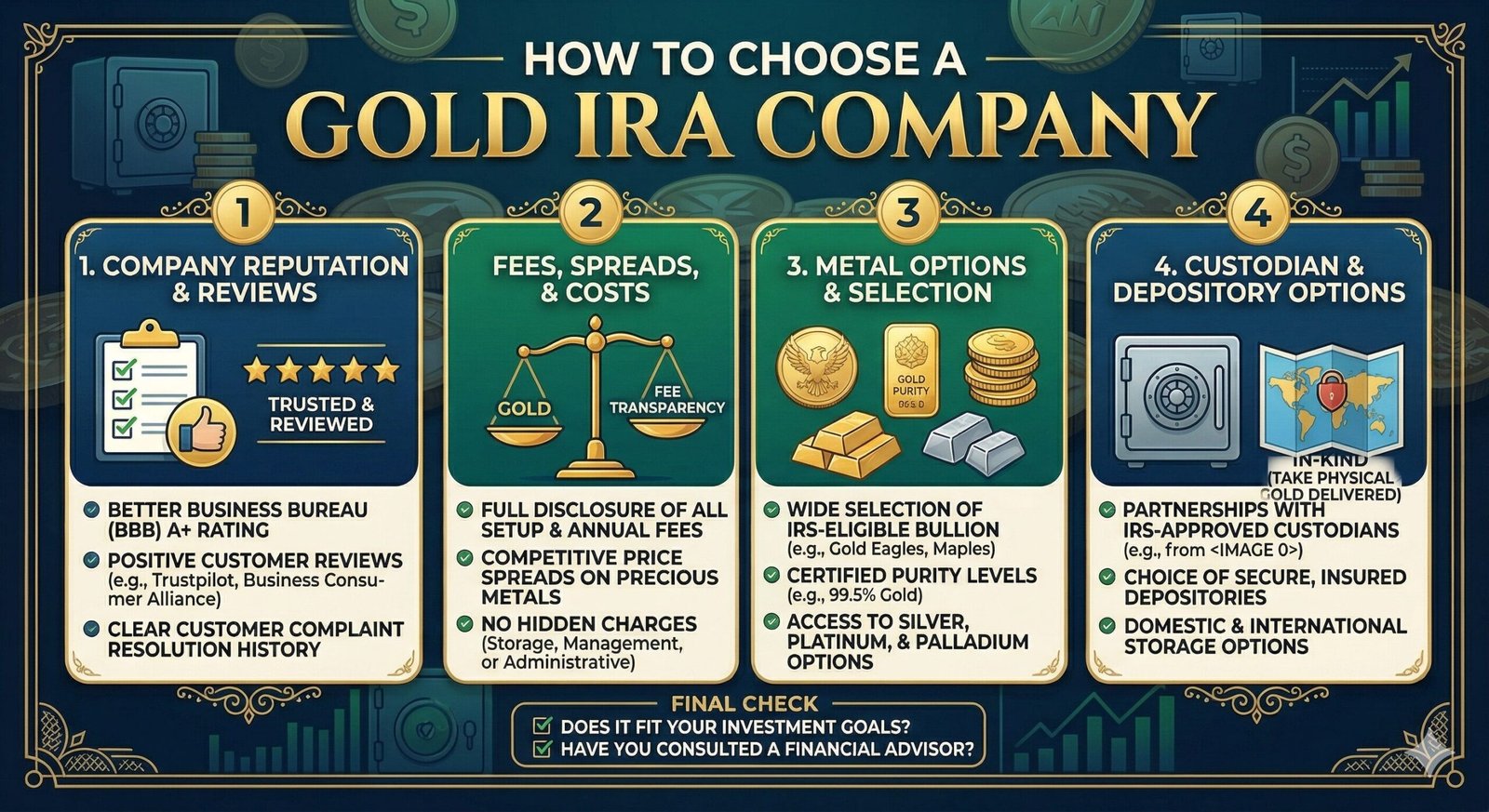
Choosing the Right Gold IRA Company
Selecting an appropriate Gold IRA company significantly impacts your rollover experience and ongoing account management. Several key factors deserve consideration when evaluating potential custodians and dealers.
Regulatory compliance represents the foundation of any reputable Gold IRA company. Verify that your chosen company maintains proper licensing and regulatory standing with relevant authorities. The bbb.org database provides insight into company complaint histories and resolution practices.
Fee transparency helps you understand the total cost of your Gold IRA investment. Compare setup fees, annual maintenance charges, storage costs, and transaction fees across multiple companies. Our Gold IRA fees guide explains common fee structures and helps you evaluate total ownership costs.
Customer service quality affects your ongoing experience with your Gold IRA investment. Research company reviews, test responsiveness during the initial consultation process, and evaluate the expertise of company representatives.
Storage and insurance arrangements ensure the security of your precious metals investments. Verify that your chosen company uses IRS-approved depositories and maintains appropriate insurance coverage for stored metals.
Monitoring Your Gold IRA Investment
Once you’ve completed your 403(b) to Gold IRA rollover, ongoing monitoring ensures your account continues meeting your retirement planning objectives. This involves regular review of account performance, fees, and market conditions.
Account statements provide regular updates on your precious metals holdings, including quantity, type, and current market values. Review these statements carefully to ensure accuracy and track changes in your account value over time.
Market awareness helps you understand factors affecting precious metals prices, though predicting price movements remains impossible. Stay informed about economic conditions, monetary policy changes, and geopolitical events that historically influence precious metals markets.
Rebalancing considerations may arise as your retirement timeline approaches or your financial situation changes. Work with qualified financial advisors to evaluate whether your current Gold IRA allocation continues supporting your overall retirement strategy.
Storage and insurance verification ensures your precious metals remain properly secured and insured throughout your ownership period. Periodically confirm that your custodian maintains appropriate storage arrangements and insurance coverage.
FAQ
Can I roll over my entire 403(b) balance to a Gold IRA?
Yes, you can typically roll over your entire 403(b) balance to a Gold IRA, provided you meet eligibility requirements such as separation from service or reaching age 59½. However, you’re not required to invest the entire rollover amount in precious metals – Gold IRAs can hold various IRA-eligible assets alongside gold and silver.
How long does a 403(b) to Gold IRA rollover take to complete?
The rollover process typically takes 2-8 weeks to complete, depending on your 403(b) plan administrator’s processing speed and the efficiency of your chosen Gold IRA custodian. Direct rollovers generally take longer than indirect rollovers but offer greater security and tax advantages.
What happens if I miss the 60-day deadline for an indirect rollover?
Missing the 60-day deadline for an indirect rollover typically results in the distributed amount being treated as taxable income, plus a 10% early withdrawal penalty if you’re under age 59½. The IRS rarely grants extensions for missed deadlines, making direct rollovers the preferred method.
Do I need to pay taxes immediately when rolling over my 403(b) to a Gold IRA?
Traditional 403(b) to traditional Gold IRA rollovers executed properly typically do not trigger immediate taxes. However, converting traditional 403(b) funds to a Roth Gold IRA creates immediate tax liability on the converted amount. Always consult with a tax professional before making rollover decisions.
Can I continue contributing to my Gold IRA after the rollover?
Yes, you can continue making annual IRA contributions to your Gold IRA after completing the rollover, subject to IRS contribution limits and income restrictions. These contributions are separate from your rollover funds and follow standard IRA contribution rules.
Understanding the 403(b) to Gold IRA rollover process empowers you to make informed decisions about your retirement savings strategy. While the process requires careful attention to details and regulatory requirements, successful completion can provide greater investment flexibility and control over your retirement funds.
For comprehensive comparisons of Gold IRA companies and their rollover services, explore our Best Gold IRA Companies of 2026 guide to find the right partner for your precious metals investment journey.
This article is for informational purposes only and does not constitute financial or tax advice. Investing in precious metals involves risk including possible loss of principal.
Related guides
- Gold IRA Consumer Affairs Reviews: What to Look For
- Gold IRA Trustpilot Reviews: What Real Customers Say
- Gold IRA BBB Complaints: What Consumer Reports Reveal
- Is a Gold IRA Worth the Fees? A Cost-Benefit Analysis
- Are Gold IRA Fees Too High? Breaking Down the Real Costs
- Gold IRA Mistakes to Avoid: 10 Common Errors Investors Make