Gold price forecast over a multi-year horizon involves a high degree of uncertainty. Gold is influenced by a complex interaction of macroeconomic variables, monetary policy decisions, geopolitical developments, and investor behavior. Rather than relying on precise price targets, most professional forecasts focus on structural drivers and scenario-based outcomes.
The gold price forecast is influenced by various factors, and understanding these dynamics is essential for investors.
Analysts offer diverse insights into the gold price forecast as we approach the latter half of the decade.
Looking toward 2025–2030, expert views on gold broadly center on whether the global economy is entering a period of higher inflation volatility, structurally lower real interest rates, and increased geopolitical fragmentation. These factors, more than short-term market fluctuations, are expected to shape gold’s long-term trajectory.
Understanding the gold price forecast is crucial for making informed investment decisions.
The gold price forecast highlights the challenges of predicting future prices.
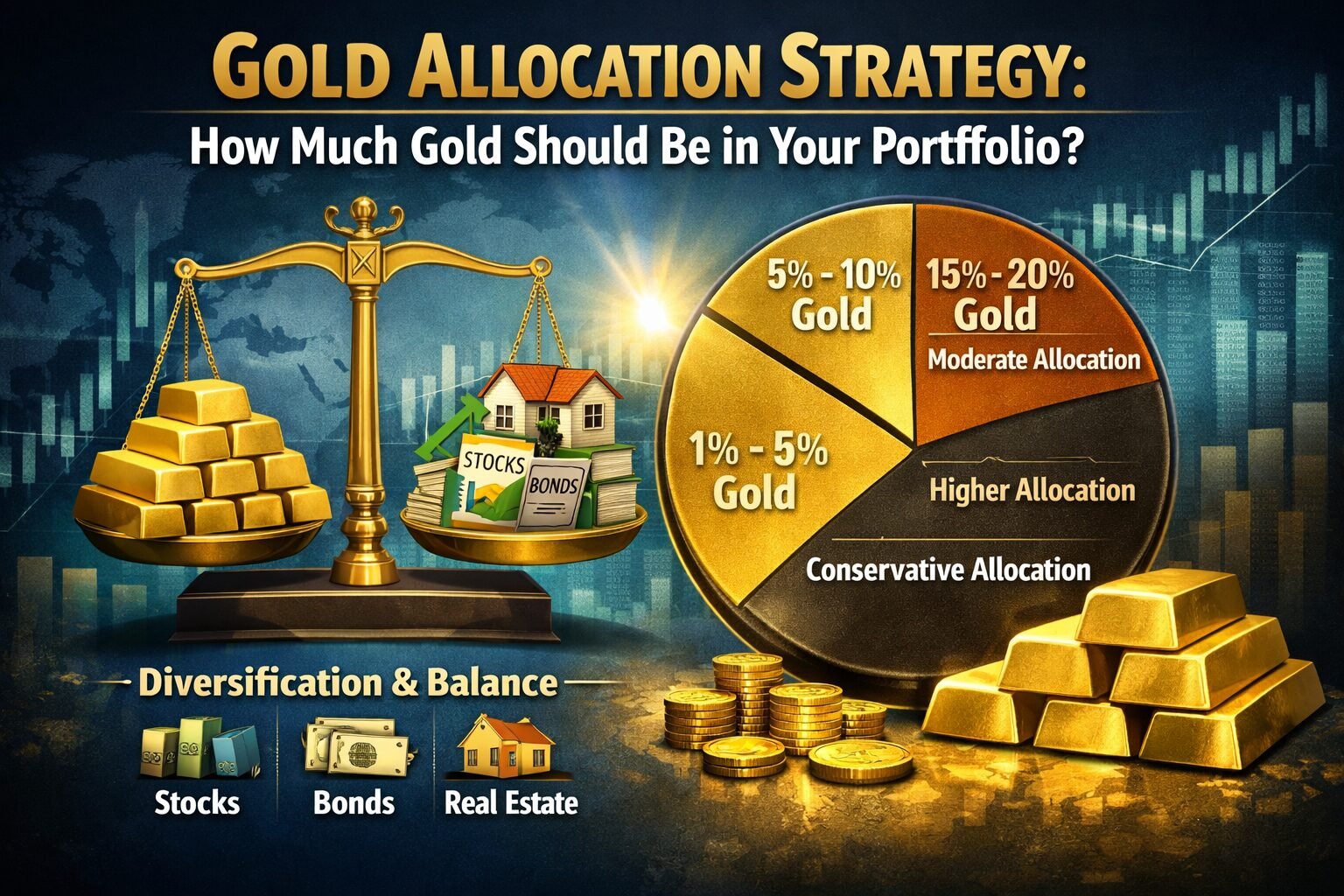
Investors should consider the implications of the gold price forecast when allocating their portfolios.
The Limits of Long-Term Price Forecasting
Gold Price Forecast: Understanding the Factors at Play
Gold does not generate cash flow, earnings, or yield, making traditional valuation models less applicable. Unlike equities or bonds, gold’s price cannot be discounted from future income streams. As a result, long-term forecasts tend to be conditional rather than deterministic.
Most analysts emphasize that gold price projections should be understood as directional assessments tied to macroeconomic assumptions, not as precise predictions. Changes in monetary policy, inflation dynamics, or financial stability can materially alter outcomes over relatively short periods.
The gold price forecast suggests that long-term trends are more important than short-term fluctuations.
For the 2025–2030 period, the range of plausible outcomes remains wide.
Understanding inflation dynamics is key to interpreting the gold price forecast.
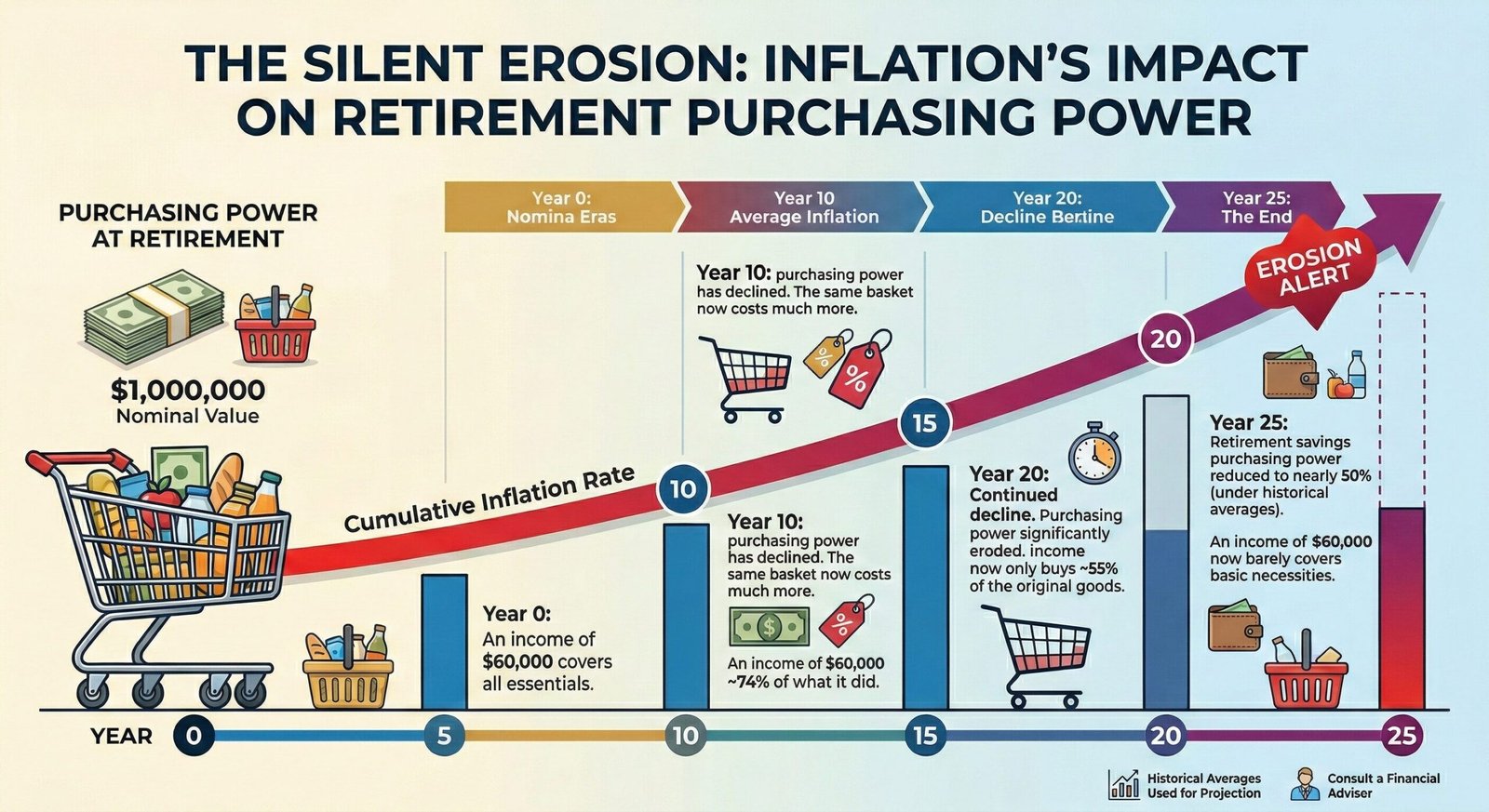
Many investors look to the gold price forecast when assessing inflation risks.
Monetary Policy and the Outlook for Real Interest Rates
One of the most important variables in gold forecasting is the path of real interest rates. Gold has historically performed best when real yields are low or negative, reducing the opportunity cost of holding a non-yielding asset.
Many economists expect structural forces to limit how high real interest rates can rise over the long term. High sovereign debt levels, demographic pressures, and financial system sensitivity to higher rates may constrain central banks’ ability to maintain restrictive policy for extended periods.
If inflation remains structurally higher than in the pre-2020 era, even modest nominal rates could result in subdued or negative real yields. Under such conditions, expert consensus generally views gold as well-supported over the medium to long term.
Conversely, a sustained period of positive real yields, driven by credible inflation control and fiscal discipline, would present a less favorable environment for gold.
Inflation Volatility and Currency Confidence
While headline inflation may fluctuate, many analysts anticipate greater inflation volatility over the coming decade compared with the low and stable inflation environment that prevailed for much of the 1990s and 2000s.
Supply chain reconfiguration, energy transition costs, labor market dynamics, and geopolitical disruptions all introduce potential inflationary pressures. Even if average inflation moderates, periodic spikes could erode confidence in fiat currencies and reinforce demand for gold as a store of value.
Gold does not require persistent high inflation to perform well. It tends to benefit more from uncertainty about inflation outcomes and concerns about policymakers’ ability to maintain long-term price stability.
From 2025 to 2030, experts generally view gold as a hedge against inflation risk rather than a direct bet on sustained high inflation.
Fiscal Sustainability and Sovereign Debt
Another key theme in long-term gold forecasts is fiscal sustainability. Government debt levels in many advanced economies have increased significantly, raising questions about long-term financing and monetary accommodation.
If fiscal pressures lead to financial repression, monetization of debt, or sustained currency debasement, gold could benefit as an asset independent of sovereign balance sheets.
Even absent a crisis, the need to manage high debt burdens may limit policymakers’ tolerance for high real interest rates. This dynamic supports the case for gold as a long-term portfolio diversifier.
Most expert outlooks do not assume an imminent sovereign debt crisis, but they acknowledge that rising debt levels alter the long-term monetary landscape in ways that are structurally supportive for gold.
Central Bank Demand as a Structural Factor
Central bank accumulation has become a notable feature of the gold market and is widely expected to remain a long-term source of demand. Many official institutions continue to view gold as a strategic reserve asset that enhances diversification and reduces reliance on foreign currencies.
Forecasts for 2025–2030 generally assume that central bank demand remains positive, particularly among emerging market economies seeking to rebalance reserve portfolios. While central banks are not price-insensitive buyers, their steady accumulation provides a degree of structural support that was largely absent in earlier decades. Experts caution, however, that official sector demand alone is not sufficient to drive sustained price increases without supportive macro conditions.
Geopolitical Risk and Global Fragmentation
Geopolitical considerations feature prominently in long-term gold outlooks. Increasing strategic competition, trade fragmentation, and the use of financial sanctions have altered perceptions of risk within the global financial system.
Gold’s role as an asset without counterparty risk becomes more relevant in an environment where access to reserves and payment systems can be constrained by political factors.
Supply constraints are a crucial element of the gold price forecast for the upcoming years.
Analysts do not attempt to forecast specific geopolitical events, but many view elevated geopolitical risk as a persistent feature of the coming decade. This backdrop supports continued investor and official sector interest in gold as a form of financial insurance.
Gold’s sensitivity to geopolitical developments is often episodic, but sustained uncertainty can underpin longer-term demand.
Investment Demand and Portfolio Allocation Trends
From an investment perspective, gold’s outlook is closely tied to portfolio allocation decisions. Over the long term, even small changes in institutional allocations can have a meaningful impact on demand, given gold’s relatively limited supply growth.
In various scenarios, the gold price forecast remains a focal point of discussion among analysts.
Some experts anticipate a gradual reassessment of portfolio construction frameworks, particularly if traditional stock and bond correlations become less reliable. In such scenarios, gold may benefit from renewed interest as a diversifying asset.
However, gold also faces competition from other real assets and alternative investments. Its performance relative to these alternatives will influence whether investment demand expands or contracts over the forecast period.
Supply Dynamics and Production Constraints
On the supply side, gold production growth has been relatively modest. New discoveries have become rarer, and development timelines have lengthened. Rising costs, regulatory hurdles, and declining ore grades present challenges for future supply expansion.
The conclusion of any analysis will often refer back to the gold price forecast.
Investors must keep the gold price forecast in mind as they navigate market uncertainties.
The gold price forecast will shape investment strategies in the coming years.
Ultimately, the gold price forecast provides insight into potential future trends.
While higher prices can incentivize exploration and development, experts generally do not expect a surge in supply sufficient to materially alter the long-term balance.
Recycling provides some flexibility, but it tends to be price-sensitive and cyclical rather than a structural driver.
This constrained supply outlook is often cited as a supportive factor for gold over multi-year horizons.
Bull, Base, and Bear Scenarios
Rather than offering a single forecast, many analysts frame gold’s outlook in terms of scenarios.
In a more constructive scenario, characterized by lower real yields, ongoing central bank demand, elevated geopolitical risk, and persistent inflation uncertainty, gold could maintain a strong long-term uptrend.
A more neutral scenario assumes moderate growth, effective inflation control, and stable financial conditions. In this case, gold may deliver modest real returns and continue to function primarily as a diversification asset rather than a source of outsized gains.
A less favorable scenario would involve sustained positive real yields, strong currency confidence, and declining demand for defensive assets. Under these conditions, gold could underperform other asset classes for extended periods.
Most expert outlooks assign higher probability to the first two scenarios than to a prolonged return to the pre-2008 monetary environment.
Conclusion
Gold price forecasts for 2025–2030 are best understood as conditional assessments rather than precise predictions. The prevailing expert view suggests that structural forces—such as debt dynamics, monetary constraints, geopolitical risk, and central bank behavior—remain broadly supportive for gold over the long term.
Gold’s performance over this period will depend less on short-term market timing and more on whether real interest rates remain constrained and confidence in fiat currencies continues to face periodic challenges.
For investors, the outlook reinforces gold’s role as a strategic asset within a diversified portfolio, offering resilience against a range of macroeconomic risks rather than certainty of returns.