
Introduction
Investment strategies play a crucial role in wealth accumulation and preservation, especially in an increasingly volatile economic landscape. Understanding the diverse profiles of investors is essential to tailor approaches that align with individual goals and risk tolerance. This article explores various investment strategies catering to different investor segments, with a focus on integrating gold as an investment, and highlighting the advantages of gold as an investment. From pre-retirees to tech-savvy millennials, this comprehensive guide provides insights into optimizing investment strategies for successful wealth management, particularly through gold as an investment.
Understanding the Investor Landscape
Pre-Retirees and Retirees: Portfolio Diversification and Wealth Preservation
Pre-retirees and retirees often seek to preserve their wealth while ensuring their portfolios generate enough income to support their lifestyles. This demographic typically prioritizes lower-risk investments that offer stability. A diversified portfolio for this group often includes a blend of fixed-income securities, dividend-paying stocks, and substantial allocations to gold as an investment. Gold is particularly attractive due to its historical performance during economic downturns and its ability to serve as a hedge against inflation.
Investors in this category may consider various gold-based products, including gold ETFs and mutual funds, which provide exposure without the complexities of physical ownership. Additionally, investments in gold mining companies can offer both capital appreciation and dividends, making them appealing for income-focused retirees.
Moreover, gold as an investment has shown resilience in various market conditions, making it a preferred choice for those looking to secure their financial future. By incorporating gold as an investment in their portfolios, individuals can enhance their overall asset protection.
High-Net-Worth Individuals: Tangible Asset Allocation and Inflation Hedging
Investing in gold as an investment allows HNWIs to diversify their wealth and mitigate risks effectively. Gold as an investment is renowned for its ability to maintain value, particularly during economic uncertainties.
Consequently, gold as an investment can be an integral part of a balanced financial strategy. Those who prioritize gold as an investment often enjoy peace of mind knowing they possess a stable asset.
High-net-worth individuals (HNWIs) have a unique set of investment needs, often seeking to diversify their portfolios further to mitigate risks associated with market volatility and inflation. This group typically allocates a portion of their assets to tangible investments, including real estate and precious metals like gold. Gold acts as a safeguard against currency fluctuations and economic instability, allowing HNWIs to preserve their purchasing power.
Additionally, platforms that facilitate buying gold as an investment typically offer tools and resources to enhance the investor’s experience and understanding of market trends.
Furthermore, investors should be aware that gold as an investment can also provide long-term financial benefits by acting as a hedge against unforeseen economic challenges.
For HNWIs, investing in physical gold, such as bullion or coins, can provide intrinsic value and a sense of security. Additionally, these investors may explore alternative gold investments, such as private equity in gold mining operations, to capitalize on long-term growth while maintaining a hedge against inflation.
For conservative investors, gold as an investment is seen as a safe and reliable store of value, especially in times of uncertainty and market volatility.
Thus, prioritizing gold as an investment in their strategies can lead to more robust financial outcomes and better preparedness for potential crises.
Younger Tech-Savvy Investors: Modern Gold Platforms
Younger investors, particularly those who are tech-savvy, tend to seek modern and innovative investment platforms. These investors are often more inclined to explore digital assets and alternative investment vehicles. Gold investment platforms that offer cryptocurrency and blockchain-backed gold tokens have gained popularity among this demographic. These platforms facilitate easy access to gold investments with lower transaction fees and increased liquidity.
Incorporating gold as an investment into portfolios not only stabilizes returns but also reinforces the wealth preservation strategy.
Investors recognize that gold as an investment plays a significant role in asset allocation strategies to counterbalance portfolio risks.
Investors in this category may also engage in dollar-cost averaging strategies through automated savings apps that allow them to purchase gold incrementally. This approach helps mitigate the risks associated with market timing while fostering a habit of regular investment.
Understanding the benefits of using gold as an investment can empower investors to make informed decisions about their financial futures.
Ultimately, the choice to incorporate gold as an investment can lead to improved resilience against economic shifts.
Conservative ‘Doomsday Prepper’ Investors: Focus on Physical Gold
When comparing investment options, gold as an investment should always be considered for its unique benefits.
Investors who choose gold as an investment can benefit from both security and the potential for appreciation over time.
For conservative investors, particularly those aligned with the ‘doomsday prepper’ mindset, the focus often lies on physical gold as a means of securing tangible wealth. This investment philosophy is rooted in a belief that economic collapse or crisis could occur at any time, making physical assets essential for maintaining financial stability during turbulent times. These investors typically prioritize acquiring gold bullion, coins, and other tangible assets that can be stored securely.
To ensure a successful investment journey, understanding how to integrate gold as an investment in your portfolio is crucial.
Physical gold provides a sense of security that digital assets cannot match, as it is immune to hacking and financial system failures. As a result, conservative investors emphasize developing a well-planned strategy for buying, storing, and eventually liquidating their gold holdings when necessary.
The Role of Gold in Investment Portfolios
Focusing on gold as an investment allows for a more comprehensive approach to financial planning.
Assessing the impact of gold as an investment on your overall financial strategy is essential for long-term success.
Investors should also keep track of how gold as an investment evolves in response to market developments.
Benefits of Gold as a Hedge Against Inflation
In conclusion, the strategic importance of gold as an investment cannot be overstated, as it serves as both a hedge and a growth asset.
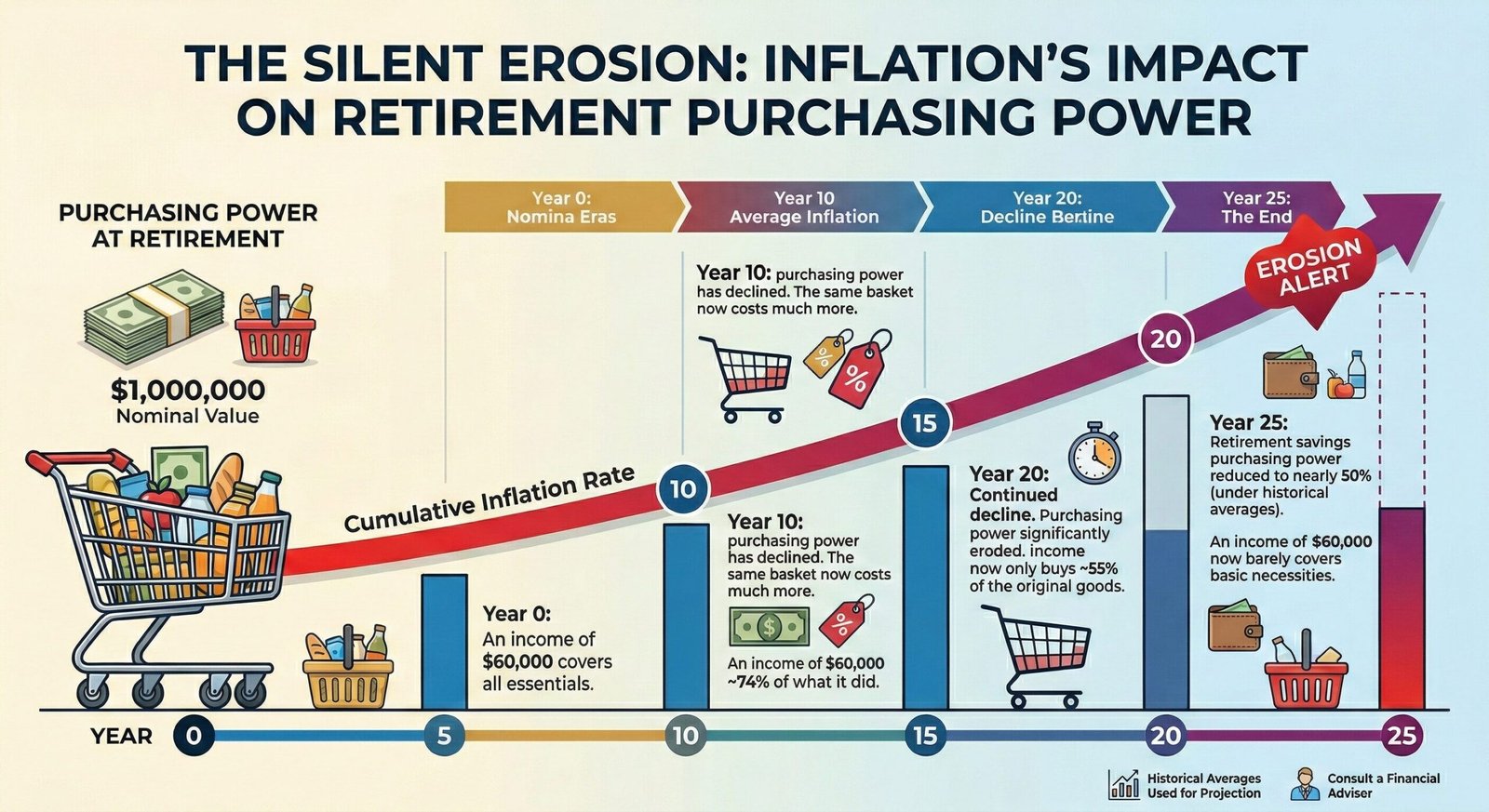
Gold has historically been viewed as a safe-haven asset, particularly during times of inflation. When fiat currencies lose purchasing power, gold typically retains its value, making it an effective hedge. As inflation rises, central banks may increase their money supply, leading to depreciating currencies. During such times, investors often flock to gold, driving its demand and price upward.
Finally, recognizing gold as an investment not only enriches an investor’s portfolio but also enhances their overall financial acumen.
Incorporating gold into an investment portfolio can help stabilize returns and provide a buffer against economic uncertainties. A well-balanced portfolio with a percentage allocated to gold can reduce overall volatility and enhance long-term returns, particularly in inflationary environments.
Evaluating Gold Investment Platforms: A JM Bullion Review
When considering gold investments, evaluating the platforms available for purchasing and trading gold is crucial. JM Bullion is one such platform that has garnered attention for its user-friendly interface and competitive pricing. It allows investors to buy a wide range of gold products, including coins, bars, and rounds, while also providing educational resources to help users make informed decisions.
JM Bullion offers various payment options, including credit cards, bank wire transfers, and cryptocurrencies, making it accessible for a diverse investor base. The platform’s commitment to secure transactions and reliable shipping ensures that investors can trust their purchases. Furthermore, the customer service team is available to assist with inquiries, enhancing user experience and satisfaction.
Comparing Traditional Gold Investments with Modern Alternatives
Traditional gold investments typically involve purchasing physical gold or gold-backed securities, such as ETFs. However, modern alternatives include digital gold platforms and cryptocurrency-based gold tokens. Each method has its advantages and disadvantages. Physical gold requires secure storage and insurance, while gold ETFs offer liquidity and ease of trading but lack the intrinsic value of tangible assets.
On the other hand, digital gold investments provide the convenience of fractional ownership and lower transaction costs but may expose investors to cybersecurity risks. Understanding the nuances of these investment vehicles is crucial for investors looking to create a diversified portfolio that meets their individual needs and preferences.
Strategies for Effective Portfolio Diversification
Identifying the Right Mix of Assets for Different Age Groups
One of the fundamental aspects of investment strategy is recognizing that different age groups have varying financial needs, risk tolerance, and investment horizons. Younger investors typically emphasize growth and capital appreciation, often favoring equities and emerging market investments. As individuals approach retirement, their focus shifts toward income generation and capital preservation, necessitating a more conservative portfolio mix.
For pre-retirees and retirees, a portfolio may include a higher percentage of bonds, dividend-paying stocks, and gold. In contrast, younger investors might allocate more to stocks and alternative investments, including tech-focused ETFs and cryptocurrencies, while still maintaining a small percentage in gold to hedge against market volatility.
Balancing Risk and Reward in Gold Investments
Balancing risk and reward is critical in any investment strategy. Gold investments can serve as a stabilizing force in an otherwise volatile portfolio. Investors should assess their risk tolerance before determining their allocation to gold. Conservative investors may opt for a higher allocation to physical gold and lower allocations to gold equities or ETFs, whereas more aggressive investors might explore gold stocks or gold-focused funds.
Regularly reviewing the performance of gold investments and adjusting allocations based on market conditions and personal financial goals is essential for maintaining an optimal risk-reward balance. This dynamic approach ensures that investors can adapt to changing economic environments without compromising their long-term financial objectives.
Conclusion: Tailoring Investment Approaches for Success
In summary, understanding the diverse profiles of investors is crucial for developing effective investment strategies. Each demographic—from pre-retirees seeking wealth preservation to younger tech-savvy investors exploring modern platforms—has unique needs and preferences. Gold plays a vital role as a tangible asset that can help hedge against inflation and market volatility, making it a valuable component of diversified portfolios.
As investors navigate their financial journeys, it is essential to evaluate their portfolio allocations continually and adapt investment strategies to fit their evolving circumstances. By embracing a thoughtful, informed approach to investing, individuals can better position themselves for long-term success in wealth accumulation and preservation.
FAQs
What is the best way to invest in gold? The best way to invest in gold depends on individual preferences. Options include purchasing physical gold, investing in gold ETFs, or using digital gold platforms.
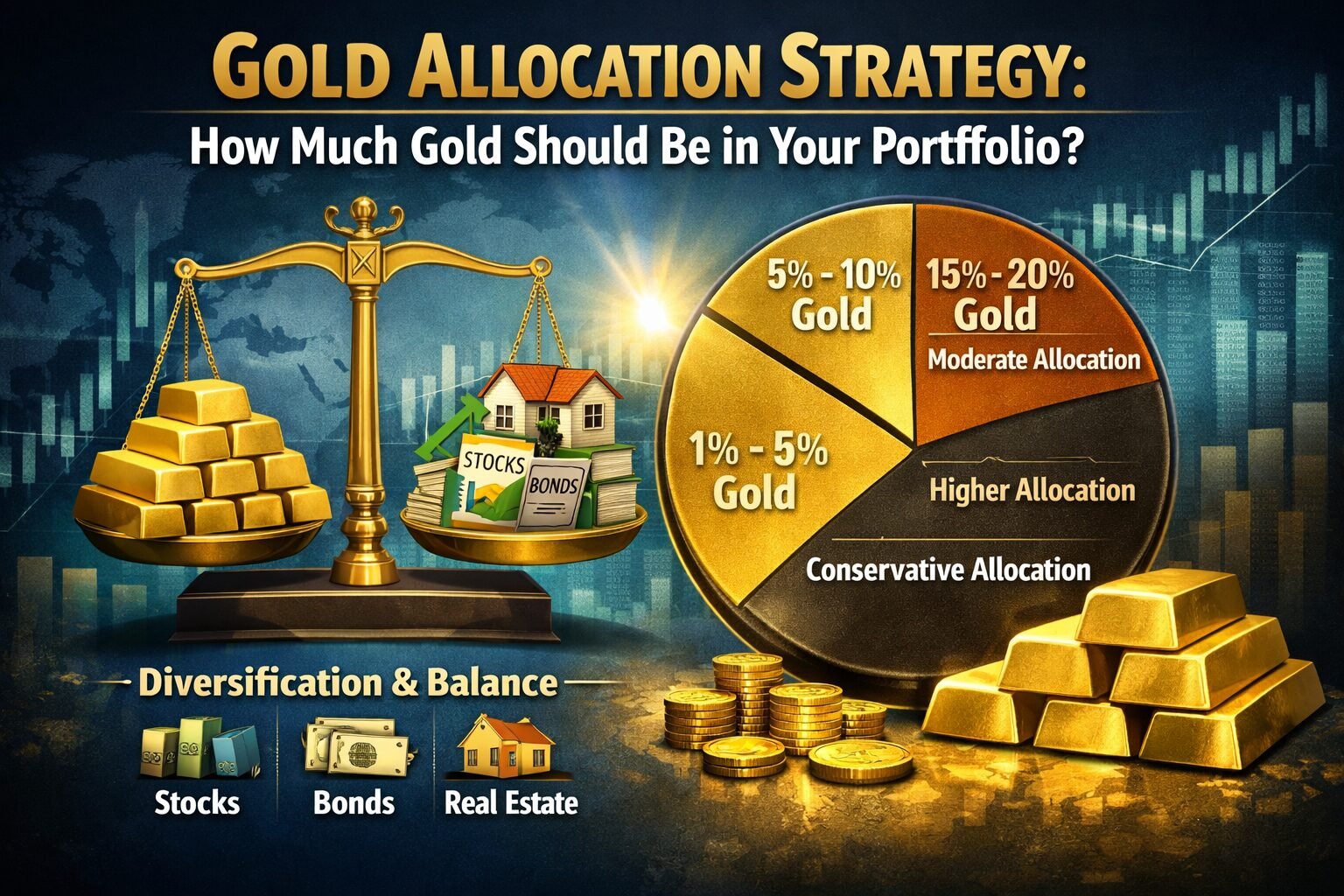
How much of my portfolio should be in gold? The appropriate allocation to gold varies by individual risk tolerance and financial goals. Generally, 5-10% of a diversified portfolio may be allocated to gold.
Is gold a good hedge against inflation? Yes, gold is traditionally viewed as a strong hedge against inflation, maintaining its value as currencies lose purchasing power.
What are the risks associated with investing in gold? Risks include price volatility, market fluctuations, and potential difficulties in liquidity when selling physical gold.
How does gold compare to stocks and bonds? Gold often serves as a stabilizing asset during market downturns, while stocks offer growth potential, and bonds provide income. A balanced portfolio typically includes a mix of these assets.