Complete guide to gold investing begins with understanding that gold has played a central role in the global financial system for thousands of years. Today, it remains a widely used investment asset, valued for its scarcity, durability, and function as a store of value. This guide provides a structured overview of gold investing, including its role in portfolios, primary investment methods, key drivers of price performance, risks, and strategic considerations.
Gold’s Role as an Investment Asset
Gold is distinct from traditional financial assets. It does not generate income, pay dividends, or produce cash flow. Its investment value is derived from price appreciation, purchasing power preservation, and its historical role as a monetary asset.
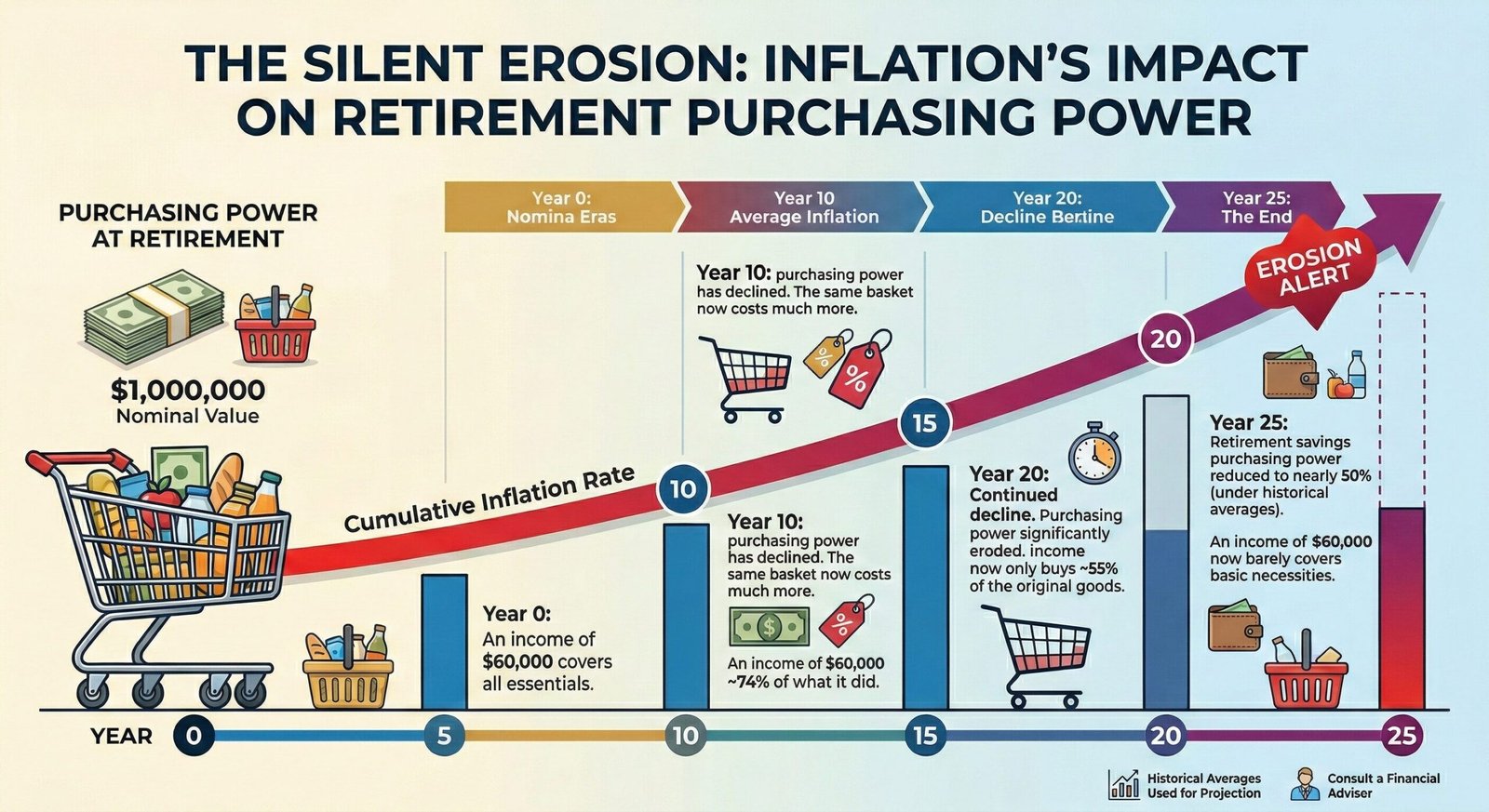
Investors typically allocate to gold for three primary reasons. First, gold has historically served as a hedge against inflation and currency debasement. Second, it often performs differently from equities and bonds, offering diversification benefits. Third, gold is viewed as a form of financial insurance during periods of systemic risk, geopolitical stress, or loss of confidence in monetary policy.
Gold’s performance tends to be influenced more by macroeconomic conditions than by company-specific or sector-specific fundamentals.
Primary Ways to Invest in Gold
Physical Gold
Physical gold includes bars, coins, and bullion products. This form of ownership provides direct exposure to gold without counterparty risk. Investors must consider storage, insurance, liquidity, and transaction costs. Physical gold is typically favored by long-term holders focused on wealth preservation rather than short-term trading.
Gold Exchange-Traded Funds (ETFs)
Gold ETFs provide exposure to gold prices through financial markets without the need for physical storage. These products are generally backed by allocated gold held in vaults and are designed to track the spot price of gold. ETFs offer high liquidity and ease of trading but introduce custodial and structural risks that do not exist with direct physical ownership.
Gold Mining Stocks
Gold mining equities represent ownership in companies that explore for, develop, and produce gold. These stocks offer leveraged exposure to gold prices, as company revenues and margins can expand more rapidly than the gold price itself during favorable market conditions. However, mining stocks also carry operational, geological, political, and management risks, and they often behave more like equities than gold during broader market selloffs.
Gold Mutual Funds and Mining ETFs
These funds hold diversified baskets of gold mining stocks. They reduce single-company risk but remain sensitive to equity market conditions, cost inflation, and operational challenges across the mining sector.
Gold Futures and Options
Derivatives provide leveraged exposure to gold price movements and are primarily used by professional traders and hedgers. These instruments involve significant risk, including volatility, margin requirements, and potential for rapid losses. They are generally unsuitable for long-term investors without specialized experience.
Key Drivers of Gold Prices
Interest Rates and Monetary Policy
Gold prices are closely linked to real interest rates. When real yields are low or negative, the opportunity cost of holding gold declines, often supporting higher prices. Tightening monetary policy and rising real yields can weigh on gold, while easing cycles tend to be supportive.
Inflation Expectations
Gold is commonly used as a hedge against inflation, particularly when inflation is perceived as persistent or unanchored. Gold tends to perform best when inflation rises faster than interest rates.
Currency Movements
Gold is priced globally in U.S. dollars. A weaker dollar typically supports higher gold prices, while a stronger dollar can act as a headwind. However, gold can rise alongside the dollar during periods of severe financial stress.
Geopolitical and Financial Risk
Periods of geopolitical instability, sovereign debt concerns, banking stress, or market dislocations often increase demand for gold as a safe-haven asset.
Central Bank Activity
Central banks are significant participants in the gold market. Net buying or selling by official institutions can influence long-term demand trends, particularly in emerging markets seeking to diversify reserves.
Risks and Limitations of Gold Investing
Gold does not produce income and can underperform income-generating assets during periods of economic expansion and rising real yields. Its price can be volatile over shorter time horizons, and sentiment-driven flows can amplify price swings.
Gold mining investments introduce additional risks, including cost inflation, regulatory changes, operational disruptions, and geopolitical exposure in mining jurisdictions.
Gold should not be viewed as a guaranteed hedge in all scenarios. Its effectiveness depends on the underlying macroeconomic environment and investor expectations.
Portfolio Allocation Considerations
Complete Guide to Gold Investing: Key Considerations
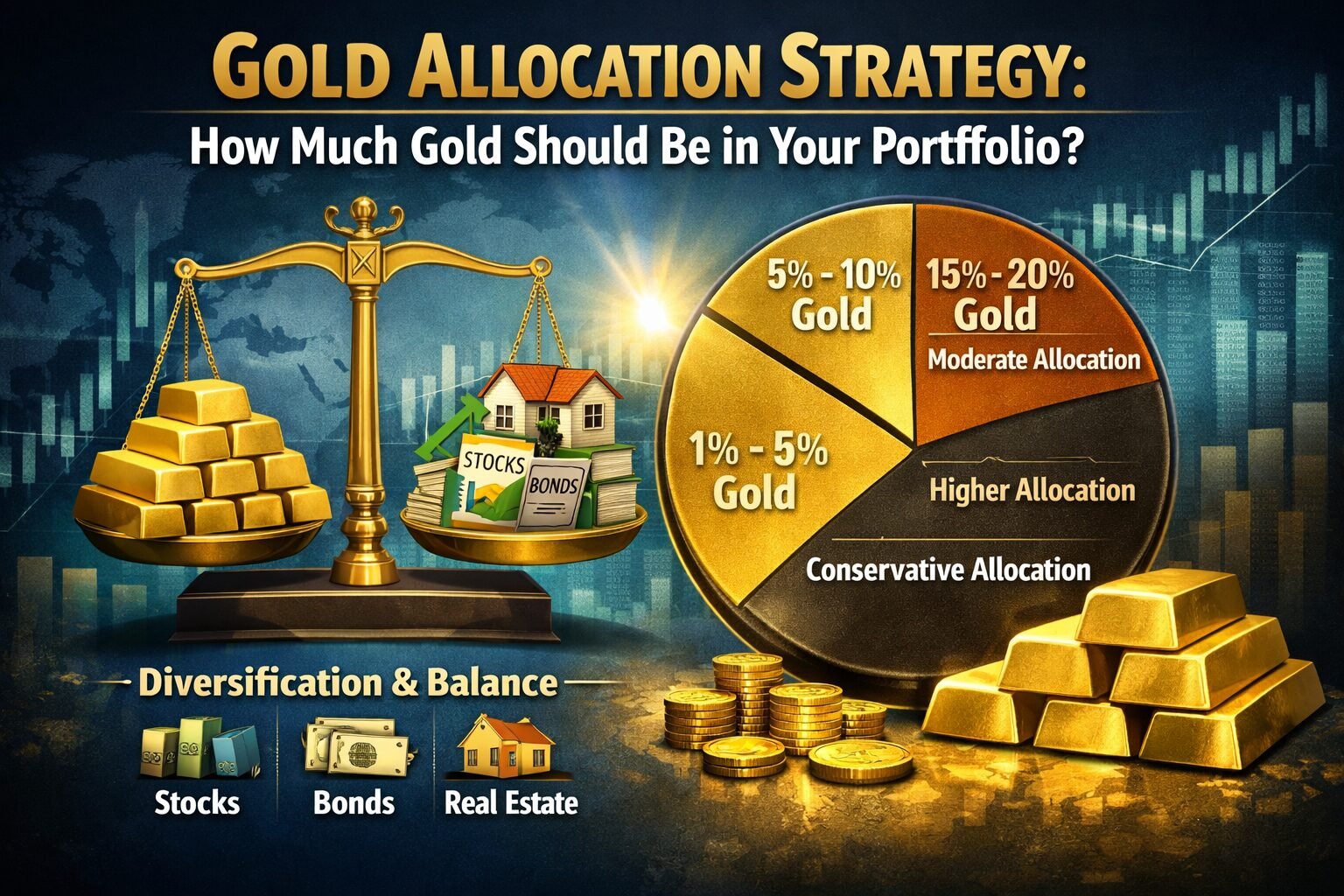
Gold is commonly used as a strategic allocation rather than a standalone investment. Many institutional and private investors allocate a modest percentage of their portfolios to gold to improve diversification and reduce overall volatility.
The appropriate allocation depends on investment objectives, risk tolerance, time horizon, and views on macroeconomic conditions. Gold is typically most effective as part of a balanced portfolio rather than as a concentrated position.
Long-Term Perspective
Over long periods, gold has preserved purchasing power but has not consistently outperformed equities or productive assets. Its primary value lies in risk management, diversification, and protection against extreme monetary or financial outcomes.
Successful gold investing requires an understanding of its role within a broader portfolio, realistic expectations, and disciplined position sizing.