
A Step-by-Step Guide to Buying Physical Gold Safely
To buy gold for the first time can appear straightforward, but the process involves several important decisions that affect cost, security, and long-term value. This guide outlines the key steps new investors should understand before purchasing gold coins or bullion.
Understanding how to buy gold for the first time is crucial for new investors.
Step 1: Define the Purpose of Your Gold Investment
Furthermore, knowing how to buy gold for the first time can guide your investment strategy.
Before making a purchase, clarify why you are buying gold. Some investors focus on long-term wealth preservation, others on diversification, and some on hedging against inflation or financial instability. Your objective will influence the type of gold you buy, how much you allocate, and where you store it.
Physical gold is generally best suited for longer-term holdings rather than frequent trading.
It’s essential to research before deciding how to buy gold for the first time.
When considering gold bars, it’s important to know how to buy gold for the first time effectively.
Step 2: Choose Between Gold Coins and Gold Bars
Gold Coins
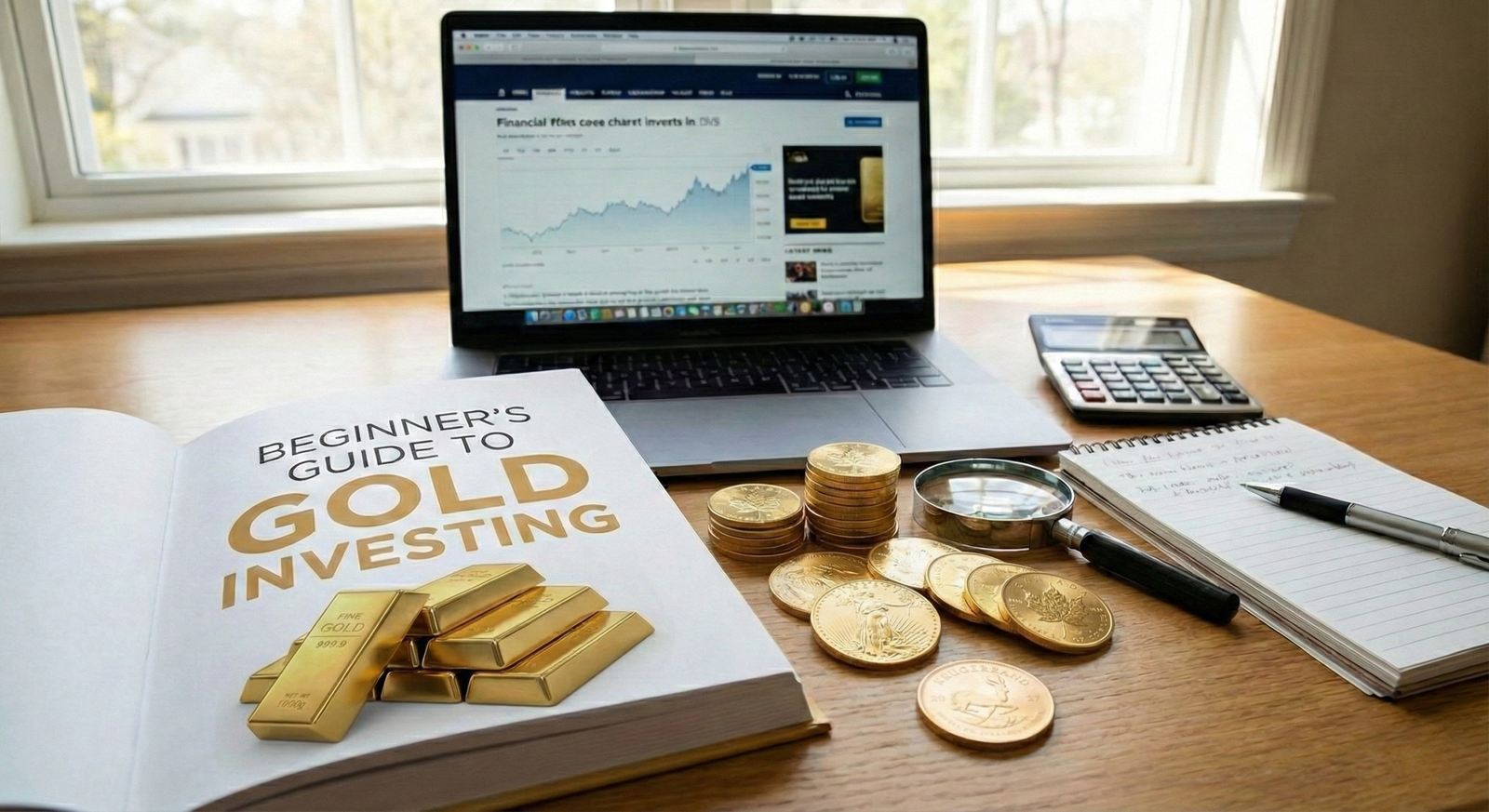
Gold coins are widely recognized, highly liquid, and easy to resell. Common examples include sovereign-minted coins that meet strict purity and weight standards. Coins typically carry higher premiums over the spot price of gold but offer greater flexibility for smaller purchases and resale.
Gold Bars and Bullion
Gold bars usually offer lower premiums per ounce, particularly in larger sizes. They are often preferred by investors seeking maximum exposure to gold at the lowest possible cost. However, larger bars can be less liquid and may require more verification when selling.
To successfully buy gold for the first time, always compare prices and purity.
For first-time buyers, smaller coins or bars are often the most practical entry point.
Finding a reputable dealer is crucial when learning how to buy gold for the first time.
Step 3: Understand Gold Purity and Pricing
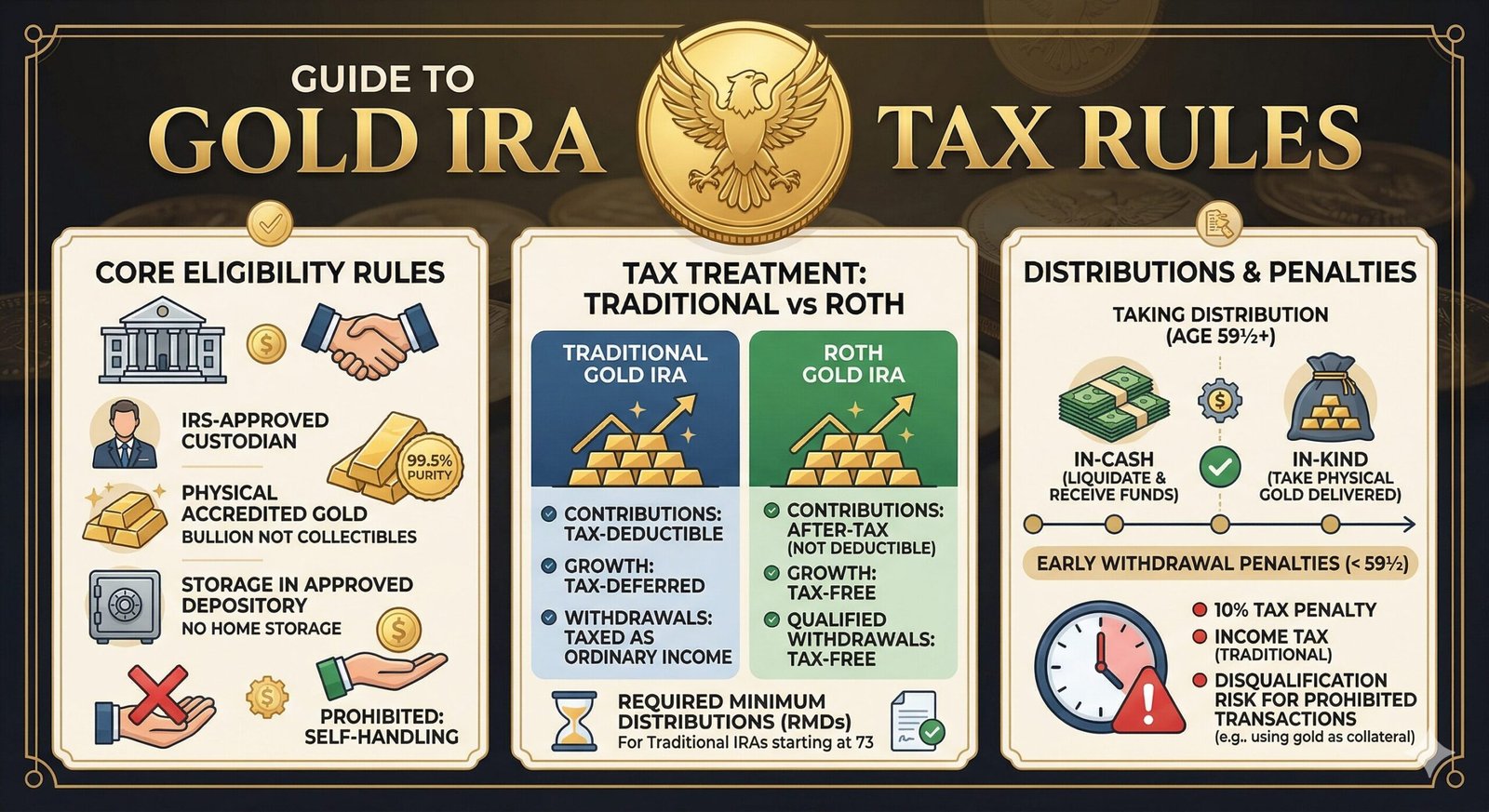
Investment-grade gold is typically at least 99.5% pure. Purity is measured in fineness and should be clearly stated on the product.
Consider your options for how to buy gold for the first time based on your comfort level.
Gold prices are based on the global spot price, which fluctuates continuously. Retail buyers pay a premium above spot to cover fabrication, distribution, and dealer margins. Comparing premiums across products and dealers is essential to avoid overpaying.
Step 4: Select a Reputable Dealer
Understanding payment methods is key when figuring out how to buy gold for the first time.
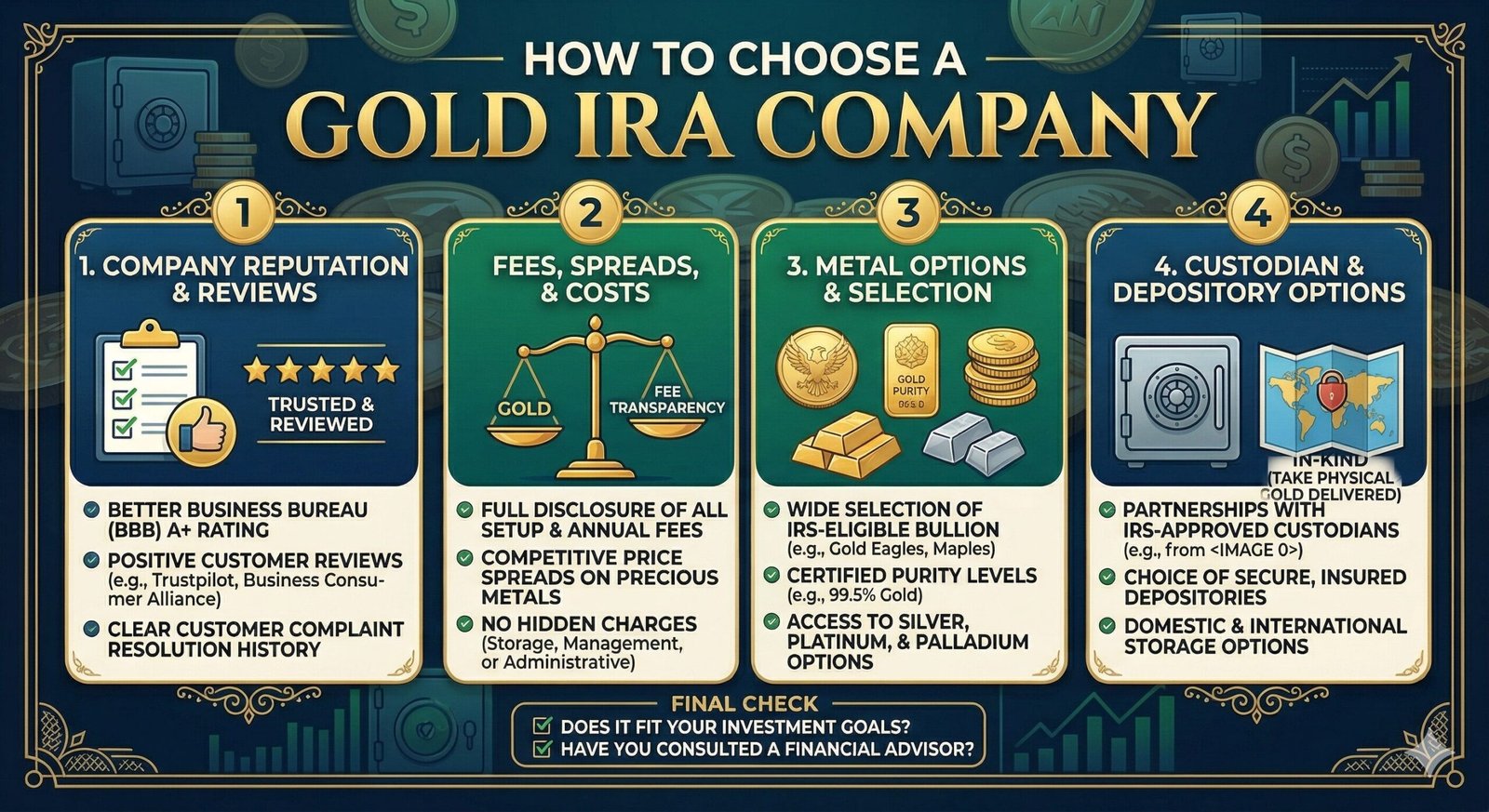
Choosing a trustworthy dealer is one of the most important steps. Established dealers should offer transparent pricing, clear buyback policies, and verifiable business credentials.
Avoid sellers that use high-pressure sales tactics, push collectible or numismatic coins for investment purposes, or obscure pricing details. Reputable dealers price products clearly relative to the spot price and disclose all fees upfront.
Plan ahead to ensure liquidity when you decide how to buy gold for the first time.
Step 5: Decide How and Where to Store Your Gold
Home Storage
Storing gold at home provides direct access but introduces security risks. Proper safes, discretion, and insurance are essential considerations.
Awareness of common mistakes will help you learn how to buy gold for the first time with confidence.
Professional Storage and Vaulting
Many investors use third-party vaults or bank safe deposit boxes. Professional storage offers higher security and insurance coverage but comes with ongoing fees and reduced immediate access. The appropriate storage solution depends on the size of the investment and personal risk tolerance.
Step 6: Understand Payment, Delivery, and Documentation
Finally, remember to buy gold for the first time with a strategy in mind.
Gold purchases can usually be paid for via bank transfer, check, or other approved methods. Delivery options include insured shipping or in-person pickup.
Maintain detailed records of purchase receipts, product specifications, and serial numbers where applicable. Documentation is important for insurance, resale, and potential tax reporting.
Step 7: Plan for Liquidity and Resale
Before buying, understand how easily the gold can be sold and under what conditions. Widely recognized coins and standard bullion products tend to have the strongest resale markets.
Reputable dealers typically offer buyback programs, but prices will reflect prevailing market conditions and dealer spreads at the time of sale.
Common Mistakes First-Time Buyers Should Avoid
New investors often overpay by focusing on novelty or collectible appeal rather than gold content. Others underestimate storage and insurance costs or concentrate too heavily in physical gold without considering broader portfolio balance.
Physical gold should be viewed as a component of a diversified investment strategy, not a substitute for productive assets.
Final Considerations
Buying physical gold for the first time is primarily about risk management, security, and discipline. By understanding product types, pricing mechanics, storage options, and dealer credibility, investors can approach the market with greater confidence and avoid common pitfalls.
A measured, informed approach is essential to making physical gold a stable and effective part of a long-term investment strategy.